A Yank’s Guide to the UK, Part 1.

Having invaded the UK this July 4th, I thought I’d post on some of the things that make our motherland, albeit the one we stormed away from different from the USA. Also I’ll give some practical tips. Right now I should add a disclaimer. I’m not responsible for the consequences if you follow them. I repeat, you’re on your own.

This post is about driving.

They drive on the other side of the road. The left, those socialist commies, the left I tell you. Sorry I was channeling my “inner republican.”

But they do drive on the left, and if you are hiring a car it is helpful to know a few tricks.

First, do you need a car? If you are staying in the cities, no. Renting one in London would be exceedingly daft as they have excellent transport and more importantly, huge areas where you need a special permit to drive. Don’t bother. You can get from city to city and to most, but not all, of the touristy spots without your own car.

However, if you’re like us and visiting the non-touristy spots (somehow I doubt my brother and sister in law would appreciate the company) then you’ll need one. Check the deals you can get by booking one when you get your tickets. BA is especially good for this and a car rental with tickets is sometimes cheaper than tickets.

Almost all the cars are manual transmission. I repeat, almost all the cars are manual transmission. You can pay extra for an automatic, but be manly and use the stick. (did I just write that?, yes).  It works very much like it does in the US. Except you use your left hand and remember to reach further left than you think you need to. You’ll find, or at least I do, that the right/left side of the road comes naturally, but there are some gotcha’s.

Turns with islands. You’ll initially want to go down the wrong side. Don’t.

Pedestrians and other road hazards, things like zebra crossings. They’re on the left. You’re used to them being on the right. Make a conscious effort to look in the other side. By the way, not only is it illegal to run down pedestrians, but you have to stop for them. Silly law, but that’s the way it is.

Stop lights. Stop lights go yellow before they turn green. Just like drag strips. It’s good, and I wish they’d do that back home. Of course the idiots in Atlanta would hop the yellow, so perhaps its for the best. The law is to put your car in neutral and set the parking brake when you’re at a stop. The yellow is to tell you to put it in gear. Then expect traffic to shoot off when it turns green. Sort of like at a drag race. By the way, don’t be shocked when your engine stops when you put it out of gear and set the brake. That’s to save petrol, I mean gas.

There is no right turn on red.

The roundabout from Hell (Swindon)

Traffic circles are ubiquitous. There is a rule for them. The vehicle (including bikes, lorries and other cars) on the circle to the right has the right of way. They mean it. If you’re turning left, be in the left lane (or left side of your lane) with the turn signal set. If you’re going straight don’t set your signal, and if you’re turning right, set the turn signal to the right. Then enter the circle and exit at the right time. If you’re turning right, set the signal to left when it’s time to leave the circle. It is ok to go around if you miss your turn. (Not just Yanks do this.)

Turning across traffic. If it’s light, OK. Otherwise don’t. Go with traffic and use the next roundabout (circle) to go the way you want.

The Motorways have a speed limit of 70, except when they don’t. A-roads, B-roads have 60, and other roads 50. Except when posted otherwise. A-roads are sort of like numbered state highways, B-roads are a little smaller, and the others, well they range from quite decent to little more than an “metalled” (paved) track. A warning, in the country or in National Parks, the A-roads can be one lane wide. It makes driving interesting and fun.

Don’t use your horn. It’s not polite. You can however give them the finger.

Enough for now, we have to drive to Tesco’s to pick up a few supplies.

‘Ta

We’re back, baby.

Like poor Cecelia, “The Curious Profession of Dr Craven” is back from the dead. It’s been edited, to catch some annoying and very minor errors, though not to remove either occurrence of “get over it” which according to Google n-gram viewer was used in the Regency in much the same way as it is today. (I take comments seriously. I rechecked because it is important to me to be correct, and I checked the usage in the books it summarized.) Literally, “literally” is another phrase that was used in the modern somewhat ironic sense – even in the 18th century. Pope waxed wroth about it, though to quote Marx, why does Roth need waxed?

“Nice” is one word that you have to watch. It can mean nice in the sense of pleasant or good, but it can also mean somewhat common or nasty. (e.g. “That’s a nice kettle of fish you’ve got us into” from Laurel and Hardy.)

On the other hand I did remove “washout” which is a relatively modern term. Personally, the most annoying little error was the shift from “Dr.” to “Dr” in the latest British usage. I also caught a few excess uses of the passive voice. Editing truly is never finished. As a self-pub’ed author I can make changes to fix these little uglies.

Here’s the start of chapter 2. Up until it gets about as hot as Amelia and I usually write. Chapter 1 can be found here.

Alive, Maybe.

The sun shining through the window woke Cecelia. She sat up in her bed with a start and examined the room. The bed curtains had been pulled back so she could see the tattered wallpaper and small fireplace across the room. The low cooing of a wood pigeon could be heard through the glass of the window. Her head swam for a moment. Then she searched the place. It wasn’t her bedroom. A maid was drowsing in a chair by the fire.

“Miss, where am I?”

“You’re in Dr Richard Craven’s house, Miss.” The maid rose, curtsied, and rang the bell. Then she continued, “Is there anything you need?”

“Who are you?”

“My name’s Mary, Miss. Would it be too much to ask yours?”

Panic gripped Cecelia. “I am,” she paused, “I don’t know!”

“There, there, Miss. The doctor will know what to do for you.”

“The doctor? How did I get here?”

“’Tis best he tells you, Miss.”

“Mary.”

“Yes, Miss?”

“Am I alive?”

“Yes, Miss you are. We’re in my master’s house at Streatham, England. It looks to be a lovely summer day.”

“It’s just, I remember, I remember dimly. It’s so strange.”

“Wait for Dr Craven, Miss. He’ll answer that.”

A few moments later, Dr Craven dashed into the room. He was a tall, well-formed man with dark hair. Despite his youth, a widower. Close behind him came two young children, his exuberant four-year-old twins. While he stood in the door, they rushed past him and jumped into the bed with her. Their governess, Miss Grimstock, a severe, somewhat older-looking woman was beginning the long slow decline into spinsterhood. She puffed from her exertion as she caught up with them.

“Thomas, Mariah, please come here. Let your father do his work.”

They replied in unison, “No.”

“Please let them stay. They’re so lovely. I’m sure I’m in Heaven with cherubs.”

“Further acquaintance with them will convince you otherwise. Children, please do as Miss Grimstock requests.”

“Daddy?”

He frowned at them and then added, “I must check on our guest. If she’s well enough, I’m sure you can return.”

The children dejectedly left the bed and returned to their governess.

Dr Craven strode to Cecelia, “How are we feeling?”

“Completely lost, sir. Where am I?”

“My house in Streatham. I am Dr Richard Craven. The question is, who are you?”

“I wish I knew. What happened to me?”

Dr Craven paused, considering whether telling the young woman the truth would do more harm than good. Finally, he made up his mind. “What do you remember?”

“Almost nothing. You. I distinctly remember you. I woke up on a table last night. It was after a long nightmare, and you were there.”

“Do you remember anything else?”

“No. It’s all gone.” She paused, “There’s a bit more. I was in this dark place where no one could hear me. I tried to kick or pound with my fists. Nothing happened. I could barely move.” She shook her head in disbelief and continued, “What happened to me?”

“I’m not sure. I was going to study you, but now I suppose I’ll try to cure you.”

“Study me? What do you mean by that?”

“I’m not just a country doctor, Miss. I study how the body is put together.”

“You’re an anatomist?”

He paused, “Yes.”

“You were going to anatomize me!”

He nodded. She backed away from him gathering herself into farthest corner of her bed.

“We, I…It wouldn’t have mattered were you dead. I’m working to prevent death, and sometimes that means anatomizing bodies.”

“Including me?”

“Had you been dead, yes. But you weren’t, and I’m glad of it. Though it does mean, I’m going to have to find another body.”

She glared at him, “You bought my body, didn’t you?”

“Yes. If I hadn’t, you would have died, for real. Instead, here you are, alive.”

Cecelia felt faint, then in her anger, recovered. “You’re an evil man.”

“No. I’m a natural philosopher, and a doctor. I do my best, my tiny mite, to cure people.”

Panic gripped Cecelia again, “What are you going to do with me?”

Trying to reassure her of his intentions, Dr Craven smiled. “I’m going to examine you. If you’ll let me. Then we’ll decide what to do with you.”

“Examine me?”

“You must have been gravely ill for your family to have buried you. I should like to see if you have recovered, before we,” He paused, “proceed.”

Mary was about to leave. Dr Craven requested that she remain. Then he walked over and shut the door. After that, he washed his hands in the basin, thoroughly with soap.

Cecelia looked at him, disgusted, “Why are you doing that? Washing your hands of your guilt, like Pontius Pilate?”

“No. It’s an experiment. To see if there isn’t something on our skin that can carry illness.”

“They looked clean to me.”

“And to me, Miss. The thing that carries illness, whatever it is, it is too small for us to see.”

“What next?”

“I shall need to listen to your heart and your lungs.”

“What?”

“That’s why I’ve asked Mary to stay. I’m afraid it means I need to put my ear on your chest.”

“My chest? You mean…”

“I mean without anything in the way. Mary will ensure that I obey all the norms of propriety.”

On Poodle Byng. #regency #amwriting

Frederick Gerald Finch Byng (AKA Poodle) makes an appearance in two books I’m working on. I’m searching for a publisher for, The art of deception, and the other, A formulaic romance, is nearing a complete first draft.

PastedGraphic1-2013-02-14-07-50
It’s sort of fun to search for historical information about him. There are three different stories about how he got the sobriquet Poodle. The most likely one is that Georgiana the Duchess of Devonshire gave it to him when he was courting her. Given what I can find about his character, he probably was a very dogged suitor and sat there like an expectant puppy. He treated the name with good humour and went everywhere with a dog. Unfortunately the dog’s name is lost to history, and the one drawing I’ve found doesn’t look like a poodle.

He worked for the foreign office, and after the deaths of his daughters became very interested in sewers. (He was actually a member of the Westminster Commission of Sewers.) My guess is that they died from a water-borne illness.

He seduced, made pregnant, and then (after she survived childbirth) married Catherine Neville. Catherine was his mother’s maid. She was not liked by London society. In fact, it was referred to as his great sacrifice. This makes it very difficult to find much about her. Although apparently she and Poodle were a good match. Both were prone to say inappropriate things at awkward times. It’s just that as a nobleman he was forgiven.

It was only London “high” society that shunned her. There are references to her and him visiting Paris and being entertained by French nobility. (Of course you can never tell with these foreigners ;-> ) They gave small dinner parties for friends, most of whom were members of society. Thomas Creevey says in his memoir that he could not give countenance to “such tits”, but went along for the company.

Occasionally you’ll find a reference to “a daughter who died soon after they were married.” Actually there were two, Elizabeth (1817-1827) and Frederica (1819-1831).

A Formulaic Romance, Chapter 6. #amwriting #wip #romancenovel #fridayreads

When Mr Oliver or Harding or whatever tries to confuse things, Rachel discovers that George is something more than he lets on. He’s not just a flighty social butterfly who escorts diplomatic visitors and keeps them out of trouble in the London gaming hells and associated fleshpots.

It continues from the previous chapter, or you can start from the beginning.

My co-author Amelia and I often put the beginnings of books on my, now our, blog. They don’t always make it to the end, but it’s helpful for our writing. This is another Regency Romance. This time without grave robbing or financial dealing and legal chicanery.

We’ve been working hard to write from Rachel’s viewpoint. It’s an interesting exercise.

Mostly about a Notebook, that and Pontefract.


That morning, Lady Beddlington requested her son’s company while she drank her chocolate in her room, prior to emerging from her lair.

Sitting stiffly upright in her bed she asked him, after he gave her a dutiful son’s peck on the cheek, “What can you tell me about this Lady Hayforth?”

“Not much, she was on her way to London, to stay with Lord Bromley … To try her hand at the marriage market. Carriage broke down outside of Rupert’s pile.”

“An adventuress?”

“I don’t think so. Not if she’s Bromley’s cousin … he’s a stiff-rumped fellow of the first rank. Couldn’t be, at least not more of an adventuress than any other unmarried woman in search of a husband.”

“I doubt that.”

“Well … Mother she has behaved with grace, good manners, and genteel conduct. I gather Rupert’s proposal came as something of a surprise to her, but I think it will be the making of the two of them.”

Lady Beddlington studied the faded wallpaper in her room while she tried to remember the Hayforth’s. Eventually she said, “I place her, not her, but her family, now. Her father tried to keep up with Brummel and that set. Run of his legs.”

“When was that?”

“Years ago. You were still in school. It was the talk of the ton. She’s a queer one, George, dashed smoky.”

“I don’t know Mother. She seems pleasant enough. Not at all what I’d expect for an avaricious ladybird.”

“As if you would know.”

“I haven’t lived a completely sheltered life. Until I met Miss Deacon, I carefully avoided the Parson’s trap … which I assure you was laid for me by many an ambitious mother, baited with her desirable miss.”

“I must admit, George, that I find it most reassuring that you are engaged to Charity and out of this harpy’s reach. Poor Rupert. We shall just have to see what we can do.”

“Mother, I’m not…”

“Nonsense. Time that I finished my morning toilette. Would you send Graves in?”

“All I will say, Mother, is that Lady Hayforth is a pleasing and rational young lady with excellent manners.”

“Right, next you’ll tell me about a new patent to make purses from sow’s ears. Where’s Graves?”

George, still unconvinced, nodded his agreement. He also made sure to shut the door before he sighed in relief.

Miss Graves was waiting outside the door. “How is she?”

“Irritable … still upset that old Gas is donning leg shackles. Shame, because it’s the best thing he could do. It’s made him almost human.”

Miss Graves nodded, “I wish I understood My Lady. Trying to keep poor Lord Hartshorne from marrying. It’s a shame and so beneath her.” Confidences over, she curtsied to George and entered the room.

George shrugged and started down the hallway towards the stairs. He didn’t get far. “My dear Lady Hayforth, you look positively radiant this morning.”

Rachel blushed, “Oh stop it. I don’t hold a candle to the sun of Miss Deacon, and you know it.”

“If you’d rather, I could say you look worn and exhausted … positively haggish.”

“That’s not true either.”

“No. But you are looking in good health. One of the prettier sights I’ve seen so far this day.”

“Thank you, but I’m certain Charity would disagree.”

A door opened behind them and Charity asked, “I’d disagree with what, Rachel?”

“Lord Beddlington’s been telling me sweet lies. Ones he should tell you.” Though not lies, you’re so tall, so beautiful. I don’t compare.

“George, stop flirting… so unseemly. I’d like to breakfast and then we should review your Greek. No point in learning Hebrew if your Greek is lacking.”

George smiled at her, and then at Rachel, “See, I told you she wanted to improve my mind.”

They were sitting at the breakfast table, with Charity questioning George on his Greek declensions when Rupert burst in. “It’s missing!”

“What’s missing?”

“That volume, volume nine, from my notes.”

Rachel said, “That’s what I told you.”

“I know, but I thought it was just misplaced. It’s gone. Nowhere.”

George, glad for a diversion from endless arcane variations of difficult words, asked “Did you check your workshop?”

“Of course. Everywhere.”

“What was in it?”

“Things. I shouldn’t say more.”

Rachel said, “Those things you worked on during the war?”

Rupert nodded.

She continued, “I think we have a problem. George, you might want to send an express to your friend Poodle, or did I get the name wrong?”

“No. Poodle’s the fellow.  There’re some dashed odd characters associated with the F.O. It’s either him or ah, Lord Grey. Maybe both.” He rose and bowed to Charity, “You’ll have to excuse me, my love. The Greek verbs can wait.” He chuckled, “They’ve been waiting for me all these years, so what’s a few more hours?” With that he left for the library.

Rupert watched him go. “I don’t know what else. It couldn’t have been that Mr Oliver. I mean he was with General Byng.”

“Who else?” Rachel said, “Either him or one of the soldiers. I doubt most of the soldiers could read.”

“But?”

“I think we should do our patriotic duty and pay a visit to General Byng’s camp. Show we support our gallant Hussars … and ask a few discrete questions.”

Rupert smiled, “Show there are no hard feelings?”

“And inquire after poor Lewis. With that hand and all. You did warn him.”

Bowing, Rupert replied, “That’s true. I’ll see if my Uncle needs my help.”

After he left, Charity asked Rachel, “Why is Rupert being so mysterious?”

“He made explosives, fulminating compounds is what he called them, during the war.  I’d bet a farthing to a pony that the missing notebook is the one where he kept his notes.”

“Oh.” Charity felt faint, “His work could be dangerous?”

“Exciting. Though I’m surprised about his notebook. If it’s so secret why did he have a copy here?”

“I’m sure he had good reason.”

****

Once the carriage pulled up in front of the Hall, Rupert remembered that his workshop needed his attentions. “Sorry, George, but it’s a total wreck. I daren’t let Brindle or the servants in – they could hurt themselves. Do you mind going without me?”

George replied, “Coward.”

Rupert smiled in his embarrassment. “Let’s just say I’m glad to be shot of Camp Hill. It was hard enough to get away from it yesterday. I’m not sure I’d like to return.”

Rachel said, “He has a point, Ge-,” seeing Charity frown, she continued, “Lord Beddlington. It must have been worrying.”

Charity added, “I’m feeling a bit tired, George my love. Do you mind if I stay?”

“No, I suppose not, it’s just I’d thought, well maybe, you’d have enjoyed a ride with me … and Lady Hayforth.”

“I would, but not today. I’ll keep your nephew out of trouble.”

So without much further discussion, the carriage, bearing George, Rachel, and of course – for proprieties sake, Miss Holloway, sped off for General Byng’s camp. It was just this side of Pontefract, an easy five mile ride.

George stretched back in his seat, evidently enjoying the space. Rachel asked, “What should we expect?”

“In Pontefract or General Byng’s camp?”

“Either.”

“The town’s a little market. Used to be an important place, back in the day. Parliament and Cromwell saw that it would stay a minor town.”

“I see.”

“They grow liquorice if that helps.”

Rachel smiled, “I suppose it might. And the camp?”

“A yes. That’s different. Tents, soldiers and officers.”

“Officers?” Lucy asked. “Handsome ones?”

“Yes Miss Holloway. What did you expect?”

“Handsome officers,” Lucy muttered to herself. “I wonder.”

Rachel gave her a friendly push, “After I’m married, Lucy. For now, I still need a companion.”

****

General Sir John Byng stared at this interloper. “Lord Beddlington. Why should I search Mr Oliver and his rooms for this book?”

“Because I’m asking you nicely.”

“That’s not a sufficient reason.”

“I thought as much.” George calmly turned to Rachel and Lucinda, “I’m afraid I shall have to ask you to leave.” He nodded to the General’s secretary, “Unless you are cleared, you as well.”

Rachel gasped, “You’re not going to fight?”

“Oh, no, not at all.” George laughed, “It’s just, um, you see … I can’t show it to you. Please do as I say, and it won’t be long.”

General Byng continued his hard stare, “You’re one of those ‘funnies’ aren’t you? I don’t approve of the funnies. Caused no end of trouble for us real soldiers.”

“Let’s say, I work with the F.O. shepherding dodgy diplomats around the village. Not really one of the funnies, but I know my share of them.”

“You can document this?”

“But of course, my dear general.” He bowed to Rachel and Lucinda, “Now if you’d leave us.”

The guards pulled the flap away when Rachel and Lucinda walked out. They stood there blinking in the bright daylight.

“Rachel,” Lucy said, “Isn’t that Mr Oliver?”

The man in question strode towards them and said, “Lady Hayforth, what brings you to Pontefract? To see the castle Pomfret where good King Richard was murdered or is it to shop in the market?”

“Neither. Lord Beddlington thought it would be good of us to show our support for the soldiers with a visit to their camp. He’s inside arranging the details of a tour with General Byng. We felt we needed some air.”

“Indeed.” Mr Oliver went a shade of puce, then paled to a decidedly grey colour. “Give him my regards.” He turned and hurried away.

Lucy said, “Odd that.”

“Yes.” Dashed odd. He’s worried. Why?

The presence of two young women outside of the General’s tent quickly drew attention. Lucy was chatting with a decidedly good-looking young lieutenant while another, equally gallant and possibly more dashing, tried to attach Rachel’s attentions. He pointed out that there was another ball in a couple of weeks.

“Could I have the honour of a dance?”

“Maybe, but I hope to be in London by then.”

“London, Ma’am? What could London offer that we don’t have here?”

Culture and society, not to mention skilful dancing and men who didn’t stink of horses, “I don’t know, but those are my plans.”

“Is there nothing that would dissuade you?”

“I’m sorry, but I promised my cousins that I’d visit.”

“Lucky cousins, to have such a.”  He stopped and saluted. General Byng and Lord Beddlington emerged from the tent. His friend, who had been chatting to Miss Holloway, was not as observant. He drew a sharp reprimand and the night watch for a week.

George said, “Lady Hayforth, Miss Holloway, if you’ll accompany us?”

General Byng glared at him, but mindful of George’s credentials kept quiet.

“Do you need us?”

“No, but I would feel better were you not far away. Mr Oliver or Harding is a slippery customer.”

“Then,” Rachel curtsied, “It will be my pleasure to accompany you.”

****

George, Lucy and Rachel rode back to the Hall in silence. Mr Harding or Oliver or Jones wasn’t in the camp, and if he had the notebook he’d cached it well. It wasn’t in his tent.

Rachel watched the country slide by as the horses pulled their carriage. She turned back and said, “Well, I hope that’s the last we see of him.”

George replied, “Pity about that notebook. Wonder if one of the soldiers took it after all.”

“I’m sure he has it. Never loses anything that’s to his advantage. Do you remember Lucy, when he turned up at the solicitors, during probate?”

Lucy nodded, “All those bills. You almost had to sell the hall to meet them.”

George’s eyebrow raised, “Indeed. That’s interesting.”

“Interesting to you, Lord Beddlington. A disaster for us.”

“No, not what I meant. I’ve seen this fellow before, or at least heard of him. … I mean from before the last few days. Dashed if I can remember where.”

“Well, for me, I still hope that’s the last we see of him.”

The carriage pulled up near the front of the Hall. A pair of footmen promptly appeared and helped them alight.

George stretched in the fading afternoon light, “Good to be back. Have to see about getting you to London, and what my dear Mater’s plans are. Maybe you can ride with her. It might help things if she gets to know you better.”

Rachel replied, “I’m not sure of that. She disapproves of me, on principle. Thinks I’m taking advantage of Rupert. She almost called me an adventuress to my face. Who knows what she’s said behind my back.”

“Yes … well … you know, she’s sort of, um, stuck in her ways. Pity, but that’s how it is. You’ll have to charm her. I mean she’s Gas’s grandmother.”

“Lord Hartshorne, Rupert’s step-grandmother. I’ll do my best.”

“Good girl. Gas is getting a good bargain. I must admit my suggestion has proven fortuitous.”

“Please remember that my fiancé doesn’t like that nickname.”

“But I do. There’s that, you know.”

An unpleasantly familiar voice met them as they approached the parlour. George stopped and quieted Rachel. He whispered, “Listen.”

Lady Beddlington said, “Mr Oliver, thank you. We’ve been looking all over for that book. My grandson will be ever so pleased that you found it.”

“One of the men took it. I’m simply happy to be the agent of its return.”

“And that other thing, those papers of yours, they will be most useful.”

“Glad to be of service.” The sound of chairs scraping along the floor echoed from the room. Evidently Mr Oliver rose and bowed to Lady Beddlington.

George pulled Lucy and Rachel into the library, with a whisper, “Best if we’re not seen.” They watched while Mr Oliver whistled his way to the front door, and then strode towards the stables.

“Pleased with himself, isn’t he?”

“I’d say so.” George replied, “Wonder what mischief he’s done?”

Rachel said, “Who knows.”

George shrugged, “Must see how Mother is, and then you should find Gas. I hope Charity has recovered.”

“Yes, Charity.” Rachel replied, in a curiously toneless voice.

“Once more into the breech dear friends.” George led the way to the parlour.

Inside Lady Beddlington greeted them with a smile. A knowing smile that seemed almost a leer to Rachel. “You just missed a visit from an excellent young man. A Mr Oliver.”

“We did Mother?”

“Yes. He was returning that missing notebook of Lord Hartshorne’s. One of the soldiers had taken it.”

George hurriedly asked, “May I see it?”

Lady Beddlington pointed to a bound volume on the table. “If you insist.”

Hastily picking it up, George quickly flipped through the pages. His mother continued, “I didn’t know you were interested in chemistry, George.”

“I’m not particularly, but this book interests me.”

“Why?”

“That would be telling. Let’s just say I’ve acquired a recent interest in natural philosophy.” He snapped the book shut and stared at the ceiling for a moment. “Interesting, dashed odd, but interesting.” Then he slipped the book into the shelves with the other laboratory notebooks.

“George,” Rachel started to say, then seeing his mother glare at her, “Lord Beddlington, what’s interesting?”

“Must find Gas. I mean Rupert. See that he’s keeping out of trouble.” George bowed to Lady Beddlington, and then to Rachel. She didn’t take his hint and followed him out of the room.

Once out of immediate earshot, Rachel asked, “George, what was in the book?”

“Nothing.”

“What do you mean by that?”

“Exactly what I said. It was blank. Other than the first few pages. Something tells me Rupert wouldn’t have left it that way. I think it’s a fake or a copy.”

“Surely, Mr Oliver would know that it would eventually be opened.”

“He was gambling on that being well after he had left, or that he’d have the time to copy it out. We interrupted him.” George smiled at the thought then laughed as he said. “Shall we find the light of my life, my Charity?”

****

Having knocked on Rupert’s workshop without success, George found Mr Brindle, “Ah Edward, have you seen Miss Deacon?”

Austere at the informality and disapproving of the intelligence he had to bring, Mr Brindle’s frown deepened when he replied, “Lord Beddlington.”

“George.”

“Lord Beddlington, Miss Deacon and the Master have gone for a walk on the downs. I believe they are hunting Lepidoptera. At least, they had nets and collecting box.”

“Sounds a wholesome activity. It sounds like Gas is taking after his parents after all.”

“It was not clear that they were chaperoned.”

George cocked an eyebrow, “I shouldn’t worry about that. Charity’s a rock. Trust her with my life, you know.”

Mr Brindle’s expression indicated he thought that might be a misplaced trust, but as a well-trained servant he kept his opinions to himself.

George continued, addressing Rachel, “Ma’am” he bowed, “Perhaps you and Miss Holloway would care to find his Lordship. I, on the other hand, am dreadfully tired. Need to write a missive to my friends in London. Let them know the good news.”

“If you’re taking your letter to the post, I should write to my cousin once more. To let him know I’m still on my way.”

“Yes … there is that. I was thinking of a faster, somewhat more expensive missive.” He gave her a smile, “More than a shilling a sheet, if you must know.”

“Oh. That. I’m sorry, must seem so very dense.”

Mr Brindle coughed, “Ma’am, I shall have a page carry your letter to the village for posting.”

Rachel smiled at him, “Thank you Brindle.”

****

Rupert came bouncing back with Charity in tow. Rachel looked up from the desk where she struggled with the letter. “My Dear Lord Bromley,” was about as far as she had written. There’s so much I could say, and so little I can.

“Good hunting Rupert?”

“Yes, for Charity – a blue skipper and others. Did you have luck?”

“Not directly. Mr Oliver brought back your missing notebook.”

“He did?”

“George said it was interesting because it was mostly blank.”

“What! Are you sure?”

“It’s in the library. George too, unless he finished his express.”

“Excuse me,” Rupert gave the two women a quick bow and ran.

Charity remained, standing. “I think you are so lucky Rachel. So lucky with Lord Hartshorne. I mean, to be engaged to him.”

Rachel smiled at her. “Yes, I suppose I am. George, your George is no mean bit either. You could do far worse and not much better.”

“I wish he were more serious, cultured.”

“That frippery manner conceals a good mind and a sound heart. I’m sure he’ll settle down with matrimony.”

“His mother thinks he’s a bit of a fool and needs a strong hand guiding him.”

“That, I can assure you, isn’t at all true. It’s an act, an affectation.”

Charity blinked in confusion, then changed the subject. “Did you know Mr Oliver called while you were out?”

“We saw him.”

“He was closeted with Lady Beddlington for ever so long. They were talking when we, Rupert and I, left to look for butterflies.”

“I know.”

“He said something, I didn’t hear it all, about documents and you.”

“The man’s a forger and a villain. He drove my father into deep water, far over his head.” Rachel paused, “In a way I owe him thanks. Wouldn’t have met Rupert otherwise.”

“It sounded as if Lady Beddlington was pleased with what she heard.”

Rachel sighed, “Why am I not surprised? She thinks I’m an adventuress … out to steal Rupert’s fortune.”

“Weren’t you searching for a husband?”

“Yes, but there’s a difference between that and being an adventuress.”

****

After dinner, after port and snuff, and when the men had finally joined the ladies in the drawing room, George attracted Charity’s attention. “It’s a fine night, Miss Deacon. Why don’t you show me the stars? You were saying you needed to improve my mind.”

“If you’d like.”

“I’d best take advantage of the chance. I’m afraid I must run off to the village in the morning.”

“London?” Rachel asked, “Why?”

“With the end of the war, the expresses don’t run this far. Not regularly in any case. They’ve let themselves go slack.”

“But?” Charity said, “Why do you have to do it?”

“A matter has arisen, an old but in a way still very pressing matter, and I need to, ah … an old friend about it.”

Rachel, all ears, said, “Is this that Lord Grey you mentioned?”

“Maybe,” He flashed her a smile, “Then maybe not. I’ll either be back or Old Gas can see you into town himself.”

“Here,” Rupert objected, “I’m not sure I like this. Me in charge of Lady Beddlington.”

“More likely you in her charge. Charity,” he offered his arm, “The stars are out and it’s a surprisingly clement evening.”

Charity glanced around, “We’ll need a chaperon, Rupert?”

Lucy rose, “Miss Deacon, I’d be glad to see the stars. His lordship should pay attention to my mistress.”

“Yes he should,” Rachel laughed, “Would you care to see the stars too, Lord Hartshorne?”

Bum-be-seen, Regency Fashion.

We tend to view regency fashion and manners through the prism of the later Victorian period. This tends to put things in a more, ahem, prudish light than is quite appropriate. Undoubtedly, while young females had companions and manners made strolling alone with a pleasant male companion difficult, there were aspects of fashion and manners that were more fluid than we’d expect.

Gilray’s cartoon satirizes the fashion of 1807, with its sheer muslins. Bombazine is a heavy black cloth, usually worn in first mourning and widowhood. Bum-be-seen, is something else. I’m sure the woman on the right is fully aware of what she’s displaying, and why.

A Formulaic Romance, Chapter 5. #amwriting #wip #romancenovel #fridayreads

Mr Oliver or Harding or whatever has his revenge in this chapter. Armed with a barely legal warrant, he and General Byng search the hall, trashing it in the process. To make matters worse, George’s fiancee shows up. She’s worried about him and brings along his mother, the redoubtable Lady Beddlington.  Lady Beddlington does not approve of Rachel.

It continues from the previous chapter, or you can start from the beginning.

My co-author Amelia and I often put the beginnings of books on my, now our, blog. They don’t always make it to the end, but it’s helpful for our writing. This is another Regency Romance. This time without grave robbing or financial dealing and legal chicanery.

Consequences.

George’s confidence about seeing the last of Mr Oliver was sadly misplaced. The door knocker banged early in the morning, echoing through the house. Mr Brindle hurried to answer.

A man in a General’s uniform spoke, “Took you long enough.” He stood with a small squad of men and more importantly, Mr Oliver.

“Sir?”

“Call your master.”

“As you desire. Would you care to wait in the hall?”

“No. We’ll stay here.”

“As you wish. I shall summon Lord Hartshorne.” Mr Brindle turned and entered the building. Unfortunately it meant that he missed seeing the General motion to his soldiers. The squad double-timed as they placed guards at all of the doors and in places where they could watch the ground floor windows.

A minute later Mr Brindle shuffled into the parlour where Rachel was breakfasting, “Ma’am.”

“Yes?”

“There are some gentlemen at the front door, Ma’am.”

“What about them?”

“They desire to see Lord Hartshorne, and I thought it best if you were aware. It might … be useful to have you there.”

A bleary-eyed and hastily dressed Rupert stumbled outside fifteen minutes later followed by Rachel and George. “Good morning General Byng,” he said, “What brings you to Oulten Hall so early on such a fine day?”

“Nothing good My Lord. Information has been laid that you are in possession of a large amount of explosive material. Unauthorized and illegal possession, I might add.”

Rupert scanned the men who remained in front. Mr Oliver was grinning. Rupert said, “Stuff and nonsense.”

“We shall see. Put it to the test with a search. Can’t have the revolutionaries getting their grubby hands on explosives. Bad enough if they have pitchforks and shotguns.”

“No you won’t.”

“I’m afraid this.” General Byng produced a sheet of paper that was adorned with a seal, “this is a search warrant. Not that we need it, but best to obey the formalities. Stand aside, Sir, while we search your dwelling.”

George demanded, “Let me see it.”

General Byng nodded to a soldier and with that, the man carried the document to him. George scanned it. “It’s not legal. Sir John should-”

Legal or not, George’s pronouncement had little effect. General Byng nodded to his command and was followed by the men when he charged inside. Mr Oliver gave George a slight bow, smiled at Rachel and followed. The men made their way from room to room, leaving little intact. The stuffed animals, mostly intact, joined piles of books, papers and journals in haphazard chaos on the floor in the library. The destruction was near total. Only the skeleton in the corner stood, though he was shorn of his drapery.

One of the soldiers said to General Byng, “Not here, Sir.”

“Next room then.”

Seizing Rupert’s small sample of sodium from the shelf in the parlour, one of the men dumped the oil on the floor. Thinking it valuable, he put the metal in his pocket. He then discovered the hard way, when his trousers caught fire, that sodium was not to be held close to delicate areas[1]. Heading off their intention to quench the fire with a jug of water, Rupert managed to retrieve the metal before either the trousers or the man was burned too badly.

Rupert interrupted General Byng, “If you would tell me what you are looking for, I might save this destruction.”

“We’ll known when we find it.”

“So the destruction is the purpose of this search?”

“You might say that, but I’ll deny it.” There being little else to tear apart, they moved on to the next room. Screams echoed up from downstairs. Rupert’s cook defended her domain with more ferocity than her looks suggested.

Eventually the path of destruction wended its way to the Rupert’s workshop. Rupert stood in the door, blocking it. “No. Please. There are things in here that.’

His objections were of little avail. His next words, “Are dangerous if not handled right,” were ignored.

General Byng laughed, “Move him aside, Lad’s. If it’s not here, then he’s clean.”

Rupert struggled against the two men who held him while the rest filed in and started tearing his laboratory apart.

Meanwhile, Mr Oliver sidled up to George and Rachel. He drew a quiet breath, and expressed his unctuous concern, “Would have been cheaper to settle you know. Easier.”

“Never. You’ll hear from my solicitor, and Lord Hartshorne’s one.”

“Fat lot of good that’ll do you. M’Lord. I have Lord Sidmouth’s ear. The shining golden boy who can do no wrong, I am. Especially when there are so many dangerous reformers loose in the countryside.”

Rachel spat, “At least for the moment.”

Mr Oliver gave her a stiff bow. “That’s all it will take. Ma’am.”

An explosion, followed by screams, interrupted their conversation. Not that it was a flowing or enjoyable one in any case. One of the soldiers found a small box, labelled, “Explosive, do not disturb.”

It contained samples of Oxymuriate of Potash mixed with flowers of Sulphur, and various similar fulminating or detonating mixtures. Chemicals that would ignite or explode with little provocation.

He shouted, “Here Sir, we’ve got it,” to General Byng.

“Open it and see.”

Rupert tried one last time to intervene for their safety. He shouted, “Please don’t. It contains sample detonators. A long term study of their stability. They could.”

It was too late. The soldier opened the box and picked up one of the fulminates. It still worked three years after Rupert had made it. Unfortunately, it was more sensitive than the original preparation and blew the man’s hand to shreds when he handled it roughly and held it up.

Years of war had inured General Byng to wounds and screams. He turned to the men holding Rupert and said, “He’s under arrest. We’ve found what we need.” Then he turned to the others and said, “See what you can do for poor Lewis, and have that man be quiet. Poor discipline.”

The men frog-marched Rupert off to await his trial. Red drops of blood showed where Lewis walked as he limped after them.

Rachel looked at the destruction, watched the men escort Rupert off, and started to sob. Quietly, but definitely.

George patted her, perhaps too familiarly, on the back and then said, “I’ll follow them. See what I can do. Habeas Corpus is still in effect, despite what General Byng says. I’ll find a magistrate.”

“You will?”

“Yes, now dry those tears. Keep busy and try not to worry. You know and I know this was a low attempt at revenge. It will be fine. Worse comes to worse, I’ll send an express to the General’s cousin Poodle. He’s well connected, something to do with the F.O.”

Rachel nodded her agreement. George headed for the stables, which consistent with his statement about revenge, were untouched. Even though they’d be an excellent place to store explosive compounds or gunpowder.

Rachel headed for the library. She would start on the books. Unlike many of the servants, she could easily read the titles.

****

Rachel was standing in the diminishing pile of books, like Dido in the remains of a literary Carthage, when a carriage pulled up outside of the Hall late in the afternoon. While the maids and footmen had repaired much of the damage, the chaos of the morning was still evident when two stylish women strode into the library, leaving their servants to handle the mundane details. The elder of the two, a ferocious looking woman in her middle years, snapped her fingers and said, “Tea,” before she dusted off a chair and sat down, rigid in her disapproval. The other, an elegantly dressed young woman who was close to Rachel’s age, added, “What are you waiting for? Tea. It was a tedious journey and we are in need of refreshment.”

Seeing that the bell pull was still torn from its wire and feeling the desperate need for a change of scene Rachel left them and found Mrs Hobbes. “If it wouldn’t be too much trouble, Mrs Hobbes, our visitors would like tea … in the library. Are there still three cups intact?”

Despite the carnage that lay around them, Mrs Hobbes retained her humour. She smiled when she said, “Not from the best set, Ma’am, but they’ll do for this company.”

“Thank you.” Rachel returned to the library and continued restoring books to their shelves. She picked up the first of several bound notebooks. They were in Rupert’s hand, his laboratory notes; copied gracefully and clearly so that his experiments could be repeated. While she studied them, wondering what he meant by Sal. Nat. or Cinnabar and nitric spirits or for that matter what it meant to reflux, Mrs Hobbes came in with the tea tray. She put it on a table, then quietly bowed to the two women. “Ma’am,” she said to Rachel, “your tea.”

“Thank you Mrs Hobbes.”

Rachel sat across from the two women and poured the tea. “I’ll be mother.”

The older one, her brown hair starting to be streaked with grey, and wearing the minimal bonnet of a dowager on the make, frowned, “A servant, drinking tea with her betters. Rupert must learn to enforce proper deference in his people.”

The other one, much prettier and younger, with blonde hair, an elegant necklace, and a fine lace collar above her muslins added, “Lady Beddlington, I’m sure she could use the refreshment. We must excuse excesses when there has clearly been a cataclysm of no small magnitude. Whatever happened here?”

Rachel inspected them, “Lady Beddlington? George’s mother … and you must be Miss Deacon. I’m Lady Hayforth. I’m so pleased to meet you. We’re soon to be related.”

“We are?”

“I suppose, well with the short time, and … this upset. Rupert hasn’t had time to compose a letter. But”

“Oh My Lord, you’re not engaged to my grandson?”

“We haven’t negotiated the settlements yet, but yes. Rupert offered me his hand, and I accepted the honour … with great pleasure. It’s made both of us so happy.”

Lady Beddlington put her face in her hands. A minute later, when she finally had composed herself, she raised it to confront Rachel and say. “Where is my foolish grandson?”

“And my fiancé for that matter?”

“I wish I could tell you. General Byng’s men searched the Hall this morning. They took Lord Hartshorne away and George followed them to see what he could do.”

“I wish you would not be so familiar with my fiancé Ma’am.”

“I apologize, Miss Deacon, but he asked me to call him that … as a friend.”

“As a friend? Most unsuitable. I shall have to remind my dearest to keep his distance. It’s a besetting sin of his.”

“I’d say it’s charming. May I ask why you’re here? We were hoping to travel to London soon. My cousin, Lord Bromley, expects me.”

“George, I mean Lord Beddlington didn’t say anything about you or you and Lord Hartshorne in his last letter. I can see why.”

“Miss Deacon … as much as I count your fiancé as a friend, he is simply that, a friend.” Only a friend, yes, only a friend. “If you’re concerned, my companion, Miss Holloway can reassure you on that point.”

“You have a companion? Here.”

“Of course. I was on my way to stay with my cousin, for the season, when my carriage broke. Lord Hartshorne graciously,” Not so graciously at first, “offered us shelter.”

“That wretched pile, on the main road, was that your carriage?”

“Unfortunately, yes. I think our plan is to take Lord Hartshorne’s carriage. At least I hope it is, because his is incomparably nicer.” Rachel smiled at the thought.

“Dirty dishes!” Lady Beddlington leaned forward and exploded, “You baggage, you adventuress. Attaching yourself to my grandson. I’ll see that you don’t wed him.”

Rachel bit her tongue to avoid rising to the argument. Instead of giving Lady Beddlington a piece of her mind, she rose, stiffly, and after nodding to her said, “I must see to these books, Ma’am. These,” she pointed at the bound notebooks, “are his laboratory notes. I’m sure he’s most worried about them, and one seems to be missing.”

Eventually, tired of being ignored and of enduring her intended mother-in-law’s sputtering temper, while equally curious about the contents of Lord Hartshorne’s library, Miss Deacon rose. She knelt beside Rachel and said, “May I help?”

“Thank you, I’d love help. I’ve been sorting the books by author.” She pointed to the piles, “It’s a long process.”

“I see.” Miss Deacon picked up the ill-fated volume of Kant’s critique. “This is in the original German. I received Geo- Lord Beddlington’s answers to my questions. Most insightful. I didn’t know he had it in him, not to mention that he could read academic German … what are you sniggering at?”

“Nothing. He and Rupert, um, they worked together on your questions.”

“Oh. At least he was improving his mind.”

Lady Beddlington fiddled with her reticule, pulled out her fan, opened it and fanned herself, then shut it with an echoing snap. “Cha- Miss Deacon, I am distressed sitting here. Escort me to my room. I have a headache.”

“Yes, Lady Beddlington,” Charity started to rise, but Rachel was quicker. She curtsied, “My Lady, let me call my companion, Miss Holloway.  She’s an excellent nurse and very skilled at relieving headaches.” Poor Lucy. Lady Beddlington started to object, so Rachel continued, “I should so much like to know Miss Deacon better.”

“Maybe you’re right … Miss Deacon do not over tax yourself. Remember you’re not strong.”

“Yes, Ma’am.”

“If you’ll let me assist you.” Rachel added, “I’ll help you to the hallway and we’ll find my companion.”

A few minutes later, having safely delivered Lady Beddlington to Lucy’s care, Rachel returned. She asked, “What did Lady Beddlington mean by ‘you’re not strong?’ You seem healthy to me.”

“I don’t know. Maybe she thinks Geor- Lord Beddlington would enjoy a languid wife.”

“The George,” Rachel saw Miss Deacon stiffen, “The George I know wouldn’t. Let’s not pull caps, we should be cater-cousins. May I call you Charity? Much nicer name than mine, Rachel.”

“Ewe may.”

“Thank you.”

“I punned just then. Did you catch it?” Charity saw from Rachel’s confused expression that she didn’t. “The word Rachel means ewe, or ewe-lamb.”

Once the joke was explained to her, Rachel laughed, “I’m even gladder now that my father didn’t pick Delilah or Jael. No scholar, He just read the Old Testament to find one he liked – thought it would demonstrate his piety. Not that he really had any.”

“Delilah’s queen of the night and Jael mountain goat.”

“Then I guess Rachel’s not too bad of a name. Charity, at least that’s an English word.”

“Don’t you know Hebrew?”

“No. My education rose to Fordyce’s sermons and the house books. No more.”

“Poor girl. I’m helping George, my George, to remedy the defects in his education. Would you like to join us?”

“Very much.”

****

Supper was over by the time George and Rupert returned from General Byng’s camp. They stumbled into the front parlour, tired and dishevelled. Definitely in need of a restorative brandy, or two, or maybe three.

George was the first to speak, “Charity?”

“I was worried, you didn’t write.”

“I did, and we were planning to return to the village soon. Sorry if I missed a day or two with the excitement, but you mustn’t worry.”

“Four days.”

“That can’t be. I just sent you my answers to your questions about Kant’s philosophy.”

“Your answers? I heard that Lord Hartshorne helped you, practically wrote the answers for you.”

Lady Beddlington added her mite as well, “Your conduct has been most unsatisfactory, George. The Hall a mess and I find my grandson engaged to be married to an adventuress.”

“She’s not an adventuress, Mother. She’s a,” he caught himself before he said lovely, “well-behaved young woman who will be a credit to our family.”

“I’m surprised and upset. Why Miss Deacon could be within her rights … I mean keeping such low company and encouraging your nephew.”

George could see Rachel’s face whiten at the implied insults. Rupert missed it. Still he said the right things, “I say, you’ve done a fantastic job putting things to right Rachel. It can’t have been easy.”

“It wasn’t, but you really should thank Miss Holloway and Mrs Hobbes. I put books away in the library, with Charity’s help.”

Charity smiled at Rupert, “What an impressive collection you have, and they were read, the spines cracked.”

“Of course, what good’s a book if you don’t read it?”

“That reminds me,” Rachel said, “It looked like one of your notebooks was missing. I found a volume 8 and volume 10, but no volume 9.”

“Really? That’s odd. Must have been misplaced. Look for it in the morning. George, I know it’s not done, but I feel the need of something stronger than tea. Then if Miss Holloway and Lady Hayforth are able to accompany us, I should like to look at the stars. There were some moments today when I wasn’t sure I’d see them again.”

George laughed, “Gas, O yea of little faith, trust your Uncle Beddlington to fix things. I won’t say no to that restorative.”

Charity’s gaze glanced from Rupert to George to Rachel and then back to Rupert. “I’d like to see the stars too.”

[1] A friend of mine at university did this. He thought a small amount of sodium, ‘borrowed’ from his organic synthesis lab, would be useful for a prank. He was OK. Needed a new set of trousers, though.

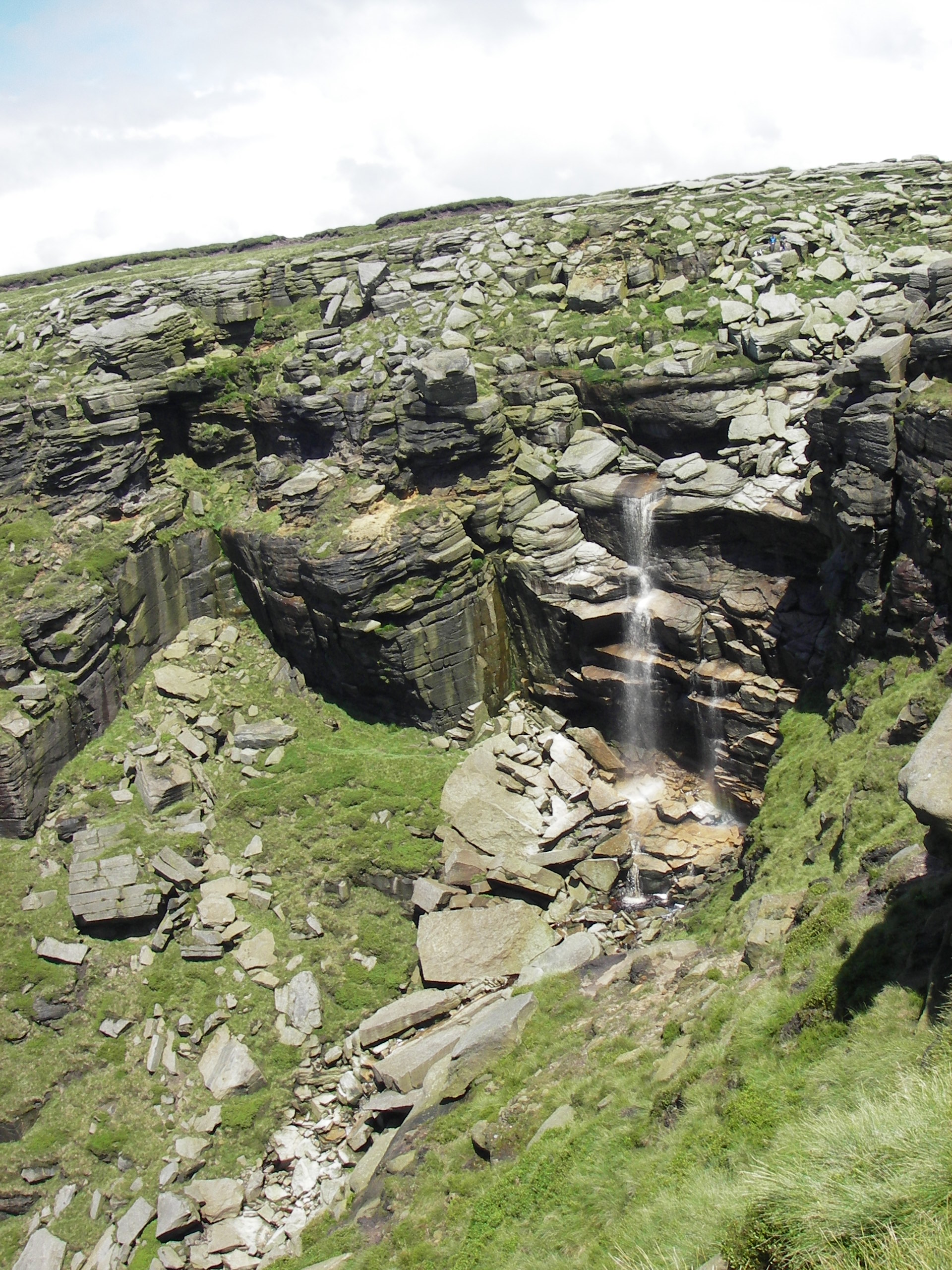
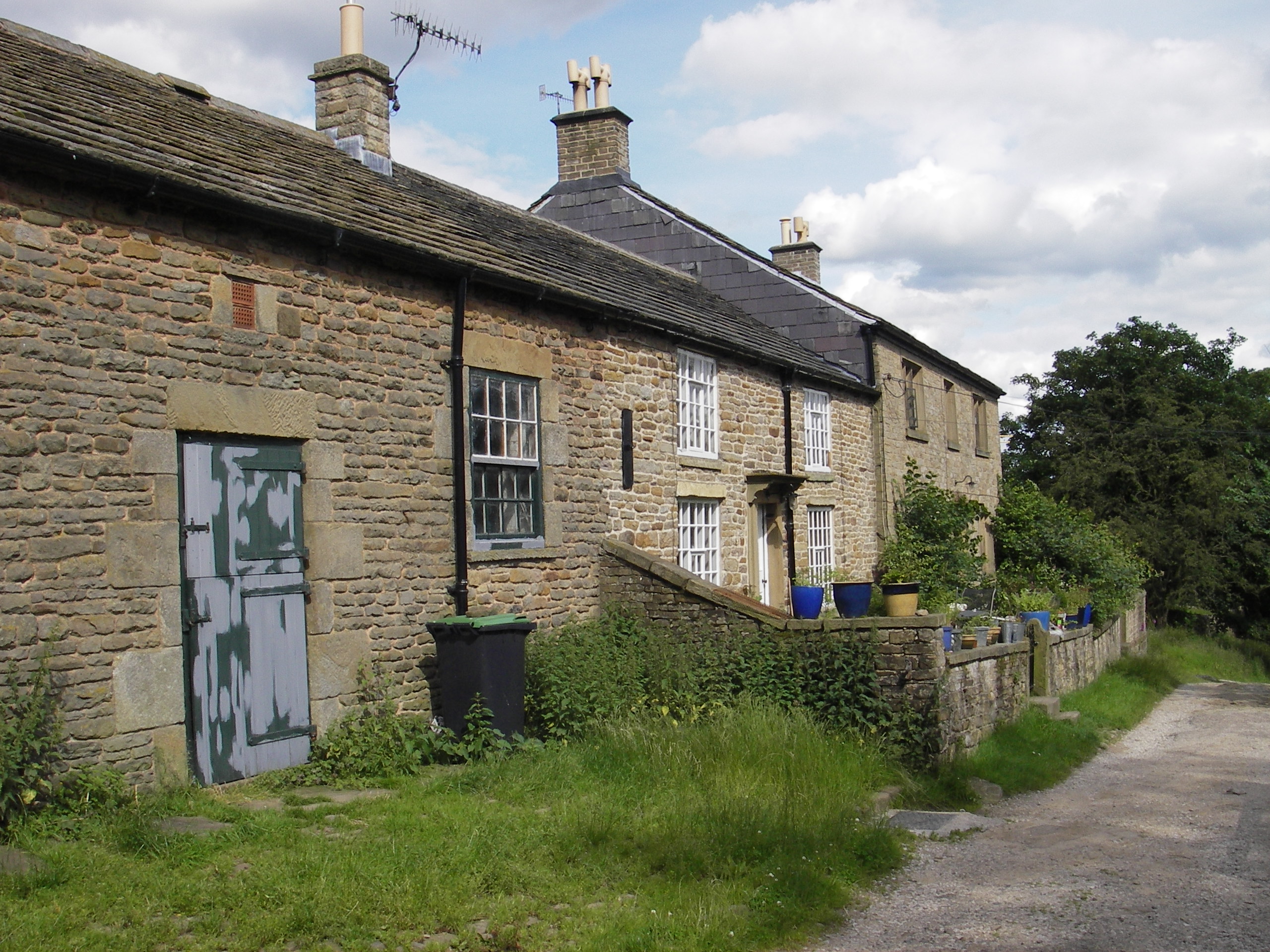
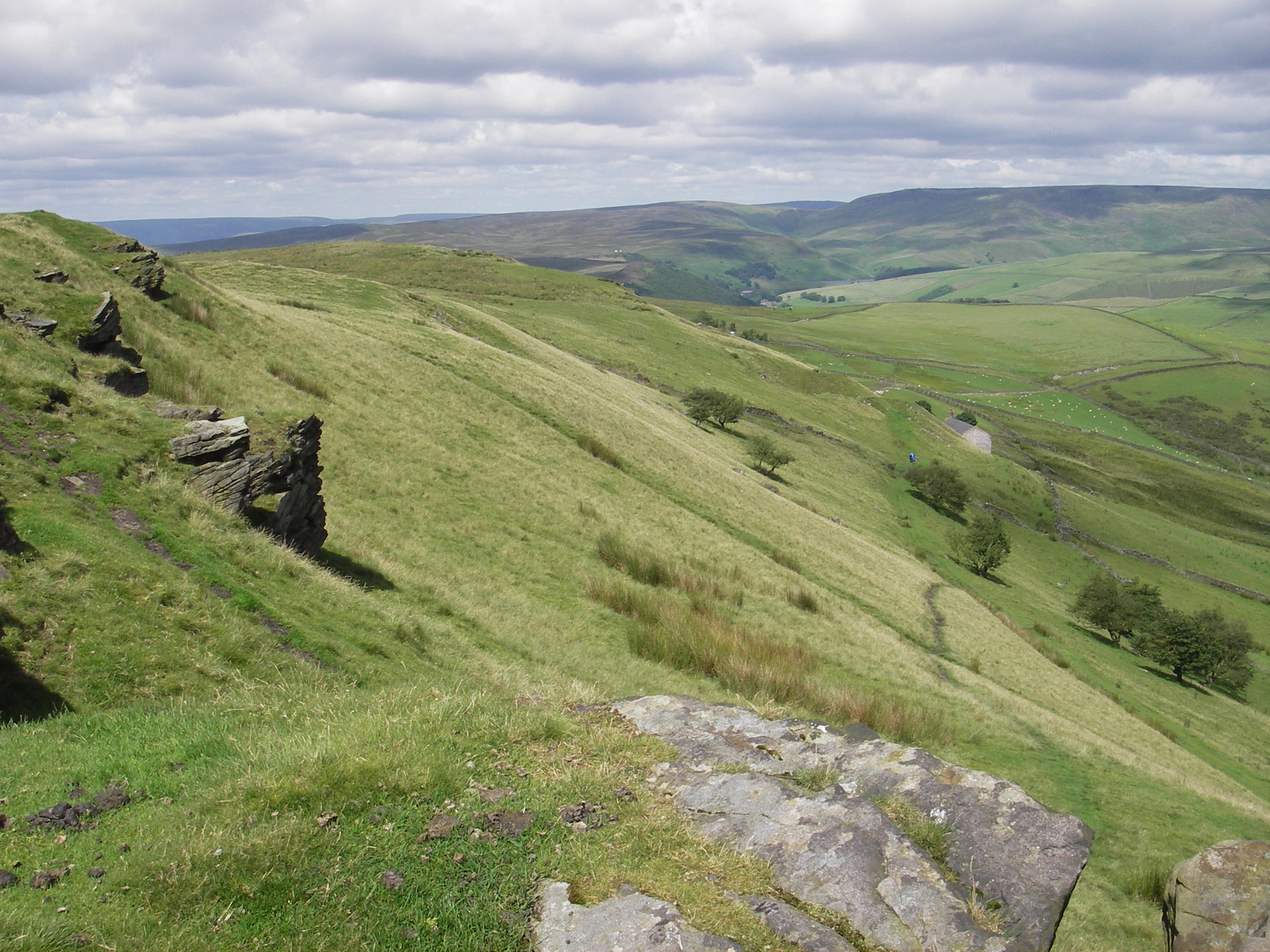
Peak District #travel #photoblog

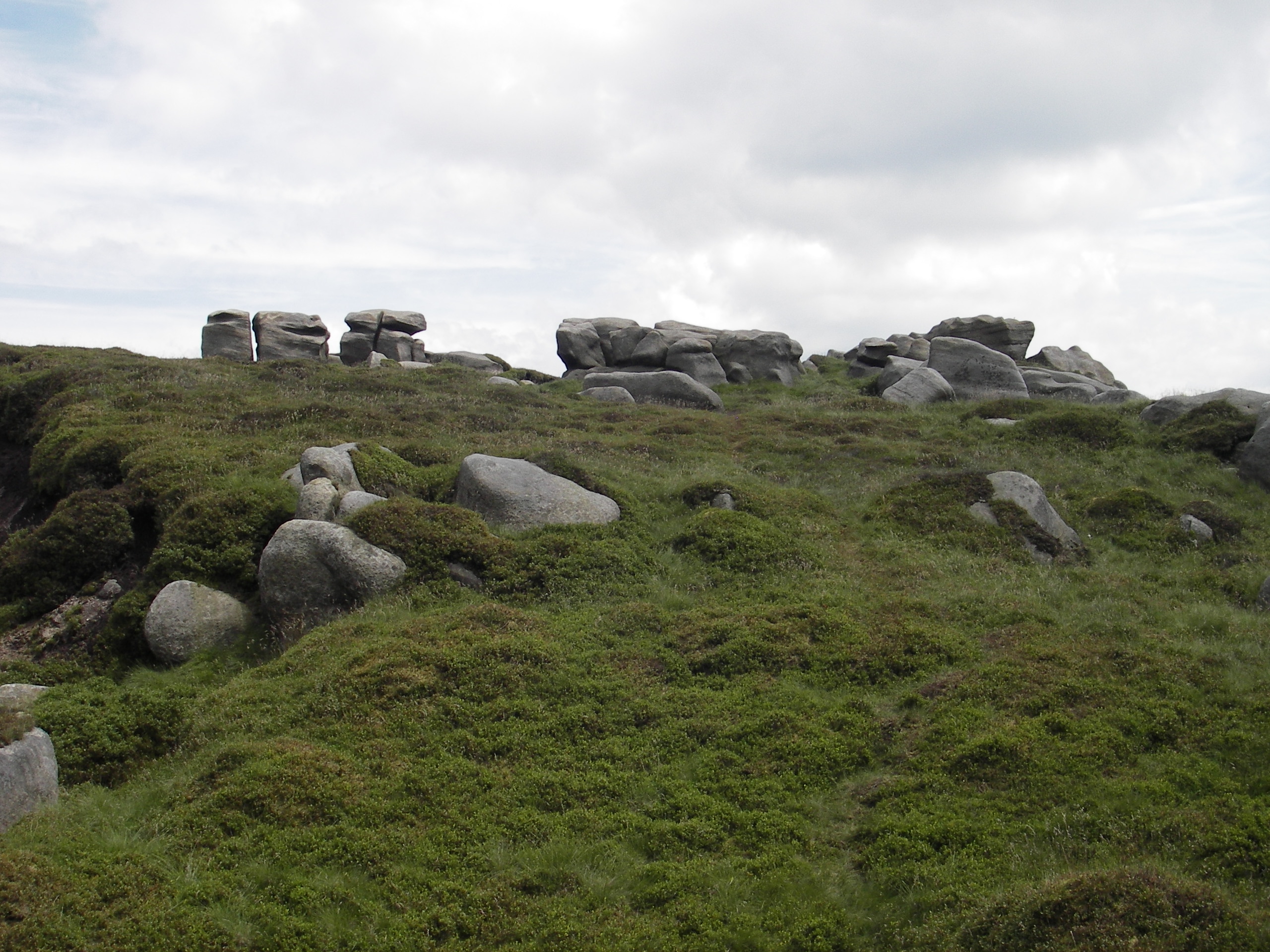
Time to start planning our summer travel again. One place we stayed a few years ago was in the Peak District, where we rented a house in Hayfield. It’s a small town at the foot of the Kinder Scout. Unfortunately I left my really good camera on the kitchen table at my brother-in-laws, so these were taken with a light-weight water proof olympus that does OK.  Wonder if it’s time to book a return visit?
IMGP3717Dusk, walking back from a pub.

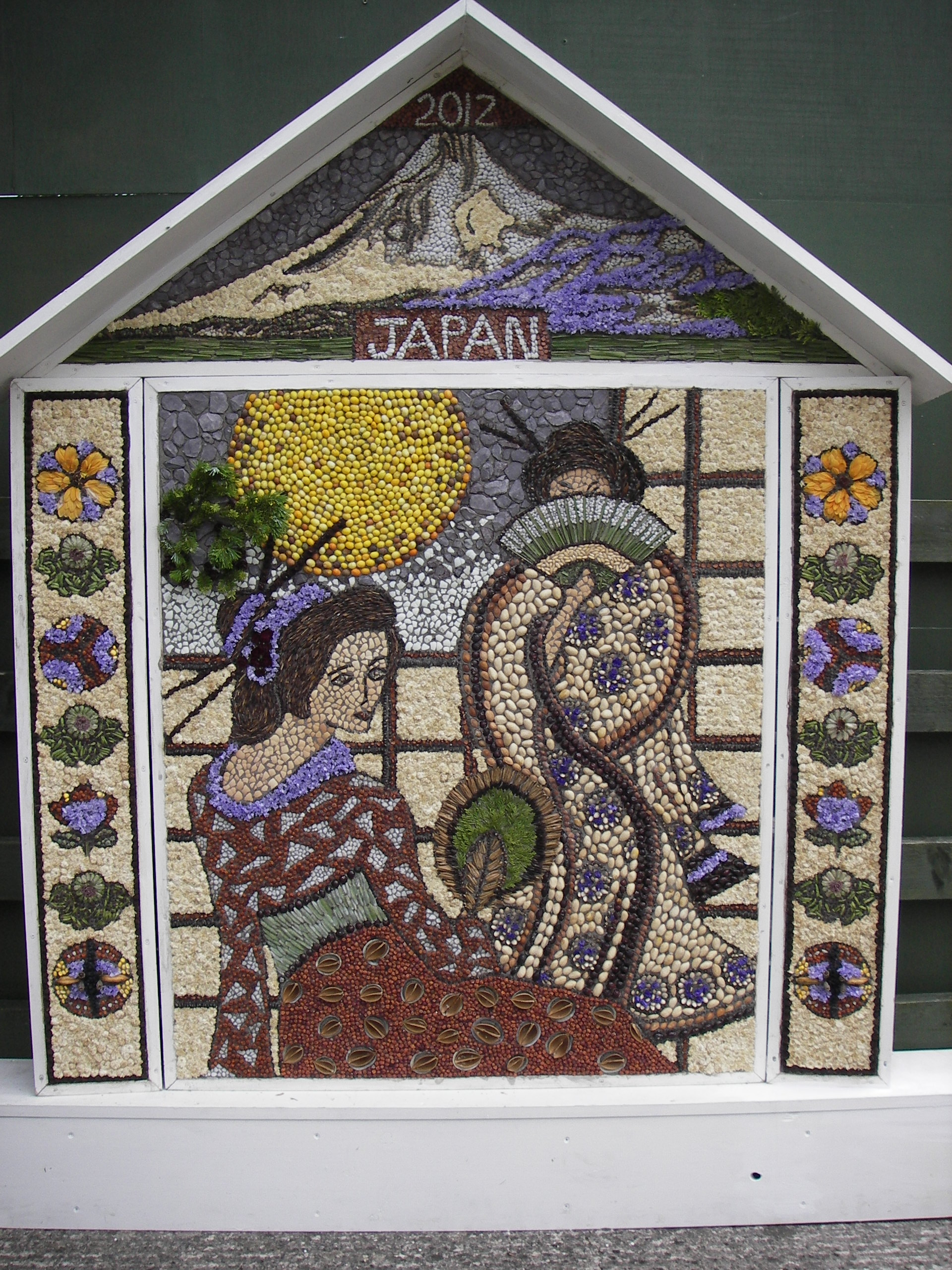
IMGP3787 One of the local customs is “well decorating” and we happened to be at the right time.

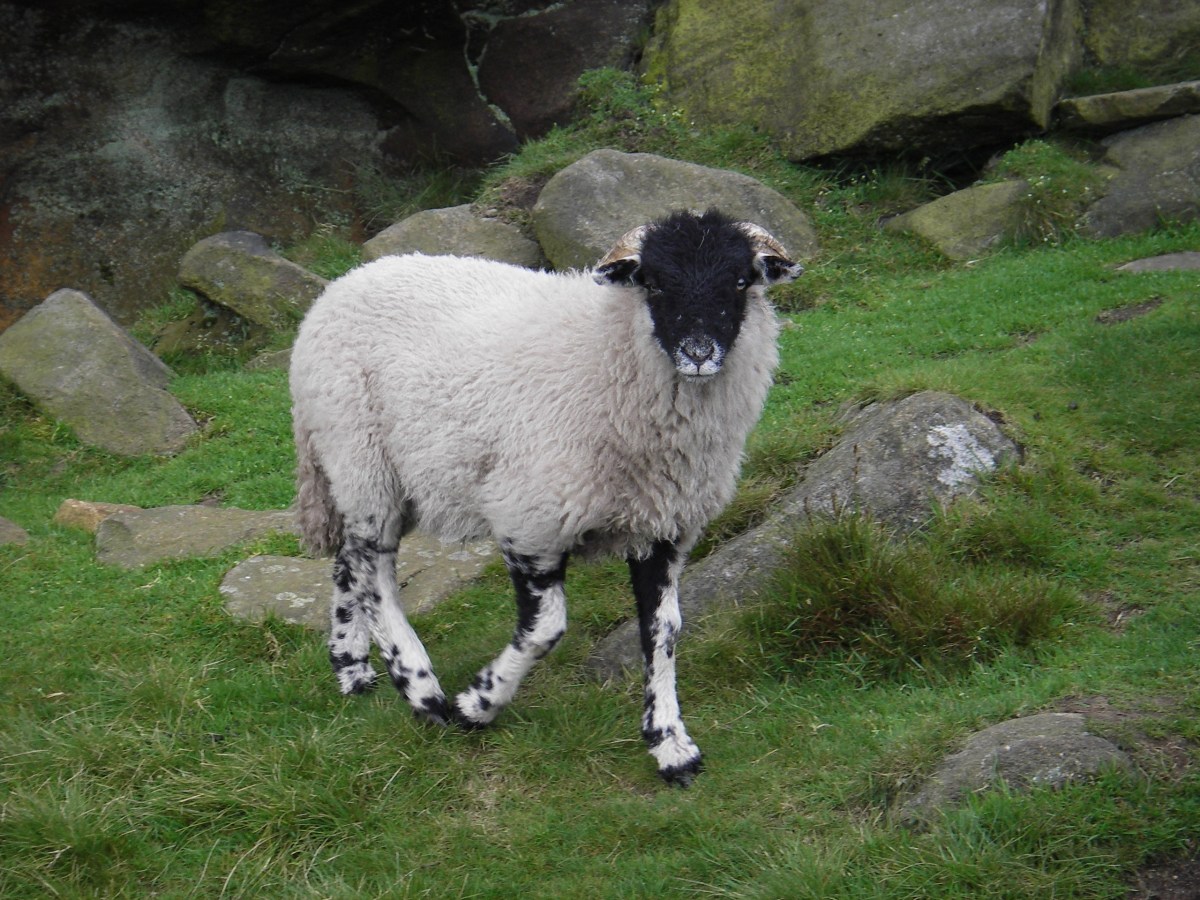
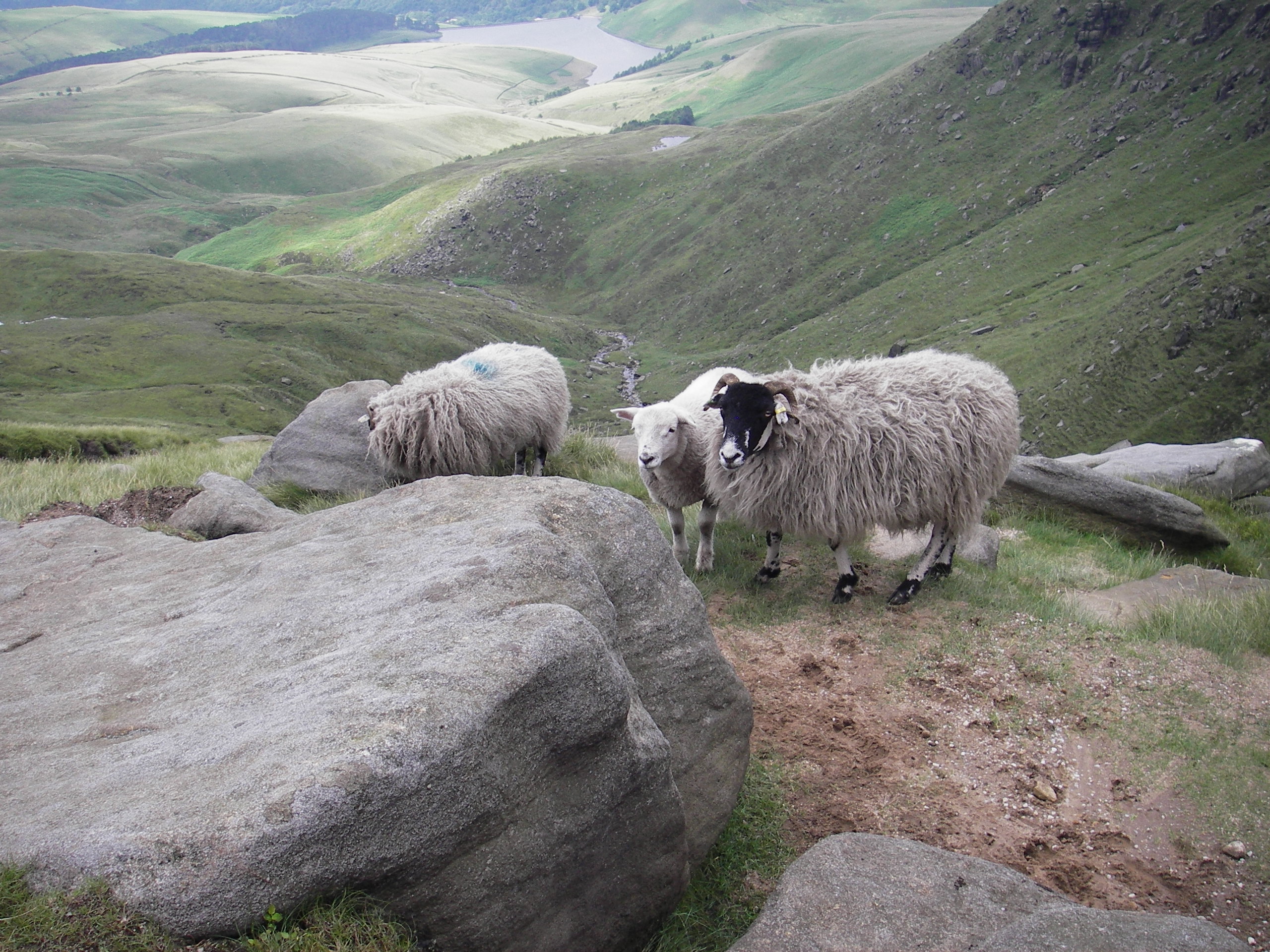
IMGP3754The semi-wild sheep are everywhere, in this case near the falls at Kinder Scout.

IMGP3755It was a dry year, what more can I say?

IMGP3860

IMGP3914

IMGP3876

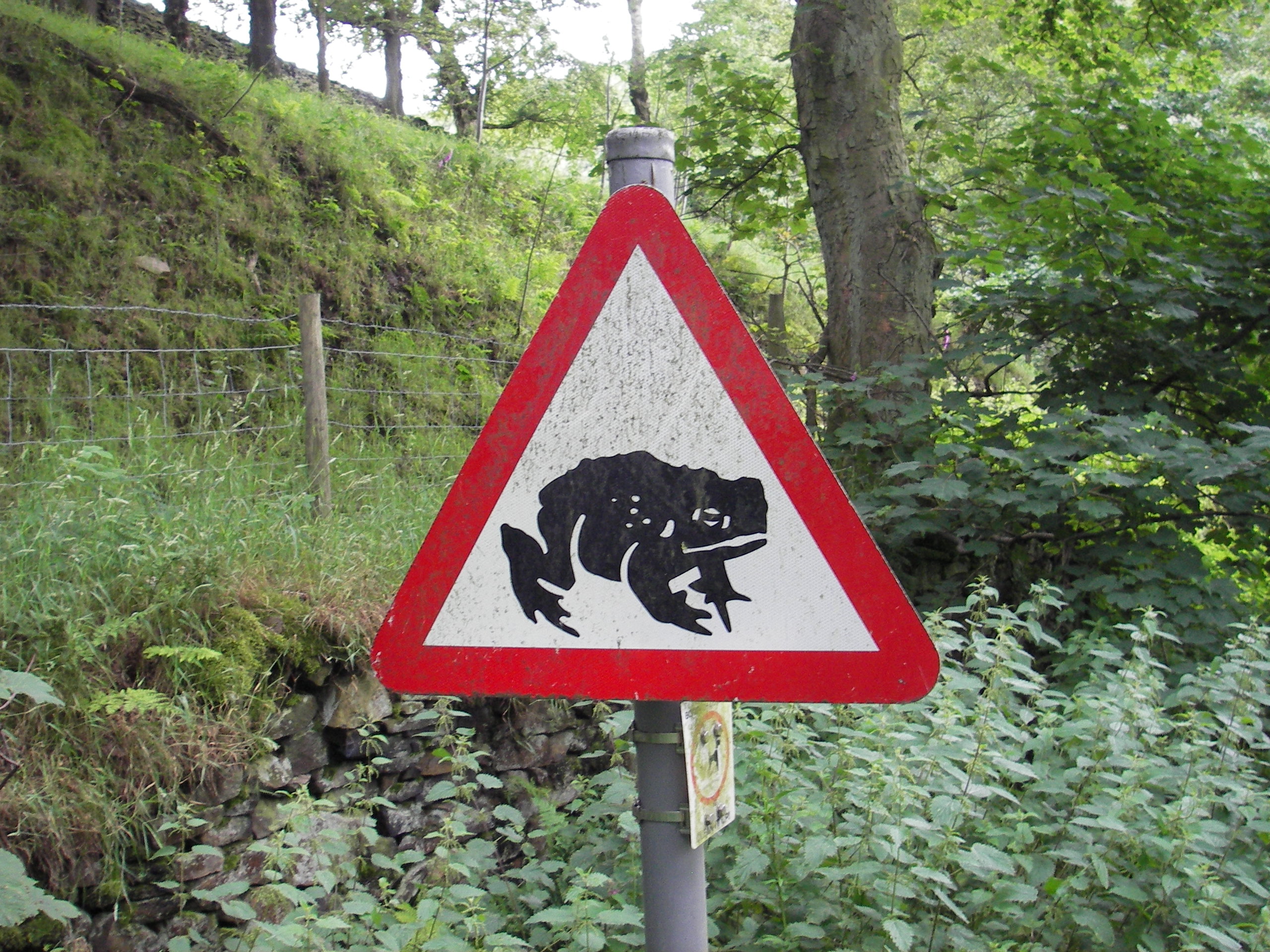
IMGP3931Beware of the Toad.

IMGP3842

IMGP3882

A Formulaic Romance, Chapter 4. #amwriting #wip #romancenovel #mondayblogs

This chapter introduces two things in the context of a country ball. The chief villain (what’s a romance without a villain?) and the plot element that motivates the characters. The plot, like all romances, is girl meets boy, then after various complications and difficulties, they figuratively ride off into the sunset together.

The chemistry, by the way, is accurate. Fulminates were first described in 1803, you can download the paper from the Royal Society, and it makes for interesting, if slightly scary reading. Imagine describing the taste of a mercury salt. Especially one that explodes. Brave men in those days. Lucky too. I wouldn’t do it.

The featured image, a cartoon from 1815, shows the consternation American work along a similar line to Rupert’s produced in the English Navy. This was serious stuff.

It continues from the previous chapter, or you can start from the beginning.

My co-author Amelia and I often put the beginnings of books on my, now our, blog. They don’t always make it to the end, but it’s helpful for our writing. This is another Regency Romance. This time without grave robbing or financial dealing and legal chicanery.

A Ball, in the Country.

George surveyed his friend when Rupert emerged from his room. “I say Ga- Rupert, that suit, it’s as queer as Dick’s hatband, positively ramshackle. I’m sure your man did his best, but I say.”

“What?”

“Have to get you to the Village. That suit, it’s at least years out of date, a sartorial solecism.”

“What’s wrong with it?”

“Can’t you tell? I suppose it was your fathers.”

“No. Mine, from … back then.”

They were joined shortly by Rachel. There was a hidden advantage at having a small wardrobe. She was dressed in record time.

“Lord Hartshorne, Rupert, you need to take care of yourself. That suit, it practically hangs off you.”

Rupert paused, then said, “I do? … I suppose you’re right, I haven’t been eating.”

“Nor dancing?”

“No, not since.” Rupert stopped. A pained expression grew on his face.

“Antonia?”

“Yes, her. I last danced with her.”

Rachel broke out in a hearty laugh, “Then your next dance can be with me. If you don’t need the practice, I do.”

Rupert flashed Rachel a quick smile. “You’re right. I’m sorry, it’s an old habit and one I intend to break. Worrying about that virago. I’m well out of it.”

“Good. Especially if we’re engaged, even informally. I could still break it off and I will if you’re still holding a candle for her.”

“No. I’m not … please believe me.”

Rachel curtsied to him, “I’d be honoured to dance with you, even more than once.”

Rupert, having thoroughly considered Rachel’s words, said, “You are right. I have buried myself too long … Please dance with me.”

George chuckled at this, “Then I’d best ask now for the second dance, Lady Hayfield. Can’t let my nephew monopolise you.”

Rachel laughed “The honour’s all mine, My Lord … My Lords.”

Lucinda, hurrying in to accompany her charge, said, “What’s this about?”

“Just arranging my first two dances, Lucy.”

“Oh, good, Ma’am.”

George said, “Miss Holloway. Would the first dance be acceptable?”

“I couldn’t. My place … with the chaperones and the mothers.”

“Lucy,” Rachel said, “Of course you could. In fact I think you should.”

“As long as it isn’t a waltz.”

George said, “I would think it will be a country dance. Gas old boy, you wouldn’t know if the Waltz has penetrated these wilds?”

Rupert ignored him.

“Rupert, then. What about it?”

“No I wouldn’t, but I’d think not.” Then he smiled at Rachel and gave her a quick bow, “Though if it has, Lady Hayforth, I must claim your hand for it now.”

****

Rachel watched the country roll by as she rode in Lord Hartshorne’s carriage. The miserable country road she and Lucy struggled down. It seemed so long ago, although not even two weeks had elapsed, passed by in comfort. Her broken carriage sat where she’d left it. The carriage wright had removed the wheels and rear axle. Until those were repaired, the broken mainbrace and other things couldn’t be finished. What was taking so long? Then she realized that it didn’t matter. She had a carriage, and Rupert would take her to London.

She turned to Rupert and said, “This carriage, it’s so much more comfortable than mine ever was. Even before it broke. Almost luxurious.”

“It is?”

“Padded seats, and dry.”

“Lady Hayforth,” he nodded, “if that’s your idea of luxury, you’ll be soon satisfied.”

Lucy nudged her mistress and whispered, “I told you he was a good one.”

George asked, “What was that Miss Holloway?”

“Just congratulating my mistress on her engagement.”

****

The orchestra, a pair of violinists, a bass and clarinet, struck up the first dance. Fortuitously it was a familiar country dance in slow time because both Rupert and Rachel were out of practice. It also gave them time to converse, though most of the time Rupert smiled at his partner. Rachel thought It’s as if he can’t believe his good luck. When they finished, he said as he bowed, “Thank you. You must think I’m a poor conversationalist, but I was counting the figures. Wouldn’t do to disgrace you with an awkward partner.”

Rachel talked more during the next dance with George. He started, “I must admit you have made a difference in the poor lad. Good thing I suggested it.”

“You didn’t, you know. Just that I try to befriend him. Anyway he had guessed.”

“Observant little tyke, my nephew. Still.” The figures moved them apart. He continued when they came together again, “Still I am surprised that he proposed.”

“Or that I accepted?”

“That too.”

“To be honest, I refused at first. Hardly knowing him, but Miss Holloway pointed out the certain evils or my choice.”

“That you might not get another offer? He’s an odd one, Ma’am. Full of surprises. I didn’t know.” The figures intervened again, “I didn’t know about his work for the army. Old Gas making bangs.”

Eventually the chords drew to a close and it was time for supper. Disaster struck. A strange man interrupted Rachel and Rupert as they walked together to the table where the refreshments were served. He was dressed in plain and simple clothes, but was clearly important. Or, perhaps, it was clear that he thought he was important.

“Miss Heppleworth.” He bowed to her.

“Do I know you?”

“Surely you’ve not forgotten me so soon.”

Rachel studied him, “Mr Harding, out of fleet prison already; who paid your debts?”

“It’s Mr Oliver, Mr William Oliver. May I be introduced to your partner?”

Rupert’s face stiffened. “I believe we’ve met as well. How to you know my fiancée?”

Mr Harding or Oliver or indeed one of several other names chosen for convenience and anonymity bowed to him and said, “I knew her father, quite well. She was promised to me.”

“I wasn’t. Never.”

“Clearly your father didn’t tell you. It was made shortly before his unfortunate demise.”

“All I know is you helped him spend his money. Left us to rusticate on a mortgaged estate that could barely support itself.”

“I shan’t ask much for a settlement, breech of promise is such an ugly idea. Very destructive of one’s reputation, even if it is ultimately voided.”

Rupert glanced at Rachel. She was pale, barely fighting off a faint.  He turned to the man and uttered “You puppy!” from his clenched mouth. Then turning to Rachel he said, “Rachel, let me help you to a seat.”

As they walked to the far side of the room, neither of them noticed the grim smile of satisfaction that coursed over Mr Oliver’s face. After he’d helped her to a seat, Rachel looked up and said, “Did you say you knew him, how?”

“That cad, that puppy, he carried the letters between Antonia and Lord Biddle.”

“Oh Lud! What a mull I’ve made.” Rachel put her face in her hands. “I wish that … that … that fellow were at Jericho.”

“What do you mean ‘I’ve made’? I fail to see that you’ve done anything.”

Rachel bit her lip and looked up at Rupert, tears forming in her eyes. “I didn’t know about him … him and that awful woman.”

“How could you know?”

“I suppose you’re right, I couldn’t have. Please believe me that I have no interest in seeing Mr Harding or Oliver or whatever he calls himself now ever again. His effrontery.”

Rupert shook his head sadly, “I know.”

“He really did lead my father to perdition with the dice box, faro table, and … I don’t know what all they did. My father caught an ague from some.” She stopped, unwilling to voice ‘barque of frailty.’ “That man played him for a jobberknowl until he was skint.”

“Don’t let that dandiprat cut up your peace.” Rupert paused, “Unless there is something you’re not telling me.”

“No. Well maybe. He did have some of my father’s vowels. They should have been settled with the estate. There could be something like those. Who knows what my father may have signed before he died. It was a desperate time, and he wasn’t truly in his right mind.”

The musicians chose this auspicious moment to start tuning their instruments for the next dance. Rupert bent down and took Rachel’s hand. “This dance is ours.”

“But?”

“We’ll talk later, I’ve had my dealings with that puppy, too. Not just with that woman.” Rupert led her to the middle of the floor where they started the line for the next dance. It felt to Rachel as if everyone in the room were staring at them. Sir John certainly was. Rupert bowed to him and said, “I should like to lead this dance, with my newly affianced wife.”

“Oh,” He laughed, “I guess you meant what you said.” Then he tapped on a glass and shouted to get attention. “Dear guests, before we begin, a toast – to our neighbour Lord Hartshorne and his intended. Newly engaged. May their marriage be long, and happy.”

Rachel thought, If it isn’t happy, it will certainly be long, then she shook her head and studied Rupert. It will be happy. I will make certain of that.

Mr Oliver started to object, when he felt a firm hand on his shoulder. It was George. “You, sir, are coming with me. This is the last time you will bother Lady Hayforth. Do I make myself clear?”

The dance started with both Rachel and Rupert lost in each other, both too overcome with emotions to say much.

Part way through the dance, George re-entered the room, dusting his hands. He strode to his host, Sir John and said, “That’s done. What ever possessed you to invite such a rotter?”

“He’s the man of the moment. Helped break those revolutionaries in Pentridge, at great personal risk.”

“Knowing him, I doubt it.”

“I must remind you I’m the host, and General Byng will be most displeased when he hears of how you’ve treated his best agent. A real British hero.”

George indicated his lack of concern when he said, “If you say so. I don’t know the general well, but I’m good friends with his cousin Poodle. I think I can weather the storm.”

****

Once the ball was finally over, in the carriage home, Rachel asked, “What happened to that man?”

“Mr Oliver?” George said, “I suggested that he make an early night of it.” He smiled, “rather forcefully I might add.”

“And Rupert, my love, you said you’d known him.”

Rupert hesitated, then said, “Yes … he offered me money … to see, make a copy of what I was doing for the army. I think it was when I refused that he introduced An- that woman to Lord Biddle.”

“What were you doing, Gas … Rupert that would be worth money?”

“I guess what I did is not really secret, the secret details aren’t interesting anyway. You’ve shot with one of those scent-bottle locks George.” Rupert stretched back in his seat, ready to be expansive.

“Dashed good gun. Yes. Faster and more reliable than my Manton.”

“The Army thought so too. Started working on them in the Tower Armoury. They came within aces’ aim of levelling the place with all the fulminate they made. Guy Fawkes would have been delighted. His Majesty less so.”

Rachel and George leaned forward to hear every word. George said, “I see. So…”

“So I worked on more stable fulminating mixtures. Oxymuriate of potash, various … fillers to make it more stable. I was, ah, more than moderately successful. Had the war dragged on, it would have made a big difference. General Shrapnel’s shells with my fuses, mayhaps on rockets. Torpedoes that exploded on contact. Can’t say too much more. It would have been ‘interesting’ to say the least.”

Rachel gasped, “So he was a French agent?”

“Maybe. More likely working for the highest bidder – French, American, those damned Prussians or even the Tsar.”

“Good Lord Nephew. I never knew. Just thought you were playing around.”

Rupert laughed, “I’m not saying it wasn’t fun, but I’m glad to work on safer things.”

Lucy, who had been quiet because she was tired and had consumed more than her share of the punch, said, “I bet Lady Hayforth is too.”

A Formulaic Romance, Chapter 3. #amwriting #wip #romancenovel

Things get more serious in this sweet romance. Lord Hartshorne isn’t as clueless about his Uncle’s machinations as he seems. He decides that this young woman will do. She’s not as dashing as his lost Antonia, but presentable, friendly, and more importantly not likely to hurt him. Life together won’t be passionate, but it will be comfortable and companionable.

It continues from the previous chapter, or you can start from the beginning.

My co-author Amelia and I often put the beginnings of books on my, now our, blog. They don’t always make it to the end, but it’s helpful for our writing. This is another Regency Romance. This time without grave robbing or financial dealing and legal chicanery.

A Serious Chapter.

Next morning, the rain, having finally, finally broken, George, with the time hanging heavy on his hands, found Rachel and Lucinda at breakfast and said, “I feel like a ride. Do you ride Miss?”

“I used to.” She grimaced, “Sold my hunter to pay for this trip so in a sense I’m wearing her.”

“That’s too bad. Rupert used to keep a good stable. He’s let it go in the last years, but I’m sure there’s something worth throwing a leg over. Would you be willing to accompany me on the downs?”

Lucinda gushed, “Yes. I like to ride as well.”

George bowed to the inevitable chaperone, and realizing that Lucinda was better company than most chaperones, rose and bowed. “I’ll inquire about the horses and see if there are side-saddles.”

After he left, Lucinda turned to Rachel and said, “What an elegant man.”

“Yes, A pity he’s engaged … to a Miss Deacon, his ‘Charity.’ The good ones all get taken. I think we’d best hurry to London before they’re all gone.”

“Don’t be so cynical. There’s always, what was it Lord Beddlington called him? Gas.”

“He’s handsome enough, I’ll grant you, but so dashed odd. Buried in that workshop of his.”

“You can change that, can’t you? Or at least take an interest in his work.”

“I suppose.” Rachel studied the room, found it lacking inspiration, and finally said, “I suppose I could change my name to Sodium, Natria or something elemental. Then he’d like me.”

George overheard that as he entered the room, “I wouldn’t, Ma’am. Rachel is a pleasant, if unusual name.”

“My father found it in the Old Testament. Could have been worse, Delilah or Jael. What did you find about the horses?”

“I found Brindle and he sent a footman. Unfortunately, he remembers only one serviceable side-saddle. If that.”

Lucinda’s face fell. “So a groom will accompany you.”

“Unfortunately, yes.” George bowed gently again, “I should much rather have both your company.” As he straightened he smiled at Rachel, “Lady Hayforth, I await your pleasure.”

****

Upstairs, in her room, Lucinda pulled Rachel’s riding habit from her trunk and brushed it down. She said, “Sad, isn’t it, that you haven’t had many chances to wear it? Since selling your mare.”

“I don’t know, Lucy. You enjoy riding much more than me. Why don’t you wear it and ride with Lord Beddlington?”

“I couldn’t.”

“Well, I shouldn’t.”

“What do you mean by that?”

“I’ve seen it in his eyes and … his smile. He likes me, and quite frankly, I like him. But he’s engaged, off the market. It would never do to become more than just friends with him.”

“Oh, and you think I’m safe, that he won’t look at me, that I’m too plain?”

Rachel laughed, “I didn’t mean it that way, but you are safer. Besides, he asked me to tempt Lord Hartshorne into going to London, and I’d best be about my business.”

Lucinda hesitated, so Rachel continued, “You’re doing me a great favour, and in any case I’ll have a chance to parade in Hyde Park on one of Lord Bromley’s nags whenever I’d like. You won’t.”

Lucinda allowed herself to be swayed. When the two women returned to the parlour, George stared at them.

“I thought, Lady Hayforth that you and I would ride.”

“Miss Holloway is the better rider.”

“Am not.” Lucinda added in a whisper.

“Is the better rider, and I’d best be about completing that task you set me. I won’t succeed if I don’t pay attention to his Lordship.”

George nodded, “Yes, there is that … Miss Holloway, pleased that you will ride with me.”

Lucinda said, “I hope that you’re not too disappointed.”

“No, not at all.” Rachel caught the hint of disappointment in his voice. It’s for the best.

****

Left to her own devices after they left, Rachel found her way to the front parlour. A spinet, dusty and disused, but surprisingly still close to in tune sat in a corner. She started playing, first from memory, and then from a piece of sheet music.

Lord Hartshorne startled her and she stopped playing, “Lady Hayforth?”

“Yes?”

“I … should like to … apologize. Last night.”

“For what?”

“I had intended to return, to keep you … and George company. It’s just … Well, I became distracted in my notes.”

“That’s what I thought. Do you mind if I keep playing?”

“No. Please do … You play very well.”

Rachel resumed playing, but continued to talk. “I thought you would be in your laboratory today.”

“Usually, but not today. Not when I have.” He paused for more than a moment, “To be honest, I caught a few too many breaths of the fumes, and need to let my lungs clear.”

“I thought you were going to say, ‘not when I have company.’”

“That too. It’s just.” Rupert couldn’t overcome his shyness.

“It’s not Antonia, is it?”

“How do you know about her?”

“Your uncle.”

“George needs to keep his mouth shut. Yes it is. Your playing, it reminds me of her.”

“Should I stop?”

Rupert stared out the window. The grey skies from the last few day’s rains were gone. He could hear the birds and imagine the fresh smell of the drying earth outside. He turned back and said, “No. I liked, I like music.”

Rachel stopped for a moment, nonetheless. “Do you play?”

“A little, I haven’t in years. Not since …”

“This is a duet. The bass part is simple. Would you-?” She blushed. It was putting herself forward.

“Join you?” Rupert studied the window again, then flexed his fingers. “I’ll try. It’s been a long time since I’ve played.”

Rachel scooted to the side of the bench to make room for him. When he sat next to her she thought, He’s so thin, needs to look after himself … needs someone to look after him.

Then they played together. It wasn’t exactly the best performance, and certainly no one would have thought either of them an adept, but it didn’t matter. They were lost in the music. Together.

Eventually the piece came to an end. Rupert said, “I haven’t sat this close … I mean played a duet with … not since Antonia.”

“I’m not her.”

“I know.” Rupert sat quietly. Rachel could see the confusion in his face.

“Tell me about her, if it would help.”

“Not much to say. A beauty. I thought, no I was in love with her. I thought she was in love with me. We were …”

“Engaged?”

Rupert nodded, “Then she eloped with Lord Biddle. Didn’t even leave me a note.”

Almost unconsciously, Rachel reached for his hand and squeezed it. “It must have hurt.”

“It did.” Rupert turned to face her. After studying her face for what seemed a very long minute he said, “But that’s over.”

“Good.” Rachel suddenly felt a little breathless. She sat too close, too alone, to a man. Not only that, she held his hand. Without gloves. The bleached streaks and white pallor of his skin accentuated the darkness of his eyes. She sat too close to a far too handsome man for comfort.

Rupert only made it worse. “Marry me.”

“What?”

“Marry me.”

“Lord Hartshorne,” Rachel rapidly backed away and tried to stand. Only to trip on her gown and land on the floor.

Rupert calmly moved over and helped her up. “I’m sure George has, by now, asked you to help shift me to London.”

“How’d?”

“I know my Uncle. For that matter, I could tell something was up, from Mrs Hobbes. The way she smirked this morning. What did he offer you?”

“To help pay for my season.”

“I see. A bit mercenary?”

Rachel laughed, “No, a bit desperate. Lord Hartshorne,”

“Rupert.”

“Rupert, then. I hardly know you, and you hardly know me. How could we possibly wed?”

“I like the way you play your instrument, and you’re beautiful. You handled my … impoliteness with grace.”

“That’s not enough and you know it. Or you’d know it if you thought it through.”

“I thought it through with Antonia. Should have just kept looking.”

Rachel saw a flash of distress on his face.  He still is in love with her. “Are, are you sure? I, I can’t.”

“It won’t be passion, I’m done with passion, but I can offer you comfort, comfort and security … I think we should get on well enough. Learn to love each other in time. So what about it?”

“I can’t say yes. You know that.”

Rupert’s face fell.

“But I won’t say no. How would ‘maybe’ work for you? You’re not unattractive.”

“That’s damning.”

“Alright, you’re handsome, and you don’t seem vicious. I’m willing to see if it works. Will that do?”

“Maybe.”

“It’s better than no.”

Rupert chuckled. “You’re right. Maybe will be first rate.”

“And you’ll come to London with me?”

“I’ll bring you to London. If only to show George that he shouldn’t trifle with the head of the family.” Rupert’s smile broke into laughter.

“What’s so funny?”

“I’m just imagining the expression on my step-grandmother’s face when I turn up with a dashed good-looking armful.”

Rachel’s attempt to question Rupert about why that should matter was interrupted. Lucy stood in the door and shouted, “Miss Rachel, what are you doing? Alone with a man.”

“It’s fine Lucy. Lord Hartshorne has been a perfect gentleman. We were-”

“That is as may be. But you shouldn’t be alone with him.”

Rupert rose, bowed and said, “Miss Holloway, how was your ride?”

“It was exquisite. Now Miss Rachel, come with me. We will have a conversation, about your deportment.”

Rachel gave Rupert a wan smile, “See how I’m managed.”

“It’s for your own good, Ma’am.”

Upstairs, in Rachel’s room, as she helped Lucy out of her riding habit, she asked, “How did it go, really?”

“It was fine. The mare was a little barn-soured, but nothing I couldn’t handle. Lord Beddlington was nothing if not a gentleman.”

“Exactly what I’d expect of him.”

“It is. What, may I ask, were you and Lord Hartshorne doing?”

“Playing the spinet. I found a duet. We played it together.”

Lucy chuckled, “Since you haven’t practiced, in … I don’t know, ever so long. I’m glad I was out riding.” She noted that Rachel was unusually distracted, thoughtful. “Did something else happen?”

“He, he asked me to marry him.”

“I hope you accepted, much nicer to be engaged. It’ll solve no end of problems.”

“I didn’t.”

“You didn’t refuse him!”

“I didn’t. I said maybe.”

“Whatever possessed you? You know your situation, and … Good Lord Rachel. Get yourself back down there and tell him you accept his hand.”

“But?”

“But nothing young miss. He’ll make you happy. Happy enough.”

Rachel sighed, “I suppose you’re right.”

“I am. You know I am. With the war there aren’t enough able and eligible men left, and things are so tight with so many soldiers returning from France. We saw a mob.”

“You did?”

“I’ll tell you after you’ve talked to Lord Hartshorne. Lord Beddlington and the groom went to find the local magistrate.”

“Can you come with me?”

“Support you in your time of crisis? If you insist.”

Accompanied by her companion, Rachel returned to the study. Then she rang the bell for the servants. When Mr Brindle appeared, she asked him if he’d seen Lord Hartshorne.

“I believe, Ma’am, that he was headed to his workshop.’ Mr Brindle’s well-trained impassivity concealed his intense curiosity. “I could, if you desire, show you the way.”

“Please.”

Rupert was in his laboratory, with the window open, while he worked through his notes. Rachel’s nose puckered at the remaining smell, the peculiar tang of chemistry. “Lord Hartshorne, Rupert,” She curtsied, “About what you asked me.”

“Yes?”

“I had the time to think, to gather my thoughts. I shouldn’t have said maybe.”

Rupert’s face tightened with worry, then relaxed when he saw she was smiling at him.

“I should have said yes.”

“Do you mean that?”

“That I should like to marry you? Yes. Why would you think otherwise?” Sensing his disbelief, she continued, “I should think there’d be a queue. You’ve such a lost, helpless, romantic look. Childe Harolde or Florian personified. Besides, you told me you were done with mourning that woman.”

Rupert flashed Rachel a quick smile. “You’re right. I am done with her. And you’ve made me the happiest man.”

“Good. Especially if we’re engaged, even informally. I could still break it off and I will if you’re still holding a candle for her.”

Rupert shook his head, “Antonia is at most a bad dream, one … I think you’ve helped me wake up from it, my love.” He paused for a few moments thought. “We’ll need to attend to the settlements, my solicitor is in London.”

“Good thing we’re going there anyway. I’d like the chance to dance with you. To have a season. I’ll write to my cousin Lord Bromley … he was my guardian and will know what should be done.”

“You can do that while I finish my notes. I still intend to present my work at the Royal Academy. Then I’d love to show you the downs. My farm.”

“A walk?”

Rupert nodded, and then glancing at Miss Holloway, added, “If your companion approves.”

Lucy replied, “I should love to accompany you, as long as it’s not too muddy.”

****

When George arrived back at the Hall, he found Rupert, uncharacteristically, enjoying a nuncheon with Rachel and Lucinda. Even more uncharacteristically, he was smiling.

“What did I miss, Gas?”

“Rachel has made me happy.”

George frowning, glanced at her and said, “That was fast work my lady.”

She replied, “It was Rupert who asked me. He’s the fast worker.”

“I see.”

“We played a duet on the spinet.”

“And on that basis he asked you to marry him?”

“Yes. Is there a problem?”

“I’ll talk to you later.”

Rupert added, “We were wondering if a double wedding were in order, Uncle. Do you think Miss Deacon would mind?”

“I think she’d be delighted … At least I’d hope she would. Have you written Lady Beddlington yet?”

“No, which reminds me. There was other thing I wanted to discuss. When should we put the formal announcement in the Gazette? Rachel thinks not until the settlements’ been negotiated. What did you do with Miss Deacon?”

After giving Rachel a hard stare, George said, “I’d keep it quiet – for the moment.”

Rupert said, “You haven’t answered my question.”

“I will post my announcement when I return to London. It was only polite to ask the head of my family first.”

After they’d finished eating, Lucy chaperoned Rupert and Rachel as he showed her the downs. George insisted on tailing along with them. As Lucy and Rupert walked ahead, he dropped back with Rachel.

“Do you know what you’re doing?”

“I like Lord Hartshorne, very much, if that’s what you mean.”

George stopped, then surveyed the field of still-green corn beside the path. The heads were starting to fill out and the wind made waves as it blew along the down.

Rachel continued, “I’m sure I’ll grow to love him and he to love me. We’ll suit, both practical rather than passionate.”

“That’s not what I mean. Oh damn.”

“You’re engaged too. What would Miss Deacon think?”

“I mean, you’re too good for him.”

Rachel looked away and grimaced, “I doubt that. You don’t know me very well then.”

“You’re right. I don’t know you well enough.”

“Besides,” she laughed, “he’s the best available. My cousin, Lord Bromley, wasn’t enthusiastic about my chances at the marriage mart in London. If your nephew likes me enough to make me comfortable, then who am I to argue?”

George shook his head, “Yes. I’m sorry. Viewed in a practical light you acted with sense. I wish you well. At least you won’t run off like Antonia Green. That really did hurt him.”

“I can safely promise you that won’t happen. Lord Beddlington –“

“George.”

“George, I’m conformable. I’m sure I’ll be happy with Rupert and do my best to make him happy. What more can one hope in marriage?”

“Not much more. I hope it isn’t marry in haste and repent at leisure.”

“It won’t be.”

George looked up the path, “They’re getting ahead of us.”

“So?”

Lord Hartshorne and Miss Holloway waited at the top of the hill. Rupert pointed at a smudge in the distance. “General Byng’s camp. The town of Pontefract beyond.”

Lucy squinted, too vain to wear the spectacles she required to see clearly, and said “It is?”

When they caught up with them, George drew a deep breath and said, “I forget Gas … sorry, Rupert, how much I enjoy the freshness out here. Even with the occasional whiff of cow, it’s far better than London. Clean air, nothing like it.”

“Rupert,” Rachel asked, “You were showing something to Lucy. What was it?”

“General Byng’s camp. The 15th Hussars. What with all the troubles, I’m glad they’re nearby.”

“Troubles?”

“That meeting in Nottingham several weeks ago, and the march on Butterly. A bad business.”

“Not that they don’t have a point. The corn laws.”

“I know. It’s just we’ve fought to put down those nasty Frogs and now … ”

“We’ve fought?” George said. “I didn’t know you had a commission.”

“I didn’t, but I did work on things. Things for the army, the navy.”

Rachel asked, “What kinds of things?”

Rupert smiled, then held up his hands, spreading them. “Can’t say too much more. Still have ten fingers. I was luckier than most.”

A horseman rode up to them and haled them with a voice practiced from years of running to hounds. The squire and local magistrate of the parish, Sir John Tennant called. “My Lord, I haven’t seen you out this year. Never with such fair company.”

Rupert bowed his head gently, acknowledging Sir John with what he felt to be the proper amount of condescension.  “Sir John, may I introduce my Uncle, Lord Beddlington, Lady Hayforth and her companion Miss Holloway?”

“Delighted to meet you. Chasing the young ladies again, at last?”

“More than just a chase, Sir John. Lady Hayforth has agreed to be my wife.”

“Good lord, I didn’t think you had it in you … I say, I didn’t send you an invitation since I knew you’d refuse, but this changes everything. I mean if you’re entertaining company again.”

“An invitation?”

“A ball, informal of course, at the manor. Tomorrow night. There’ll be officers from the 15th, maybe even General Byng himself.”

“I think,” Rupert said, “I don’t know. Lady Hayforth what do you think?”

“I think I’d like to dance with you.”

“Then it’s settled. Tomorrow at the manor. Thank you.”

Sir John tipped his hat and cantered off.

****

That evening, after supper, Rupert joined the others in the parlour. After whispering something sweet to Rachel, which made her blush, he said, “George, old boy, what are you reading?”

George looked up from the sheath of papers he studied, “A letter … from Miss Deacon, Charity. I picked it up when I rode into town.”

Rachel couldn’t help but ask, “How is she? It’s obvious she likes to write. How many sixpences did that cost or did she get it franked?”

“Enough.” He laughed, “I’d say she crowned me with this letter. Half-crowned me at least. She took me to task for not writing recently, but this is mostly about the book she wants me to read. Improve my mind.”

“Which book?”

“The critic of pure reason, by Kant.”

“I’ve not read it. Is it interesting?” Rachel said.

“Wouldn’t know. Trouble is, I left my copy at home. Only expected to be away a day or so … What am I going to do? She’s expecting cogent answers by return post.”

“Oh dear.”

Rupert cleared his voice and said, “It’s a dense tome but he builds a strong argument for the existence of a common human mentality that foreshadows or shapes our understanding of the world. Indeed, he argues that without a preformed model of our experiences learning would be, itself, impossible.”

Everyone was silent until Lucinda said, “Was that German? Could you try it in English?”

“There must be a pre-existing mental structure in our brains that interprets our senses. In order to communicate, we must share a similar ideal or vorbestehenden modell of the world.”

“Oh. Interesting.”

“It is. You need a copy of his work George?”

“Do you have one?” George relaxed, “You’ll save my life if you do. Charity can be cutting when she’s upset.”

“Well thumbed. A fascinating work.” Rupert rang and when Mr Brindle appeared he said, “Can you get my copy of Kant’s Critique from the library.”

“Certainly sir.” A minute later he returned with a thick book. “Here it is.”

“Thank you. It’s for George.”

Rachel laughed when she saw the book, “A little light reading, Lord Beddlington?”

“The light of my life wishes I’d improve my mind, bring it up to her level, or at least closer to it.”

“I see, Sir.” Mr Brindle’s voice was dry, expressing his concern in the only way open to a servant.

George took the book from him and tried to read it, starting from the beginning of the eight-hundred pages of dense convoluted German.

“I say Gas,” he blurted, “This is in German.”

“Don’t you know German? It’s a language of great expressiveness.”

“Ein glass bier, bitte. Not much more than that. Enough to entertain the Prussian officers when they visit London. You don’t have an English translation?”

“No, and in any case it would be even longer. English isn’t as expressive as German.”

Rachel saw the distress on George’s face. “Lord Beddlington.”

“Please call me George. We’re all friends here.”

“Lord Beddlington, surely you can explain the circumstances to Miss Deacon. It wasn’t your fault that you were detained longer than expected.”

“I can try. Charity has fixed ideas about things, and philosophy is one of them. Bright woman you know. More educated and witty than I am.”

“I can’t imagine that she would hold it against you, especially if you showed up with flowers or some small gift.”

Rupert chuckled, “Was that a pun Rachel?”

“A pun?”

“I can’t.” Seeing that she didn’t understand him, he continued, “Immanuel Kant, I. Kant.” Overcome with his own wittiness he laughed.

Lucinda and Rachel eventually joined in.

George groaned, “What am I going to do?”

“Tell you what, Uncle. Read her questions to me and I’ll help you with the answers.”

“Like back in school?”

“Precisely, and I only ask one thing in return.”

“Anything Gas.”

“Please stop using that nickname.”

“As you say, Gas …

 
The featured image is “The New Spinet” by George C Kilburne.
In London, waiting. #Fridayreads

An excerpt from the Curious Profession of Dr. Craven. Available at fine bookstores everywhere (Actually just Amazon).  This excerpt is from about halfway through the story. Cecelia (Henrietta) has recovered her memory and has been spirited away to the Village and out of the company of the good doctor.

London.

Impatient for the settlement, Lord Patterson insisted that the family take up residence in London as quickly as possible. Barely a week later found them ensconced in George, Baron Clearwater’s townhouse. The elegant building, which had come with his wife, had been more than large enough for the two of them. Now with Lord Patterson’s less than temperate behaviour, and Cecelia’s sulks, it seemed far too small.

“Ellen, my love,” George said one morning as they walked down the front steps for a morning perambulation, and to get away from their relatives. “As much as I love and respect my father, I wish he could be more sensible.”

“I find him amusing.”

“His singing didn’t wake you last night?”

“Was that him? I thought it was one of those balladeers or hurdy-gurdy men. He’s missed his calling in life.”

George smiled at Ellen. Her willingness to see the humorous side in his dreadful family was one of the reasons he loved her. That, and her good sense. “I’m glad you found it amusing. Still, what are we going to do about my sister? That Sharpless fellow is due any day now, and she can’t meet him with weeping eyes.”

“I wish she’d forget about that doctor. It’s a pity the season hasn’t started yet because she’d soon lose herself in balls, dancing, and officers.”

“I suppose you’re right. I’d like to get her out of the house, would you like an expedition to the orchards in Kensington?”

“Watch the harvest?”

“It’s better than staring at the walls, and the air might remind her of the country.”

“Good idea, and while we’re out, let’s stop at a bookseller and find a copy of ‘The Picture of London.’ There’s bound to be something she’d like.”

“Just like a woman, Ellen, finding an excuse to shop. We’ll look like silly noddys doing that, green fellows just up from the country, but it’s all for a good cause.”

A few minutes after George and Ellen left the townhouse on their mission of mercy, or at least on their mission of relief, Cecelia dashed down the steps. She carried a folded and sealed letter. It was addressed to Mary Bridges in Streatham, but intended for someone else’s eyes. She walked until she found a red-coated postman who was ringing his bell. Giving him a penny, she quickly kissed the letter and handed it to him. Always pleased to bear missives from young ladies, he smiled at her, nodded, and put it into his satchel. The letter was on its way, first to the General Post Office in Lombard Street, and from there to the mail coach, and eventually the Pied Bull in Streatham. There it would be picked up and taken to Dr. Craven’s house where Mary would pay for it and deliver it to him. It expressed sentiments that were dramatically different from the last letter she wrote.

She returned to the townhouse and quietly slipped up the steps. Her caution was in vain, she met her father, Lord Patterson, standing in the open doorway. He was waiting for her, clearly annoyed with her digression.

“What was that about, girl?”

“Nothing.”

“Are you disobeying me and sending that doctor a letter?”

“It wasn’t addressed to the doctor.”

“No?”

“No. Rather, it was to a friend of mine, Mary Bridges.”

“Oh, not that doctor then?”

“Absolutely not. Now I should like to come in and finish my breakfast.”

Lord Patterson moved to the side of the doorway to let his daughter enter. He noticed that she had a touch of spring in her step, a spring that had not been there before. “If you’re lying to me girl, it will go badly for you.”

Cecelia thought that it couldn’t go much worse than it had been. She hadn’t exactly been lying, just not telling the entire truth.

“I’ll send you to stay with your Aunt Augusta, in far off Glossop, if you’re not mindful of my strictures. After a few months with her, out in the wilds where a month seems like a year, you’ll be begging me to bring you back.”

“I like the country.”

“Morning prayers my dear. I never could stand my sister’s strident piety. I doubt you’d find it enjoyable.”

“It doesn’t matter; I’ve lived with that before. Now if you’ll excuse me, I should like to finish my meal and then my book.”


Dr Craven is on Choosy Bookworms Read and Review program. It’s buried, which is somewhat appropriate given the subject matter, about half-way down the page. If you’re willing to review it, you can get a free copy.You can read the first chapter here.

THE CURIOUS PROFESSION FINAL