The Art of Deception 16 #wewriwar #amwriting

The Art of Deception

or Pride and Extreme Prejudice

12241791_735836876546522_6197947469406170479_n

Welcome to Weekend Writing Warriors. This week continues a spy story set in late Georgian England, the year before Trafalgar. Last week Alice was on an errand of mercy. This week Alice and Roderick finally meet, or at least are in the same city at the same time. Alice is on her practical, learning the ropes as it were, when he spots her.


Lord Fitzpatrick nodded to his companion, “That young chit.” He pointed to a servant on the low rise above the harbour, “she’s counting the ships.”

“No, she’s just watching the workmen down in basin; probably has a special friend or possibly even a husband at sea; you’re seeing things.”

“I tell you; she’s counting; didn’t you see her while our ship was docked in the Avonmouth yesterday?”

“Roddy, old chap, you need to relax; I know it was dashed hard, spying on those bloody Brother Jonathans, but we’re home, England, Bristol; you’ve been on the jump since I met you on the packet boat off Cork. It’s someone else’s problem, if it’s a problem at all.”

“There is something to what you say, Edward; suspicion is an occupational hazard in my line of work; however, I don’t think I’m jumping at shadows.”

“This is England, we don’t do things like that; even the blasted French spies are polite. It’s not as if poisons are available in every druggist like rhubarb,” Edward watched his friend; he seemed to relax, “If you’ll stay out of trouble so that I have the chance to do it, I’ll send the express to Lord Grey that we’ve landed.”

Please see the other talented writers in Weekend Writing Warriors.


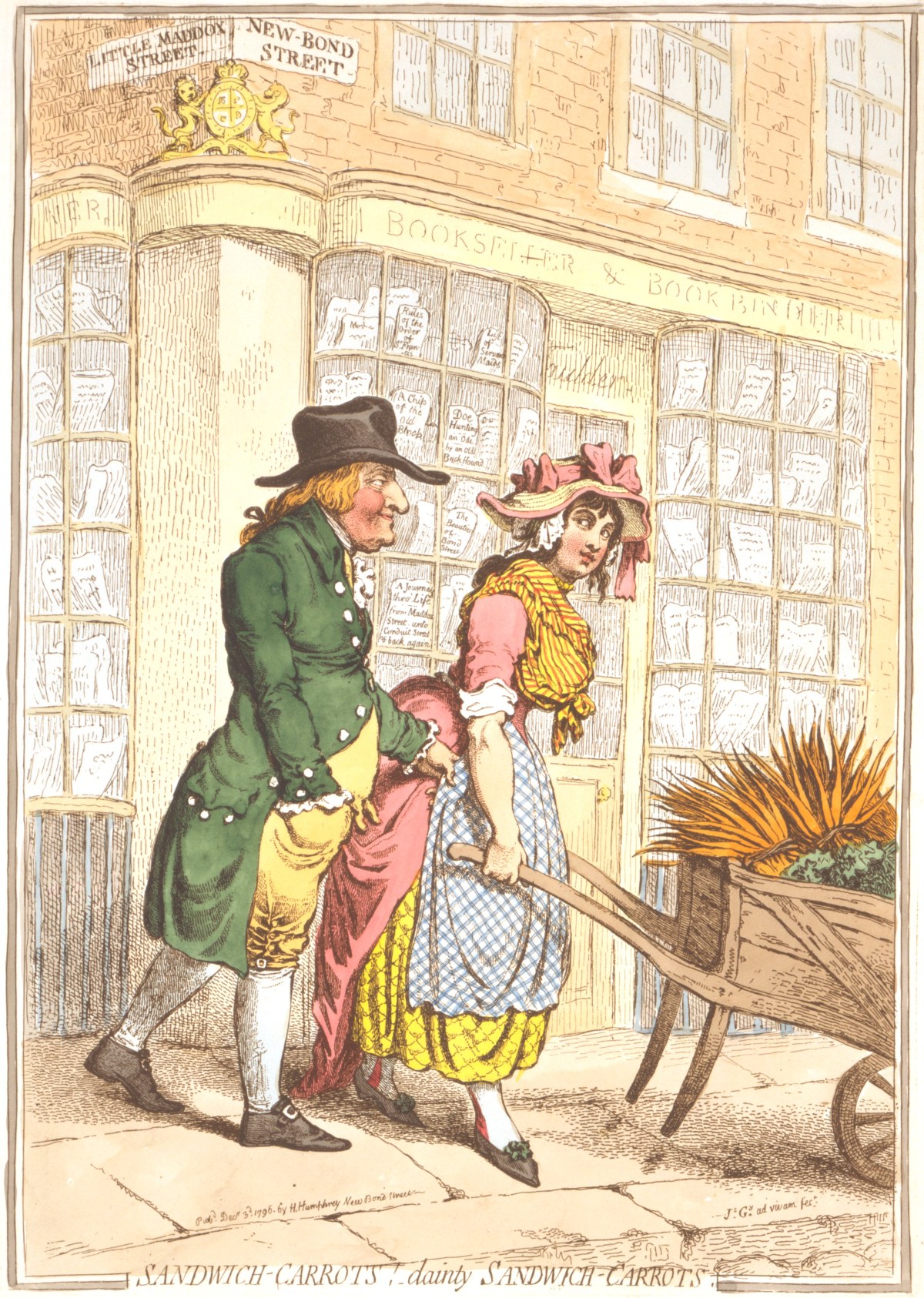
The Gillray cartoon I’ve used as a featured image looks innocent enough. Innocent until you realize that it’s a satire of Lord Sandwich (Son of the Earl of two pieces of bread with something between them fame) and his proclivities. He’s propositioning a barrow-girl. Most commentaries state that it’s about public morality, but I wouldn’t be surprised to find that there’s a deeper meaning with the barrow-girl symbolic of England. Sandwich was up to his neck in jobbery.


I’ve released a sweet regency romance, Miss DeVere Miss_devere_1 This is a fun read, and unlike “The curious profession of dr craven THE CURIOUS PROFESSION FINAL” seems to not carry a curse. However, Dr Craven is on sale this week. (Of course, because of the mess BT leaves, it will probably be free soon.)

Frankenkitty is available.
Frankenkitty What happens when teenagers get to play with Dr Frankenstien’s lab notebooks, a few odd chemicals and a great big whopping coil? Mayhem, and possibly an invitation to the Transylvanian Neuroscience Summer School.

Booktrope shuts it’s doors May 31. This opens a whole slew of questions, including whether to return to an earlier pen-name (R. Harrison being dead common.) It also means that come June 1, the current version of “The curious profession of dr Craven.” will be unavailable. I will get the rights back without trouble. (Although there are issues about ‘creative teams’ that still need to be settled.)

Get Free Stuff and try out my landing page. There are three free complete short stories (including an ARC for Frankenkitty) available after you’ve gone through the hoops.

The Art of Deception 15 #wewriwar #amwriting

The Art of Deception

or Pride and Extreme Prejudice

12241791_735836876546522_6197947469406170479_n

Welcome to Weekend Writing Warriors. This week continues a spy story set in late Georgian England, the year before Trafalgar. One more posting about Alice before she and Roderick meet. Last week we found Alice in training at Mrs Hudson’s academy in Chipping Sodbury, and in trouble. This week she’s on an errand of mercy. There’s a veiled reference to a Jane Austen book in here. Can you find it?


Later that afternoon, Lucy fell ill, and Alice was detailed with a trip to the druggist. Unfortunately, his response wasn’t helpful.

“If it were a sleeping potion, or a poison, say some hemlock or arsenic … I could help you, but rhubarb; what’s that for?”

“Settling the stomach; I mean everyone knows that.”

“Do tell; I’m sorry, are you sure you don’t want hemlock or maybe morphia?”

“It’s for a friend; A good friend.”

“Oh well then I have the miraculous cup; guaranteed to purge every time … Jalap or Calomel maybe?”

“She just has an upset stomach, rhubarb.”

“Sorry I can’t help you; Did you try Allinger’s? Just down the street from us, or maybe Smith’s in Yate?”

Please see the other talented writers in Weekend Writing Warriors.


One reviewer for Dr Craven took me to task for the incompetence of medicine in 1805. (Couldn’t they tell someone was dead? In short, no. At least not until the body started to smell.) Jalap, calomel and “the miraculous cup” (tartar emetic or spirits of antimony in wine), are at the standard of care at the time. I think the idea was that if you survived the purging, whatever it was that ailed you felt good. They did have morphia or opium in various forms. Powdered rhubarb root, imported from China, was used to settle stomachs. We don’t use it today because it was at best a placebo. Interestingly the first controlled clinical trial had been done forty years before (willow bark or salicylates) so there were the very beginnings of modern medicine. Only radical doctors used this discovery. Still twelve years after this, Princess Charlotte would die in childbirth because the doctor refused to use tongs and straighten out her breech birth in what was otherwise an uncomplicated delivery. Even in Victorian times infants died from “teething,” or more likely the overdose of opium, various mysterious patent medicines, or even lancing the gums that were standard practice at the time.

I skipped the chapter where Lord Grey deposits Alice at the school.

I’ve released a sweet regency romance, Miss DeVere Miss_devere_1 This is a fun read, and unlike “The curious profession of dr craven THE CURIOUS PROFESSION FINAL” seems to not carry a curse. However, Dr Craven is on sale this week.

Frankenkitty is available.
Frankenkitty What happens when teenagers get to play with Dr Frankenstien’s lab notebooks, a few odd chemicals and a great big whopping coil? Mayhem, and possibly an invitation to the Transylvanian Neuroscience Summer School.

Booktrope shuts it’s doors May 31. This opens a whole slew of questions, including whether to return to an earlier pen-name (R. Harrison being dead common.) It also means that come June 1, the current version of “The curious profession of dr Craven.” will be unavailable. I will get the rights back without trouble. (Although there are issues about ‘creative teams’ that still need to be settled.)

Get Free Stuff and try out my landing page. There are three free complete short stories (including an ARC for Frankenkitty) available after you’ve gone through the hoops.

On Poodle Byng. #regency #amwriting

Frederick Gerald Finch Byng (AKA Poodle) makes an appearance in two books I’m working on. I’m searching for a publisher for, The art of deception, and the other, A formulaic romance, is nearing a complete first draft.

PastedGraphic1-2013-02-14-07-50
It’s sort of fun to search for historical information about him. There are three different stories about how he got the sobriquet Poodle. The most likely one is that Georgiana the Duchess of Devonshire gave it to him when he was courting her. Given what I can find about his character, he probably was a very dogged suitor and sat there like an expectant puppy. He treated the name with good humour and went everywhere with a dog. Unfortunately the dog’s name is lost to history, and the one drawing I’ve found doesn’t look like a poodle.

He worked for the foreign office, and after the deaths of his daughters became very interested in sewers. (He was actually a member of the Westminster Commission of Sewers.) My guess is that they died from a water-borne illness.

He seduced, made pregnant, and then (after she survived childbirth) married Catherine Neville. Catherine was his mother’s maid. She was not liked by London society. In fact, it was referred to as his great sacrifice. This makes it very difficult to find much about her. Although apparently she and Poodle were a good match. Both were prone to say inappropriate things at awkward times. It’s just that as a nobleman he was forgiven.

It was only London “high” society that shunned her. There are references to her and him visiting Paris and being entertained by French nobility. (Of course you can never tell with these foreigners ;-> ) They gave small dinner parties for friends, most of whom were members of society. Thomas Creevey says in his memoir that he could not give countenance to “such tits”, but went along for the company.

Occasionally you’ll find a reference to “a daughter who died soon after they were married.” Actually there were two, Elizabeth (1817-1827) and Frederica (1819-1831).

A Formulaic Romance, Chapter 6. #amwriting #wip #romancenovel #fridayreads

When Mr Oliver or Harding or whatever tries to confuse things, Rachel discovers that George is something more than he lets on. He’s not just a flighty social butterfly who escorts diplomatic visitors and keeps them out of trouble in the London gaming hells and associated fleshpots.

It continues from the previous chapter, or you can start from the beginning.

My co-author Amelia and I often put the beginnings of books on my, now our, blog. They don’t always make it to the end, but it’s helpful for our writing. This is another Regency Romance. This time without grave robbing or financial dealing and legal chicanery.

We’ve been working hard to write from Rachel’s viewpoint. It’s an interesting exercise.

Mostly about a Notebook, that and Pontefract.


That morning, Lady Beddlington requested her son’s company while she drank her chocolate in her room, prior to emerging from her lair.

Sitting stiffly upright in her bed she asked him, after he gave her a dutiful son’s peck on the cheek, “What can you tell me about this Lady Hayforth?”

“Not much, she was on her way to London, to stay with Lord Bromley … To try her hand at the marriage market. Carriage broke down outside of Rupert’s pile.”

“An adventuress?”

“I don’t think so. Not if she’s Bromley’s cousin … he’s a stiff-rumped fellow of the first rank. Couldn’t be, at least not more of an adventuress than any other unmarried woman in search of a husband.”

“I doubt that.”

“Well … Mother she has behaved with grace, good manners, and genteel conduct. I gather Rupert’s proposal came as something of a surprise to her, but I think it will be the making of the two of them.”

Lady Beddlington studied the faded wallpaper in her room while she tried to remember the Hayforth’s. Eventually she said, “I place her, not her, but her family, now. Her father tried to keep up with Brummel and that set. Run of his legs.”

“When was that?”

“Years ago. You were still in school. It was the talk of the ton. She’s a queer one, George, dashed smoky.”

“I don’t know Mother. She seems pleasant enough. Not at all what I’d expect for an avaricious ladybird.”

“As if you would know.”

“I haven’t lived a completely sheltered life. Until I met Miss Deacon, I carefully avoided the Parson’s trap … which I assure you was laid for me by many an ambitious mother, baited with her desirable miss.”

“I must admit, George, that I find it most reassuring that you are engaged to Charity and out of this harpy’s reach. Poor Rupert. We shall just have to see what we can do.”

“Mother, I’m not…”

“Nonsense. Time that I finished my morning toilette. Would you send Graves in?”

“All I will say, Mother, is that Lady Hayforth is a pleasing and rational young lady with excellent manners.”

“Right, next you’ll tell me about a new patent to make purses from sow’s ears. Where’s Graves?”

George, still unconvinced, nodded his agreement. He also made sure to shut the door before he sighed in relief.

Miss Graves was waiting outside the door. “How is she?”

“Irritable … still upset that old Gas is donning leg shackles. Shame, because it’s the best thing he could do. It’s made him almost human.”

Miss Graves nodded, “I wish I understood My Lady. Trying to keep poor Lord Hartshorne from marrying. It’s a shame and so beneath her.” Confidences over, she curtsied to George and entered the room.

George shrugged and started down the hallway towards the stairs. He didn’t get far. “My dear Lady Hayforth, you look positively radiant this morning.”

Rachel blushed, “Oh stop it. I don’t hold a candle to the sun of Miss Deacon, and you know it.”

“If you’d rather, I could say you look worn and exhausted … positively haggish.”

“That’s not true either.”

“No. But you are looking in good health. One of the prettier sights I’ve seen so far this day.”

“Thank you, but I’m certain Charity would disagree.”

A door opened behind them and Charity asked, “I’d disagree with what, Rachel?”

“Lord Beddlington’s been telling me sweet lies. Ones he should tell you.” Though not lies, you’re so tall, so beautiful. I don’t compare.

“George, stop flirting… so unseemly. I’d like to breakfast and then we should review your Greek. No point in learning Hebrew if your Greek is lacking.”

George smiled at her, and then at Rachel, “See, I told you she wanted to improve my mind.”

They were sitting at the breakfast table, with Charity questioning George on his Greek declensions when Rupert burst in. “It’s missing!”

“What’s missing?”

“That volume, volume nine, from my notes.”

Rachel said, “That’s what I told you.”

“I know, but I thought it was just misplaced. It’s gone. Nowhere.”

George, glad for a diversion from endless arcane variations of difficult words, asked “Did you check your workshop?”

“Of course. Everywhere.”

“What was in it?”

“Things. I shouldn’t say more.”

Rachel said, “Those things you worked on during the war?”

Rupert nodded.

She continued, “I think we have a problem. George, you might want to send an express to your friend Poodle, or did I get the name wrong?”

“No. Poodle’s the fellow.  There’re some dashed odd characters associated with the F.O. It’s either him or ah, Lord Grey. Maybe both.” He rose and bowed to Charity, “You’ll have to excuse me, my love. The Greek verbs can wait.” He chuckled, “They’ve been waiting for me all these years, so what’s a few more hours?” With that he left for the library.

Rupert watched him go. “I don’t know what else. It couldn’t have been that Mr Oliver. I mean he was with General Byng.”

“Who else?” Rachel said, “Either him or one of the soldiers. I doubt most of the soldiers could read.”

“But?”

“I think we should do our patriotic duty and pay a visit to General Byng’s camp. Show we support our gallant Hussars … and ask a few discrete questions.”

Rupert smiled, “Show there are no hard feelings?”

“And inquire after poor Lewis. With that hand and all. You did warn him.”

Bowing, Rupert replied, “That’s true. I’ll see if my Uncle needs my help.”

After he left, Charity asked Rachel, “Why is Rupert being so mysterious?”

“He made explosives, fulminating compounds is what he called them, during the war.  I’d bet a farthing to a pony that the missing notebook is the one where he kept his notes.”

“Oh.” Charity felt faint, “His work could be dangerous?”

“Exciting. Though I’m surprised about his notebook. If it’s so secret why did he have a copy here?”

“I’m sure he had good reason.”

****

Once the carriage pulled up in front of the Hall, Rupert remembered that his workshop needed his attentions. “Sorry, George, but it’s a total wreck. I daren’t let Brindle or the servants in – they could hurt themselves. Do you mind going without me?”

George replied, “Coward.”

Rupert smiled in his embarrassment. “Let’s just say I’m glad to be shot of Camp Hill. It was hard enough to get away from it yesterday. I’m not sure I’d like to return.”

Rachel said, “He has a point, Ge-,” seeing Charity frown, she continued, “Lord Beddlington. It must have been worrying.”

Charity added, “I’m feeling a bit tired, George my love. Do you mind if I stay?”

“No, I suppose not, it’s just I’d thought, well maybe, you’d have enjoyed a ride with me … and Lady Hayforth.”

“I would, but not today. I’ll keep your nephew out of trouble.”

So without much further discussion, the carriage, bearing George, Rachel, and of course – for proprieties sake, Miss Holloway, sped off for General Byng’s camp. It was just this side of Pontefract, an easy five mile ride.

George stretched back in his seat, evidently enjoying the space. Rachel asked, “What should we expect?”

“In Pontefract or General Byng’s camp?”

“Either.”

“The town’s a little market. Used to be an important place, back in the day. Parliament and Cromwell saw that it would stay a minor town.”

“I see.”

“They grow liquorice if that helps.”

Rachel smiled, “I suppose it might. And the camp?”

“A yes. That’s different. Tents, soldiers and officers.”

“Officers?” Lucy asked. “Handsome ones?”

“Yes Miss Holloway. What did you expect?”

“Handsome officers,” Lucy muttered to herself. “I wonder.”

Rachel gave her a friendly push, “After I’m married, Lucy. For now, I still need a companion.”

****

General Sir John Byng stared at this interloper. “Lord Beddlington. Why should I search Mr Oliver and his rooms for this book?”

“Because I’m asking you nicely.”

“That’s not a sufficient reason.”

“I thought as much.” George calmly turned to Rachel and Lucinda, “I’m afraid I shall have to ask you to leave.” He nodded to the General’s secretary, “Unless you are cleared, you as well.”

Rachel gasped, “You’re not going to fight?”

“Oh, no, not at all.” George laughed, “It’s just, um, you see … I can’t show it to you. Please do as I say, and it won’t be long.”

General Byng continued his hard stare, “You’re one of those ‘funnies’ aren’t you? I don’t approve of the funnies. Caused no end of trouble for us real soldiers.”

“Let’s say, I work with the F.O. shepherding dodgy diplomats around the village. Not really one of the funnies, but I know my share of them.”

“You can document this?”

“But of course, my dear general.” He bowed to Rachel and Lucinda, “Now if you’d leave us.”

The guards pulled the flap away when Rachel and Lucinda walked out. They stood there blinking in the bright daylight.

“Rachel,” Lucy said, “Isn’t that Mr Oliver?”

The man in question strode towards them and said, “Lady Hayforth, what brings you to Pontefract? To see the castle Pomfret where good King Richard was murdered or is it to shop in the market?”

“Neither. Lord Beddlington thought it would be good of us to show our support for the soldiers with a visit to their camp. He’s inside arranging the details of a tour with General Byng. We felt we needed some air.”

“Indeed.” Mr Oliver went a shade of puce, then paled to a decidedly grey colour. “Give him my regards.” He turned and hurried away.

Lucy said, “Odd that.”

“Yes.” Dashed odd. He’s worried. Why?

The presence of two young women outside of the General’s tent quickly drew attention. Lucy was chatting with a decidedly good-looking young lieutenant while another, equally gallant and possibly more dashing, tried to attach Rachel’s attentions. He pointed out that there was another ball in a couple of weeks.

“Could I have the honour of a dance?”

“Maybe, but I hope to be in London by then.”

“London, Ma’am? What could London offer that we don’t have here?”

Culture and society, not to mention skilful dancing and men who didn’t stink of horses, “I don’t know, but those are my plans.”

“Is there nothing that would dissuade you?”

“I’m sorry, but I promised my cousins that I’d visit.”

“Lucky cousins, to have such a.”  He stopped and saluted. General Byng and Lord Beddlington emerged from the tent. His friend, who had been chatting to Miss Holloway, was not as observant. He drew a sharp reprimand and the night watch for a week.

George said, “Lady Hayforth, Miss Holloway, if you’ll accompany us?”

General Byng glared at him, but mindful of George’s credentials kept quiet.

“Do you need us?”

“No, but I would feel better were you not far away. Mr Oliver or Harding is a slippery customer.”

“Then,” Rachel curtsied, “It will be my pleasure to accompany you.”

****

George, Lucy and Rachel rode back to the Hall in silence. Mr Harding or Oliver or Jones wasn’t in the camp, and if he had the notebook he’d cached it well. It wasn’t in his tent.

Rachel watched the country slide by as the horses pulled their carriage. She turned back and said, “Well, I hope that’s the last we see of him.”

George replied, “Pity about that notebook. Wonder if one of the soldiers took it after all.”

“I’m sure he has it. Never loses anything that’s to his advantage. Do you remember Lucy, when he turned up at the solicitors, during probate?”

Lucy nodded, “All those bills. You almost had to sell the hall to meet them.”

George’s eyebrow raised, “Indeed. That’s interesting.”

“Interesting to you, Lord Beddlington. A disaster for us.”

“No, not what I meant. I’ve seen this fellow before, or at least heard of him. … I mean from before the last few days. Dashed if I can remember where.”

“Well, for me, I still hope that’s the last we see of him.”

The carriage pulled up near the front of the Hall. A pair of footmen promptly appeared and helped them alight.

George stretched in the fading afternoon light, “Good to be back. Have to see about getting you to London, and what my dear Mater’s plans are. Maybe you can ride with her. It might help things if she gets to know you better.”

Rachel replied, “I’m not sure of that. She disapproves of me, on principle. Thinks I’m taking advantage of Rupert. She almost called me an adventuress to my face. Who knows what she’s said behind my back.”

“Yes … well … you know, she’s sort of, um, stuck in her ways. Pity, but that’s how it is. You’ll have to charm her. I mean she’s Gas’s grandmother.”

“Lord Hartshorne, Rupert’s step-grandmother. I’ll do my best.”

“Good girl. Gas is getting a good bargain. I must admit my suggestion has proven fortuitous.”

“Please remember that my fiancé doesn’t like that nickname.”

“But I do. There’s that, you know.”

An unpleasantly familiar voice met them as they approached the parlour. George stopped and quieted Rachel. He whispered, “Listen.”

Lady Beddlington said, “Mr Oliver, thank you. We’ve been looking all over for that book. My grandson will be ever so pleased that you found it.”

“One of the men took it. I’m simply happy to be the agent of its return.”

“And that other thing, those papers of yours, they will be most useful.”

“Glad to be of service.” The sound of chairs scraping along the floor echoed from the room. Evidently Mr Oliver rose and bowed to Lady Beddlington.

George pulled Lucy and Rachel into the library, with a whisper, “Best if we’re not seen.” They watched while Mr Oliver whistled his way to the front door, and then strode towards the stables.

“Pleased with himself, isn’t he?”

“I’d say so.” George replied, “Wonder what mischief he’s done?”

Rachel said, “Who knows.”

George shrugged, “Must see how Mother is, and then you should find Gas. I hope Charity has recovered.”

“Yes, Charity.” Rachel replied, in a curiously toneless voice.

“Once more into the breech dear friends.” George led the way to the parlour.

Inside Lady Beddlington greeted them with a smile. A knowing smile that seemed almost a leer to Rachel. “You just missed a visit from an excellent young man. A Mr Oliver.”

“We did Mother?”

“Yes. He was returning that missing notebook of Lord Hartshorne’s. One of the soldiers had taken it.”

George hurriedly asked, “May I see it?”

Lady Beddlington pointed to a bound volume on the table. “If you insist.”

Hastily picking it up, George quickly flipped through the pages. His mother continued, “I didn’t know you were interested in chemistry, George.”

“I’m not particularly, but this book interests me.”

“Why?”

“That would be telling. Let’s just say I’ve acquired a recent interest in natural philosophy.” He snapped the book shut and stared at the ceiling for a moment. “Interesting, dashed odd, but interesting.” Then he slipped the book into the shelves with the other laboratory notebooks.

“George,” Rachel started to say, then seeing his mother glare at her, “Lord Beddlington, what’s interesting?”

“Must find Gas. I mean Rupert. See that he’s keeping out of trouble.” George bowed to Lady Beddlington, and then to Rachel. She didn’t take his hint and followed him out of the room.

Once out of immediate earshot, Rachel asked, “George, what was in the book?”

“Nothing.”

“What do you mean by that?”

“Exactly what I said. It was blank. Other than the first few pages. Something tells me Rupert wouldn’t have left it that way. I think it’s a fake or a copy.”

“Surely, Mr Oliver would know that it would eventually be opened.”

“He was gambling on that being well after he had left, or that he’d have the time to copy it out. We interrupted him.” George smiled at the thought then laughed as he said. “Shall we find the light of my life, my Charity?”

****

Having knocked on Rupert’s workshop without success, George found Mr Brindle, “Ah Edward, have you seen Miss Deacon?”

Austere at the informality and disapproving of the intelligence he had to bring, Mr Brindle’s frown deepened when he replied, “Lord Beddlington.”

“George.”

“Lord Beddlington, Miss Deacon and the Master have gone for a walk on the downs. I believe they are hunting Lepidoptera. At least, they had nets and collecting box.”

“Sounds a wholesome activity. It sounds like Gas is taking after his parents after all.”

“It was not clear that they were chaperoned.”

George cocked an eyebrow, “I shouldn’t worry about that. Charity’s a rock. Trust her with my life, you know.”

Mr Brindle’s expression indicated he thought that might be a misplaced trust, but as a well-trained servant he kept his opinions to himself.

George continued, addressing Rachel, “Ma’am” he bowed, “Perhaps you and Miss Holloway would care to find his Lordship. I, on the other hand, am dreadfully tired. Need to write a missive to my friends in London. Let them know the good news.”

“If you’re taking your letter to the post, I should write to my cousin once more. To let him know I’m still on my way.”

“Yes … there is that. I was thinking of a faster, somewhat more expensive missive.” He gave her a smile, “More than a shilling a sheet, if you must know.”

“Oh. That. I’m sorry, must seem so very dense.”

Mr Brindle coughed, “Ma’am, I shall have a page carry your letter to the village for posting.”

Rachel smiled at him, “Thank you Brindle.”

****

Rupert came bouncing back with Charity in tow. Rachel looked up from the desk where she struggled with the letter. “My Dear Lord Bromley,” was about as far as she had written. There’s so much I could say, and so little I can.

“Good hunting Rupert?”

“Yes, for Charity – a blue skipper and others. Did you have luck?”

“Not directly. Mr Oliver brought back your missing notebook.”

“He did?”

“George said it was interesting because it was mostly blank.”

“What! Are you sure?”

“It’s in the library. George too, unless he finished his express.”

“Excuse me,” Rupert gave the two women a quick bow and ran.

Charity remained, standing. “I think you are so lucky Rachel. So lucky with Lord Hartshorne. I mean, to be engaged to him.”

Rachel smiled at her. “Yes, I suppose I am. George, your George is no mean bit either. You could do far worse and not much better.”

“I wish he were more serious, cultured.”

“That frippery manner conceals a good mind and a sound heart. I’m sure he’ll settle down with matrimony.”

“His mother thinks he’s a bit of a fool and needs a strong hand guiding him.”

“That, I can assure you, isn’t at all true. It’s an act, an affectation.”

Charity blinked in confusion, then changed the subject. “Did you know Mr Oliver called while you were out?”

“We saw him.”

“He was closeted with Lady Beddlington for ever so long. They were talking when we, Rupert and I, left to look for butterflies.”

“I know.”

“He said something, I didn’t hear it all, about documents and you.”

“The man’s a forger and a villain. He drove my father into deep water, far over his head.” Rachel paused, “In a way I owe him thanks. Wouldn’t have met Rupert otherwise.”

“It sounded as if Lady Beddlington was pleased with what she heard.”

Rachel sighed, “Why am I not surprised? She thinks I’m an adventuress … out to steal Rupert’s fortune.”

“Weren’t you searching for a husband?”

“Yes, but there’s a difference between that and being an adventuress.”

****

After dinner, after port and snuff, and when the men had finally joined the ladies in the drawing room, George attracted Charity’s attention. “It’s a fine night, Miss Deacon. Why don’t you show me the stars? You were saying you needed to improve my mind.”

“If you’d like.”

“I’d best take advantage of the chance. I’m afraid I must run off to the village in the morning.”

“London?” Rachel asked, “Why?”

“With the end of the war, the expresses don’t run this far. Not regularly in any case. They’ve let themselves go slack.”

“But?” Charity said, “Why do you have to do it?”

“A matter has arisen, an old but in a way still very pressing matter, and I need to, ah … an old friend about it.”

Rachel, all ears, said, “Is this that Lord Grey you mentioned?”

“Maybe,” He flashed her a smile, “Then maybe not. I’ll either be back or Old Gas can see you into town himself.”

“Here,” Rupert objected, “I’m not sure I like this. Me in charge of Lady Beddlington.”

“More likely you in her charge. Charity,” he offered his arm, “The stars are out and it’s a surprisingly clement evening.”

Charity glanced around, “We’ll need a chaperon, Rupert?”

Lucy rose, “Miss Deacon, I’d be glad to see the stars. His lordship should pay attention to my mistress.”

“Yes he should,” Rachel laughed, “Would you care to see the stars too, Lord Hartshorne?”

The Art of Deception,

The Finishing School.

The part I skipped.

Lord Grey and his niece Alice rode in his carriage from Easterly to the London road. It was, due to the poor quality of the thoroughfare, a painfully slow and tedious trip. The team tired far more quickly than it would have on the excellent post highway that connected London to Bristol. So they stopped at a hedge inn to let the team rest, as hiring a quality replacement team was out of the question until they reached the post road.

“Alice,” Lord Grey said, “this is a low hostel. Undoubtedly without the quality of ale I am used to, let alone a mode of refreshment suitable for a young woman of quality.”

“I’m rather fond of farm ale, Uncle.”

“Indeed.” He paused, “Still, I should like to walk with you. I need the exercise, and a pleasant stroll in this beautiful countryside with my niece is perfect for that.”

Alice shrugged, long walks in the country held less fascination for her than riding in a coach and four. “If you wish, Uncle. It’s a shame Sally fell ill and cannot come with us.”

“Yes, isn’t it?”

“I hope she’ll recover.”

“I’m sure she will, just a touch of an upset stomach.” Alice gave her uncle a sharp glance. No one had said what was wrong with Sally, just that she was too ill to come with them.

He led her away from the inn and its prying ears. Once out of earshot he said, “Alice, there is something I must ask you.”

“I thought as much. It was obvious that you needed or wanted to talk with me away from the servants.”

“In a few miles, we will come to the London road.”

“I know, it’s so exciting. I dimly remember the city from when I was little.”

Lord Grey coughed, then he said, “There are two ways we can take when we get to that turn. To London or to Bristol.”

“Bristol, why Bristol?”

“That’s what I need to discuss. I’ll dub you the readies for your season one way or another, but I have a request, an important one.”

Alice glanced daggers at him, “You’re not proposing to set me up in an establishment, are you?”

“God no! I know you’re observant. Can you be discreet, keep a quiet, still tongue?”

“Yes.” Alice studied her uncle’s face for clues to his meaning.

“We’ll see. What I am going to ask you to do cannot be discussed with anyone other than me, or my direct superiors. Please understand that if you tell anyone, ever, about what we are going to discuss, you can be, will be, thrown in the tower. Do you agree to these terms?”

Alice’s jaw dropped, then she said, “You’re a spy, aren’t you Uncle?”

He wouldn’t say one word about that, but simply repeated, “Do you agree?”

Alice nodded, then squeaked out, “I agree.”

“Good. Excellent, capital indeed. No I’m not a spy, but I run agents. That’s not quite correct, but it will do for the moment. I’m recruiting you to help me.”

“Doing what? Madame Renne says my French is tolerable, but I don’t have the accent.”

“Identifying French spies. I’m, well, my colleagues and I are involved in the defensive part of intelligence. Sniffing out their spies.”

“Their spies?”

Her uncle smiled, “We run agents. The French have spies. Although, I suppose they see it the other way around.”

“Is it safe?”

“Most of the time. Did you think I’d sign my sister’s only child up for something that I thought would get her hurt?”

“Is this what you, mother, Mr Willis and Madame Renne were talking about the other afternoon? I distinctly had the impression that my mother did not want you to ask me to do this.”

“Little escapes your notice, does it?”

“There’s a corner of my room, where, if I lie on the floor, I can hear everything that is said in the front parlour. Sally was most amused to watch me at it.”

“Then you heard me when I promised her, on my honour, that I would not ask you to do anything I would not do myself.”

“You’ve done this yourself?”

He nodded, “That’s how I know Madame Renne.”

“It’s also why she warned me about you. She said you weren’t to be trusted.”

“She has her reasons. I’m afraid we failed her, badly.”

“Tell me the truth about what happened to her.”

Lord Green paused, looked up at the sky for a few moments while he thought, and then said, “She and her husband ran a safe house in France, near the Belgian border. Their ‘Directory’ decided to clean house. We got her out in time, but not him.”

“A safe house, what’s that?”

“That’s what they’ll teach you in Bristol. It’s a place where agents can meet, and relay messages.”

Alice thought for a few moments, then asked, “Why me? Surely you have suitable men.”

“Yes, and no. We have reason to believe.” He paused, “Good Lord, how pompous I must sound. An occupational hazard I suppose. Alice, we know at least some of the French spies are female emigre’s who work in the dress trade. Can’t sent a dashing young man into a mantua makers, can I?”

“No, but I gather sending a stylish young lady wouldn’t raise anyone’s suspicions.” Alice smiled at him, “I’ve so longed to shop for stylish dresses at all the best places.”

“Precisely. So which will it be Bristol, or London?”

“Why Bristol?”

“Training. You wouldn’t think I’d just let you loose on the world without instruction. You’ll learn the latest dances and practice your manners at either place. It’s just that you’ll learn a few other things in Bristol.”

“Bristol it is.”

“Excellent. Shall we see if the horses are rested?”

“If not, I could use some refreshment as well.”

“Even execrable country ale?”

“Even that.”

They had returned to the inn and sat drinking their pints. When they were nearly finished, Alice said, “By the way, what did you give Sally?”

“You figured that out?”

Alice stared at him, “Yes. It was rather obvious.”

“A pinch of Jalap resin and calomel, in several of those Turkish Delights. I’d be surprised that she’s not better already. How did you guess?”

“Madame Renne was right, you aren’t to be trusted.”

“Then why did you agree to my proposal?”

Alice smiled at her uncle. “Must be my father’s reckless blood. What a jest it would be to spy on everyone.”

Lord Grey gave his niece an intense stare and then said, “Mark this Alice. It’s not just fun, and you’re right you should not trust anyone in the business.”

“Not even you?”

“Not even me.”

Alice shrugged and then said in a deadpan tone of voice, “You know, two can play at that.”

“What do you mean?”

“You’ll find out.” Alice tilted her head and smiled at her uncle. “I hope you enjoyed your bitter.”

He looked at the dregs at the bottom of his pint. “You didn’t?”

Alice simply smiled at him once more. More of a knowing grin that just a smile.

Lord Grey slowly turned greenish, and then dashed off for the necessary. Half an hour later he returned, having thoroughly evacuated himself.

“I should say, Miss Green. That was uncalled for.”

Alice continued to smile at him and said, “I didn’t do anything, but you’re right when you said I shouldn’t trust anyone in this business. Neither should you.”

Lord Grey would have had further words with his niece, only one of the drivers came in and said, “My Lord, if we are to make the city tonight, we had best be on our way.”

Lord Grey rose, then said, “Alice, shall we? No more of your tricks, please.”

“Yes, Uncle James.”

As they walked out of the inn, he added, “It seems to me, niece, that you are a natural for this role.” Then as they were boarding the coach, when the driver inquired, “Where to, My Lord?” he replied, “Bristol, Mrs Hudson’s.”

“As you desire.” The driver tipped his hand to his hat in a salute.

They rode on slowly, until they reached the main road. Then they turned right, towards Bristol. Neither Lord Grey nor Miss Green felt like talking to each other.

A few miles before arriving at Bristol, the carriage took a road to the north. Alice asked, “This isn’t the Bristol road, we just turned off it. What’s going on?”

Lord Grey replied, “Miss Green, the start of your training. Mrs Hudson lives in Chipping Sodbury.”

Even in the afternoon, market day at Chipping Sodbury filled the wide street of the village with noisy and noisome crowds when they arrived. It also made driving directly to Mrs Hudson’s rooms impossible. So Lord Grey had the carriage stop at the edge of town, and escorted his niece on foot. Eventually, and with no little difficulty, they threaded their way to the side street where she lodged and knocked for admittance.

A slatternly maid opened the door and said, “Who is it?”

“Lord Grey, with a new,”

He didn’t get to finish before the maid broke into a smile and said, “New blood. Come in.” She started to lead them upstairs to Mrs Hudson’s rooms. The dirt in the hall and on the stairway did not inspire confidence.

Alice whispered to her uncle, “New blood. What’s this about?”

“Nothing, my dear.”

Upstairs, the hall opened into a set of clean, well-lit rooms. The maid led them to the last room and curtsied, “Mrs Hudson, Lord Grey is here. He has a new victim.”

Mrs Hudson, a tall, older woman with grey-streaked brown hair frowned at her maid, “Lucinda, please get cleaned up and back into your normal clothes. Then report back here to help me orient our new student.”

“To hear is to obey,” Lucinda curtsied and left.

“How is Miss Haytor working out?” Lord Grey asked, “She should be nearly ready.”

“Other than her deplorable wit, I should think she will be an acceptable agent. She needs to control that tongue of hers. Though I have my concerns about her seriousness.”

“Uncle,” Alice asked, “That maid, I don’t understand.”

Mrs Hudson answered for Lord Grey. “Miss?”

“Green, Alice Green.”

“Miss Green, one of the skills we will teach you is the art of blending in. There are times when looking like a servant means the difference between success and,” she paused, “not success.”

“Oh.” Alice paused, “So it’s like playing dress up.”

Miss Haytor, dressed as a respectable gentlewoman and with a clean face, knocked on the door.

Mrs Hudson said, “Enter.” Then she inspected the young lady. “You’ve done well enough, but it took you two whole minutes to change.”

“I wasn’t hurrying.”

“I should make you repeat the change until you are faster, but there isn’t the time right now. Miss Haytor, I should like to you meet Miss Alice,” Mrs Hudson paused, “Alice, do you have a preference for a last name?”

Alice answered, “Mapleton.”

Remembering the name of her unsuitable mill-owning suitor, her uncle cast her a sharp glance. Alice added, “It’s a name I can remember. Not fondly, but well.”

“Miss Alice Mapleton.”

Alice asked, “Why don’t we use my true name?”

“Security. Miss Haytor and the other students won’t be able to identify you.”

“They will, if they remember my face.”

Miss Haytor added, “It’s to help you get used to using a work name.”

“That will do, Miss Haytor.”

Lord Grey coughed and then said, “Mrs Hudson, I shall leave Miss Mapleton in your care. She is to send me weekly letters, unsealed, by express.” He pulled a sheaf of papers from his coat and handed them to her. “These will do for her to get started, and I’ll see that other, suitable, letter drafts are sent to you. Keep me informed on her progress.”

Then he bowed to his niece and said, “Miss Mapleton, I hope you have an interesting experience. Miss Haytor, I expect I shall see you in London shortly.” With those words he left.

Alice shouted after him, “My trunk, what about my clothes?” The sound of the door to the house closing was all the answer she received. Almost involuntarily, her face started to frown, the first signs of a cry.

Mrs Hudson ignored the incipient signs of Alice’s distress and said, “Lucinda, will you see Miss Alice to her room. Number 5 is open. Lessons will start in the morning.”

Lucinda led Alice down the hall to the rooms where the students slept. She asked, “Lonely or homesick? I was.”

“Not yet. Worried, maybe. Angry and upset, a little. I didn’t expect to just be left here.”

“Mrs Hudson will see that you’re rightly set up for the game. It’s fun.”

“You were dressed as a servant. I’ve done my share of sweeping up, why more, why here?”

“That’s boring enough, I’ll admit. That’s just the start.”

“The start? What else is there?”

“Codes, dead drops, the quick change, oh various interesting things… and how to kill someone.”

“Really?”

Lucinda smirked. “You’ll see.”

Moments later she threw open the door to room number 5. It was sparely furnished, with a bed, a table, a dresser, a chair and little else. Except, maybe a ewer and a gazunder.

“You’ll have to get your own water in the morning, and the gazunder. That’s your responsibility too.”

“Why am I not surprised?”

“Cheer up, it’s worth it. Supper’s at six. They ring a bell. See you.”

Alice sat on the chair, and stared at the wall. Tatty stained wallpaper sagged from the damp. What have I let myself into? She tried to look out the window, but the warped glass panes, all made from the cheapest bullseye panes, made it impossible to see out. Nor for that matter was it possible for anyone to see in.

Her dark thoughts were interrupted by the ringing of a bell. I’m not hungry, I’m angry. Lucinda peeked around the door, “Coming?”

“Do I have to?”

“Come on. The food’s not bad, and the company’s better.”

Rising like an old woman, stiff and in pain, Alice joined her. “Hey, that’s good. You’ll be a natural agent.”

Downstairs, the students and their instructors ate at a large table. When Alice entered, Mrs Hudson rose and told them, “I should like to introduce our newest member, Miss Alice Mapledurham.”

“Mapleton.”

“That’s right, Miss Alice Mapleton.”

Someone at the table whispered, sotto voce, “Fresh meat. Who’s for the chop?”

Mrs Hudson glared at the speaker, “Mary, if you cannot keep a civil tongue, then maybe you are.”

“Sorry.”

“Remember, it’s not just a civil tongue you will need to survive but a quiet one.”

Alice found the conversation bewildering. Words like rectangular grid, ink, developer, dead drop and safe house floated around her. Terms she, presumably, would learn. Her neighbours wrote out a rectangle of letters and one showed the other some detailed way of using it to hide a message.

Her request, “Can I see?” was met with stony silence. “Guess not. I’m the new girl.”

****

Alice awoke in the morning, having slept surprisingly well for her first night in a new room, a new bed and an uncertain future. She rose and after pulling the blinds open, herself, annoyed that there was no servant to do it, saw that the only dress for her was a maid’s. It lay, neatly folded on the chair. A note, saying ‘wear this’ was pinned to it. There being no other choice, either dress as a maid or wear her nightdress, Alice put on the clothes.

Wearing that dress, Alice stormed into Mrs Hudson’s room. “Mrs Hudson,” she demanded, “why do I have to dress as a maid? Surely you have maids, and this is beneath my dignity.”

Mrs Hudson ignored her and continued reading her correspondence. Alice stood, fuming, and ignored.

“This is the ultimate limit. Are you deaf?”

“No.”

“Then why don’t you answer me?”

“I’m busy. Now be silent, like a good housemaid.”

Eventually Mrs Hudson put her work away, taking care to lock it in a strong box, and looked up at Alice. “Are you ready to converse like a rational creature or are you still ranting?”

“I’m still angry.”

“I’m not surprised, new girls usually are. Please control it. There is a reason.”

“A reason, for what?”

“For all this. I see you can control your anger. Good.”

“I’m surprised, I presume it’s not simply to humiliate me. Can you tell it to me?”

“Certainly. First, why are you here?”

“To learn to be an agent, a spy.”

“Very good. Now what is the first thing you must do to survive?”

“To watch, no,” Alice studied Mrs Hudson as she thought, then said, “To not be noticed.”

“You really are your uncle’s niece. Exactly. Now who can pass unnoticed almost anywhere?”

“Servants?”

“Precisely. Before I, we, can teach you anything else, you must learn to blend in, to hide in plain sight.”

“Oh.”

“Did you notice the servants on your way to twit me?”

“No. There weren’t any.”

“Are you certain?”

Alice thought for a few moments, “Actually, there were three, two housemaids sweeping the hall and another carrying a basket.”

“Very good. But not good enough. There were four. You missed -”

A knock on the door interrupted her statement. It opened and the senior instructor, Miss Aldershot said, “Mrs Hudson, Miss Jones is feeling ill. I’ve let her rest this morning.”

“So there were three after all.” Mrs Hudson paused, then added, “Miss Aldershot would you see that Miss Mapleton is instructed in Miss Jones’ duties. You will find her a willing pupil. That is unless Miss Mapleton desires to return home.”

Miss Mapleton nodded, rose and the followed Miss Aldershot.


The Art of Deception 14 #wewriwar #amwriting

The Art of Deception

or Pride and Extreme Prejudice

12241791_735836876546522_6197947469406170479_n

Welcome to Weekend Writing Warriors. This week continues a spy story set in late Georgian England, the year before Trafalgar. We’ll leave Roderick with the Clinton’s in New York as he awaits his packet home (were this set in Victorian times we’d say he was “working his ticket”) and pick up with Alice. Alice is in training at Mrs Hudson’s academy in Chipping Sodbury, and in trouble.


A month into training, Alice was busily sweeping the front steps when new friend Lucy interrupted her, “Alice, the head wants to see you.”

“What have I done now?”

Lucy shrugged, “Does it have to be bad?”

“Hasn’t been good yet,” She gave Lucy the broom and walked into the building, up the front staircase and down the now all too long hall to Mrs Hudson’s room. It seemed like her steps echoed behind her without stopping.

“Close the door behind you and sit down,” Clearly Mrs Hudson wasn’t amused, “Alice I am glad to see you understand your lessons in concealed communications.”

“You are?”

“Yes. However, you will not apply them on your letters home.”

“Oh, It’s just I thought mother would -”

“You didn’t think; that’s the problem,” Mrs Hudson handed her yesterday’s missive, “Make a clean copy.”

Please see the other talented writers in Weekend Writing Warriors.


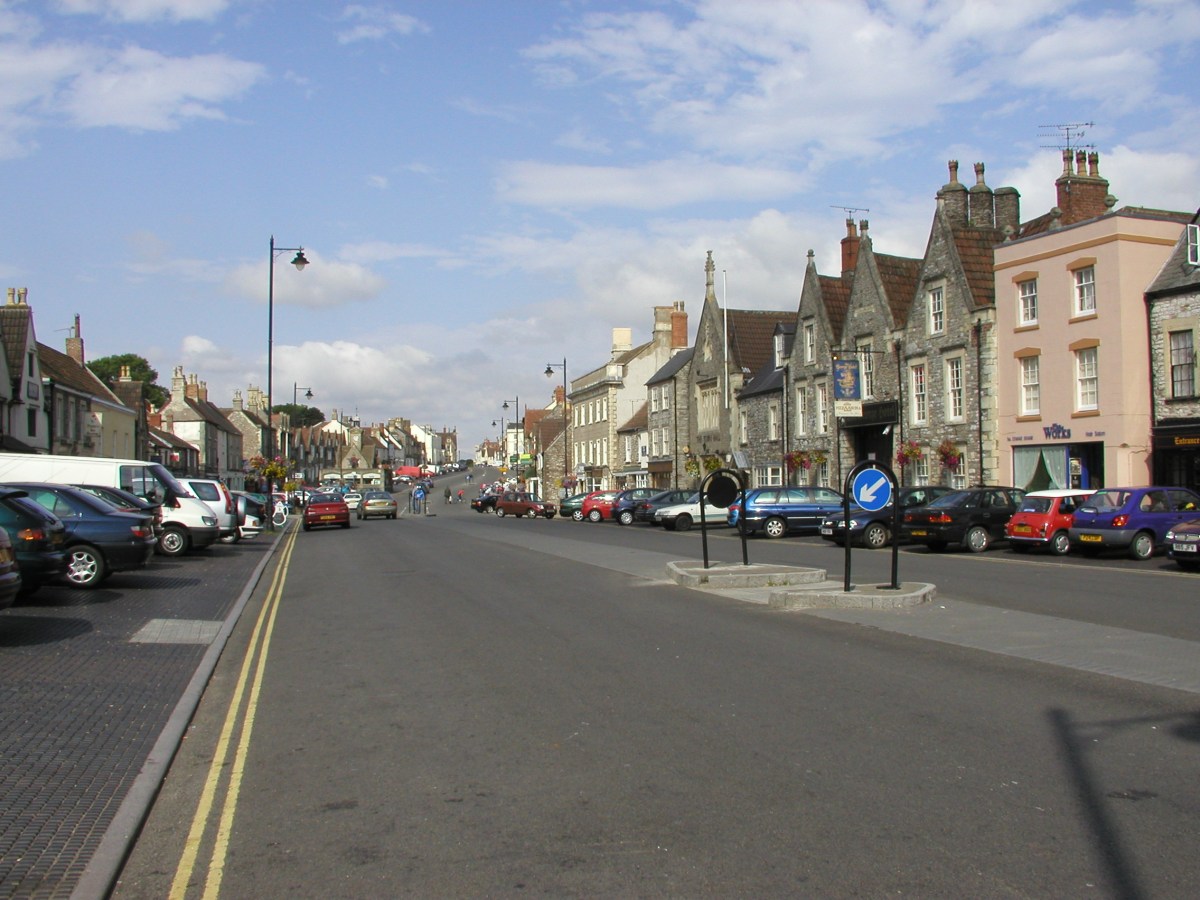
The cover image is Chipping Sodbury in 2004. This broad street was the market in the 19th century. Mrs Hudson’s academy was down a side street, to the right in the picture.

I’ve released a sweet regency romance, Miss DeVere Miss_devere_1 This is a fun read, and unlike “The curious profession of dr craven THE CURIOUS PROFESSION FINAL” seems to not carry a curse. However, Dr Craven is on sale this week.

Frankenkitty is available.
Frankenkitty What happens when teenagers get to play with Dr Frankenstien’s lab notebooks, a few odd chemicals and a great big whopping coil? Mayhem, and possibly an invitation to the Transylvanian Neuroscience Summer School.

Booktrope shuts it’s doors May 31. This opens a whole slew of questions, including whether to return to an earlier pen-name (R. Harrison being dead common.) It also means that come June 1, the current version of “The curious profession of dr Craven.” will be unavailable. I will get the rights back without trouble. (Although there are issues about ‘creative teams’ that still need to be settled.)

Bum-be-seen, Regency Fashion.

We tend to view regency fashion and manners through the prism of the later Victorian period. This tends to put things in a more, ahem, prudish light than is quite appropriate. Undoubtedly, while young females had companions and manners made strolling alone with a pleasant male companion difficult, there were aspects of fashion and manners that were more fluid than we’d expect.

Gilray’s cartoon satirizes the fashion of 1807, with its sheer muslins. Bombazine is a heavy black cloth, usually worn in first mourning and widowhood. Bum-be-seen, is something else. I’m sure the woman on the right is fully aware of what she’s displaying, and why.

The Art of Deception 13 #wewriwar #amwriting

The Art of Deception

or Pride and Extreme Prejudice

12241791_735836876546522_6197947469406170479_n

Welcome to Weekend Writing Warriors. This week I continue another book, that will now won’t come out via booktrope (they’re shutting down). It’s a spy story set in late Georgian England, the year before Trafalgar. We’re following Roderick, Lord Fitzpatrick for the moment. Last week found Lord Fitzpatrick in New York as consol pro tem and landed in a sticky situation. The governor of New York, George Clinton, and his cousin the mayor of the city, summon him to make an official complaint. For what it’s worth neither Hillary nor Bill are related to George and DeWitt.


The secretary led him to a front parlour where the Governor, George Clinton, and the Mayor, his cousin DeWitt Clinton waited. George, consistent with his age and looming infirmity remained seated when Roderick entered. He was still an impressive figure, white haired and almost regal. DeWitt was younger, in his forties, and like his older cousin an experienced and skilled politician and diplomat. Both had fought in the revolution, and neither were inclined to be friendly to British interests.

DeWitt started off, “Ah, Mr Fitzpatrick, glad you could make it.”

“As His Majesty’s representative in the city what else could I do; I presume this is about the Leander.”

The older man said, “Intolerable interference with the commerce of our state and city … we saw your lot off in ’83 and will do it again.”

“I have communicated your objections to Mr Merry in Washington in an express, and will escort the diplomatic communications to London on the next packet … may I add my personal observation that our navy’s actions are stupidly and unnecessarily provocative?”

“You may, but it doesn’t matter, does it?”

Please see the other talented writers in Weekend Writing Warriors.


The Clinton’s were major politicians at the time. George Clinton was a leading light in the Democratic-Republicans (Today’s Democratic party). He came out of retirement specifically to keep Colonel Burr from becoming governor of New York. Neither of them was a fan of slavery, and their opposition to it is part of why we didn’t have a ‘President Clinton’ in 1812. They were also important factors in introducing manufacturing and technology to the Northeastern United States. Their insistence on rebuilding harbour fortifications is a major reason that the British did not burn or occupy New York in the war of 1812.

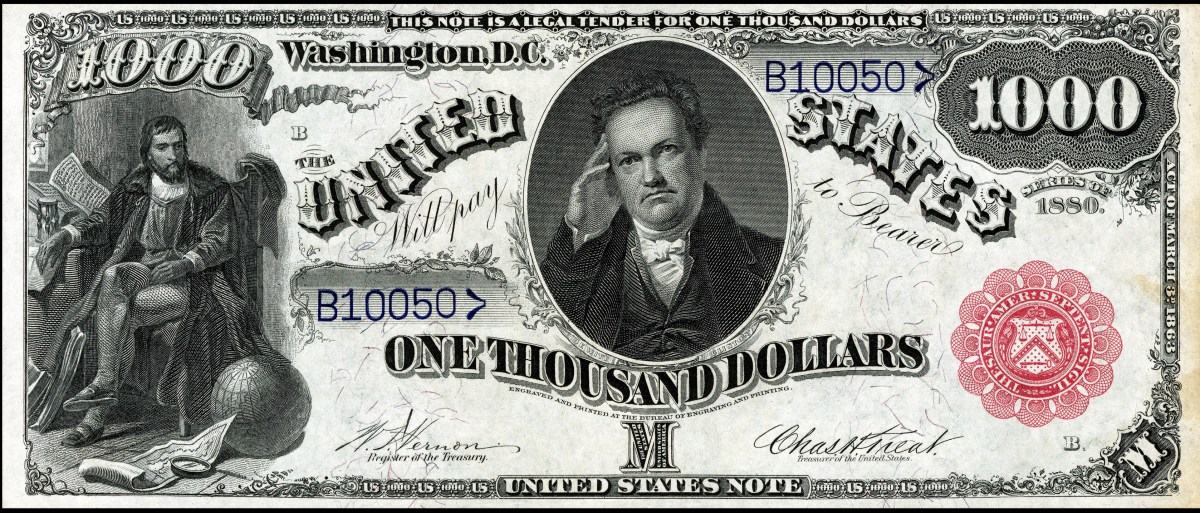
That’s DeWitt Clinton on the 1880 thousand dollar bill.

Booktrope shuts it’s doors May 31. This opens a whole slew of questions, including whether to return to an earlier pen-name (R. Harrison being dead common.) It also means that come June 1, the current version of “The curious profession of dr Craven.” will be unavailable. I will get the rights back without trouble. (Although there are issues about ‘creative teams’ that still need to be settled.)

I’ve also released a sweet regency romance, Miss DeVere Miss_devere_1 This is a fun read, and unlike “The curious profession of dr craven THE CURIOUS PROFESSION FINAL” seems to not carry a curse. However, Dr Craven is on sale this week.

Frankenkitty is available.
Frankenkitty What happens when teenagers get to play with Dr Frankenstien’s lab notebooks, a few odd chemicals and a great big whopping coil? Mayhem, and possibly an invitation to the Transylvanian Neuroscience Summer School.

Get Free Stuff and try out my landing page. There are three free complete short stories (including an ARC for Frankenkitty) available after you’ve gone through the hoops.

The Art of Deception 12 #wewriwar #amwriting

The Art of Deception

or Pride and Extreme Prejudice

12241791_735836876546522_6197947469406170479_n

Welcome to Weekend Writing Warriors. This week I continue another book, that will now won’t come out via booktrope (they’re shutting down). It’s a spy story set in late Georgian England, the year before Trafalgar. We’re following Roderick, Lord Fitzpatrick for the moment. Last week described the immediate consequences of his practical abolitionism. He’s in New York this week, having fled Washington. Unfortunately the British consul has decamped with a local beauty and instead of taking his ease while waiting the monthly packet, he is pressed into service. He’s also been landed dab in the middle of a diplomatic crisis brought about by an overzealous Captain. He’s dressing down a midshipsman in this section.


“What was your Captain thinking? Assuming he is capable of thought. Chasing a merchantman into New York harbour and then firing on her; let alone killing the helmsman – a Mr Pierce. There were riots in the streets yesterday.”

“She didn’t stop when we hailed her … the ball hit a different ship, the sloop Richard.”

Roderick rose and escorted the young sailor to the front window of the British Consul’s house in Brooklyn; the tip of Manhattan was visible, across the river, “Do you see that? The battery … the blasted Jonathans are rebuilding it … all the harbour defences … it’s now only a matter of time before we’re at war.”

The midshipman nodded, “How many guns?”

Roderick said, “It’s in the letter ;I know he won’t but I’m demanding that Captain Whitby leave; he’s causing more harm to the crown by stopping ships than the contraband he confiscates could ever do; you’re already banned from resupplying in any United States port.”

“Halifax isn’t far.”

Roderick quietly ground his teeth in frustration, “Why couldn’t the admiralty see that they were driving the American’s straight into the willing arms of the French? “

Please see the other talented writers in Weekend Writing Warriors.


The date is shifted, but they are discussing the Leander affair. The British Navy stationed two warships outside New York harbor and intercepted American merchant ships. The ships were searched for contraband and often taken to Halifax as prizes. Eventually even the tax-averse Democratic-Republicans had to rebuild the navy and chase them away. Roderick is right, war with the Americans was only a matter of time after that.

Booktrope shuts it’s doors May 31. This opens a whole slew of questions, including whether to return to an earlier pen-name (R. Harrison being dead common.) It also means that come June 1, the current version of “The curious profession of dr Craven.” will be unavailable. I will get the rights back without trouble.

I’ve also released a sweet regency romance, Miss DeVere Miss_devere_1 This is a fun read, and unlike “The curious profession of dr craven THE CURIOUS PROFESSION FINAL” seems to not carry a curse. However, Dr Craven is on sale this week.

Frankenkitty is available.
Frankenkitty What happens when teenagers get to play with Dr Frankenstien’s lab notebooks, a few odd chemicals and a great big whopping coil? Mayhem, and possibly an invitation to the Transylvanian Neuroscience Summer School.
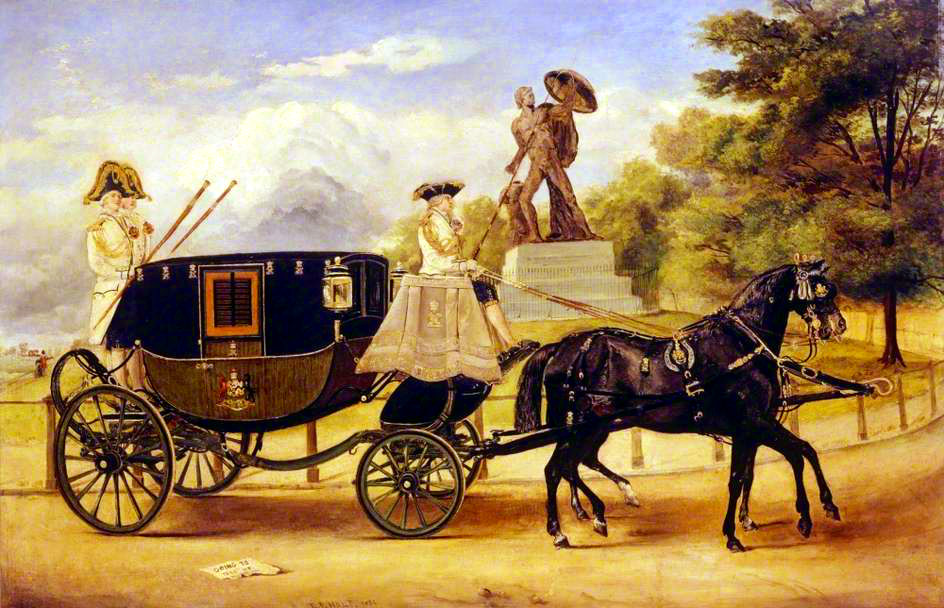
Fort Pulaski, shown as the cover image, is a third generation coastal defense fort. I don’t have any pictures of Battery Park or Fort McHenry in Baltimore, which are second generation forts built at the time of the story.

Get Free Stuff and try out my landing page. There are three free complete short stories (including an ARC for Frankenkitty) available after you’ve gone through the hoops.

A Formulaic Romance, Chapter 5. #amwriting #wip #romancenovel #fridayreads

Mr Oliver or Harding or whatever has his revenge in this chapter. Armed with a barely legal warrant, he and General Byng search the hall, trashing it in the process. To make matters worse, George’s fiancee shows up. She’s worried about him and brings along his mother, the redoubtable Lady Beddlington.  Lady Beddlington does not approve of Rachel.

It continues from the previous chapter, or you can start from the beginning.

My co-author Amelia and I often put the beginnings of books on my, now our, blog. They don’t always make it to the end, but it’s helpful for our writing. This is another Regency Romance. This time without grave robbing or financial dealing and legal chicanery.

Consequences.

George’s confidence about seeing the last of Mr Oliver was sadly misplaced. The door knocker banged early in the morning, echoing through the house. Mr Brindle hurried to answer.

A man in a General’s uniform spoke, “Took you long enough.” He stood with a small squad of men and more importantly, Mr Oliver.

“Sir?”

“Call your master.”

“As you desire. Would you care to wait in the hall?”

“No. We’ll stay here.”

“As you wish. I shall summon Lord Hartshorne.” Mr Brindle turned and entered the building. Unfortunately it meant that he missed seeing the General motion to his soldiers. The squad double-timed as they placed guards at all of the doors and in places where they could watch the ground floor windows.

A minute later Mr Brindle shuffled into the parlour where Rachel was breakfasting, “Ma’am.”

“Yes?”

“There are some gentlemen at the front door, Ma’am.”

“What about them?”

“They desire to see Lord Hartshorne, and I thought it best if you were aware. It might … be useful to have you there.”

A bleary-eyed and hastily dressed Rupert stumbled outside fifteen minutes later followed by Rachel and George. “Good morning General Byng,” he said, “What brings you to Oulten Hall so early on such a fine day?”

“Nothing good My Lord. Information has been laid that you are in possession of a large amount of explosive material. Unauthorized and illegal possession, I might add.”

Rupert scanned the men who remained in front. Mr Oliver was grinning. Rupert said, “Stuff and nonsense.”

“We shall see. Put it to the test with a search. Can’t have the revolutionaries getting their grubby hands on explosives. Bad enough if they have pitchforks and shotguns.”

“No you won’t.”

“I’m afraid this.” General Byng produced a sheet of paper that was adorned with a seal, “this is a search warrant. Not that we need it, but best to obey the formalities. Stand aside, Sir, while we search your dwelling.”

George demanded, “Let me see it.”

General Byng nodded to a soldier and with that, the man carried the document to him. George scanned it. “It’s not legal. Sir John should-”

Legal or not, George’s pronouncement had little effect. General Byng nodded to his command and was followed by the men when he charged inside. Mr Oliver gave George a slight bow, smiled at Rachel and followed. The men made their way from room to room, leaving little intact. The stuffed animals, mostly intact, joined piles of books, papers and journals in haphazard chaos on the floor in the library. The destruction was near total. Only the skeleton in the corner stood, though he was shorn of his drapery.

One of the soldiers said to General Byng, “Not here, Sir.”

“Next room then.”

Seizing Rupert’s small sample of sodium from the shelf in the parlour, one of the men dumped the oil on the floor. Thinking it valuable, he put the metal in his pocket. He then discovered the hard way, when his trousers caught fire, that sodium was not to be held close to delicate areas[1]. Heading off their intention to quench the fire with a jug of water, Rupert managed to retrieve the metal before either the trousers or the man was burned too badly.

Rupert interrupted General Byng, “If you would tell me what you are looking for, I might save this destruction.”

“We’ll known when we find it.”

“So the destruction is the purpose of this search?”

“You might say that, but I’ll deny it.” There being little else to tear apart, they moved on to the next room. Screams echoed up from downstairs. Rupert’s cook defended her domain with more ferocity than her looks suggested.

Eventually the path of destruction wended its way to the Rupert’s workshop. Rupert stood in the door, blocking it. “No. Please. There are things in here that.’

His objections were of little avail. His next words, “Are dangerous if not handled right,” were ignored.

General Byng laughed, “Move him aside, Lad’s. If it’s not here, then he’s clean.”

Rupert struggled against the two men who held him while the rest filed in and started tearing his laboratory apart.

Meanwhile, Mr Oliver sidled up to George and Rachel. He drew a quiet breath, and expressed his unctuous concern, “Would have been cheaper to settle you know. Easier.”

“Never. You’ll hear from my solicitor, and Lord Hartshorne’s one.”

“Fat lot of good that’ll do you. M’Lord. I have Lord Sidmouth’s ear. The shining golden boy who can do no wrong, I am. Especially when there are so many dangerous reformers loose in the countryside.”

Rachel spat, “At least for the moment.”

Mr Oliver gave her a stiff bow. “That’s all it will take. Ma’am.”

An explosion, followed by screams, interrupted their conversation. Not that it was a flowing or enjoyable one in any case. One of the soldiers found a small box, labelled, “Explosive, do not disturb.”

It contained samples of Oxymuriate of Potash mixed with flowers of Sulphur, and various similar fulminating or detonating mixtures. Chemicals that would ignite or explode with little provocation.

He shouted, “Here Sir, we’ve got it,” to General Byng.

“Open it and see.”

Rupert tried one last time to intervene for their safety. He shouted, “Please don’t. It contains sample detonators. A long term study of their stability. They could.”

It was too late. The soldier opened the box and picked up one of the fulminates. It still worked three years after Rupert had made it. Unfortunately, it was more sensitive than the original preparation and blew the man’s hand to shreds when he handled it roughly and held it up.

Years of war had inured General Byng to wounds and screams. He turned to the men holding Rupert and said, “He’s under arrest. We’ve found what we need.” Then he turned to the others and said, “See what you can do for poor Lewis, and have that man be quiet. Poor discipline.”

The men frog-marched Rupert off to await his trial. Red drops of blood showed where Lewis walked as he limped after them.

Rachel looked at the destruction, watched the men escort Rupert off, and started to sob. Quietly, but definitely.

George patted her, perhaps too familiarly, on the back and then said, “I’ll follow them. See what I can do. Habeas Corpus is still in effect, despite what General Byng says. I’ll find a magistrate.”

“You will?”

“Yes, now dry those tears. Keep busy and try not to worry. You know and I know this was a low attempt at revenge. It will be fine. Worse comes to worse, I’ll send an express to the General’s cousin Poodle. He’s well connected, something to do with the F.O.”

Rachel nodded her agreement. George headed for the stables, which consistent with his statement about revenge, were untouched. Even though they’d be an excellent place to store explosive compounds or gunpowder.

Rachel headed for the library. She would start on the books. Unlike many of the servants, she could easily read the titles.

****

Rachel was standing in the diminishing pile of books, like Dido in the remains of a literary Carthage, when a carriage pulled up outside of the Hall late in the afternoon. While the maids and footmen had repaired much of the damage, the chaos of the morning was still evident when two stylish women strode into the library, leaving their servants to handle the mundane details. The elder of the two, a ferocious looking woman in her middle years, snapped her fingers and said, “Tea,” before she dusted off a chair and sat down, rigid in her disapproval. The other, an elegantly dressed young woman who was close to Rachel’s age, added, “What are you waiting for? Tea. It was a tedious journey and we are in need of refreshment.”

Seeing that the bell pull was still torn from its wire and feeling the desperate need for a change of scene Rachel left them and found Mrs Hobbes. “If it wouldn’t be too much trouble, Mrs Hobbes, our visitors would like tea … in the library. Are there still three cups intact?”

Despite the carnage that lay around them, Mrs Hobbes retained her humour. She smiled when she said, “Not from the best set, Ma’am, but they’ll do for this company.”

“Thank you.” Rachel returned to the library and continued restoring books to their shelves. She picked up the first of several bound notebooks. They were in Rupert’s hand, his laboratory notes; copied gracefully and clearly so that his experiments could be repeated. While she studied them, wondering what he meant by Sal. Nat. or Cinnabar and nitric spirits or for that matter what it meant to reflux, Mrs Hobbes came in with the tea tray. She put it on a table, then quietly bowed to the two women. “Ma’am,” she said to Rachel, “your tea.”

“Thank you Mrs Hobbes.”

Rachel sat across from the two women and poured the tea. “I’ll be mother.”

The older one, her brown hair starting to be streaked with grey, and wearing the minimal bonnet of a dowager on the make, frowned, “A servant, drinking tea with her betters. Rupert must learn to enforce proper deference in his people.”

The other one, much prettier and younger, with blonde hair, an elegant necklace, and a fine lace collar above her muslins added, “Lady Beddlington, I’m sure she could use the refreshment. We must excuse excesses when there has clearly been a cataclysm of no small magnitude. Whatever happened here?”

Rachel inspected them, “Lady Beddlington? George’s mother … and you must be Miss Deacon. I’m Lady Hayforth. I’m so pleased to meet you. We’re soon to be related.”

“We are?”

“I suppose, well with the short time, and … this upset. Rupert hasn’t had time to compose a letter. But”

“Oh My Lord, you’re not engaged to my grandson?”

“We haven’t negotiated the settlements yet, but yes. Rupert offered me his hand, and I accepted the honour … with great pleasure. It’s made both of us so happy.”

Lady Beddlington put her face in her hands. A minute later, when she finally had composed herself, she raised it to confront Rachel and say. “Where is my foolish grandson?”

“And my fiancé for that matter?”

“I wish I could tell you. General Byng’s men searched the Hall this morning. They took Lord Hartshorne away and George followed them to see what he could do.”

“I wish you would not be so familiar with my fiancé Ma’am.”

“I apologize, Miss Deacon, but he asked me to call him that … as a friend.”

“As a friend? Most unsuitable. I shall have to remind my dearest to keep his distance. It’s a besetting sin of his.”

“I’d say it’s charming. May I ask why you’re here? We were hoping to travel to London soon. My cousin, Lord Bromley, expects me.”

“George, I mean Lord Beddlington didn’t say anything about you or you and Lord Hartshorne in his last letter. I can see why.”

“Miss Deacon … as much as I count your fiancé as a friend, he is simply that, a friend.” Only a friend, yes, only a friend. “If you’re concerned, my companion, Miss Holloway can reassure you on that point.”

“You have a companion? Here.”

“Of course. I was on my way to stay with my cousin, for the season, when my carriage broke. Lord Hartshorne graciously,” Not so graciously at first, “offered us shelter.”

“That wretched pile, on the main road, was that your carriage?”

“Unfortunately, yes. I think our plan is to take Lord Hartshorne’s carriage. At least I hope it is, because his is incomparably nicer.” Rachel smiled at the thought.

“Dirty dishes!” Lady Beddlington leaned forward and exploded, “You baggage, you adventuress. Attaching yourself to my grandson. I’ll see that you don’t wed him.”

Rachel bit her tongue to avoid rising to the argument. Instead of giving Lady Beddlington a piece of her mind, she rose, stiffly, and after nodding to her said, “I must see to these books, Ma’am. These,” she pointed at the bound notebooks, “are his laboratory notes. I’m sure he’s most worried about them, and one seems to be missing.”

Eventually, tired of being ignored and of enduring her intended mother-in-law’s sputtering temper, while equally curious about the contents of Lord Hartshorne’s library, Miss Deacon rose. She knelt beside Rachel and said, “May I help?”

“Thank you, I’d love help. I’ve been sorting the books by author.” She pointed to the piles, “It’s a long process.”

“I see.” Miss Deacon picked up the ill-fated volume of Kant’s critique. “This is in the original German. I received Geo- Lord Beddlington’s answers to my questions. Most insightful. I didn’t know he had it in him, not to mention that he could read academic German … what are you sniggering at?”

“Nothing. He and Rupert, um, they worked together on your questions.”

“Oh. At least he was improving his mind.”

Lady Beddlington fiddled with her reticule, pulled out her fan, opened it and fanned herself, then shut it with an echoing snap. “Cha- Miss Deacon, I am distressed sitting here. Escort me to my room. I have a headache.”

“Yes, Lady Beddlington,” Charity started to rise, but Rachel was quicker. She curtsied, “My Lady, let me call my companion, Miss Holloway.  She’s an excellent nurse and very skilled at relieving headaches.” Poor Lucy. Lady Beddlington started to object, so Rachel continued, “I should so much like to know Miss Deacon better.”

“Maybe you’re right … Miss Deacon do not over tax yourself. Remember you’re not strong.”

“Yes, Ma’am.”

“If you’ll let me assist you.” Rachel added, “I’ll help you to the hallway and we’ll find my companion.”

A few minutes later, having safely delivered Lady Beddlington to Lucy’s care, Rachel returned. She asked, “What did Lady Beddlington mean by ‘you’re not strong?’ You seem healthy to me.”

“I don’t know. Maybe she thinks Geor- Lord Beddlington would enjoy a languid wife.”

“The George,” Rachel saw Miss Deacon stiffen, “The George I know wouldn’t. Let’s not pull caps, we should be cater-cousins. May I call you Charity? Much nicer name than mine, Rachel.”

“Ewe may.”

“Thank you.”

“I punned just then. Did you catch it?” Charity saw from Rachel’s confused expression that she didn’t. “The word Rachel means ewe, or ewe-lamb.”

Once the joke was explained to her, Rachel laughed, “I’m even gladder now that my father didn’t pick Delilah or Jael. No scholar, He just read the Old Testament to find one he liked – thought it would demonstrate his piety. Not that he really had any.”

“Delilah’s queen of the night and Jael mountain goat.”

“Then I guess Rachel’s not too bad of a name. Charity, at least that’s an English word.”

“Don’t you know Hebrew?”

“No. My education rose to Fordyce’s sermons and the house books. No more.”

“Poor girl. I’m helping George, my George, to remedy the defects in his education. Would you like to join us?”

“Very much.”

****

Supper was over by the time George and Rupert returned from General Byng’s camp. They stumbled into the front parlour, tired and dishevelled. Definitely in need of a restorative brandy, or two, or maybe three.

George was the first to speak, “Charity?”

“I was worried, you didn’t write.”

“I did, and we were planning to return to the village soon. Sorry if I missed a day or two with the excitement, but you mustn’t worry.”

“Four days.”

“That can’t be. I just sent you my answers to your questions about Kant’s philosophy.”

“Your answers? I heard that Lord Hartshorne helped you, practically wrote the answers for you.”

Lady Beddlington added her mite as well, “Your conduct has been most unsatisfactory, George. The Hall a mess and I find my grandson engaged to be married to an adventuress.”

“She’s not an adventuress, Mother. She’s a,” he caught himself before he said lovely, “well-behaved young woman who will be a credit to our family.”

“I’m surprised and upset. Why Miss Deacon could be within her rights … I mean keeping such low company and encouraging your nephew.”

George could see Rachel’s face whiten at the implied insults. Rupert missed it. Still he said the right things, “I say, you’ve done a fantastic job putting things to right Rachel. It can’t have been easy.”

“It wasn’t, but you really should thank Miss Holloway and Mrs Hobbes. I put books away in the library, with Charity’s help.”

Charity smiled at Rupert, “What an impressive collection you have, and they were read, the spines cracked.”

“Of course, what good’s a book if you don’t read it?”

“That reminds me,” Rachel said, “It looked like one of your notebooks was missing. I found a volume 8 and volume 10, but no volume 9.”

“Really? That’s odd. Must have been misplaced. Look for it in the morning. George, I know it’s not done, but I feel the need of something stronger than tea. Then if Miss Holloway and Lady Hayforth are able to accompany us, I should like to look at the stars. There were some moments today when I wasn’t sure I’d see them again.”

George laughed, “Gas, O yea of little faith, trust your Uncle Beddlington to fix things. I won’t say no to that restorative.”

Charity’s gaze glanced from Rupert to George to Rachel and then back to Rupert. “I’d like to see the stars too.”

[1] A friend of mine at university did this. He thought a small amount of sodium, ‘borrowed’ from his organic synthesis lab, would be useful for a prank. He was OK. Needed a new set of trousers, though.