More Birds.

Playing with my long (500mm) cheap mirror lens again. I set the shutter speed to 1/4000 (as fast as the Nikon will go) and let the auto-ISO handle the rest. It has a relatively fast f5.6 that cannot be changed.  The other caution to watch for is the T-mount. It can unscrew a little and loosen while the lens is on the camera if it isn’t in tight.  That will cause difficulty with focusing.

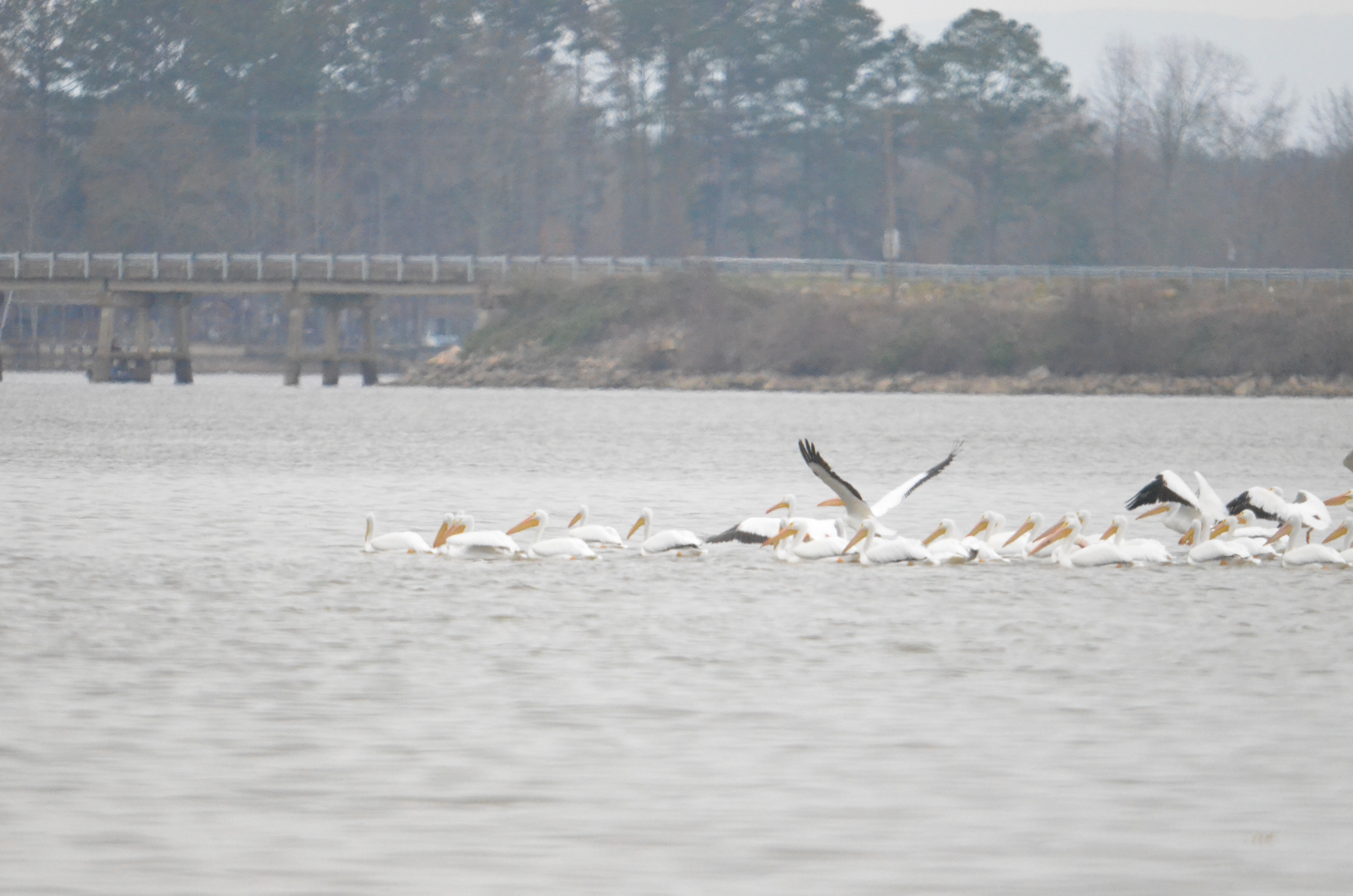
We have resident pelicans. They are supposed to be rare. Ours aren’t.
DSC_0146 DSC_0147 DSC_0148

The herons perch on stumps out in our little branch of Lake Weiss.
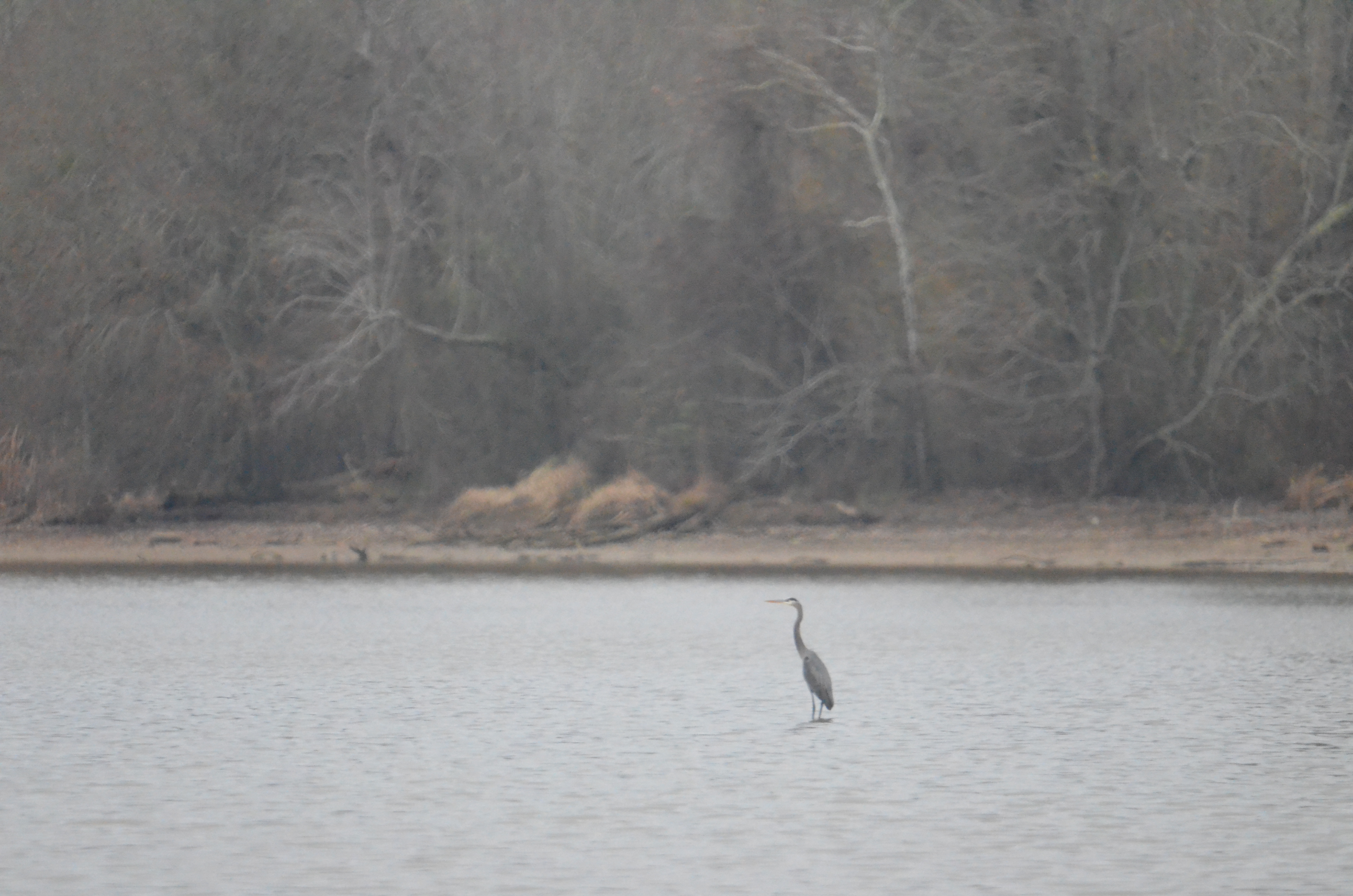
DSC_0142

The image quality isn’t perfect, but it could be a lot worse. Not sure how much is the lens and how much is the ISO/low light.
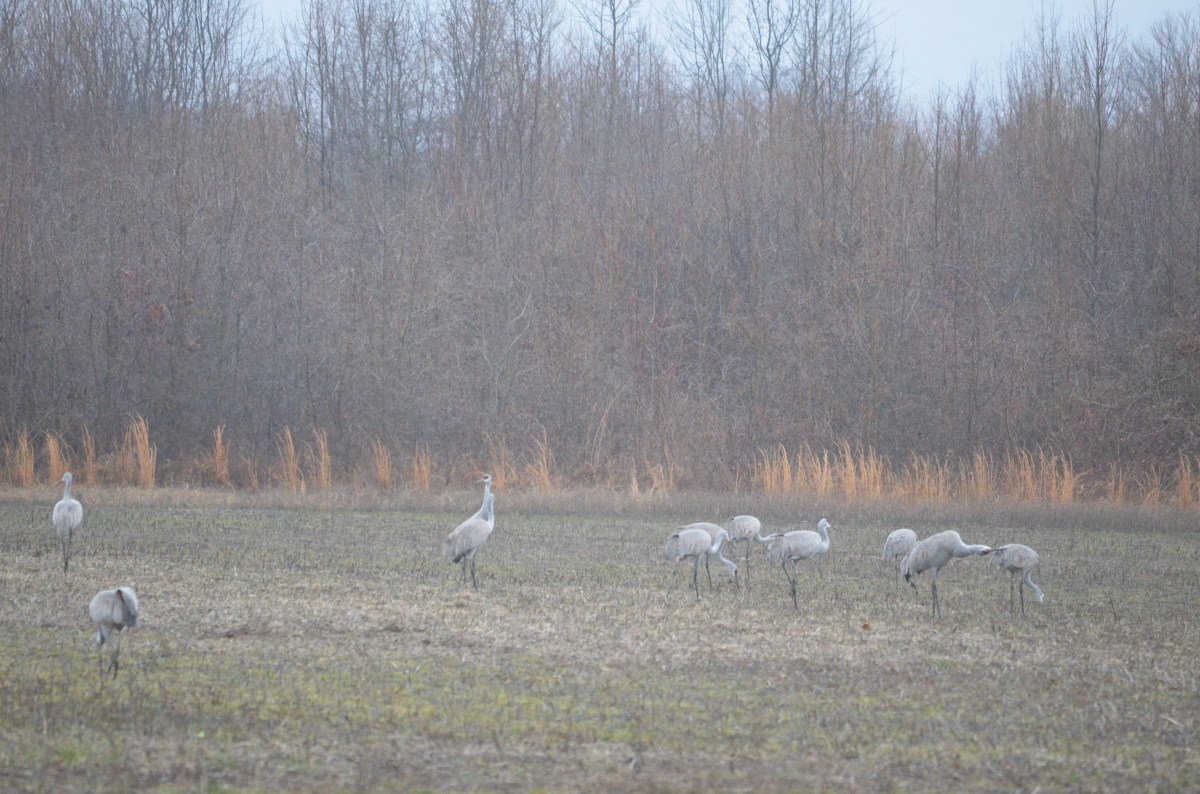
 

The Desolate Field

William Carlos Williams

Vast and gray, the sky
is a simulacrum
to all but him whose days
are vast and gray, and—
In the tall, dried grasses
a goat stirs
with nozzle searching the ground.
—my head is in the air
but who am I…?
And amazed my heart leaps
at the thought of love
vast and gray
yearning silently over me.

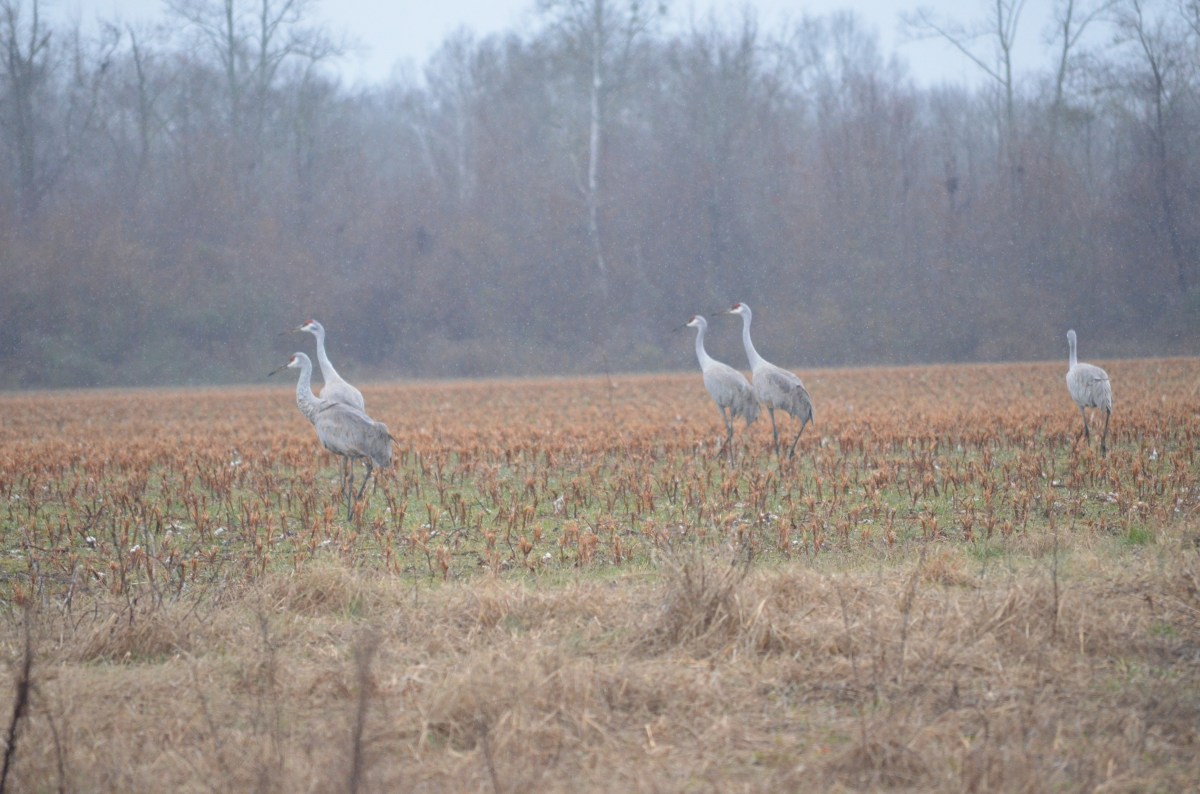
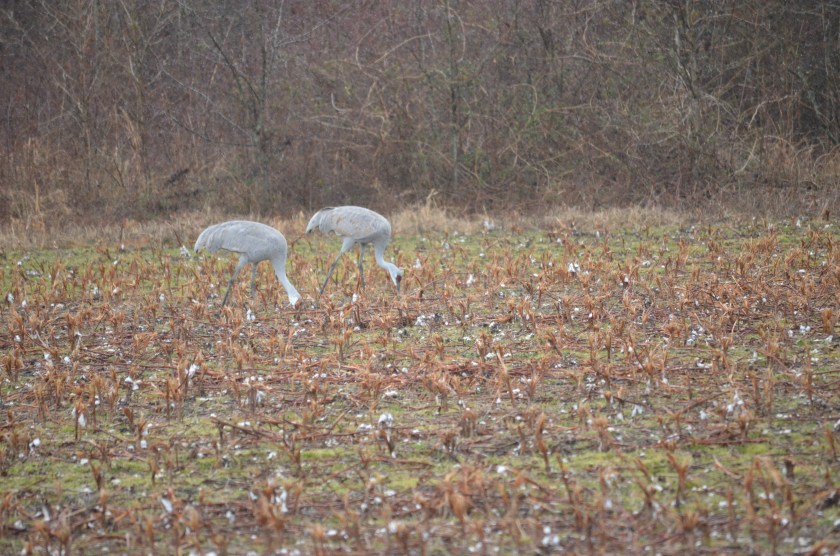
Cranes in a cotton field near Centre.
(c) 2015 Robert Harrison

Fall Birds

I wanted to try an inexpensive mirror lens with a 2x extender for nature photography. It’s not bad, but not great either. The acuity is not as good as I’d like, and the depth of focus is paper thin. But when it works it’s pretty good.

DSC_0102DSC_0097
These seagulls were hunting shad on the far side of the lake, about 700 meters away.
DSC_0129

DSC_0135
The flat field of focus can be really nice. I like this back-lit grass and weeds.

all photographs (c) 2015 Robert W. Harrison

Waiting for the Cranes

DSC_0521

It is a little early yet, but the Sandhill  Cranes overwinter near us. They love hunting bugs, frogs and other such small deer in the cotton fields at the Georgia Alabama border near Centre. We’ve even seen, once, the Whooping cranes fly through.

This shows what a 200mm lens does. I’m just waiting to try with a bigger one.