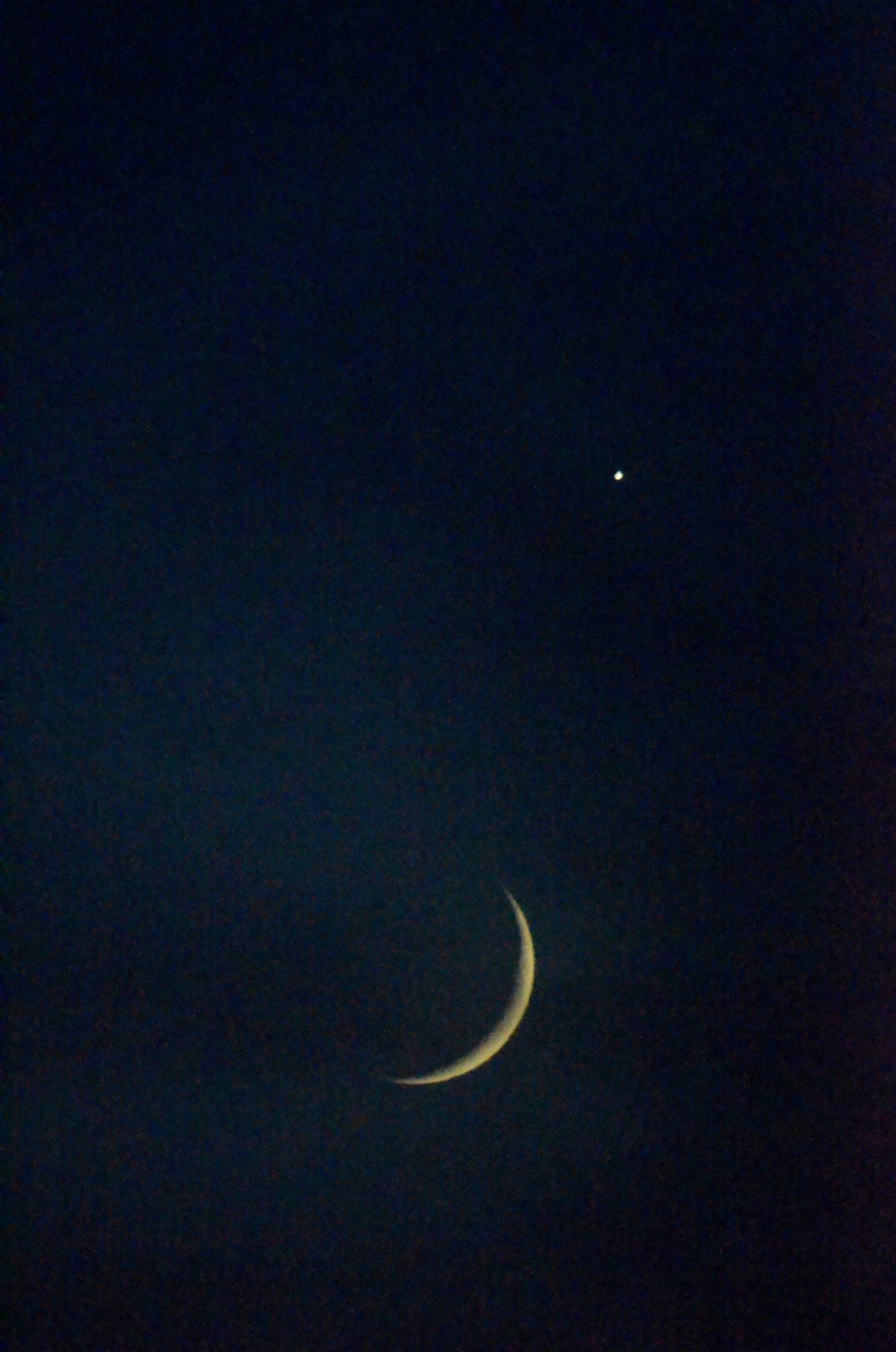
Sonnet 8 [Set me where as the sun doth parch the green]

Henry Howard

Set me where as the sun doth parch the green,
Or where his beams do not dissolve the ice;
In temperate heat where he is felt and seen;
With proud people, in presence sad and wise;
Set me in base, or yet in high degree,
In the long night, or in the shortest day,
In clear weather, or where mists thickest be,
In lost youth, or when my hairs be grey;
Set me in earth, in heaven, or yet in hell,
In hill, in dale, or in the foaming flood;
Thrall, or at large, alive where so I dwell,
Sick, or in health, in ill fame or good:
Yours will I be, and with that only thought
Comfort myself when that my hope is nought.

Ozymandias

Percy Bysshe Shelley, 1792 – 1822

I met a traveller from an antique land
Who said: “Two vast and trunkless legs of stone
Stand in the desert . . . Near them, on the sand,
Half sunk, a shattered visage lies, whose frown,
And wrinkled lip, and sneer of cold command,
Tell that its sculptor well those passions read
Which yet survive, stamped on these lifeless things,
The hand that mocked them, and the heart that fed:
And on the pedestal these words appear:
‘My name is Ozymandias, king of kings:
Look on my works, ye Mighty, and despair!’
Nothing beside remains. Round the decay
Of that colossal wreck, boundless and bare
The lone and level sands stretch far away.”

A Gift

Leonora Speyer

I Woke: —
Night, lingering, poured upon the world
Of drowsy hill and wood and lake
Her moon-song,
And the breeze accompanied with hushed fingers
On the birches.

Gently the dawn held out to me
A golden handful of bird’s-notes.

It’s all I have to bring today (26)

Emily Dickinson

It’s all I have to bring today—
This, and my heart beside—
This, and my heart, and all the fields—
And all the meadows wide—
Be sure you count—should I forget
Some one the sum could tell—
This, and my heart, and all the Bees
Which in the Clover dwell.

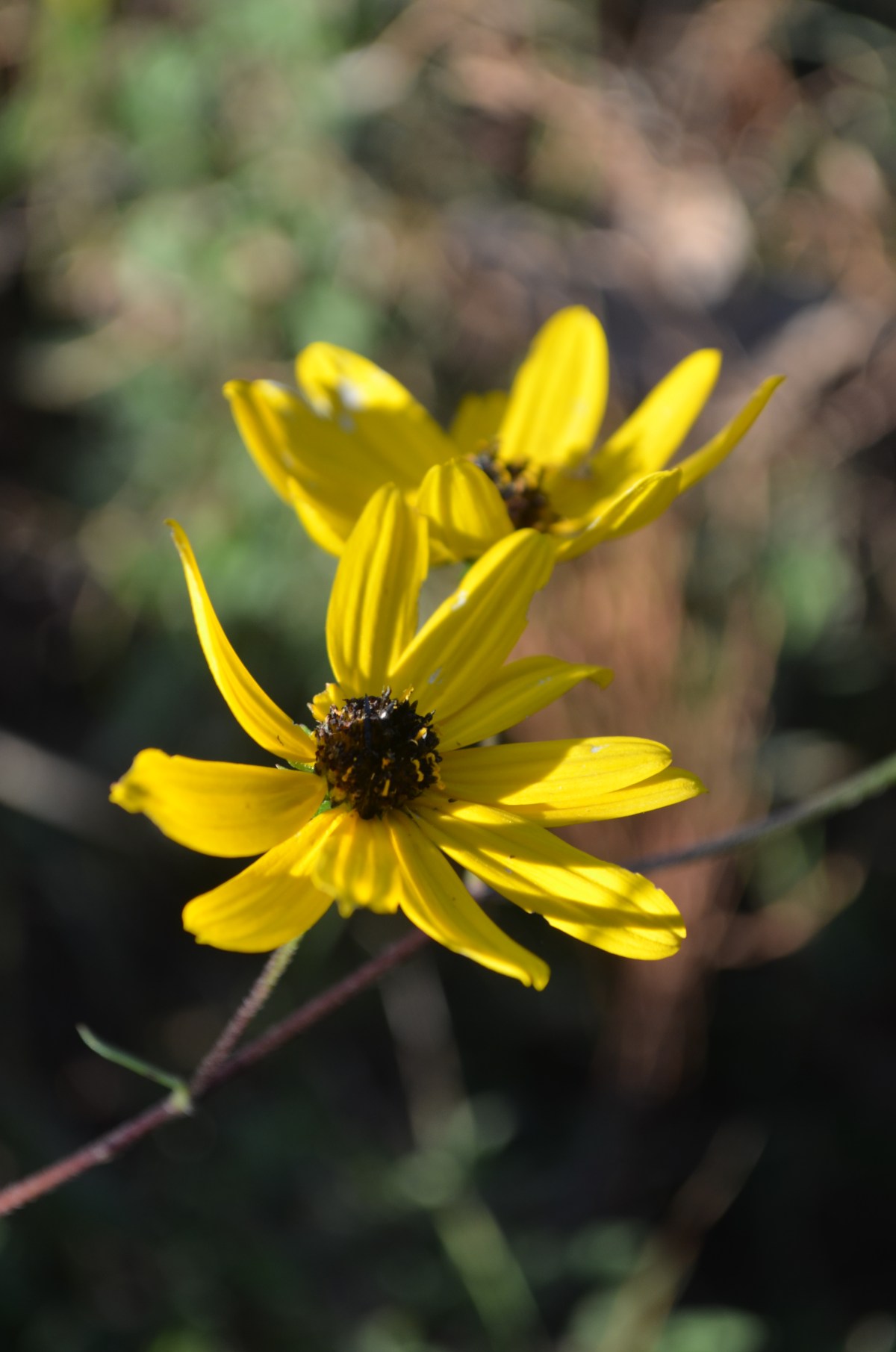
DSC_0056

A Day

Emily Dickinson, 1830 – 1886

I’ll tell you how the sun rose, —
A ribbon at a time.
The steeples swam in amethyst,
The news like squirrels ran.

The hills untied their bonnets,
The bobolinks begun.
Then I said softly to myself,
“That must have been the sun!”

But how he set, I know not.
There seemed a purple stile
Which little yellow boys and girls
Were climbing all the while

Till when they reached the other side,
A dominie in gray
Put gently up the evening bars,
And led the flock away.

Hoppin’ John and Stella’s Polish Cabbage. #recipe

Two New Year’s recipes.
Traditional food that’s good tasting.

    1. Hopin’ John.

DSC_0256
Hoppin’ John is a traditional Southern dish using blackeyed peas and smoked ham hocks. It’s an example of “poor food” that is both good and fills a cultural niche. Eat this on January first and the rest of the year you’ll eat better. Well maybe, I think it’s pretty darn good no matter when you eat it.

      • 1/2 pound dried blackeyed peas. Ideally soak these the night before in cold water.
      • At least one smoked ham hock.
      • One onion coarsely chopped and sauteed at least to the wilt stage
      • 1 tablespoon prepared mustard.
      • 1 tablespoon hot sauce

Put the ingredients in a pot, typically the one you saute’ed the onions in, and add enough water to cover the peas with about one inch to spare.
2016-01-01 14.58.45
Bring to a boil and simmer until done. It takes several hours for the meat and beans to be completely done with the meat falling off the bone. Periodically stir, and add more water if needed. I adjust the amounts of mustard and hot sauce to taste. This example is a bit rich in ham hocks because they came in a pack of three.

    1. Stella’s Polish Cabbage.

DSC_0254
Stella’s Polish Cabbage is a family recipe from my Irish mother-in-law. She figured out how to cook cabbage the way her husband, a Polish pilot in the RAF during world war 2, liked. My English wife has always called it “Polish Cabbage.” It’s not particularly New Year’s food, but goes exceedingly well with Hoppin’ John.

      • 1 Head Cabbage. Cored and coarsely chopped. Sprinkle with salt and set to wilt overnight in the refrigerator. In the old days in England, when the house had a single coal fire, she’d just leave it out on the counter.
      • 1 Onion, Coarsely chopped
      • 2 tablespoons butter and a teaspoon of oil. Melt the butter in the oil (avoids burning).

Thoroughly rinse the cabbage, to remove the excess salt. Saute the onion in the butter and oil mixture. When it is past the wilt stage add the cabbage and cover.

The cabbage will give off water as it wilts. The mixture will rapidly lose about half its volume. Stir to prevent scorching and periodically add a few tablespoons of water. The amount isn’t critical, you need enough to keep it from burning, and it will evaporate over time.

For the next hour, until thoroughly done, simmer over a low heat. Periodically stir and refresh water.
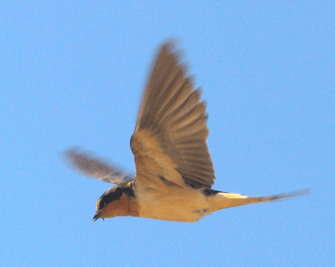
Hope is the thing with feathers (254)

Emily Dickinson, 1830 – 1886

Hope is the thing with feathers
That perches in the soul,
And sings the tune without the words,
And never stops at all,

And sweetest in the gale is heard;
And sore must be the storm
That could abash the little bird
That kept so many warm.

I’ve heard it in the chillest land,
And on the strangest sea;
Yet, never, in extremity,
It asked a crumb of me.

Mending

Hazel Hall

Here are old things:
Fraying edges,
Ravelling threads;
And here are scraps of new goods,
Needles and thread,
An expectant thimble,
A pair of silver-toothed scissors.
Thimble on a finger,
New thread through an eye;
Needle, do not linger,
Hurry as you ply.
If you ever would be through
Hurry, scurry, fly!
Here are patches,
Felled edges,
Darned threads,
Strengthening old utility,
Pending the coming of the new.
Yes, I have been mending …
But also,
I have been enacting
A little travesty on life.

Moonrise

D. H. Lawrence, 1885 – 1930

And who has seen the moon, who has not seen
Her rise from out the chamber of the deep,
Flushed and grand and naked, as from the chamber
Of finished bridegroom, seen her rise and throw
Confession of delight upon the wave,
Littering the waves with her own superscription
Of bliss, till all her lambent beauty shakes towards us
Spread out and known at last, and we are sure
That beauty is a thing beyond the grave,
That perfect, bright experience never falls
To nothingness, and time will dim the moon
Sooner than our full consummation here
In this odd life will tarnish or pass away.

What the Thrush Said

John Keats, 1795 – 1821

O Thou whose face hath felt the Winter’s wind,
Whose eye has seen the snow-clouds hung in mist,
And the black elm tops ’mong the freezing stars,
To thee the spring will be a harvest-time.
O thou, whose only book has been the light
Of supreme darkness which thou feddest on
Night after night when Phœbus was away,
To thee the Spring shall be a triple morn.
O fret not after knowledge—I have none,
And yet my song comes native with the warmth.
O fret not after knowledge—I have none,
And yet the Evening listens. He who saddens
At the thought of idleness cannot be idle,
And he’s awake who thinks himself asleep.

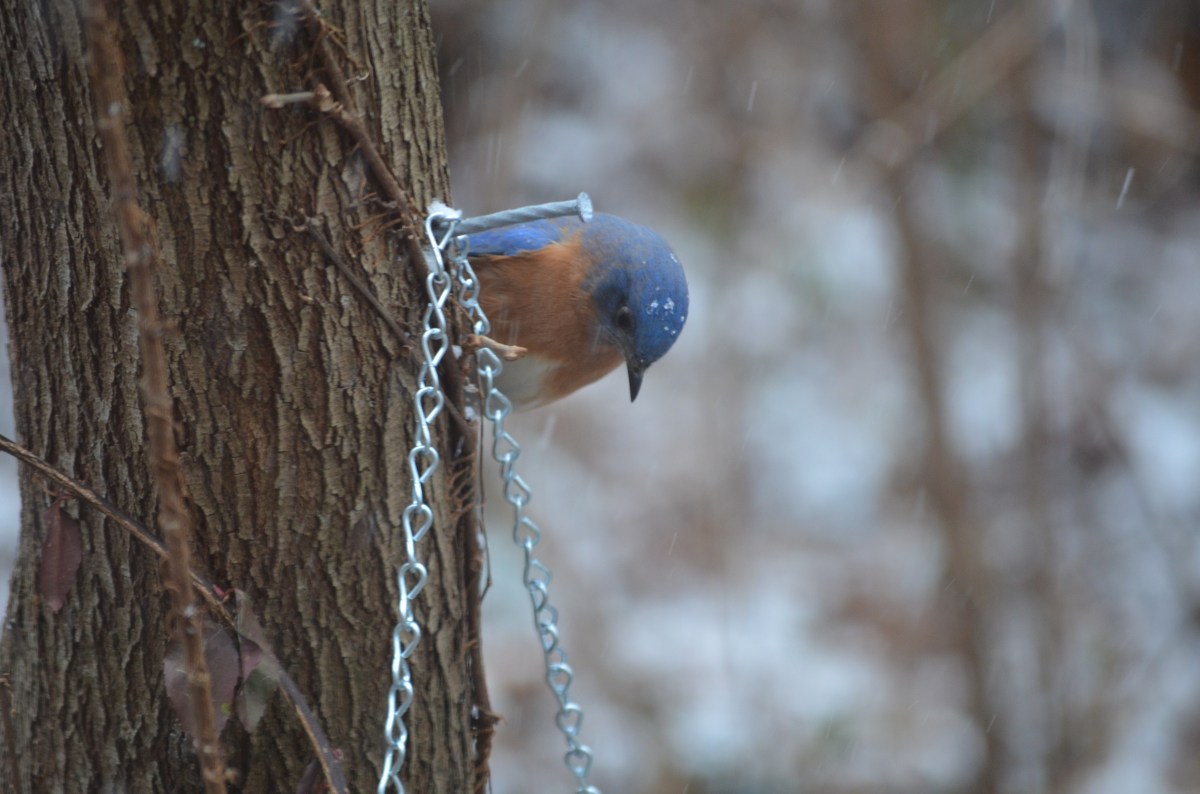
(i know the featured image isn’t a thrush, but a wren looks better)
DSC_0007 Here’s a wood-thrush from my feeder.