Canal Boating #travel #England

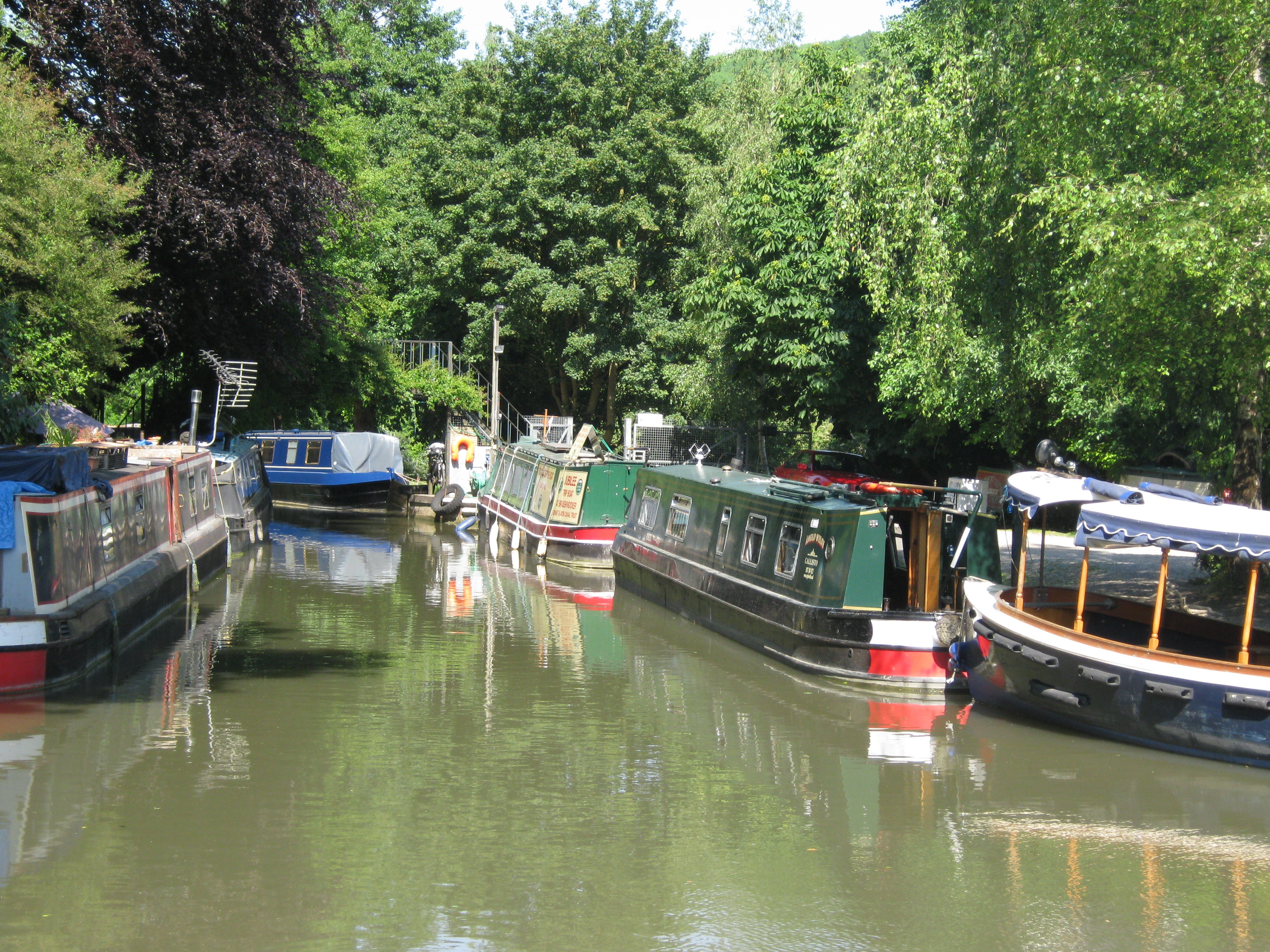
One thing to do in the UK is canal boating. There are several companies that will hire you a narrow boat, give you the fairly minimal training you need to get started, and let you go. We hired one from the Anglo-Welsh hire company and picked it up near Dundas Aqueduct. It wasn’t hard to arrange this from the US.
IMG_0056

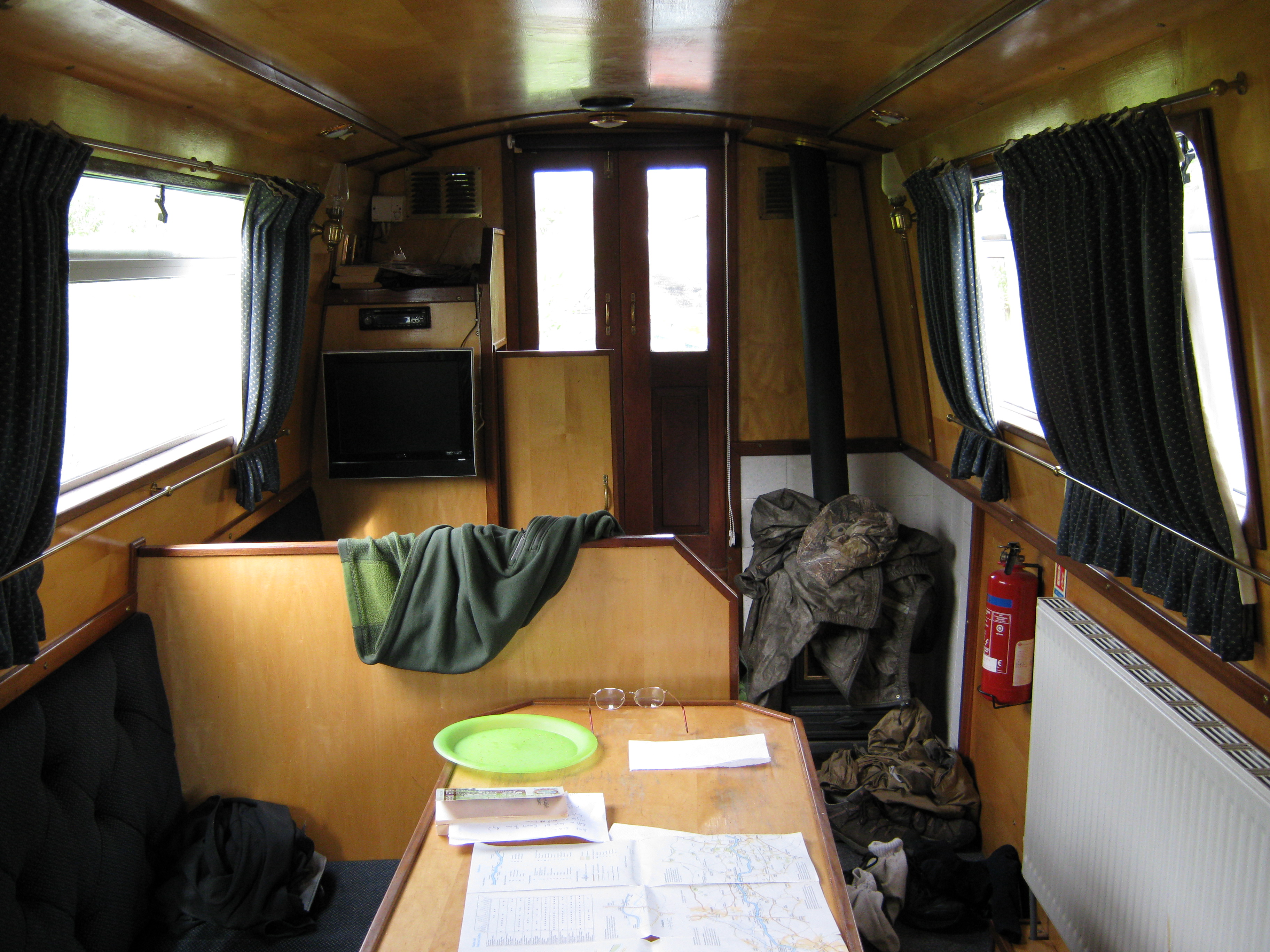
The boats are compact, but fully functional and pleasant to live in.
IMG_0186

This shows our first mooring, snugged against the bank.
IMG_0058

You spend a fair bit of time in the country.IMG_0185

IMG_0171

Locks can be interesting.IMG_0081

Slightly scary the first time.IMG_0067

But by the time you’ve done Caen Hill, you’ll be a pro.IMG_0084

Most of the time it’s straightforward. We did run into some difficulty with strong winds one afternoon. (The engines on the narrowboats aren’t exactly powerful and the wind can push the bow around).

It is a fun family trip, though you should be prepared to walk, especially if the locks aren’t far apart.

IMG_0166

I didn’t take many pictures of the towns we passed through (Chippenham, Devizes) mostly because they look like typical English cities. I was also somewhat busy with the mechanics of locks and shopping at the time. The small towns were more interesting.
IMG_0062

IMG_0226

The Tempest, Act III, Scene II [Be not afeard]

William Shakespeare, 1564 – 1616

Caliban speaks to Stephano and Trinculo.

Be not afeard; the isle is full of noises,
Sounds and sweet airs, that give delight, and hurt not.
Sometimes a thousand twangling instruments
Will hum about mine ears; and sometime voices,
That, if I then had waked after long sleep,
Will make me sleep again: and then, in dreaming,
The clouds methought would open, and show riches
Ready to drop upon me; that, when I waked,
I cried to dream again.

In This Age of Hard Trying, Nonchalance Is Good and

Marianne Moore, 1887 – 1972

“really, it is not the
business of the gods to bake clay pots.” They did not
do it in this instance. A few
revolved upon the axes of their worth
as if excessive popularity might be a pot;

they did not venture the
profession of humility. The polished wedge
that might have split the firmament
was dumb. At last it threw itself away
and falling down, conferred on some poor fool, a privilege.

“Taller by the length of
a conversation of five hundred years than all
the others,” there was one, whose tales
of what could never have been actual—
were better than the haggish, uncompanionable drawl

of certitude; his by-
play was more terrible in its effectiveness
than the fiercest frontal attack.
The staff, the bag, the feigned inconsequence
of manner, best bespeak that weapon, self-protectiveness.

March Evening

Amy Lowell, 1874 – 1925

Blue through the window burns the twilight;
Heavy, through trees, blows the warm south wind.
Glistening, against the chill, gray sky light,
Wet, black branches are barred and entwined.

Sodden and spongy, the scarce-green grass plot
Dents into pools where a foot has been.
Puddles lie spilt in the road a mass, not
Of water, but steel, with its cold, hard sheen.

Faint fades the fire on the hearth, its embers
Scattering wide at a stronger gust.
Above, the old weathercock groans, but remembers
Creaking, to turn, in its centuried rust.

Dying, forlorn, in dreary sorrow,
Wrapping the mists round her withering form,
Day sinks down; and in darkness to-morrow
Travails to birth in the womb of the storm.

On Seeing a Tuft of Snowdrops in a Storm

William Wordsworth, 1770 – 1850

When haughty expectations prostrate lie,
And grandeur crouches like a guilty thing,
Oft shall the lowly weak, till nature bring
Mature release, in fair society
Survive, and Fortune’s utmost anger try;
Like these frail snow-drops that together cling,
And nod their helmets smitten by the wing
Of many a furious whirlblast sweeping by.
Observe the faithful flowers! if small to great
May lead the thoughts, thus struggling used to stand
The Emathian phalanx, nobly obstinate;
And so the bright immortal Theban band,
Whom onset, fiercely urged at Jove’s command,
Might overwhelm, but could not separate!

We don’t have wild snowdrops in the south, so maybe a spring Trillium will do. From Jarrod Gap near the AT. The odd, sort of hand-shaped, leaf just out of focus in the back is a bloodroot – a delicate spring flower with bright orange sap.

Spring Flowers #MondayBlogs

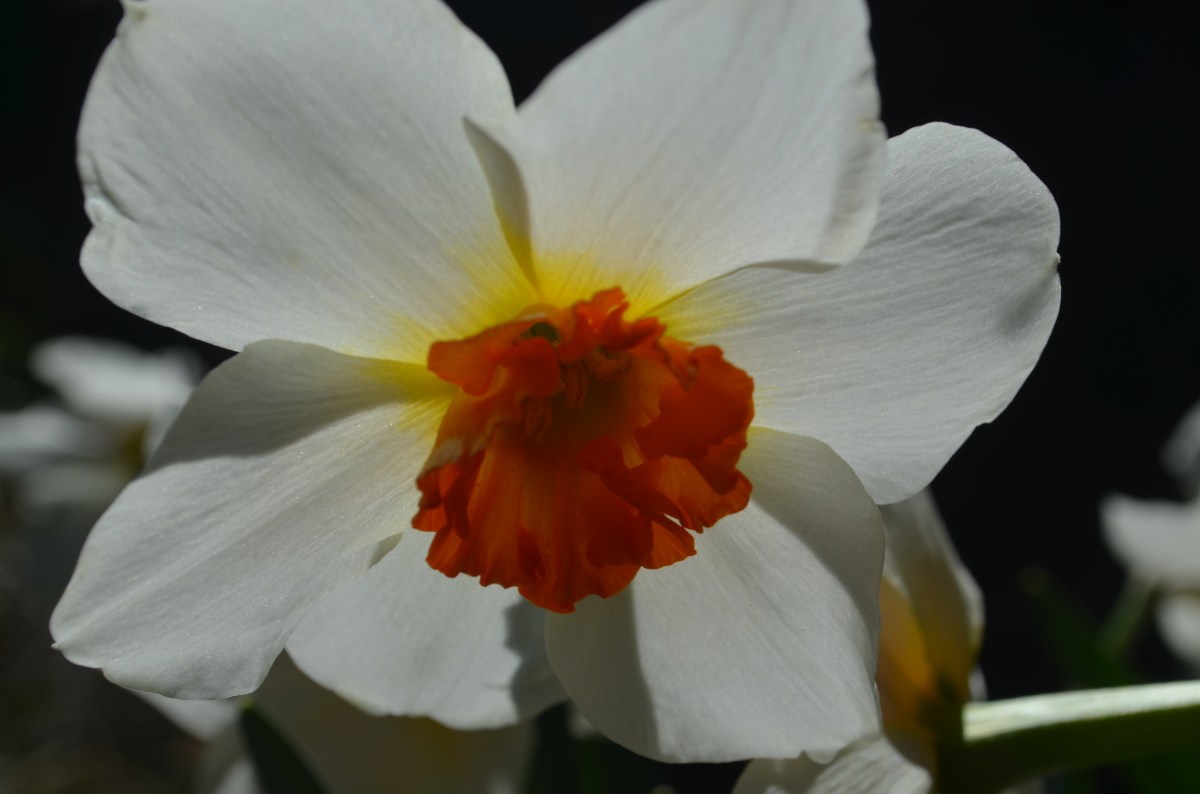
The daffodils were out, and so was I.

DSC_0327

DSC_0337

DSC_0340

And one crocus.

DSC_0341

The trick to getting good photographs is simple. Watch the light, get close, and pay attention to the composition. It also helps that I’m using a digital SLR and taking several shots. (I mean it’s only electrons.) I also use a polarizing filter to enhance color and cut down on the glare.

Austerity

Janet Loxley Lewis

From “Cold Hills”

I have lived so long
On the cold hills alone …
I loved the rock
And the lean pine trees,
Hated the life in the turfy meadow,
Hated the heavy, sensuous bees.
I have lived so long
Under the high monotony of starry skies,
I am so cased about
With the clean wind and the cold nights,
People will not let me in
To their warm gardens
Full of bees.

Thaw

Henry David Thoreau, 1816 – 1861
I saw the civil sun drying earth’s tears —
Her tears of joy that only faster flowed,

Fain would I stretch me by the highway side,
To thaw and trickle with the melting snow,
That mingled soul and body with the tide,
I too may through the pores of nature flow.

But I alas nor tinkle can nor fume,
One jot to forward the great work of Time,
‘Tis mine to hearken while these ply the loom,
So shall my silence with their music chime.

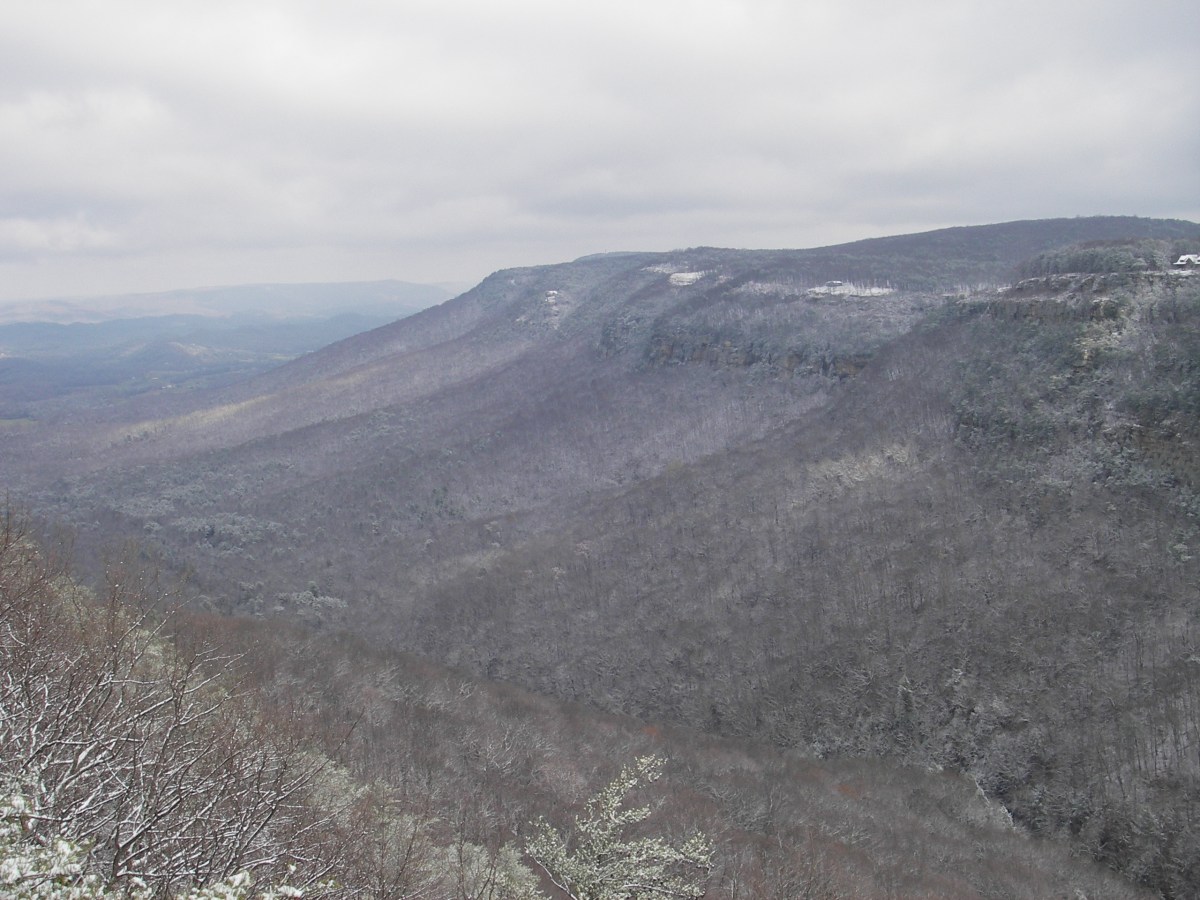
The picture is from a rare Georgia snowstorm at Cloudland Canyon.

Call of the Night

Djuna Barnes, 1892 – 1982

Dark, and the wind-blurred pines,
With a glimmer of light between.
Then I, entombed for an hourless night
With the world of things unseen.

Mist, the dust of flowers,
Leagues, heavy with promise of snow,
And a beckoning road ‘twixt vale and hill,
With the lure that all must know.

A light, my window’s gleam,
Soft, flaring its squares of red—
I loose the ache of the wilderness
And long for the fire instead.

You too know, old fellow?
Then, lift your head and bark.
It’s just the call of the lonesome place,
The winds and the housing dark.

If—

Rudyard Kipling, 1865 – 1936

Kipling has sort of gone out of style, but this is one of his best. I remember reading it as a boy and still try to live that way. (I don’t always succeed.)

If you can keep your head when all about you
Are losing theirs and blaming it on you;
If you can trust yourself when all men doubt you,
But make allowance for their doubting too;
If you can wait and not be tired by waiting,
Or, being lied about, don’t deal in lies,
Or, being hated, don’t give way to hating,
And yet don’t look too good, nor talk too wise;

If you can dream—and not make dreams your master;
If you can think—and not make thoughts your aim;
If you can meet with triumph and disaster
And treat those two impostors just the same;
If you can bear to hear the truth you’ve spoken
Twisted by knaves to make a trap for fools,
Or watch the things you gave your life to broken,
And stoop and build ‘em up with wornout tools;

If you can make one heap of all your winnings
And risk it on one turn of pitch-and-toss,
And lose, and start again at your beginnings
And never breathe a word about your loss;
If you can force your heart and nerve and sinew
To serve your turn long after they are gone,
And so hold on when there is nothing in you
Except the Will which says to them: “Hold on”;

If you can talk with crowds and keep your virtue,
Or walk with kings—nor lose the common touch;
If neither foes nor loving friends can hurt you;
If all men count with you, but none too much;
If you can fill the unforgiving minute
With sixty seconds’ worth of distance run—
Yours is the Earth and everything that’s in it,
And—which is more—you’ll be a Man, my son!