What’s the railroad to me?

Henry David Thoreau, 1817 – 1862

What’s the railroad to me?
I never go to see
Where it ends.
It fills a few hollows,
And makes banks for the swallows,
It sets the sand a-blowing,
And the blackberries a-growing.


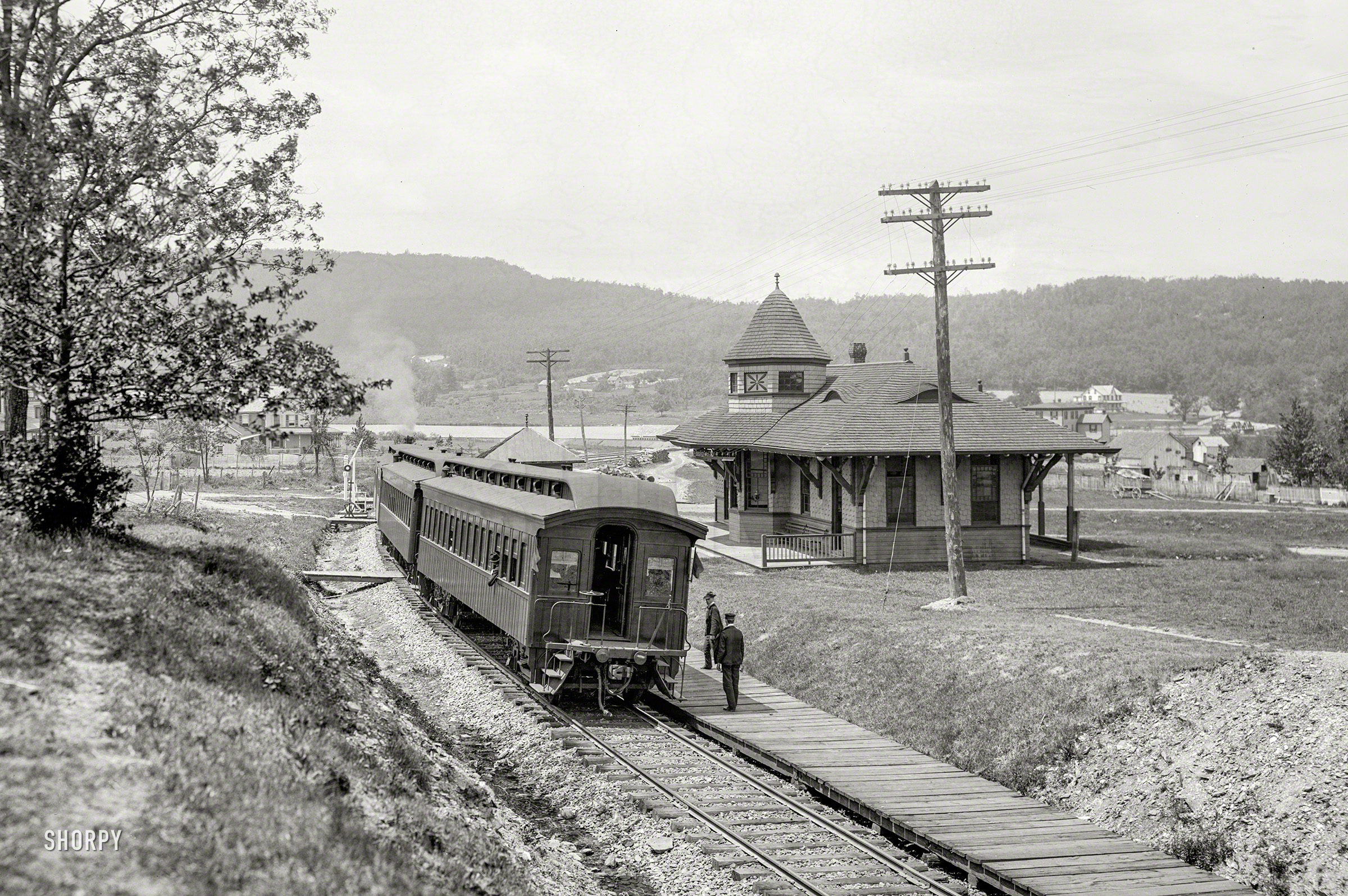
SHORPY-4a10982a_buena_vista_Pen-Mar_station_Western_Maryland_railway

This image, from shorpy, shows the Penmar train station at the start of the 20th century. The Appalachian trail runs through there now, and it’s well-covered in forest. Somehow I think Thoreau would approve of the change.

Assault

Edna St. Vincent Millay, 1892 – 1950

I had forgotten how the frogs must sound
After a year of silence, else I think
I should not so have ventured forth alone
At dusk upon this unfrequented road.

I am waylaid by Beauty. Who will walk
Between me and the crying of the frogs?
Oh, savage Beauty, suffer me to pass,
That am a timid woman, on her way
From one house to another!

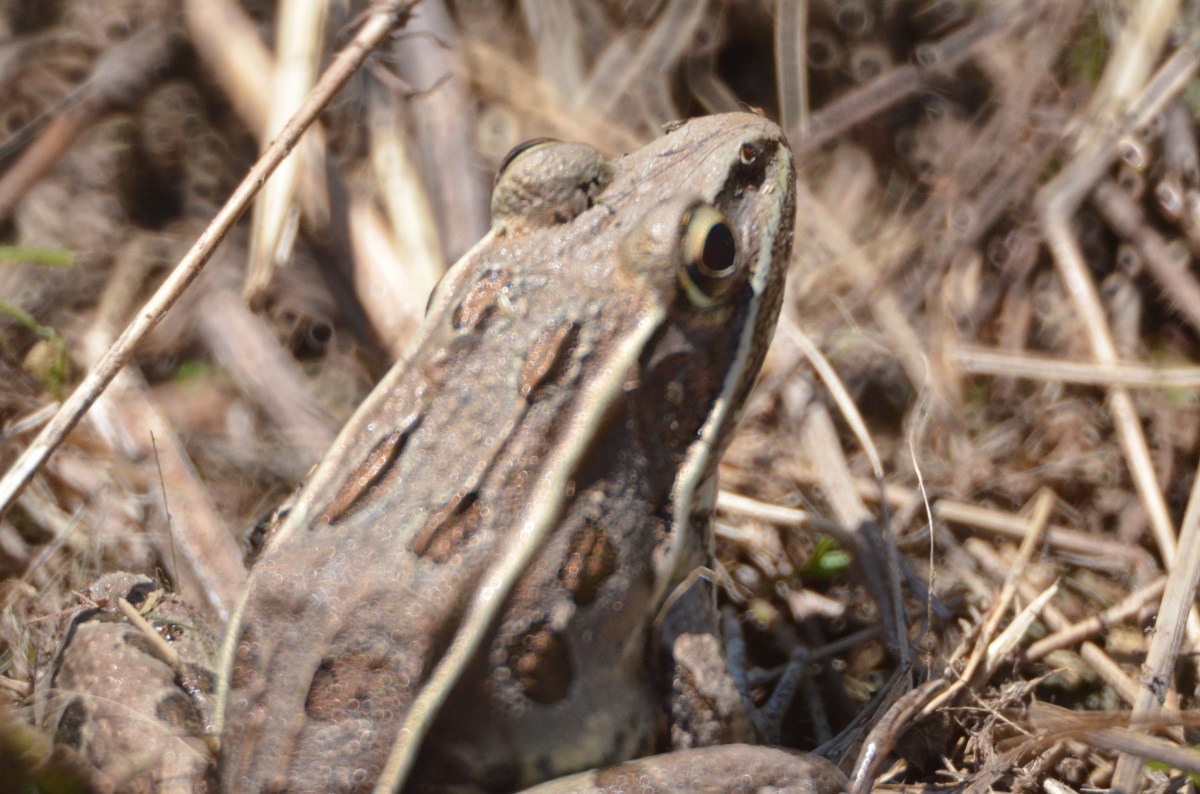
IMGP3931

The Power of the Dog

Rudyard Kipling, 1865 – 1936

There is sorrow enough in the natural way
From men and women to fill our day;
And when we are certain of sorrow in store,
Why do we always arrange for more?
Brothers and Sisters, I bid you beware
Of giving your heart to a dog to tear.

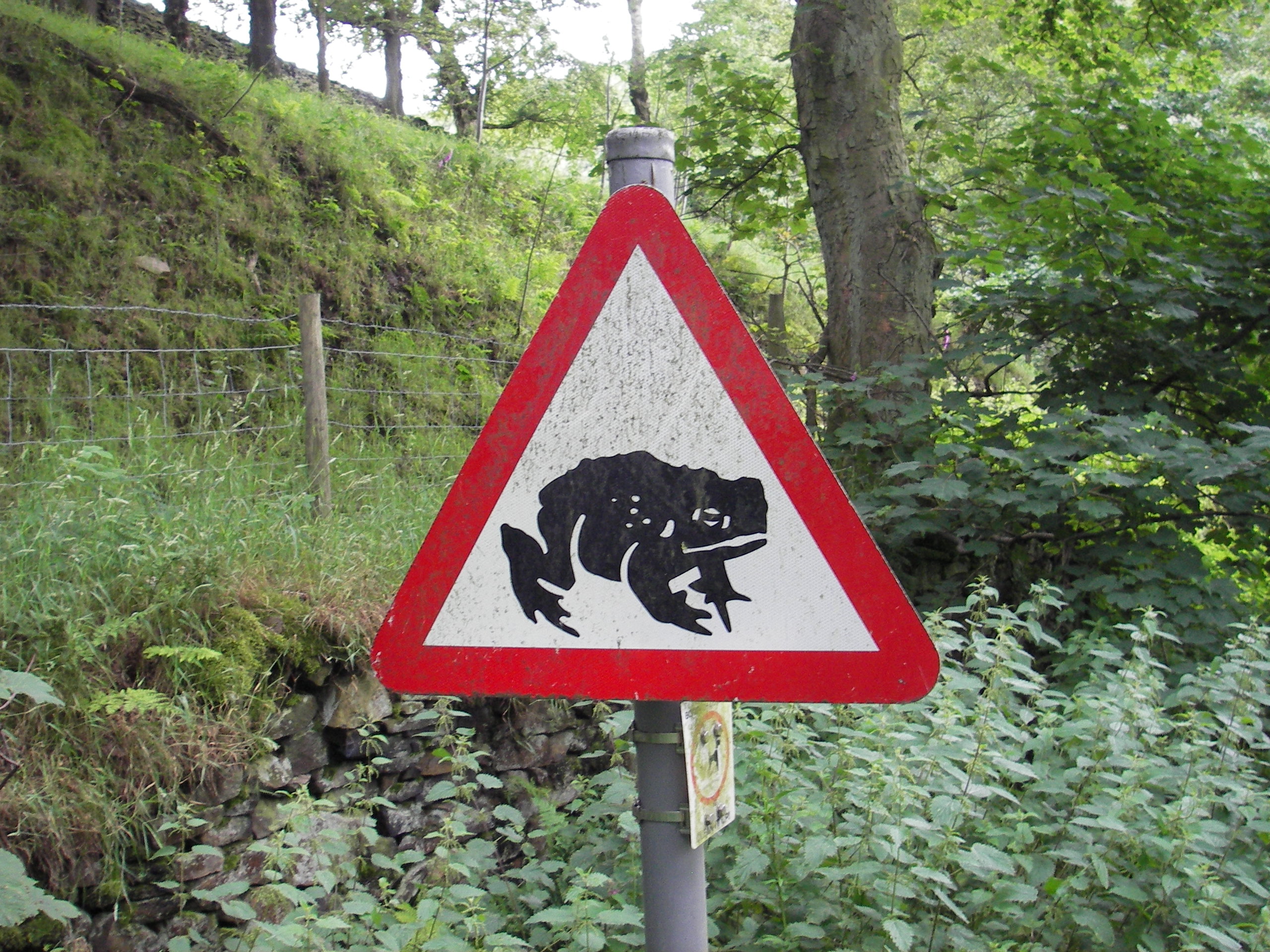
DSC_0223

Buy a pup and your money will buy
Love unflinching that cannot lie—
Perfect passion and worship fed
By a kick in the ribs or a pat on the head.
Nevertheless it is hardly fair
To risk your heart for a dog to tear.

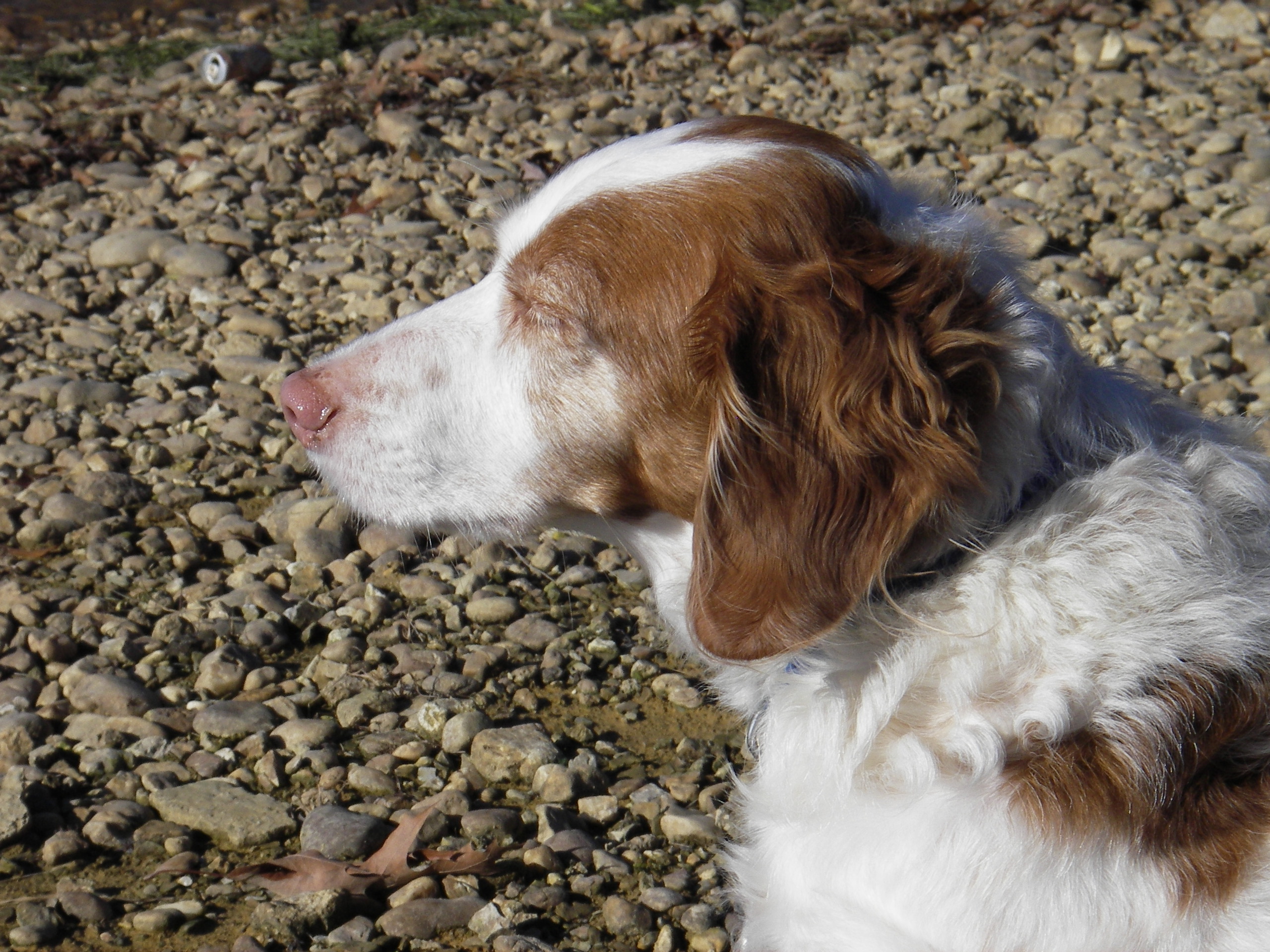
IMGP1140

When the fourteen years which Nature permits
Are closing in asthma, or tumour, or fits,
And the vet’s unspoken prescription runs
To lethal chambers or loaded guns,
Then you will find—it’s your own affair—
But … you’ve given your heart to a dog to tear.

IMGP0358

When the body that lived at your single will,
With its whimper of welcome, is stilled (how still!).
When the spirit that answered your every mood
Is gone—wherever it goes—for good,
You will discover how much you care,
And will give your heart to a dog to tear.

DSC_0235

We’ve sorrow enough in the natural way,
When it comes to burying Christian clay.
Our loves are not given, but only lent,
At compound interest of cent per cent.
Though it is not always the case, I believe,
That the longer we’ve kept ’em, the more do we grieve:
For, when debts are payable, right or wrong,
A short-time loan is as bad as a long—
So why in—Heaven (before we are there)
Should we give our hearts to a dog to tear?

IMG_0954

Easter, 1916

W. B. Yeats, 1865 – 1939

I have met them at close of day
Coming with vivid faces
From counter or desk among grey
Eighteenth-century houses.
I have passed with a nod of the head
Or polite meaningless words,
Or have lingered awhile and said
Polite meaningless words,
And thought before I had done
Of a mocking tale or a gibe
To please a companion
Around the fire at the club,
Being certain that they and I
But lived where motley is worn:
All changed, changed utterly:
A terrible beauty is born.

That woman’s days were spent
In ignorant good-will,
Her nights in argument
Until her voice grew shrill.
What voice more sweet than hers
When, young and beautiful,
She rode to harriers?
This man had kept a school
And rode our wingèd horse;
This other his helper and friend
Was coming into his force;
He might have won fame in the end,
So sensitive his nature seemed,
So daring and sweet his thought.
This other man I had dreamed
A drunken, vainglorious lout.
He had done most bitter wrong
To some who are near my heart,
Yet I number him in the song;
He, too, has resigned his part
In the casual comedy;
He, too, has been changed in his turn,
Transformed utterly:
A terrible beauty is born.

Hearts with one purpose alone
Through summer and winter seem
Enchanted to a stone
To trouble the living stream.
The horse that comes from the road,
The rider, the birds that range
From cloud to tumbling cloud,
Minute by minute they change;
A shadow of cloud on the stream
Changes minute by minute;
A horse-hoof slides on the brim,
And a horse plashes within it;
The long-legged moor-hens dive,
And hens to moor-cocks call;
Minute to minute they live;
The stone’s in the midst of all.

Too long a sacrifice
Can make a stone of the heart.
O when may it suffice?
That is Heaven’s part, our part
To murmur name upon name,
As a mother names her child
When sleep at last has come
On limbs that had run wild.
What is it but nightfall?
No, no, not night but death;
Was it needless death after all?
For England may keep faith
For all that is done and said.
We know their dream; enough
To know they dreamed and are dead;
And what if excess of love
Bewildered them till they died?
I write it out in a verse —
MacDonagh and MacBride
And Connolly and Pearse
Now and in time to be,
Wherever green is worn,
Are changed, changed utterly:
A terrible beauty is born.

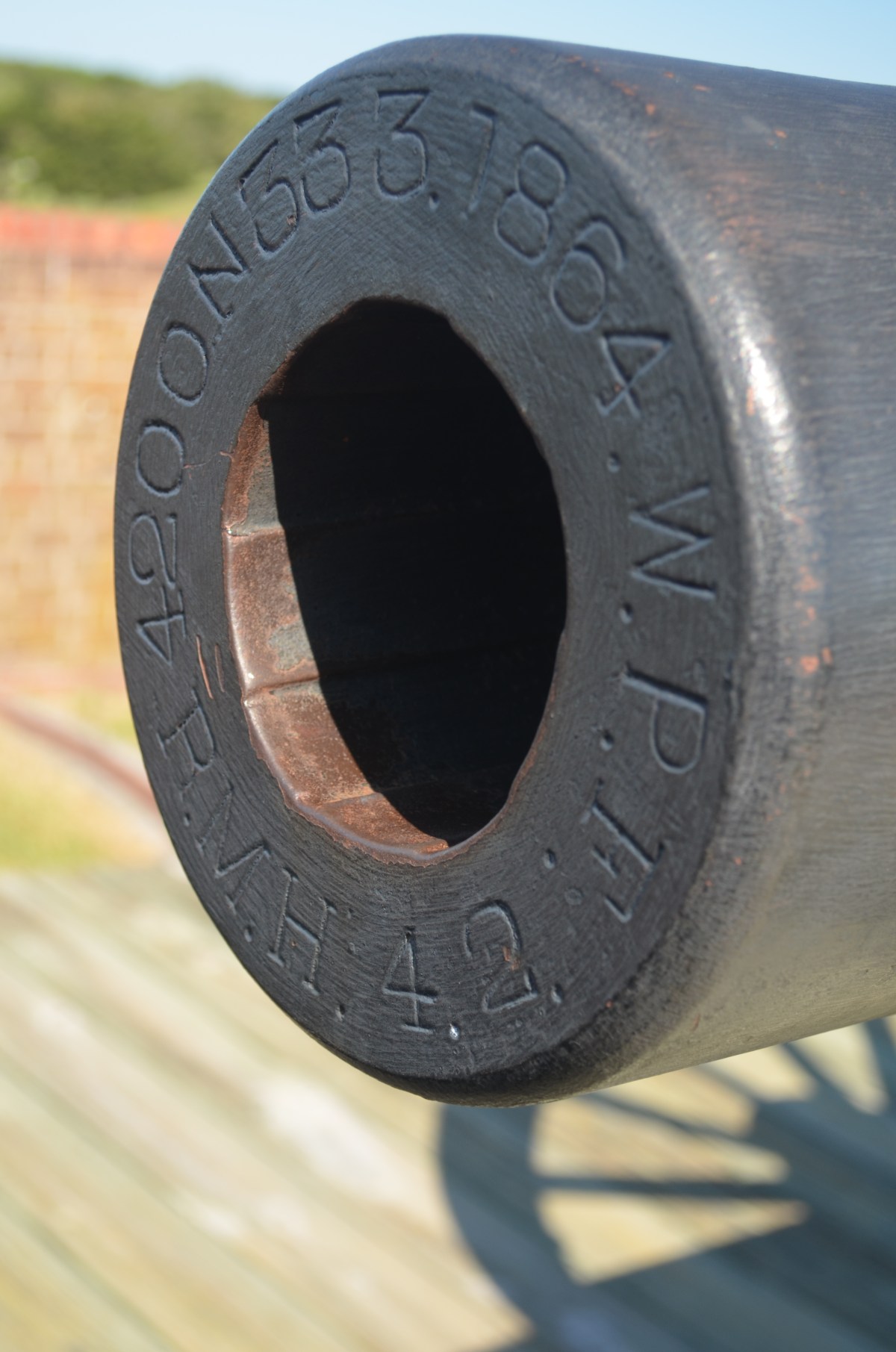
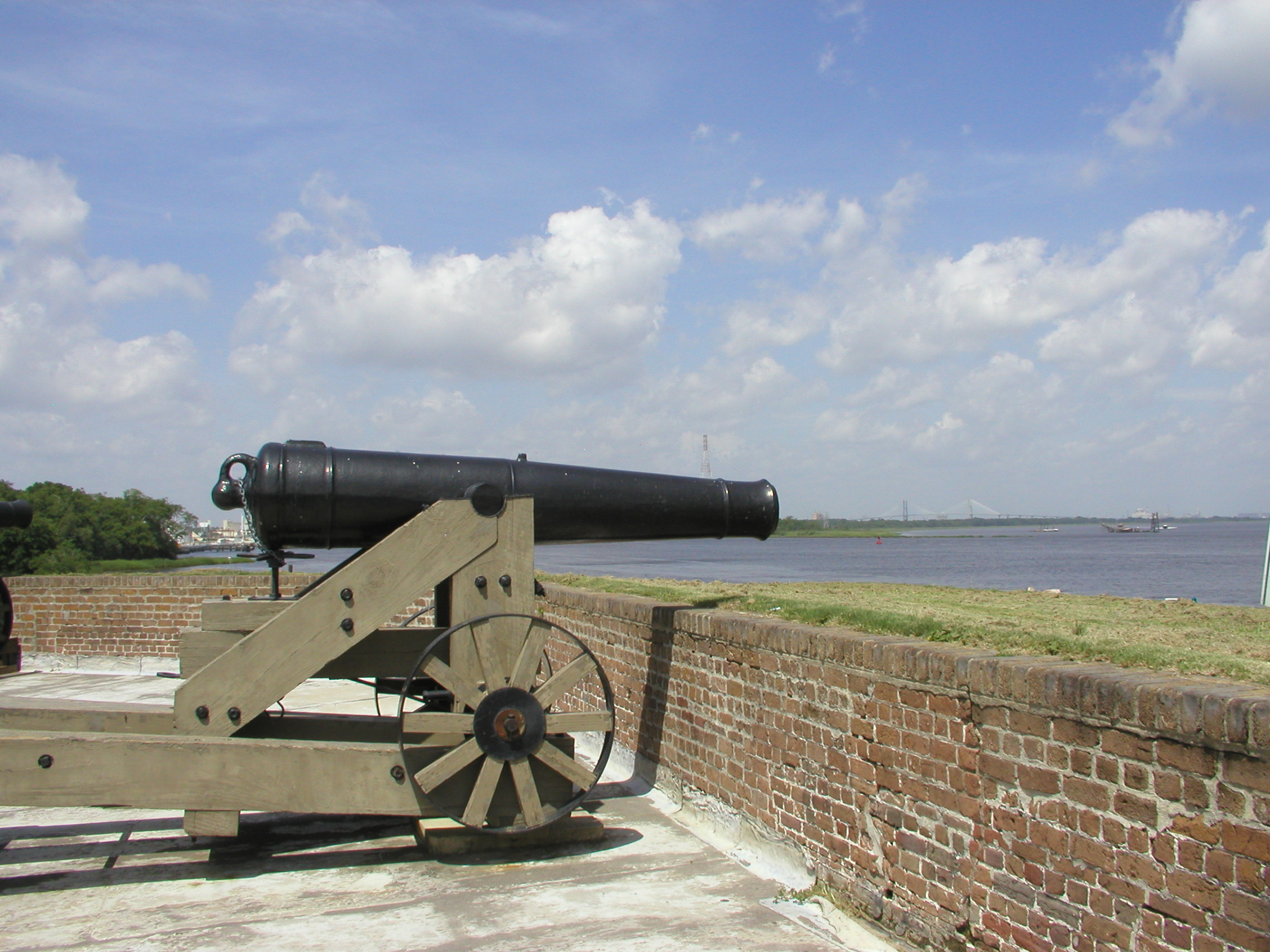
The picture is the muzzle of an American Civil War rifled cannon. There’s a connection between the Irish brigades that fought for the Union and the resurgence of Irish nationalism in the late 19th century. More than a few veterans decided they should apply their hard-earned skills back home.

Of Love: A Sonnet

Robert Herrick, 1591 – 1674

How love came in I do not know,
Whether by the eye, or ear, or no;
Or whether with the soul it came
(At first) infused with the same;
Whether in part ’tis here or there,
Or, like the soul, whole everywhere,
This troubles me: but I as well
As any other this can tell:
That when from hence she does depart
The outlet then is from the heart.

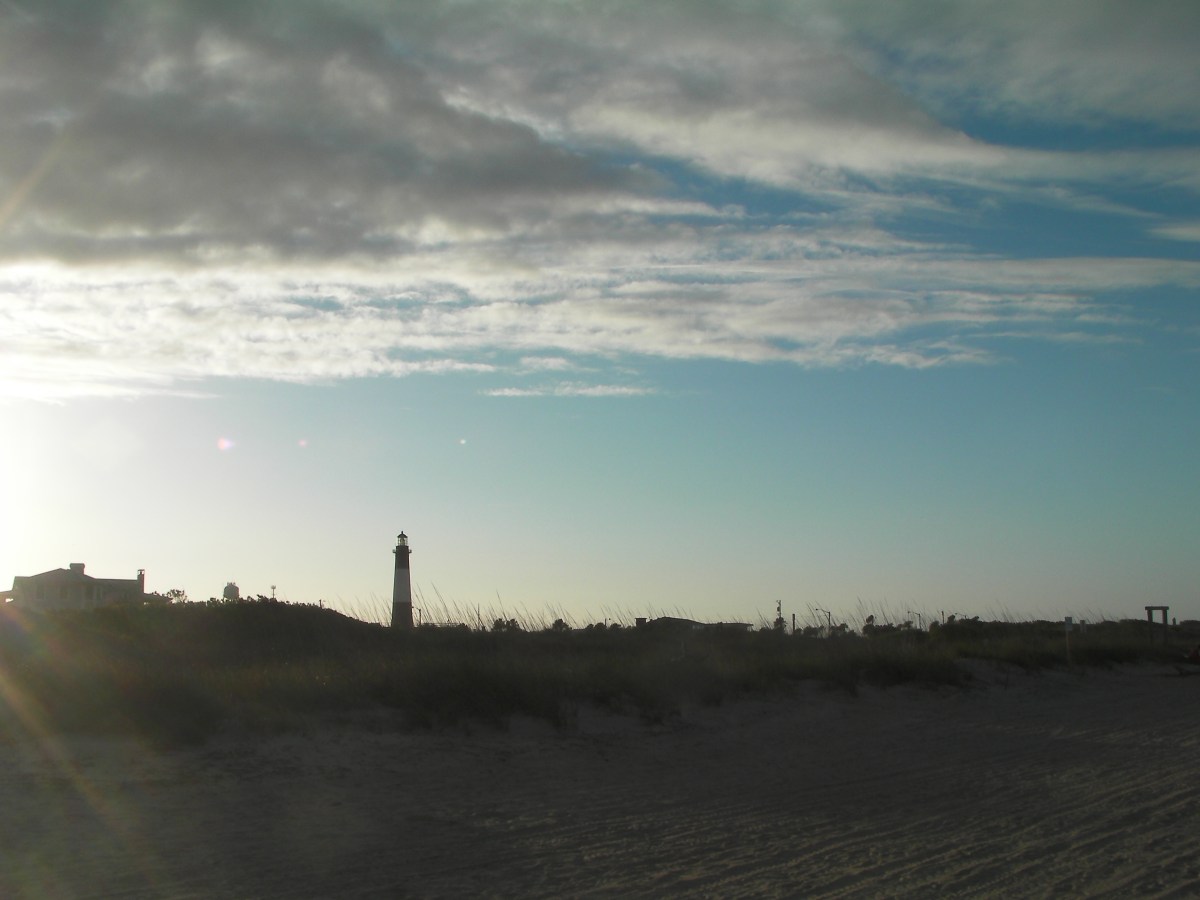
One of his more contemplative poems. The photo, of Tybee Island Lighthouse, is near where I spent my 34th wedding anniversary.

Like as the waves make towards the pebbled shore (Sonnet 60)

William Shakespeare, 1564 – 1616

Like as the waves make towards the pebbled shore,
So do our minutes hasten to their end;
Each changing place with that which goes before,
In sequent toil all forwards do contend.
Nativity, once in the main of light,
Crawls to maturity, wherewith being crown’d,
Crooked eclipses ‘gainst his glory fight,
And Time that gave doth now his gift confound.
Time doth transfix the flourish set on youth
And delves the parallels in beauty’s brow,
Feeds on the rarities of nature’s truth,
And nothing stands but for his scythe to mow:
And yet to times in hope, my verse shall stand,
Praising thy worth, despite his cruel hand.

The Peddler of Flowers

Amy Lowell, 1874 – 1925

I came from the country
With flowers,
Larkspur and roses,
Fretted lilies
In their leaves,
And long, cool lavender.

I carried them
From house to house,
And cried them
Down hot streets.
The sun fell
Upon my flowers,
And the dust of the streets
Blew over my basket.

That night
I slept upon the open seats
Of a circus,
Where all day long
People had watched
The antics
Of a painted clown.

Mid-Day

H. D., 1886 – 1961

The light beats upon me.
I am startled—
a split leaf crackles on the paved floor—
I am anguished—defeated.

A slight wind shakes the seed-pods—
my thoughts are spent
as the black seeds.
My thoughts tear me,
I dread their fever.
I am scattered in its whirl.
I am scattered like
the hot shrivelled seeds.

The shrivelled seeds
are spilt on the path—
the grass bends with dust,
the grape slips
under its crackled leaf:
yet far beyond the spent seed-pods,
and the blackened stalks of mint,
the poplar is bright on the hill,
the poplar spreads out,
deep-rooted among trees.

O poplar, you are great
among the hill-stones,
while I perish on the path
among the crevices of the rocks.

DSC_0118

Pastoral

William Carlos Williams, 1883 – 1963

The little sparrows
Hop ingenuously
About the pavement
Quarreling
With sharp voices
Over those things
That interest them.
But we who are wiser
Shut ourselves in
On either hand
And no one knows
Whether we think good
Or evil.

Then again,
The old man who goes about
Gathering dog lime
Walks in the gutter
Without looking up
And his tread
Is more majestic than
That of the Episcopal minister
Approaching the pulpit
Of a Sunday.
These things
Astonish me beyond words.

War and Hell, XVI [I am a great inventor]

Ernest Crosby

I am a great inventor, did you but know it.
I have new weapons and explosives and devices to
substitute for your obsolete tactics and tools.
Mine are the battle-ships of righteousness and integrity—
The armor-plates of a quiet conscience and self-respect—
The impregnable conning-tower of divine manhood—
The Long Toms of persuasion—
The machine guns of influence and example—
The dum-dum bullets of pity and remorse—
The impervious cordon of sympathy—
The concentration camps of brotherhood—
The submarine craft of forgiveness—
The torpedo-boat-destroyer of love—
And behind them all the dynamite of truth!
I do not patent my inventions.
Take them. They are free to all the world.

The archways of Fort Pulaski in Savannah remind me of church architecture.

cannon firing An 1840 Field Howizter in action.