The Art of Deception 31

The Art of Deception

or Pride and Extreme Prejudice

This started out as a weekend writing warriors post, but like most mathematicians I can’t count and put in 11 lines instead of 10 (ARRGH). It continues a spy story set in late Georgian England, the year before Trafalgar. Last week, Roderick arranged for Alice’s horse to misbehave. This week shows the two men discussing the afternoon. Since space no longer prohibits me from putting in that Mr Spode disapproved of his friend’s use of “a bolus prepared by my friends” to figg Alice’s otherwise tame mount I added a fair bit to the snippet to round it out. While crude, this put the women under a social obligation – one can’t cut off the man who rescued you. Mr Spode is struggling with his tie at the start of this excerpt.


Roderick stood in the doorway to Mr Spodes’ room, watching him finish with his neck cloth, “You really should stick to the coachman; simple, elegant and easy to tie.”

“Not this time … a waterfall or nothing.”

“The way you’re going, nothing … by the way, was your room searched this afternoon?”

“What?”

“Mine was; expertly, whoever did it knew how to replace a chip, and even noticed the tell-tale hair I’d placed on my dresser door.”

“Really?”

“Had they not disturbed my screws I’d never have known.”

“Can’t have been that Miss Mapleton you’ve been on about; both she and Lucinda were with me all afternoon.”

“I know.”

“That Aunt; I don’t like the look of her.”

“Could be, I inquired and there was an older servant looking around the inn this afternoon.”

“Hmmn, I suppose. Wouldn’t put it past her. Two of them working together?”

“Probably the three of them, Edward. Don’t say I didn’t warn you when they’re all in the Tower.”

“Right, I still can’t believe Miss Haytor is involved. She’s such an innocent. What did you find with your, ah, explorations?”

“That was also interesting. The dashing young Miss Mapleton left a chip in her wardrobe door. Had a devil of a time replacing it. Other than that nothing.”

“Nothing?”

“Nothing, no letters, no diary, no nothing. Not even a lock of hair from an old school friend. Dashed odd of a female, you know. The Aunt’s room and Miss Haytor’s were the same. Except their chips were easier to replace.”

“You have a suspicious mind Roddy. Now if you’ll excuse me, I must concentrate on this waterfall.”

A few moments later Edward examined his work in the mirror. “Not perfect, but close enough. Where were we going to host dinner?”

“I arranged for a parlour at the York. Neutral ground as it were.”

“Excellent, I’ve heard good things about their chef. Shall we meet Miss Haytor and party? With your heroic ride this afternoon, they cannot refuse our company.”

Roderick smiled, “Yes. Worked out rather well, didn’t that?”

“What did you do?” Edward was suddenly attentive to his friends’ words.

“An old horsecoper’s trick.”

“You didn’t ginger up[1] Miss Mapleton’s mount? I mean that’s just not done, figging a horse … she could have been hurt, killed.”

“Didn’t use ginger, but, ah, yes something like that. A special bolus prepared by my … acquaintances. Worked out well, so what’s the problem?”

Edward shook his head, disapproving of his friends’ activities.

“All’s fair.”

“No it dashed well isn’t. Ungentlemanly of you. Not good for the poor horse either.”

“You’re right, but I had to rig something, and at the time that was the best option. Shall we meander?”

Edward paused, “I’m not sure I can associate with you Lord Fitzpatrick. That was ungentlemanly.”

“She’s a French spy, I’m an agent. You know both sides will do what they need to do. She’d have done the same, or worse, to me had she the chance.”

“And you’re going to eat with her?”

“Why not? It isn’t as if she’ll poison us, and this way I can keep an eye on her.”

“Are you sure?”

“That’s part, no most, of the reason that I booked a parlour at the York – and did not tell them where we were dining. I’m sure they’re waiting for us, expectantly. On tenterhooks as it were.”

[1]          Gingering up is a modern term, historically it was known as figging. The idea is to stuff a stimulant such as ginger, tobacco or hot peppers into the rear end of the horse in order to give it “pep.” It is a cruel thing to do, but effective.

Now that you’ve read my hackery, please see the talented writers in Weekend Writing Warriors.


My apologies for creative punctuation.
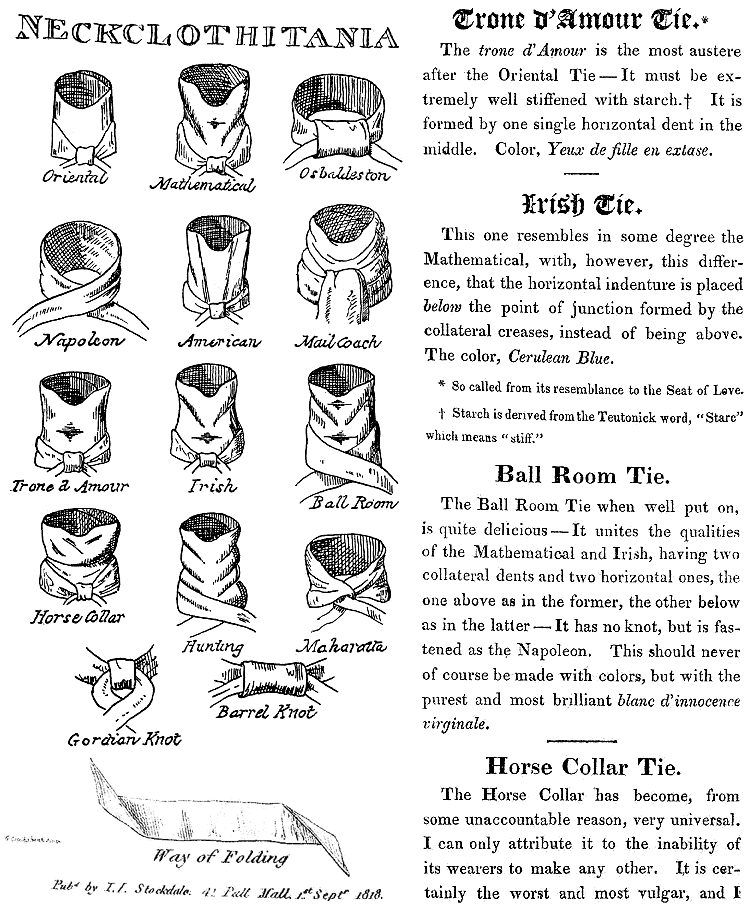
neckclothitania-1818The featured image, from Punch in 1859, shows the way the Victorians thought about Regency fashion. They considered it hopelessly old-fashioned and restrictive. Neckclothitania is a book entirely devoted to the art of tying “starchers.” While I’m a fan of knots and knot theory, as I sit here in my formal “HackGSU” t-shirt, I can’t help but be glad that I don’t have to tie these things.

Like poor Cecelia, “The Curious Profession of Dr Craven” is back from the dead.

I’ve released a sweet regency romance, Miss DeVere Miss_devere_1 This is a fun read.

Frankenkitty is available.
Frankenkitty What happens when teenagers get to play with Dr Frankenstien’s lab notebooks, a few odd chemicals and a great big whopping coil? Mayhem, and possibly an invitation to the Transylvanian Neuroscience Summer School.

Get Free Stuff and try out my landing page. There are three free complete short stories (including an ARC for Frankenkitty) available after you’ve gone through the hoops.

The Art of Deception 30

The Art of Deception

or Pride and Extreme Prejudice

12241791_735836876546522_6197947469406170479_n

Welcome to Weekend Writing Warriors.   This week continues a spy story set in late Georgian England, the year before Trafalgar. Last week, Mr Spode took Lucy and  Alice for a ride. His, and their, plan was to provide a distraction to cover a room search.  They’ve reached the monument and are on the way back when Alice discovers her horse isn’t quite as suitable for young ladies and invalids as she thought.


Her mare, realizing that this was now the return journey and that she was in front, took off; first at a trot, then a canter and finally, when a dog from one of the farms by the lane barked at her, a full-fledged gallop; Alice was no mean horsewoman, but riding a bolting horse is never easy or enjoyable.

Fortunately, a man who was riding a horse uphill in front of her, realized what was happening and urged his horse to the rescue; as she bolted past him, he galloped along her left side and by urging his horse to turn to the right eventually forced the two animals into a field; they circled, in successively smaller circles, until her mare calmed.

Finally able to look up from trying to control her mare, Alice turned to thank her saviour, “Mr Stanton! What are you doing here? I thought you were ill.”

“Well, I have felt better, but a change of air seemed an excellent idea; I remembered that your party was bound for the monument and decided to seek your company.”

“I’m glad you found me,” Alice was still a little breathless, “I’m not sure what I would have done.”

“You were holding your own; I haven’t seen such a fine display of horsemanship in a long while.”

Now that you’ve read my hackery, please see the talented writers in Weekend Writing Warriors.


My apologies for creative punctuation.

You may wonder how Roderick could arrange for Alice’s slug of a horse to bolt. It’s not as if he could put corundum powder on the steering gear (as in an Inspector Foyle story) or let most of the petrol out of the tank as Jeeves does in “the old school chum.” He couldn’t arrange for the horse specifically to bolt, but he could ensure that there would be some crisis or another by “figging” or “gingering up” the horse. Figging is an old horse cooper’s trick where an irritant is shoved up the horse’s backside. It gives the animal the appearance of spirit and was used to pass off an old or sick animal as healthy. Needless to say, it is unethical and cruel. People still occasionally try it in dressage where the conformation of the horse’s tail is important. It’s also, apparently, a common practice in BDSM – at least to judge from what I found when I searched for a relevant illustration. Roderick only uses it because he believes he is chasing a French spy – a serious matter. After all, she’d do the same, or worse, to him if she had the chance.

Like poor Cecelia, “The Curious Profession of Dr Craven” is back from the dead.

I’ve released a sweet regency romance, Miss DeVere Miss_devere_1 This is a fun read.

Frankenkitty is available.
Frankenkitty What happens when teenagers get to play with Dr Frankenstien’s lab notebooks, a few odd chemicals and a great big whopping coil? Mayhem, and possibly an invitation to the Transylvanian Neuroscience Summer School.
Get Free Stuff and try out my landing page. There are three free complete short stories (including an ARC for Frankenkitty) available after you’ve gone through the hoops.

The Art of Deception 29

The Art of Deception

or Pride and Extreme Prejudice

12241791_735836876546522_6197947469406170479_n

Welcome to Weekend Writing Warriors.   This week continues a spy story set in late Georgian England, the year before Trafalgar. Last week Lucy received an invitation to go for a ride. In a 1920’s gangster book that would seem a tad sinister, but this is just on horses, properly chaperoned, and to a civil war monument. They’ve decided this is an excellent opportunity for Miss Aldershot to investigate the men’s rooms at the Pelican. Unfortunately, Mr Stanton is ill, the sausage having disagreed with him.


Alice’s frustration with her horse showed, “I see these are gentle beasts, suitable for young ladies and other invalids.”

Edward smiled, “It will leave us with the time for conversation, and I should never forgive myself if Miss Haytor’s mount should bolt.”

“Thank you for considering my comfort.”

“These slugs, bolt? Not likely.” Alice was still not amused with the horses; her mare spotted a stray cur and sidled with a loud snort of displeasure; she pulled its reins and the horse quieted, “At least this one shows a little spirit.” She glanced at the groom, “but no manners.”

He ignored her.

After they had ridden off, a plainly dressed, middle-aged woman left the Christopher, bound for the Pelican; on the way she passed a rather good looking, similarly disguised, man heading the opposite direction; neither one of them noticed the other.

Now that you’ve read my hackery, please see the talented writers in Weekend Writing Warriors.


My apologies for creative punctuation.

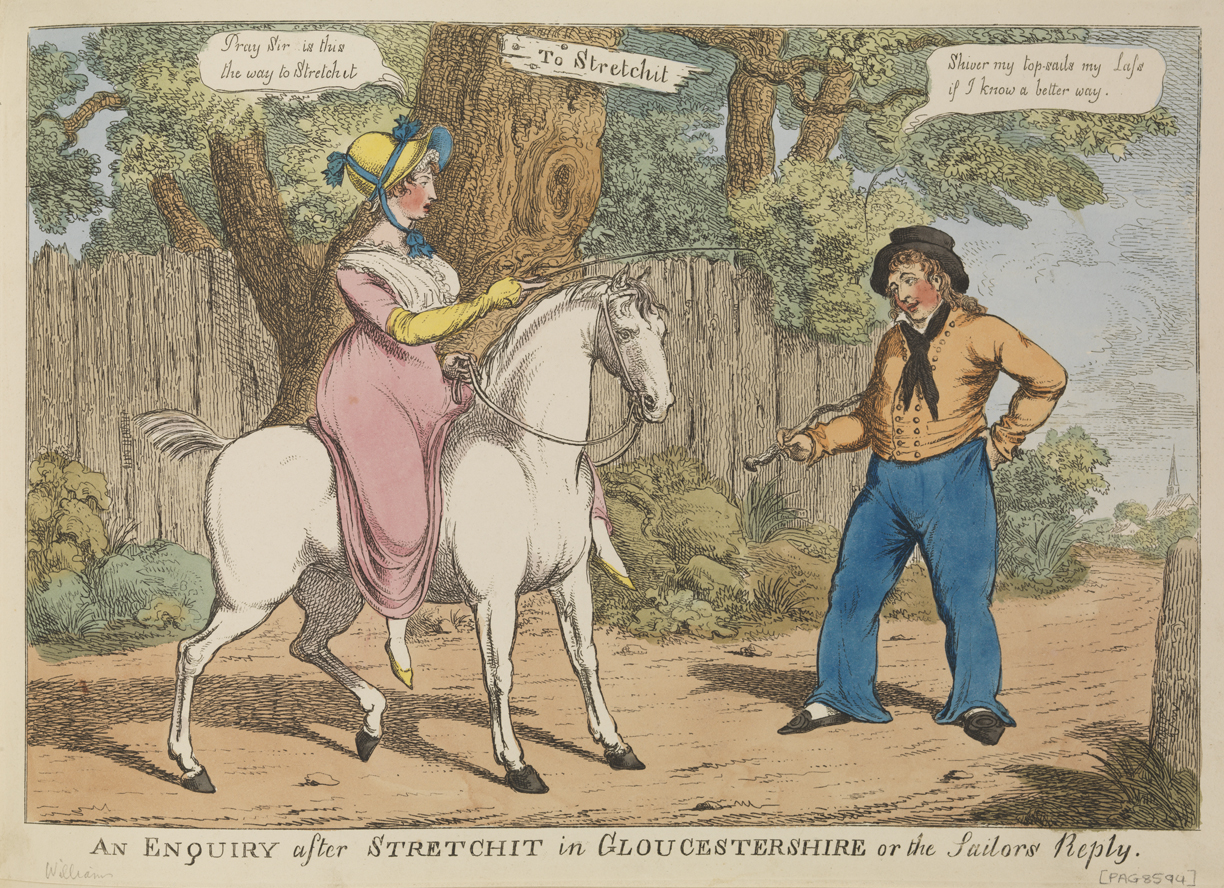
An enquiry after stretchit in Gloucestershire. PAG8594
An enquiry after stretchit in Gloucestershire.

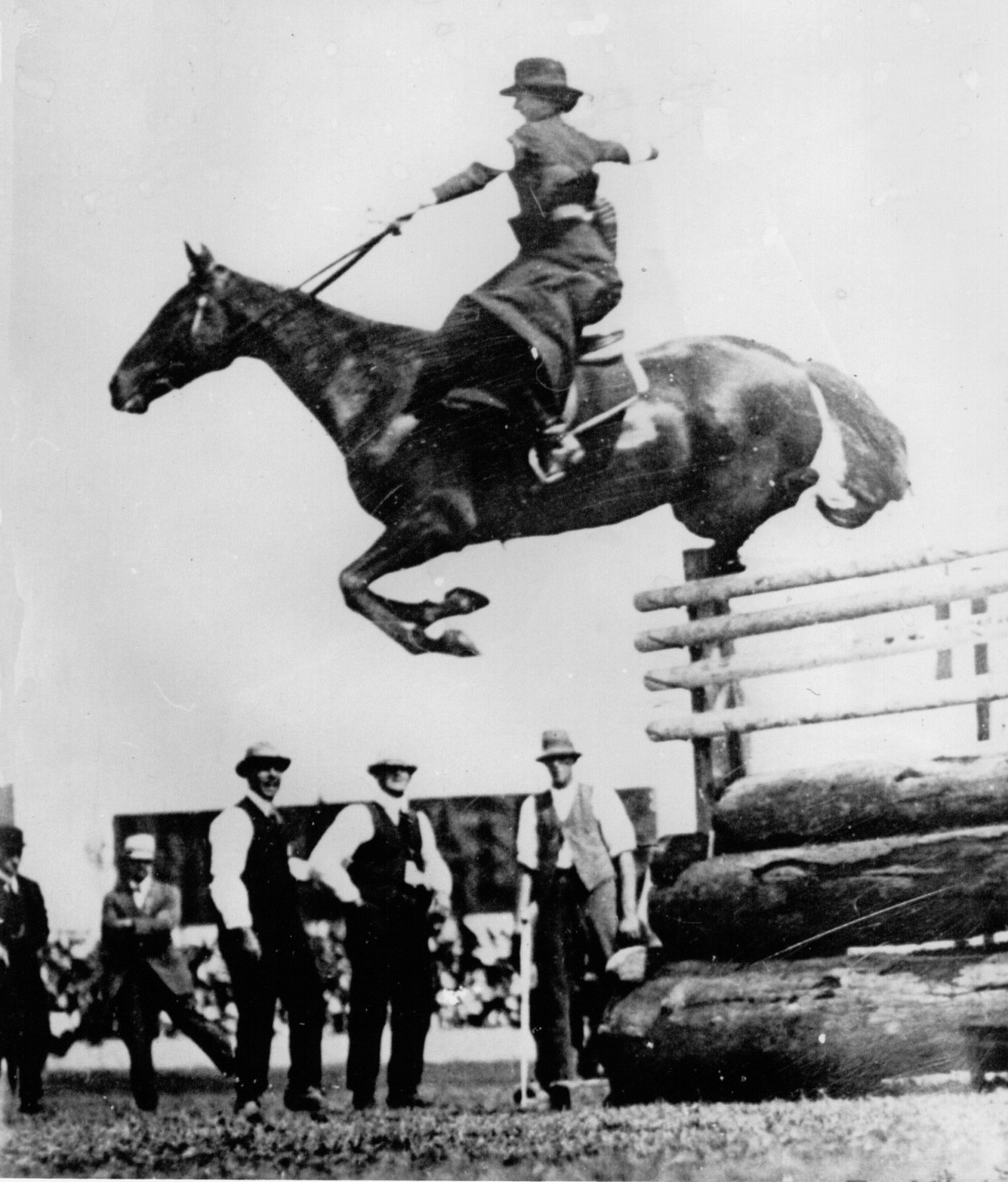
Having women ride astride is a very common error in historical films. Women generally rode sidesaddle. There were practical reasons for this as what the English call “pants” weren’t worn by the gentle gender. They did have leggings and stockings, but wore something closer to a suspender belt than modern undergarments. (for what it’s worth men wore something much like a cross between modern swimming trunks and “boxers”, with a drawstring and without the mesh inside.) Personally, the few times I’ve been on horseback I’ve been very glad to have both feet in stirrups and being able to grab the horses’ back between my knees. I can’t imagine what it was like to sit sideways. The young lady in the cartoon is “fast” and the Tar knows it. The featured image shows what could be done, if you had the guts. (If you look carefully, she’s raised from the seat and having significant “air time!”)

Like poor Cecelia, “The Curious Profession of Dr Craven” is back from the dead.

I’ve released a sweet regency romance, Miss DeVere Miss_devere_1 This is a fun read.

Frankenkitty is available.
Frankenkitty What happens when teenagers get to play with Dr Frankenstien’s lab notebooks, a few odd chemicals and a great big whopping coil? Mayhem, and possibly an invitation to the Transylvanian Neuroscience Summer School.
Get Free Stuff and try out my landing page. There are three free complete short stories (including an ARC for Frankenkitty) available after you’ve gone through the hoops.

The Art of Deception 28

The Art of Deception

or Pride and Extreme Prejudice

12241791_735836876546522_6197947469406170479_n

Welcome to Weekend Writing Warriors.   This week continues a spy story set in late Georgian England, the year before Trafalgar. Last week the two men discussed Lucy and Alice as they trudged back to the Pelican for a supper of dubious sausages washed down with excellent beer. Their discussion has borne fruit this week when Lucy receives an invitation for an excursion.


A message awaited Miss Haytor when she awoke Tuesday, “Mr Spode invites her and a companion, to ride with him and Mr Stanton; perhaps to see the Grenville monument, but certainly to take some exercise in the fresh air, away from the smells and smoke of Bath.”

“Could we?”

Miss Aldershot studied Lucinda, “What else does it say?”

“Merely that if riding were out of the question, he could hire a chariot; failing that, he’d meet us at the Bath; I should so like to ride.”

She stalled for time to think, “What do you think Alice?”

“It would get the two of them away from the Pelican; I’d be happy to, um, investigate their rooms while they are … detained by other activities.”

Martha smiled, “That is an idea, but no; I think it best, Alice, that I investigate your friends; you’ll enjoy the ride far more than I ever could and that dashing Mr Stanton won’t be tempted to cry off if you’re there.”

“If you insist.”

“I do, besides people are far less likely to remember a frumpy old maid poking around the Pelican than a pretty young thing like you.”

Now that you’ve read my hackery, please see the talented writers in Weekend Writing Warriors.


My apologies for creative punctuation.

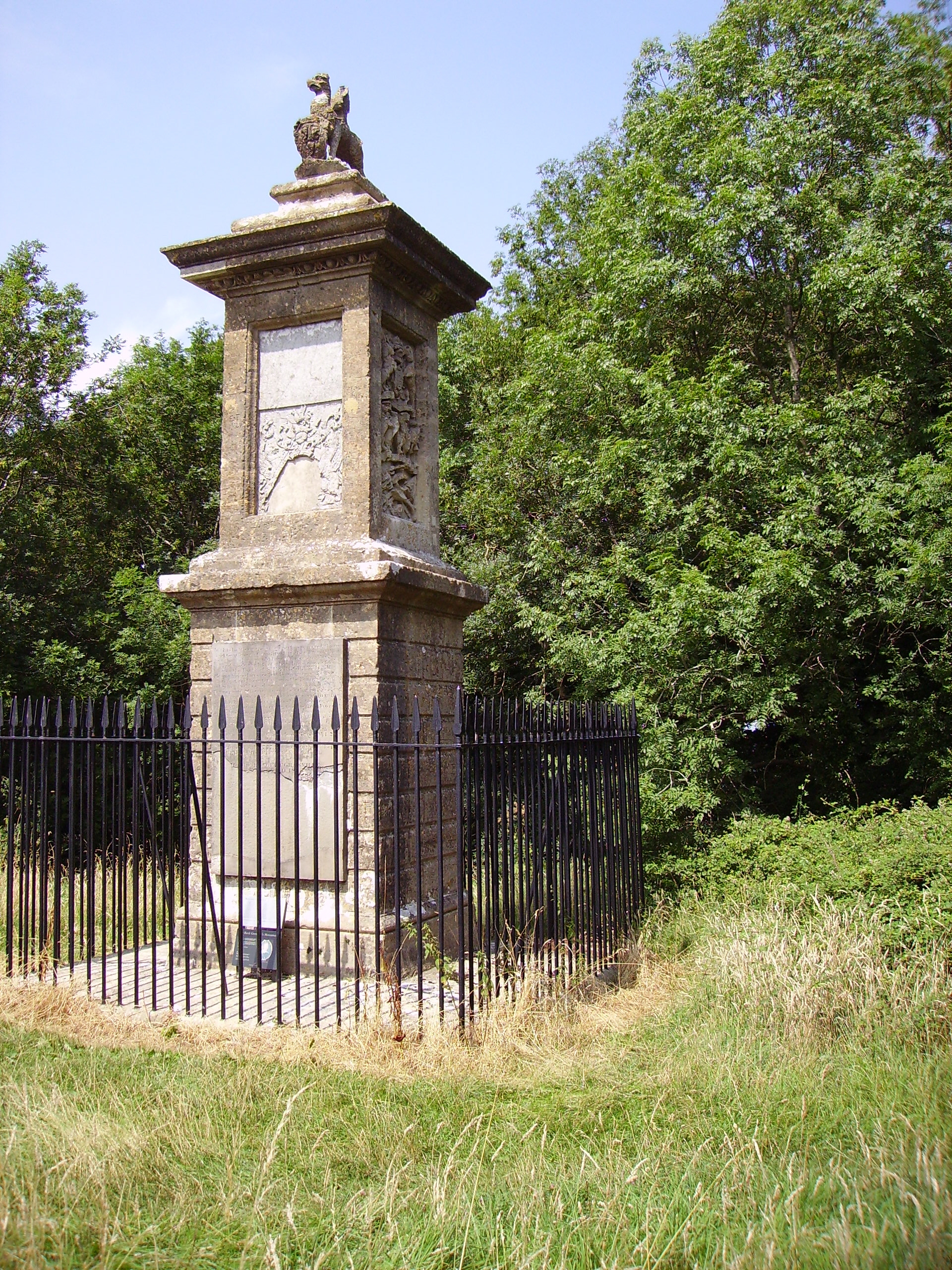
Sir_Bevil_Grenville_monument
The monument as it looks today.

Sir Bevill Grenville fought for the royalists at the battle of Landsdown during the English civil war. The parliamentarian army camped on the hill overlooking Bath. Sir Bevill died, leading his regiment of Cornish pikemen, in fierce hand to hand combat. Unfortunately, for the royalists that is, they lost. This battle was one of several turning points in the civil war. Had the royalists won, they would have held onto the southwest. His good friend, the poet William Cartwright – who would also die fighting for the royal side, wrote the elegy that is inscribed on the column.

This was not Nature’s courage nor that thing,
We valour call which Time and Reason bring,
But a diviner fury fierce and high,
Valour transported into Ecstasy. 

Like poor Cecelia, “The Curious Profession of Dr Craven” is back from the dead.

I’ve released a sweet regency romance, Miss DeVere Miss_devere_1 This is a fun read.

Frankenkitty is available.
Frankenkitty What happens when teenagers get to play with Dr Frankenstien’s lab notebooks, a few odd chemicals and a great big whopping coil? Mayhem, and possibly an invitation to the Transylvanian Neuroscience Summer School.

Get Free Stuff and try out my landing page. There are three free complete short stories (including an ARC for Frankenkitty) available after you’ve gone through the hoops.

The Art of Deception 27

The Art of Deception

or Pride and Extreme Prejudice

12241791_735836876546522_6197947469406170479_n

Welcome to Weekend Writing Warriors.   This week continues a spy story set in late Georgian England, the year before Trafalgar. Last week, Roderick and Edward met, somewhat to Roderick’s surprise, Alice and Lucy in Bath. They had an interesting and accidental meeting with an old acquaintance of Roderick’s. This week, the niceties over, the two men head back to the Pelican for as Roderick described it, “Sausages. Presumably made from pigs, but possibly with other, less savoury, ingredients.”


“Sausages for dinner, again?” Edward joked as he and Roderick trudged back to the Pelican.

“I hear they have a new cook; at least I hope so; in any case, the beer has a fine reputation and anything is edible – with enough of it; Did you catch their names and addresses?”

“Wondered how long it would take for you to ask me that, Lucinda,” He looked heavenward, “Lucinda is from Derbyshire, Thornsett, Miss Mapleton from the village of Easterly; I suppose that means we can write two villages off the list.”

“Not necessarily, Edward; the best cover stories are as true as is possible; fewer things to forget; Miss Mapleton did say her cousin was Miss Green … I think that is the name of the family thereabouts.”

Edward stopped, “You don’t think they’re involved?”

“Who?”

“Lady Green.”

“I’m impressed … know your minor nobility?”

“Lord no – they were friends of my parents; at least until Lord Green outran his legs; wonder what happened to them; last I heard they’d retired to the country; had a daughter, much younger.”

Now that you’ve read my hackery, please see the talented writers in Weekend Writing Warriors.


My apologies for creative punctuation.

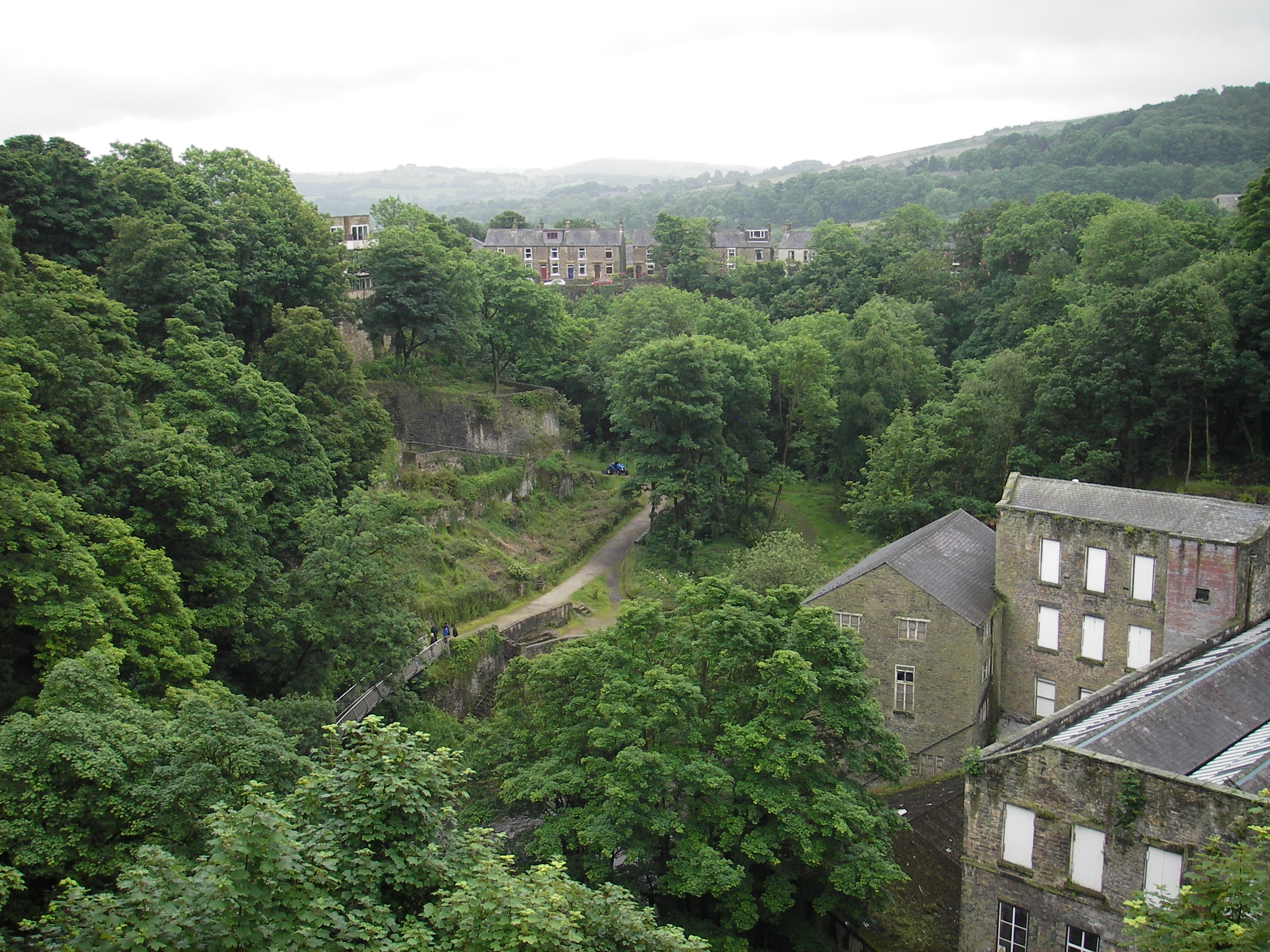
IMGP3801Thornsett is a real village, more of a crossroads now, on the canal between New Mills and Hayfield in the peak district. New Mills (in the picture) is, as the name suggests, a factory town. It’s situated on ample water power and was being built about the time of this story. In 1804 Thornsett was the bigger of the three towns.

Like poor Cecelia, “The Curious Profession of Dr Craven” is back from the dead.

I’ve released a sweet regency romance, Miss DeVere Miss_devere_1 This is a fun read.

Frankenkitty is available.
Frankenkitty What happens when teenagers get to play with Dr Frankenstien’s lab notebooks, a few odd chemicals and a great big whopping coil? Mayhem, and possibly an invitation to the Transylvanian Neuroscience Summer School.
Get Free Stuff and try out my landing page. There are three free complete short stories (including an ARC for Frankenkitty) available after you’ve gone through the hoops.

The Art of Deception 26

The Art of Deception

or Pride and Extreme Prejudice

12241791_735836876546522_6197947469406170479_n

Welcome to Weekend Writing Warriors.   This week continues a spy story set in late Georgian England, the year before Trafalgar. Last week, Roderick and his companion awaited Lucy and Alice in Bath. The story, this week, starts after they’ve connected with Alice and Lucy. After exchanging greetings, Alice reminds ‘her charge’ that they need to enter their names in Mr Kings’ book.


“Our names must be entered in Mr Kings’ book, or else we won’t be admitted to the assembly; it may be too late for tonight’s ball, but it would be a shame to miss the concert or Thursday’s ball; we must remember to add your Aunt Heather as well.”

Edward gave Roderick a quick glance, “Shall we accompany them?”

Roderick nodded, Names, names and addresses, unless Mr King has changed the rules, “Absolutely,” He offered his arm to Alice, “Miss Mapleton, may I escort you?”

Alice breathlessly, despite her misgivings, nodded her agreement.

The two couples dodged their way through the crowds as they walked towards the pump room; eventually they made it onto the open Abbey square; however, by then Edward and Lucinda were far ahead.

An older man, dressed in the slightly faded colours of an old blue uniform, accosted them, “Sir Roderick, Mon vielle truand!  What are you doing in Bath; I was told you were in America, and yet I find you ici with such a prime article on your arm; was she expensive, she looks it.”

Oh God, not now, “Do I know you?”

Mais of course, General Charles Dumouriez, or have you forgotten our great times in Hamburg already?”

Now that you’ve read my hackery, please see the talented writers in Weekend Writing Warriors.


My apologies for creative punctuation.

Charles-François_DumouriezGeneral Dumouriez is an interesting real character from the French revolution and the Napoleonic wars. He helped to overthrow King Louis, and was an effective general during the war against the British and continental powers that immediately followed. The song ‘The Jolly Duke of York’ refers to one of the battles where Dumouriez handed the British a short sharp shock in the lowlands of Holland. He survived Robespierre’s reign of terror (rain of blood?) and the corrupt directory. However, the brutality and corruption of the revolution eventually was too much for him and he joined the British. (He may also have simply fallen afoul of Napoleon and had to depart in a hurry.) He then advised the British intelligence for the duration of the war.

This weekend:

unnamed

Like poor Cecelia, “The Curious Profession of Dr Craven” is back from the dead.

I’ve released a sweet regency romance, Miss DeVere Miss_devere_1 This is a fun read.

Frankenkitty is available.
Frankenkitty What happens when teenagers get to play with Dr Frankenstien’s lab notebooks, a few odd chemicals and a great big whopping coil? Mayhem, and possibly an invitation to the Transylvanian Neuroscience Summer School.

Get Free Stuff and try out my landing page. There are three free complete short stories (including an ARC for Frankenkitty) available after you’ve gone through the hoops.

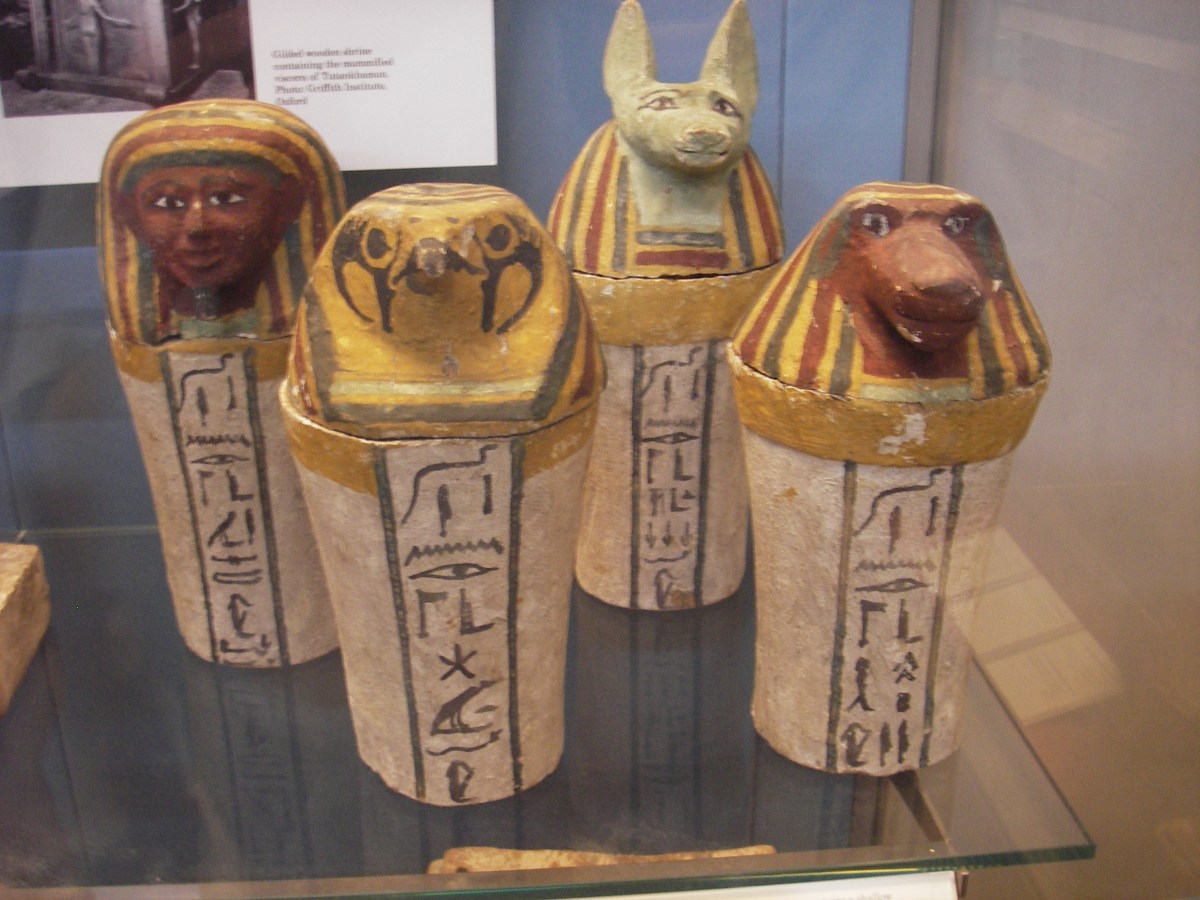
Funerary Sayings.

For what it’s worth.

The jug with the falcon (of Horus) reads:

For my strong staff, the god Osiris, my spirit adores him.

The one with the baboon reads:

For my strong staff, the gods Osiris and Hapy

Hapy is the god of the flood, associated with new life. The bottom literally is the pictograph for strong and the name Hpy (Hapy). The last pictograph is a leopard’s head, which implies strength. Oddly in terms of English grammar, it applies to the whole phrase, which is sort of like German where the verb is at the end (except it isn’t).

I probably made a few errors in these translations, but they should be close.

Amelia and I are furiously writing a new book where the Egyptian gods walk among us.

On Poodle Byng. #regency #amwriting

Frederick Gerald Finch Byng (AKA Poodle) makes an appearance in two books I’m working on. I’m searching for a publisher for, The art of deception, and the other, A formulaic romance, is nearing a complete first draft.

PastedGraphic1-2013-02-14-07-50
It’s sort of fun to search for historical information about him. There are three different stories about how he got the sobriquet Poodle. The most likely one is that Georgiana the Duchess of Devonshire gave it to him when he was courting her. Given what I can find about his character, he probably was a very dogged suitor and sat there like an expectant puppy. He treated the name with good humour and went everywhere with a dog. Unfortunately the dog’s name is lost to history, and the one drawing I’ve found doesn’t look like a poodle.

He worked for the foreign office, and after the deaths of his daughters became very interested in sewers. (He was actually a member of the Westminster Commission of Sewers.) My guess is that they died from a water-borne illness.

He seduced, made pregnant, and then (after she survived childbirth) married Catherine Neville. Catherine was his mother’s maid. She was not liked by London society. In fact, it was referred to as his great sacrifice. This makes it very difficult to find much about her. Although apparently she and Poodle were a good match. Both were prone to say inappropriate things at awkward times. It’s just that as a nobleman he was forgiven.

It was only London “high” society that shunned her. There are references to her and him visiting Paris and being entertained by French nobility. (Of course you can never tell with these foreigners ;-> ) They gave small dinner parties for friends, most of whom were members of society. Thomas Creevey says in his memoir that he could not give countenance to “such tits”, but went along for the company.

Occasionally you’ll find a reference to “a daughter who died soon after they were married.” Actually there were two, Elizabeth (1817-1827) and Frederica (1819-1831).

Bum-be-seen, Regency Fashion.

We tend to view regency fashion and manners through the prism of the later Victorian period. This tends to put things in a more, ahem, prudish light than is quite appropriate. Undoubtedly, while young females had companions and manners made strolling alone with a pleasant male companion difficult, there were aspects of fashion and manners that were more fluid than we’d expect.

Gilray’s cartoon satirizes the fashion of 1807, with its sheer muslins. Bombazine is a heavy black cloth, usually worn in first mourning and widowhood. Bum-be-seen, is something else. I’m sure the woman on the right is fully aware of what she’s displaying, and why.

Oliver the spy.

Historical Research.

I pride myself on being reasonably accurate in my historical fiction. I say reasonably, because I do make mistakes, but never intentionally. It’s quite hard, indeed impossible, to get it right – the way it really was. Simply because there was no ‘the way it was’ and everyone’s experience was their own. The documentation is also contradictory and has to be used with caution.

As an aside, many things that people think are ‘mistakes’ are actually correct – Sir William Knighton, Doctor to the King and the Ton, almost certainly had what could best be described as a poor understanding of disease, physiology and health. So you probably would be better off with a boy scout who has just passed 1st class first aid than the ‘best’ doctor of the age. And, yes, you could get from Bath to London in a day in 1810 – though you did stop to change horses at every stage (roughly every hour).

Those snide comments aside, how do you get it right?

The answer is research.

I’ve been writing a work, set in 1816, later than most of my recent work. Napoleon has been vanquished completely, banished to St. Helena and all is right in the world. Well, no. England, without the stimulus spending of the war, and in the throes of the first industrial revolution, is in dire straits. The government structure is mired in a mixture of medieval and Georgian incompetence. In other words, time was ripe for a revolution.
It really was ripe for reform, where radical ideas like one-man one vote were past due. (Even one propertied man one vote, saying nothing about one-woman one vote).

Unfortunately the government did not like this idea. Not one little tiny bit. And so they came up with an idea that was worthy of a conspiracy theory that would make the speculation about JFK’s assassination or our president’s birth certificate look like pikers. They would use agents to start rebellions, crush the rebellions with military force (had to do something with those soldiers, you know) and use that as an excuse to enact Draconian legislation.

Enter William J Richards or William Oliver. Better known as Oliver the spy. After being released from debtor’s prison, he spent the spring of 1817 travelling around the midlands, setting a pace that would be hard to do with an automobile today, and hitting every reform meeting he could. (When he didn’t stop at Sir John Byng’s regiment to arrange for backup and keep the authorities informed.) Eventually he struck gold, and fomented the Pentridge (Pentrich) rebellion. Oliver was a bit lucky here, had the leader of the Pentridge rebellion been in Nottingham the week before, he would have known Oliver was a spy. It, of course, was crushed – by the 15th Hussars (of Peterloo fame) – and the ring leaders duly hung or transported.

It and related events allowed Parliament to pass the ‘six  acts’ in 1819. Laws that restricted assembly, freedom of speech and other things we take for granted. Even when the laws were vaguely sensible, they had nasty features such as eliminating the need for a search warrant.

The preamble, quoted below, says it all.

 every meeting for radical reform is an overt act of treasonable conspiracy against the King and his government

Thrilling times.

The featured image shows his signed deposition.