The Crocodile

Lewis Carroll, 1832 – 1898

How doth the little crocodile
Improve his shining tail,
And pour the waters of the Nile
On every golden scale!

How cheerfully he seems to grin,
How neatly spreads his claws,
And welcomes little fishes in,
With gently smiling jaws!

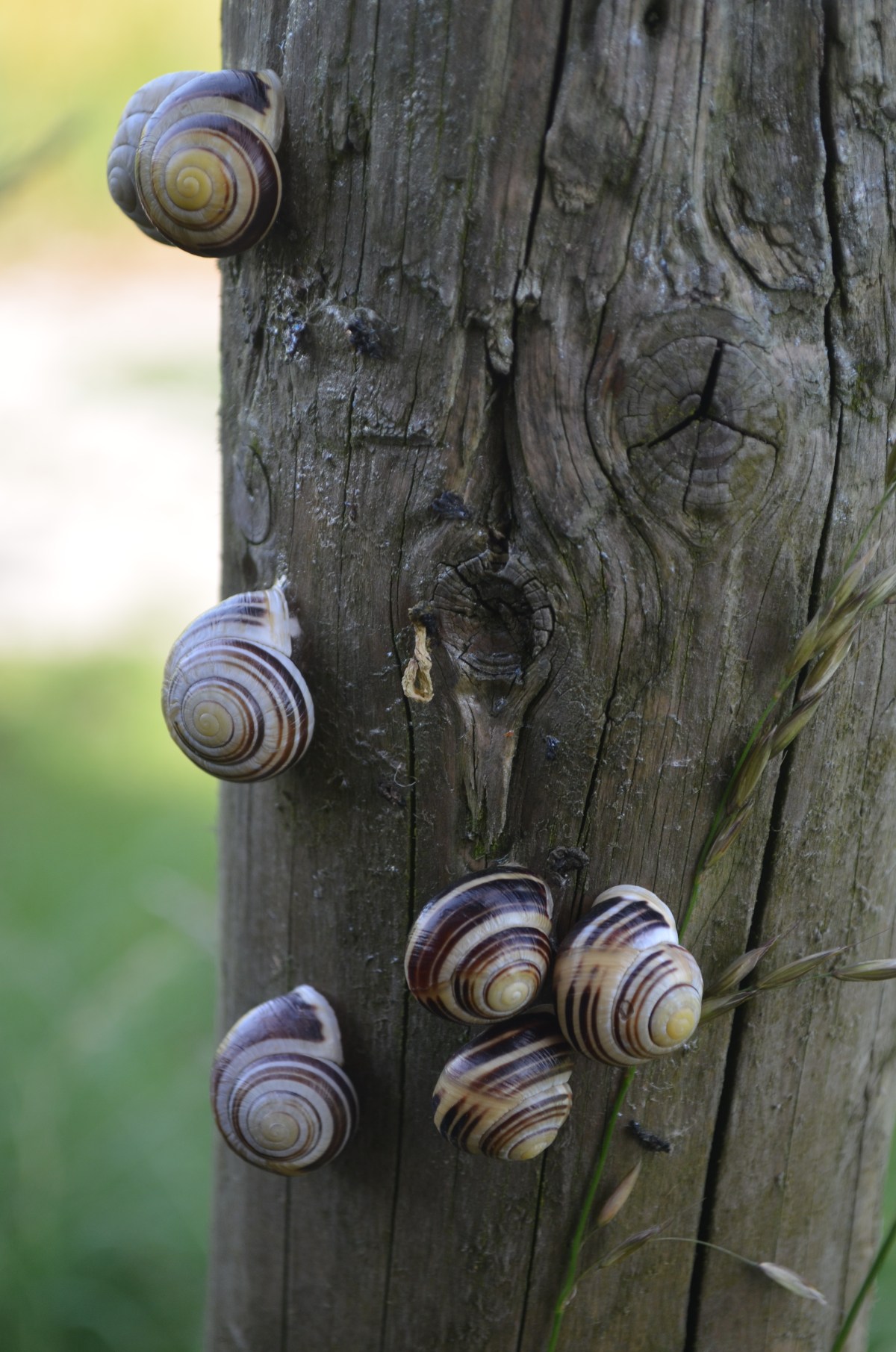
The Snail

William Cowper, 1731 – 1800

To grass, or leaf, or fruit, or wall,
The snail sticks close, nor fears to fall,
As if he grew there, house and all
Together.

Within that house secure he hides,
When danger imminent betides
Of storm, or other harm besides
Of weather.

Give but his horns the slightest touch,
His self-collecting power is such,
He shrinks into his house, with much
Displeasure.

Where’er he dwells, he dwells alone,
Except himself has chattels none,
Well satisfied to be his own
Whole treasure.

Thus, hermit-like, his life he leads,
Nor partner of his banquet needs,
And if he meets one, only feeds
The faster.

Who seeks him must be worse than blind,
(He and his house are so combin’d)
If, finding it, he fails to find
Its master.

Assault

Edna St. Vincent Millay, 1892 – 1950

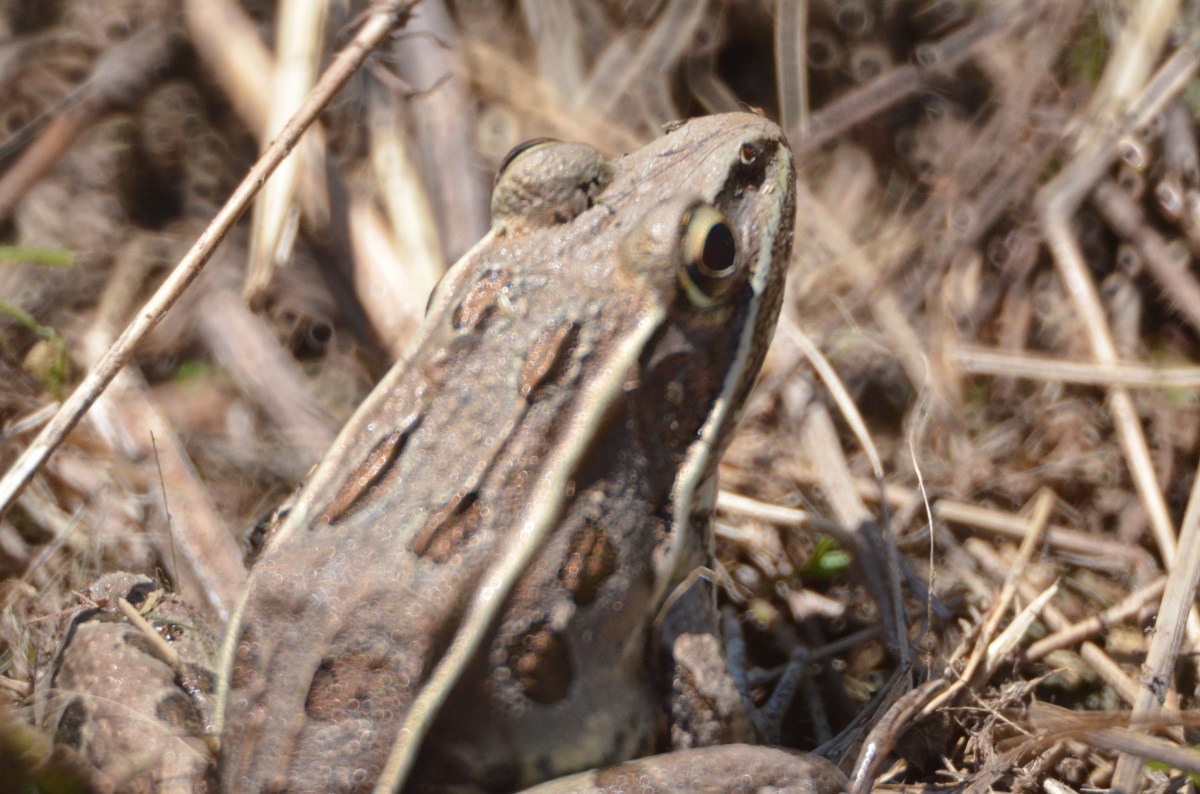
I had forgotten how the frogs must sound
After a year of silence, else I think
I should not so have ventured forth alone
At dusk upon this unfrequented road.

I am waylaid by Beauty. Who will walk
Between me and the crying of the frogs?
Oh, savage Beauty, suffer me to pass,
That am a timid woman, on her way
From one house to another!

IMGP3931

Long term review of the Opteka 500mm lens

About a year ago i purchased one of these lenses to take pictures of wildlife. opteka
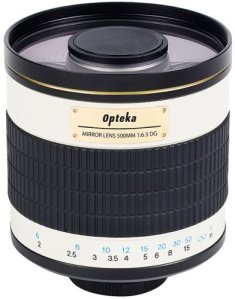
I now have enough experience to write a review.
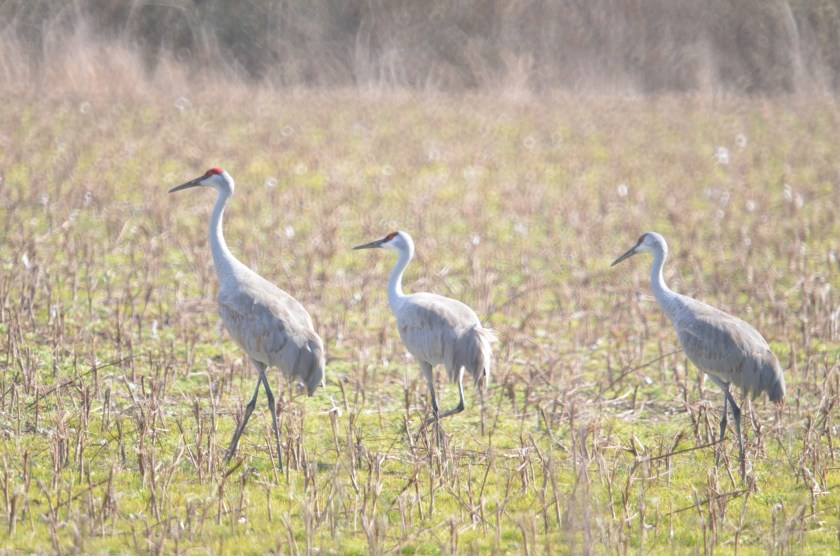
DSC_0307

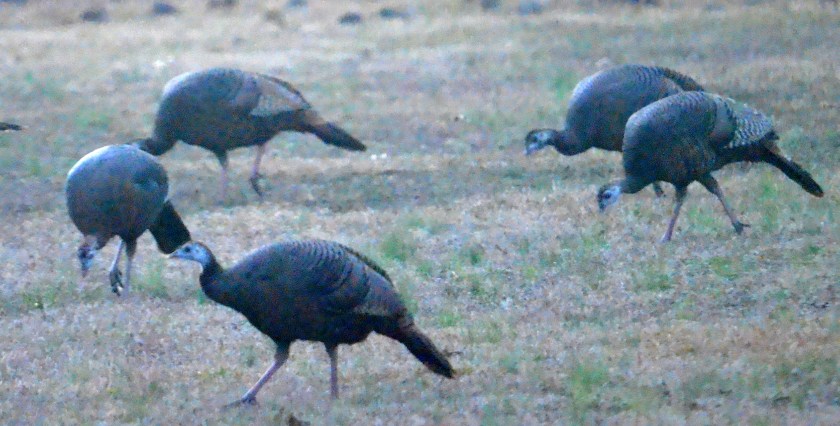
turkey

DSC_0147
Good points:

  • Inexpensive. $140 on Amazon. A “real” Nikon lens can run into the thousands.
  • Works. It does what it says. It will bring things into close focus. Including things you don’t want to get too close to.
  • Small, light and maneuverable A conventional telephoto lens is much longer and heavier.
  • Close focus You can focus on surprisingly close objects. This makes it great for taking pictures of things that don’t appreciate humans getting up close and personal.

Bad points:

  • Weakly coupled to the camera. Everything is manual, including exposure.
  • No autofocus. This limits its use in rapidly changing situations. Following a moving bird for example.
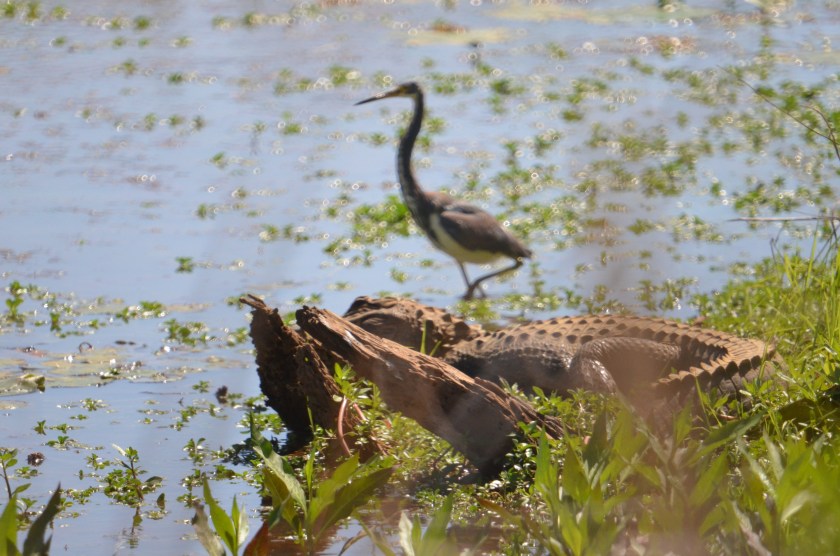
  • Paper-thin focus. Be prepared to take several photos to get the focus right
  • Infinity is not set at infinity on the lens. Don’t assume the stars are in focus.
  • The 2x extender leads to barrel distortions.

I generally use it with a fast shutter exposure (1/4000 s) to avoid blur and then control the exposure with the camera’s “film speed” setting. In bright light that’s about 2000ASA. In dim light, you may have to play around.

It’s also critical to make sure that the T-mount is firmly screwed into the lens. If it comes loose you won’t be able to focus.
This picture shows what I mean by paper thin focus:
DSC_0488
Note that I’ve focused on one wing of the butterfly and the other wing is completely out of focus.

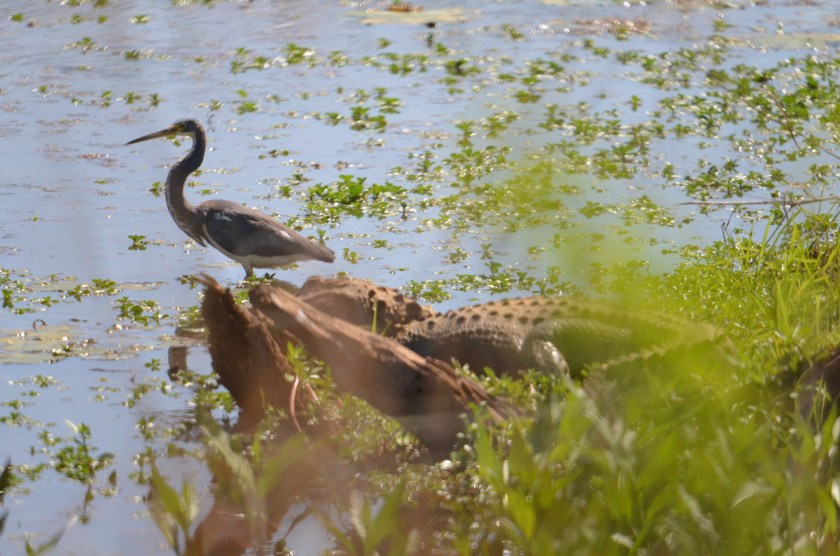
This picture of an alligator and heron show the same effect at a longer distance.
DSC_0436

It should look like this:
DSC_0439

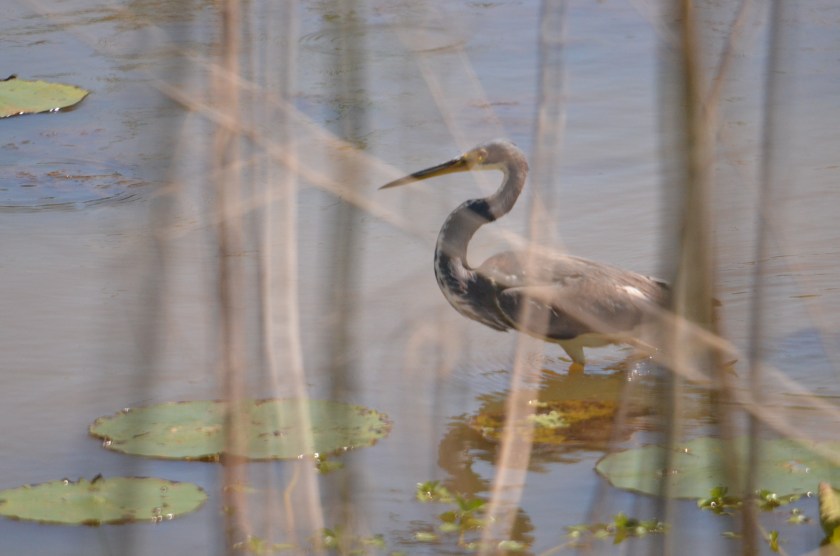
It can be an advantage to have a thin focus. The bird is clear and the reeds have disappeared.
DSC_0443

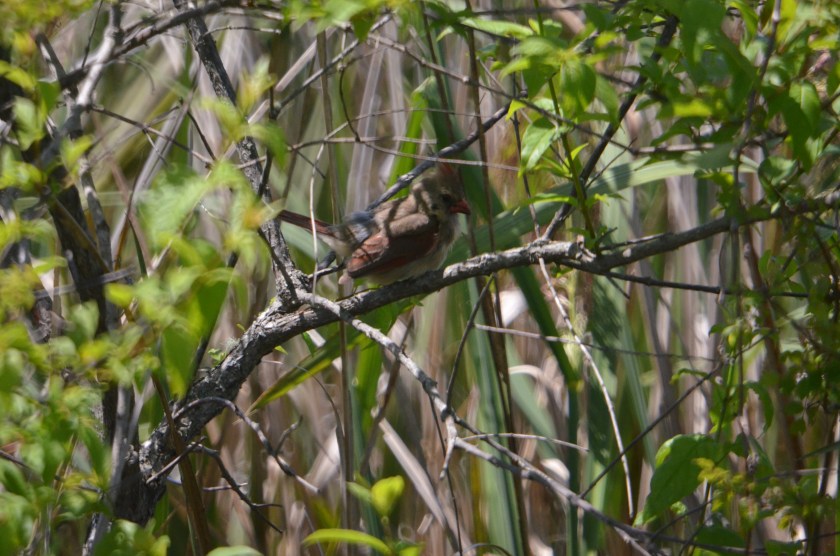
It’s great for taking pictures of things that aren’t moving too quickly, like this female cardinal.
DSC_0574

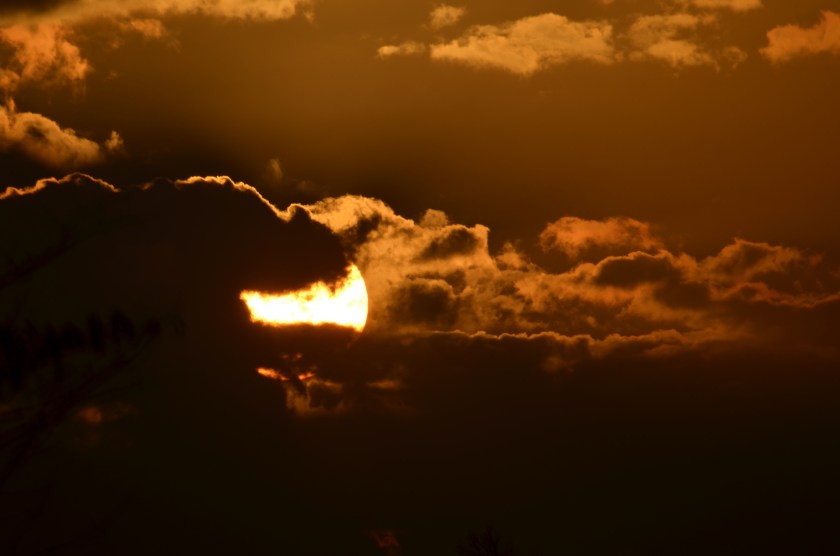
And you can get some great effects:
DSC_0186

In summary, you get what you pay for. It works. There are several things that could be better, but you have to fork over the cash. I wouldn’t use it for rapidly changing things like sports or moving creatures. But if you have the time to focus and remember to take several shots, it’s a great little lens.
Mid-Day

H. D., 1886 – 1961

The light beats upon me.
I am startled—
a split leaf crackles on the paved floor—
I am anguished—defeated.

A slight wind shakes the seed-pods—
my thoughts are spent
as the black seeds.
My thoughts tear me,
I dread their fever.
I am scattered in its whirl.
I am scattered like
the hot shrivelled seeds.

The shrivelled seeds
are spilt on the path—
the grass bends with dust,
the grape slips
under its crackled leaf:
yet far beyond the spent seed-pods,
and the blackened stalks of mint,
the poplar is bright on the hill,
the poplar spreads out,
deep-rooted among trees.

O poplar, you are great
among the hill-stones,
while I perish on the path
among the crevices of the rocks.

DSC_0118

Pastoral

William Carlos Williams, 1883 – 1963

The little sparrows
Hop ingenuously
About the pavement
Quarreling
With sharp voices
Over those things
That interest them.
But we who are wiser
Shut ourselves in
On either hand
And no one knows
Whether we think good
Or evil.

Then again,
The old man who goes about
Gathering dog lime
Walks in the gutter
Without looking up
And his tread
Is more majestic than
That of the Episcopal minister
Approaching the pulpit
Of a Sunday.
These things
Astonish me beyond words.

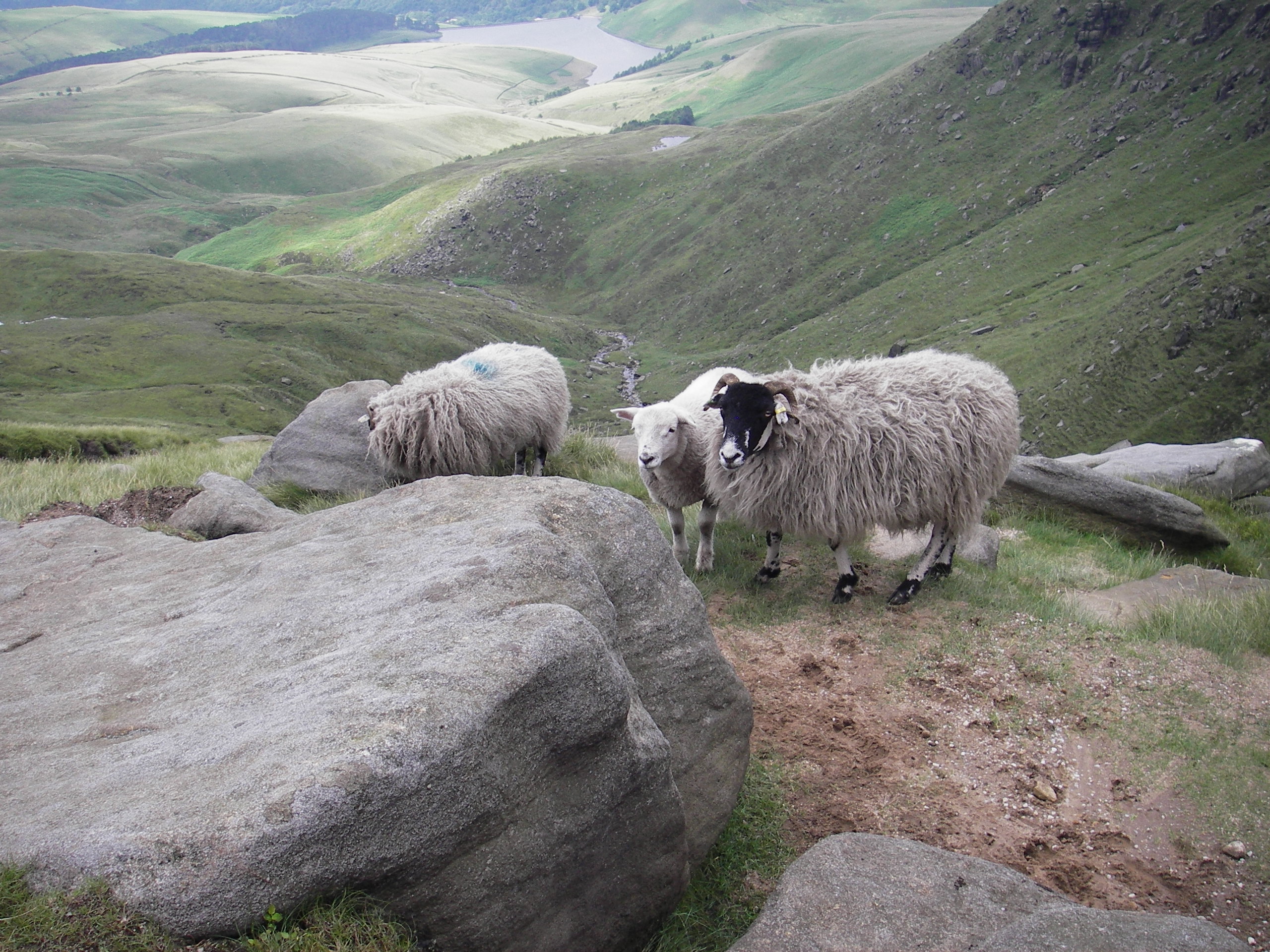
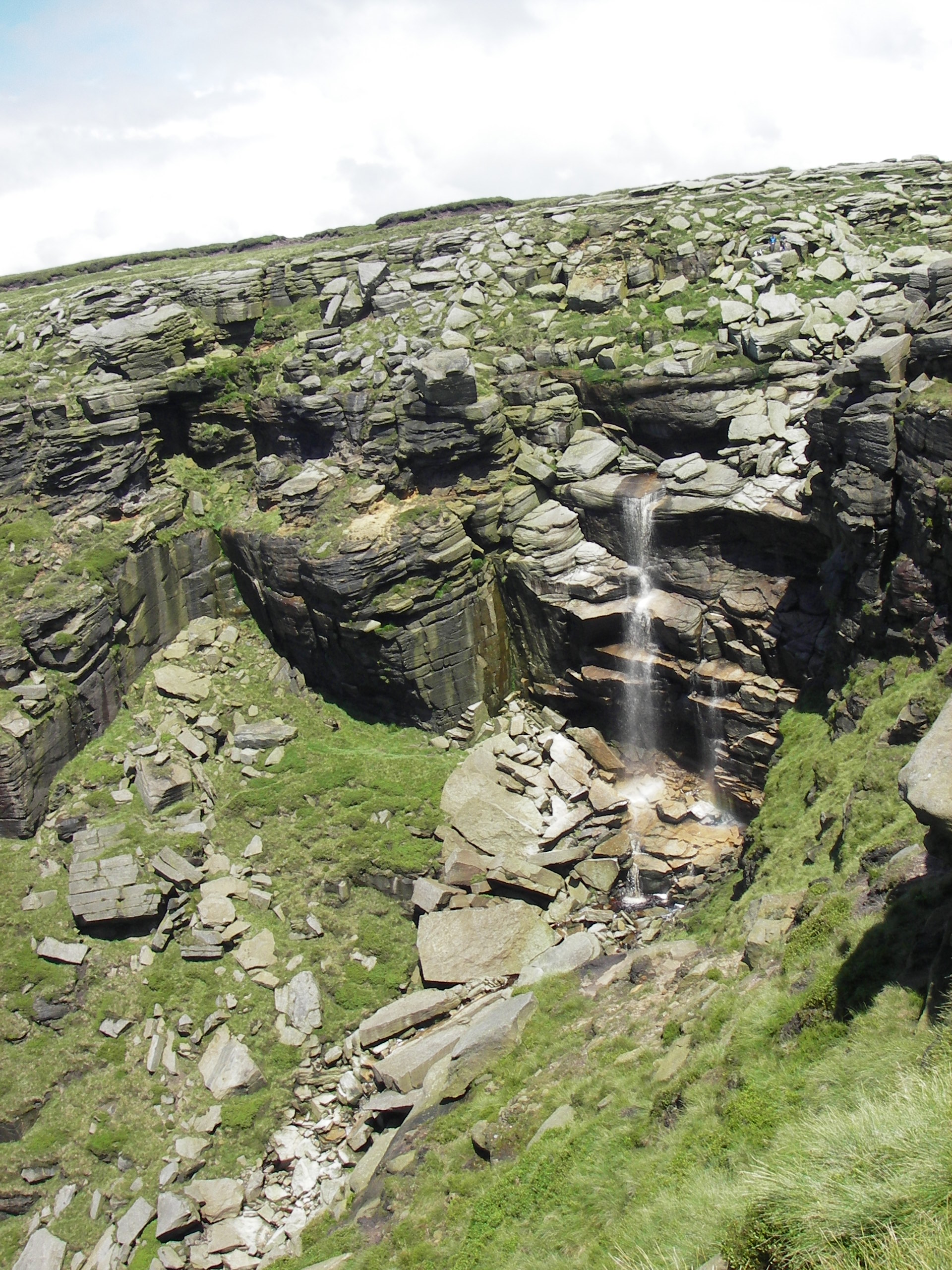
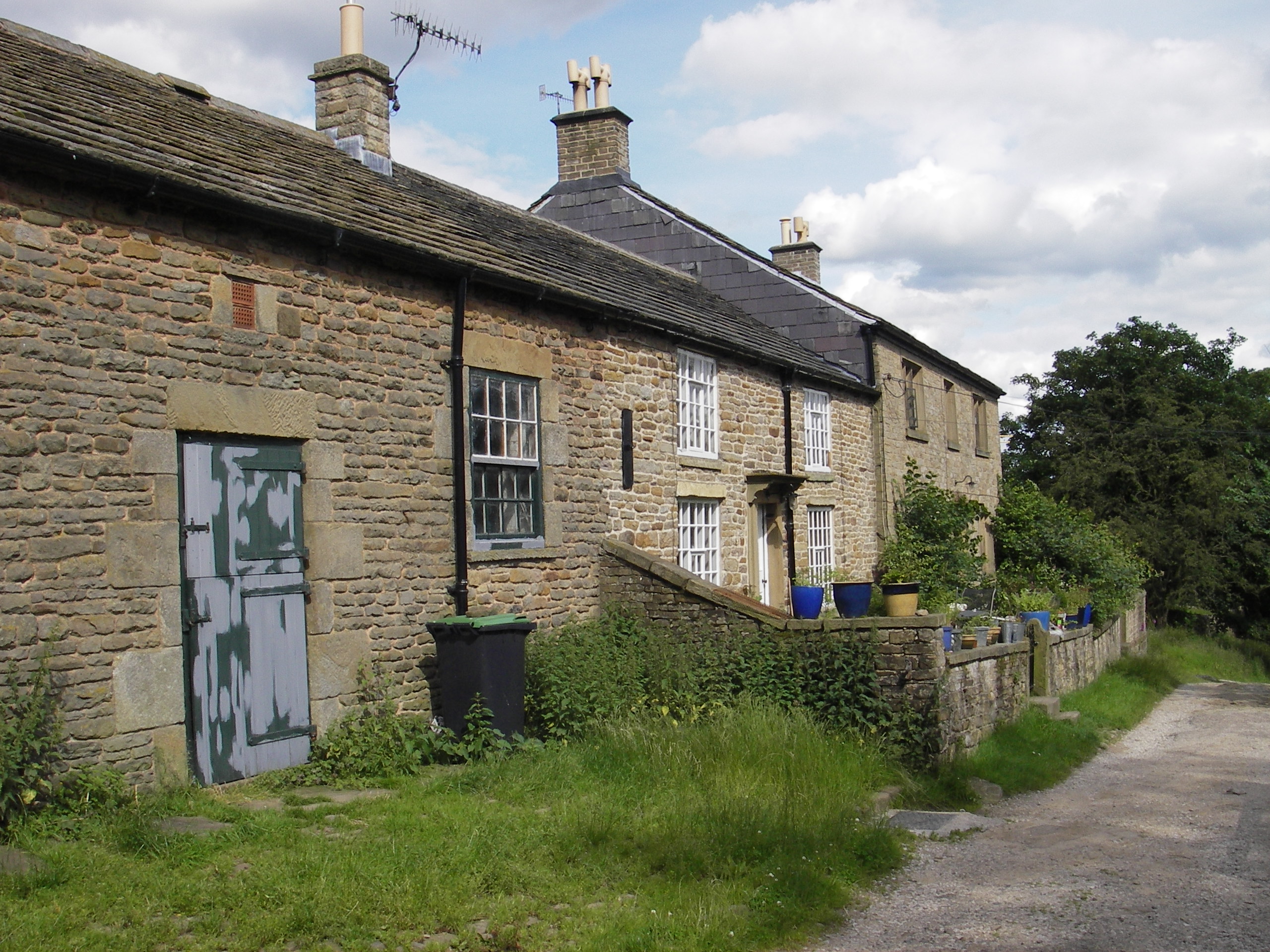
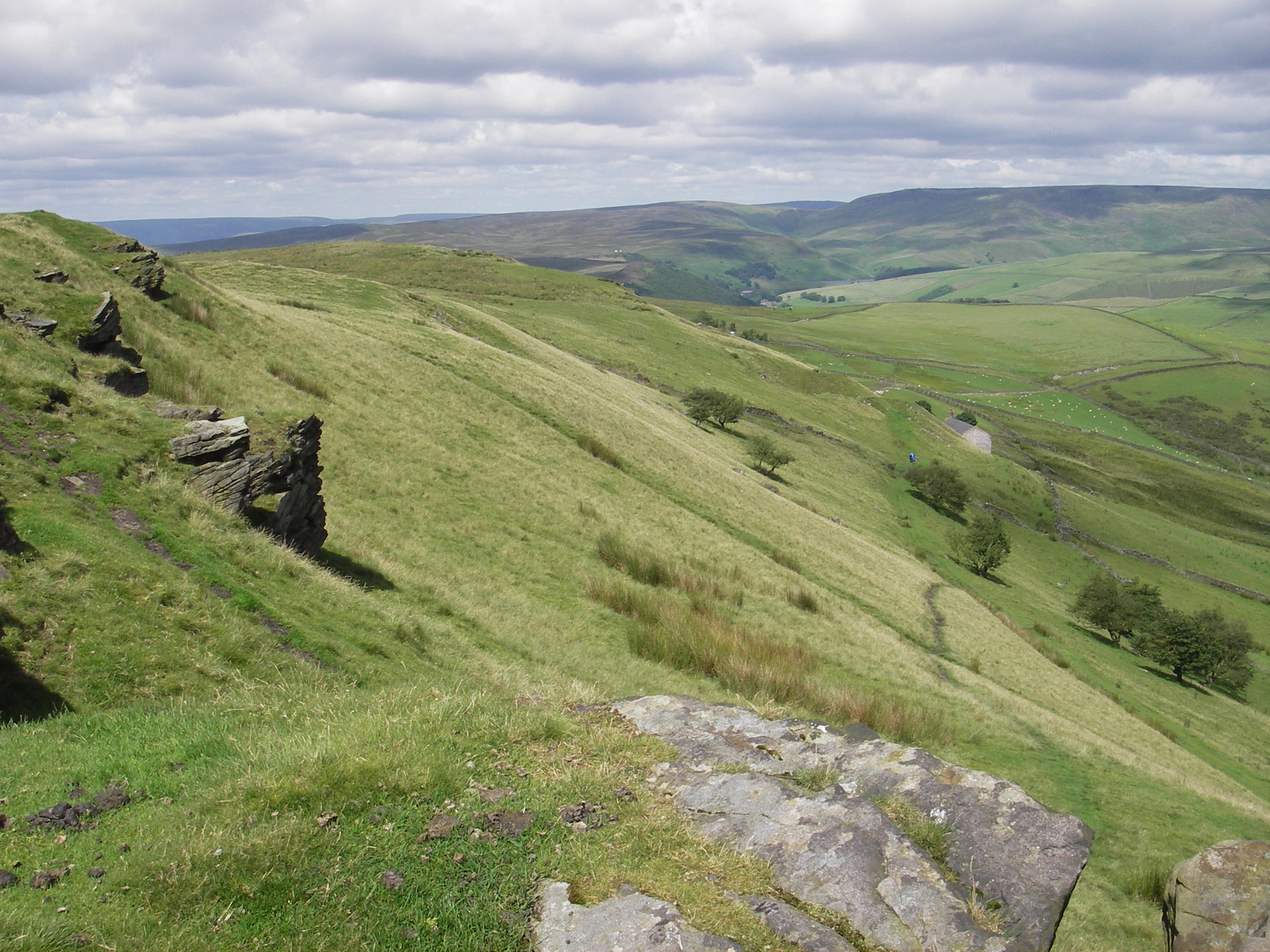
Peak District #travel #photoblog

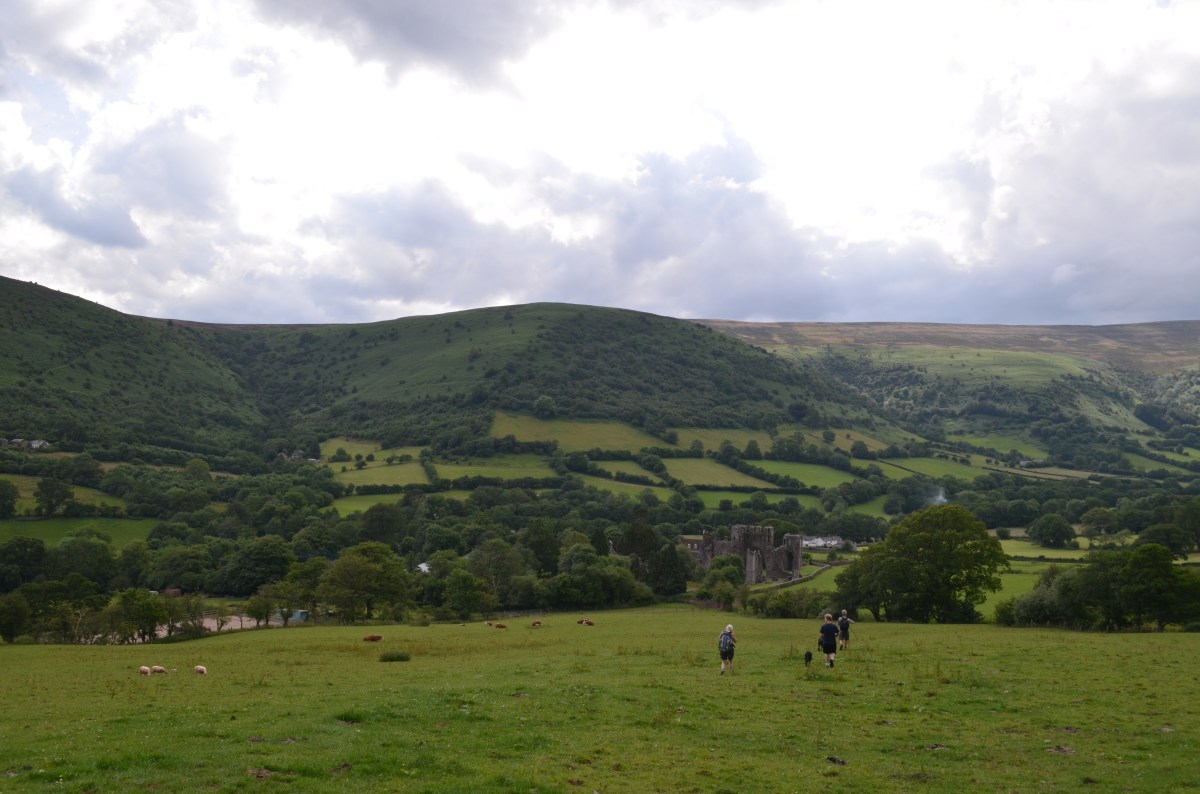
Time to start planning our summer travel again. One place we stayed a few years ago was in the Peak District, where we rented a house in Hayfield. It’s a small town at the foot of the Kinder Scout. Unfortunately I left my really good camera on the kitchen table at my brother-in-laws, so these were taken with a light-weight water proof olympus that does OK.  Wonder if it’s time to book a return visit?
IMGP3717Dusk, walking back from a pub.

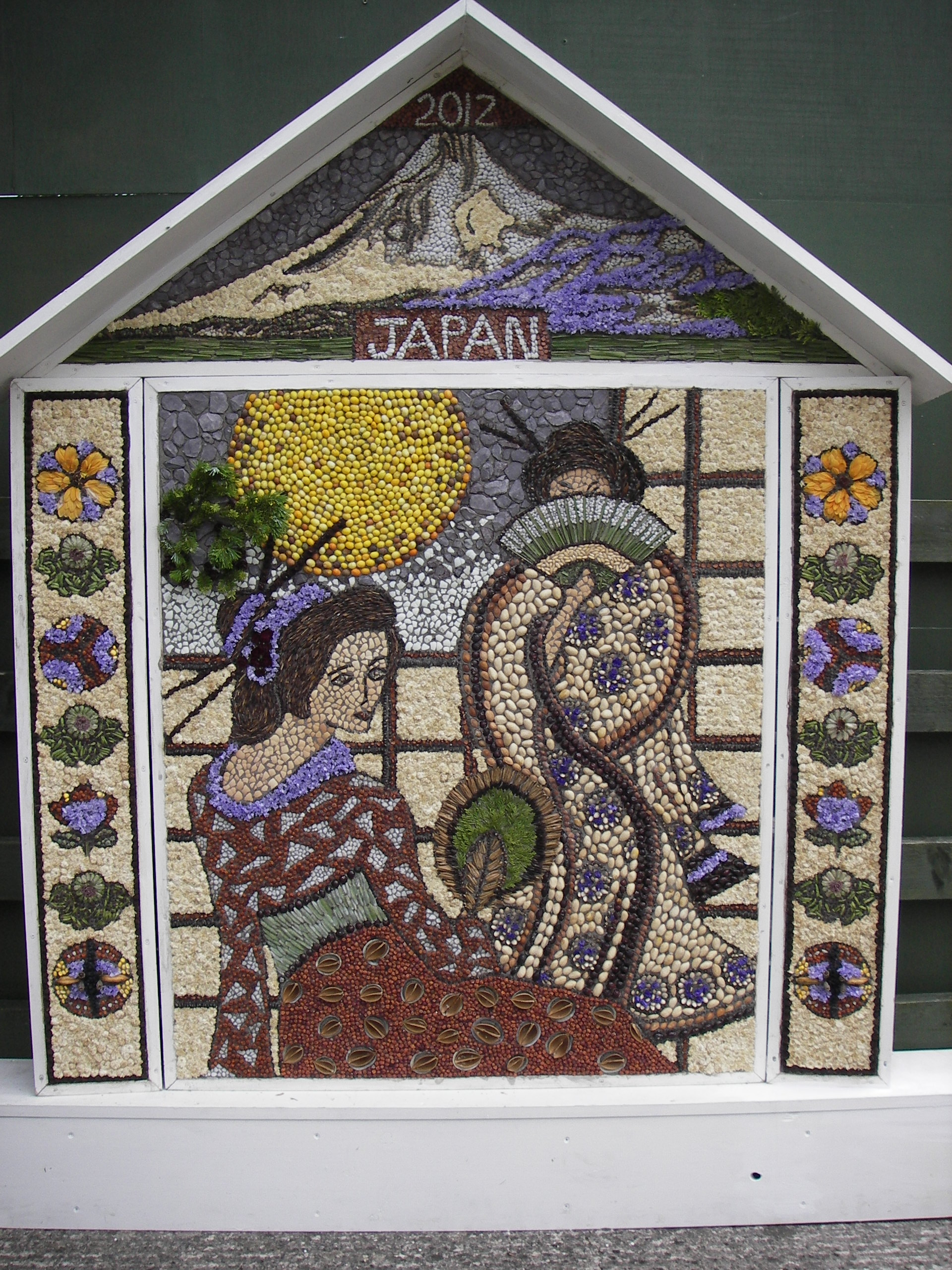
IMGP3787 One of the local customs is “well decorating” and we happened to be at the right time.

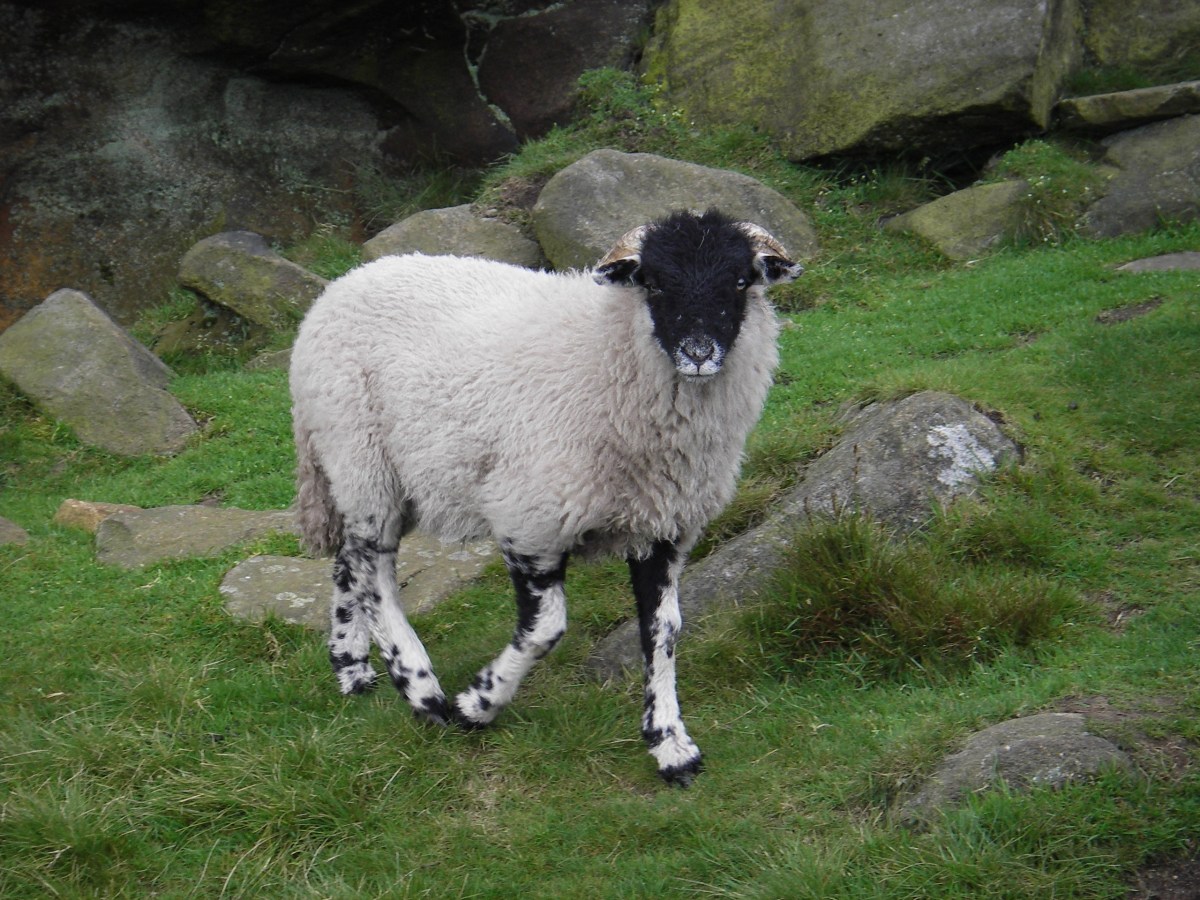
IMGP3754The semi-wild sheep are everywhere, in this case near the falls at Kinder Scout.

IMGP3755It was a dry year, what more can I say?

IMGP3860

IMGP3914

IMGP3876

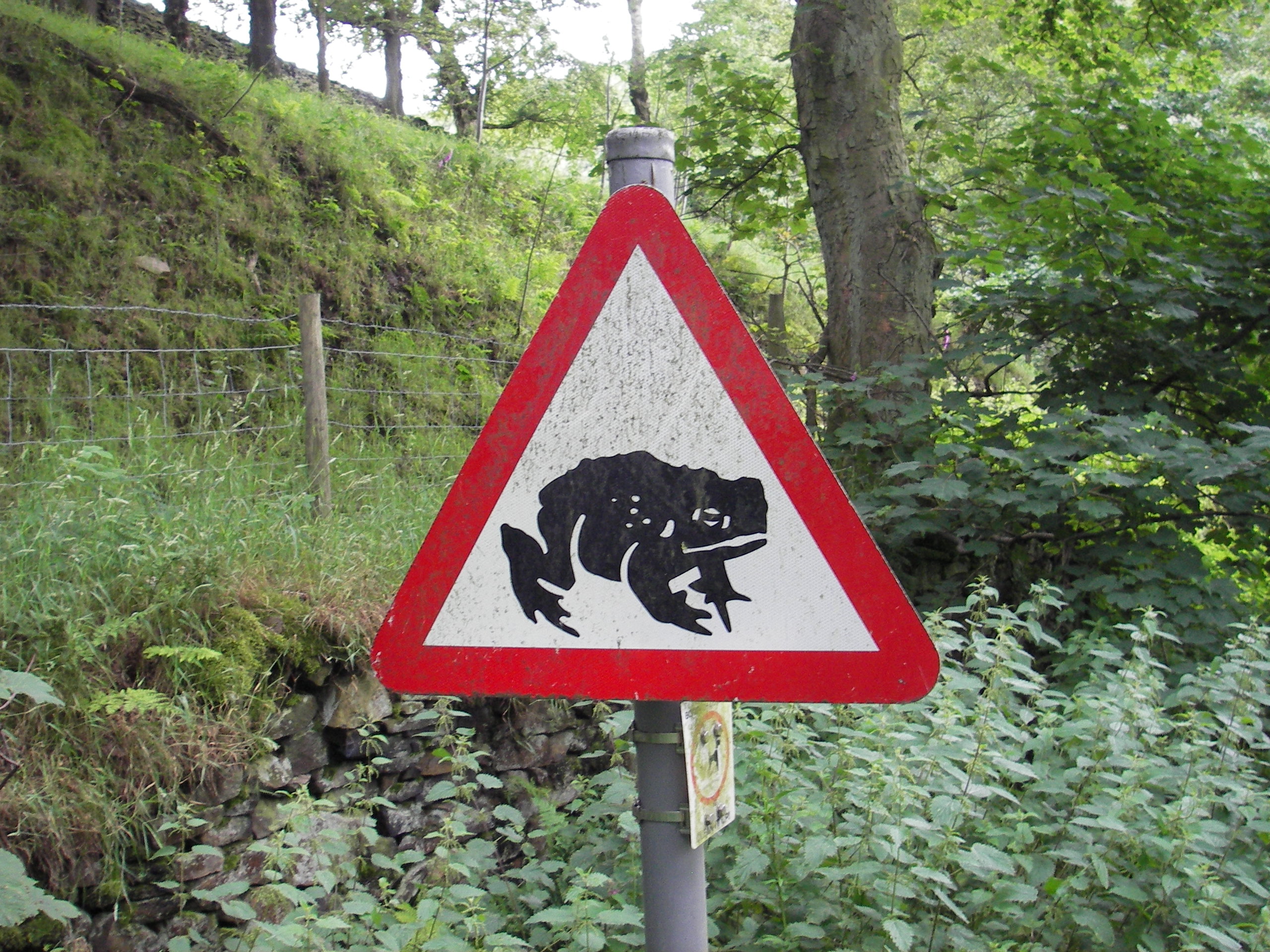
IMGP3931Beware of the Toad.

IMGP3842

IMGP3882

Wild Iris #springflowers

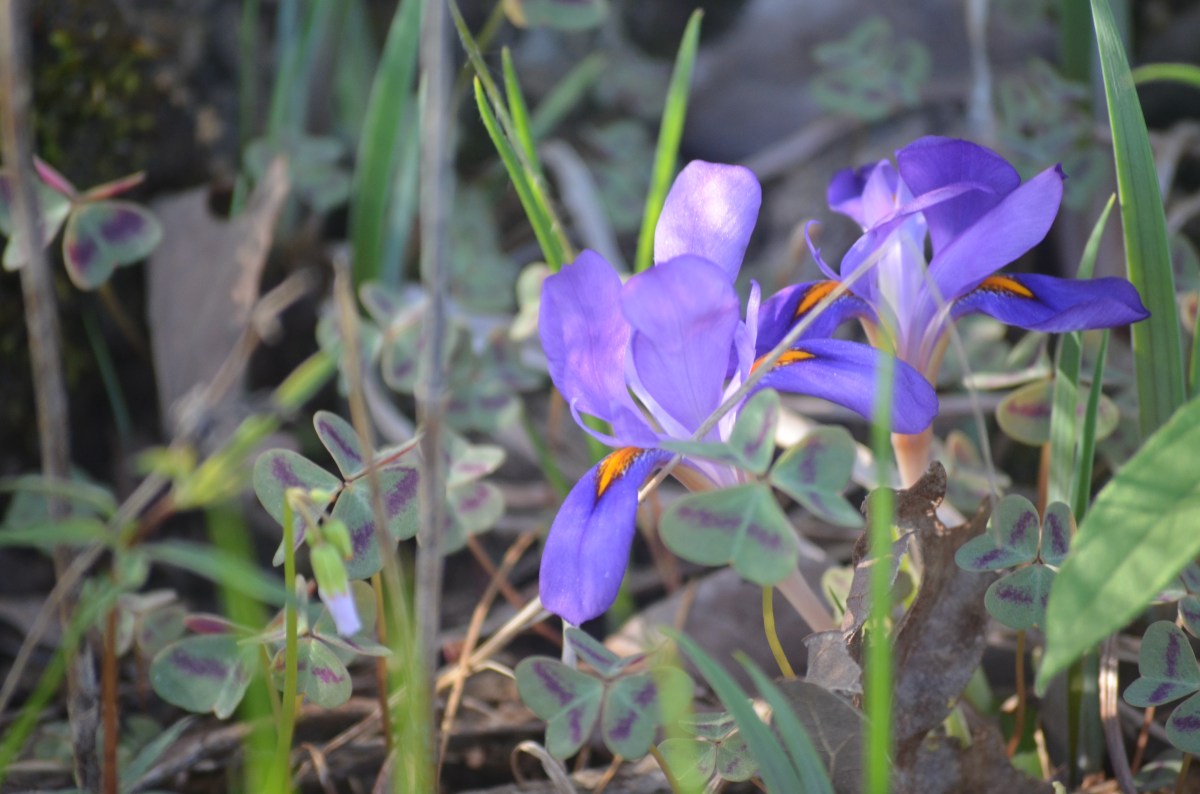
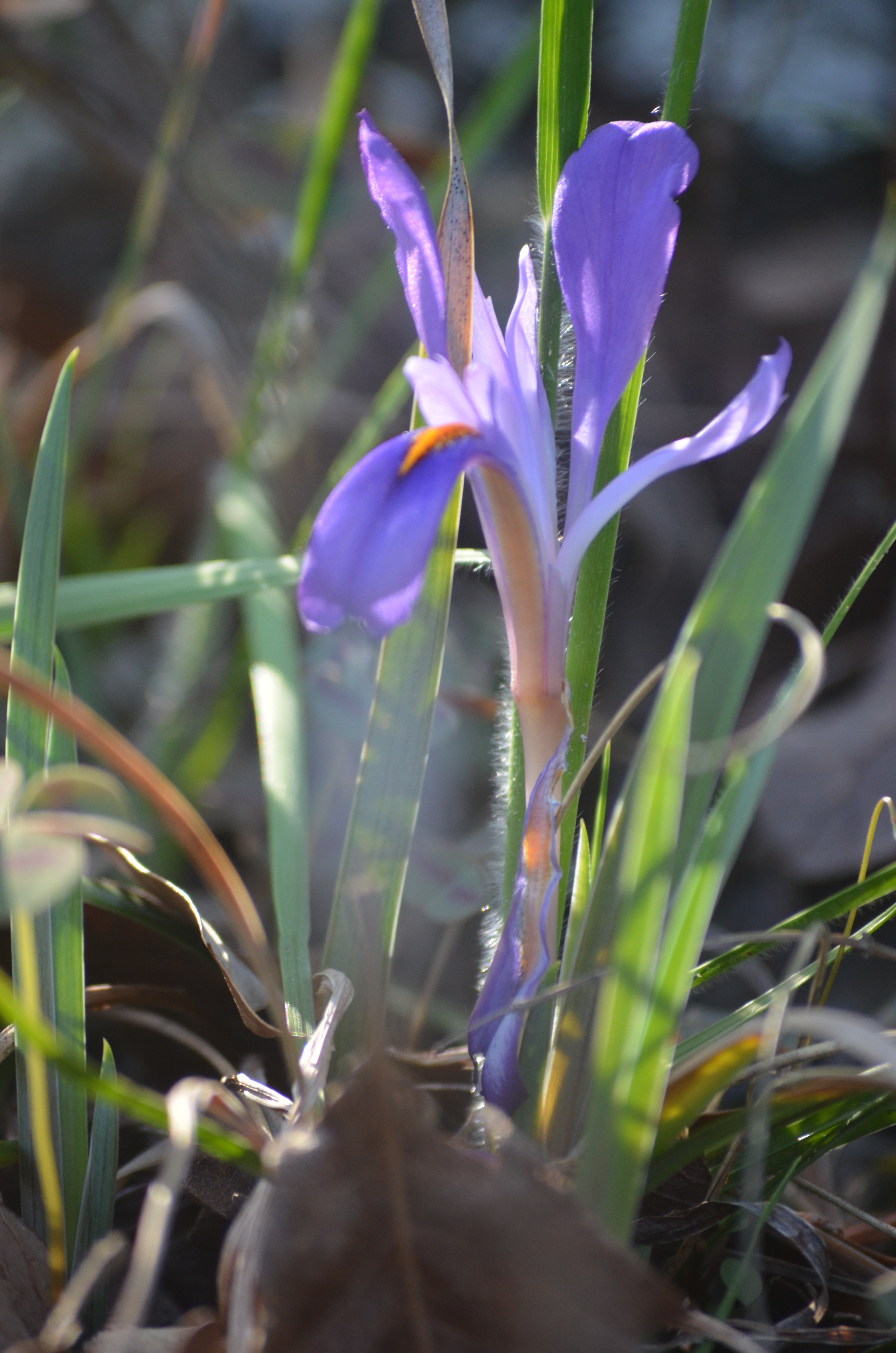
This week the wild iris are in bloom in Alabama. They’re much smaller than the garden variety, but intense and dashed beautiful. They tend to like shady locations. Ours are intermingled with an Oxalis species that has a delicate purple flower, unlike the more common yellow variety.
DSC_0391

DSC_0396

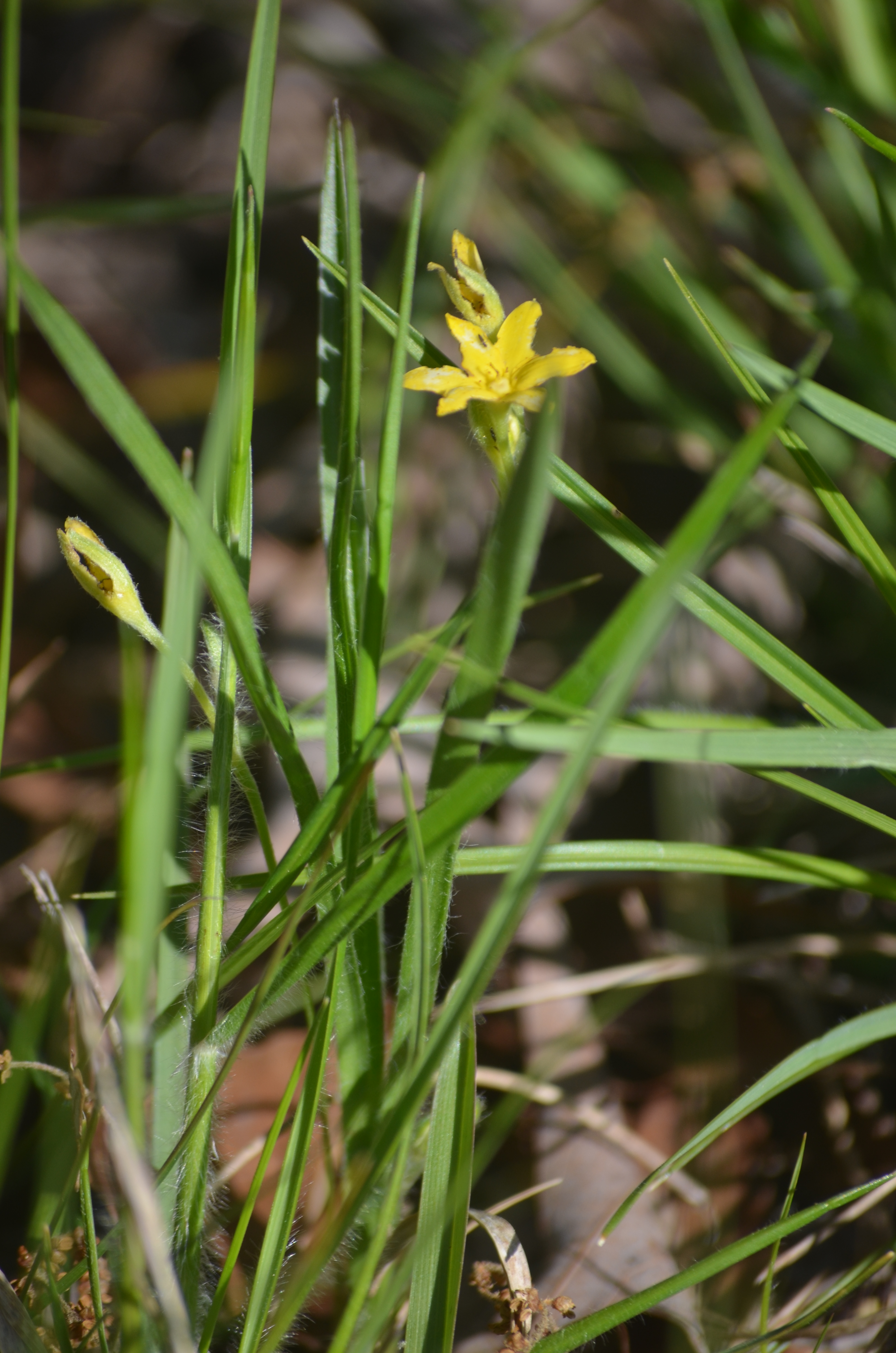
There are several of this small yellow flower as well. These prefer the sun.
DSC_0385

The World Is Too Much With Us

William Wordsworth, 1770 – 1850

The world is too much with us; late and soon,
Getting and spending, we lay waste our powers;
Little we see in Nature that is ours;
We have given our hearts away, a sordid boon!
This Sea that bares her bosom to the moon;
The winds that will be howling at all hours,
And are up-gathered now like sleeping flowers,
For this, for everything, we are out of tune;
It moves us not.—Great God! I’d rather be
A pagan suckled in a creed outworn;
So might I, standing on this pleasant lea,
Have glimpses that would make me less forlorn;
Have sight of Proteus rising from the sea;
Or hear old Triton blow his wreathèd horn.

Spring Bluets

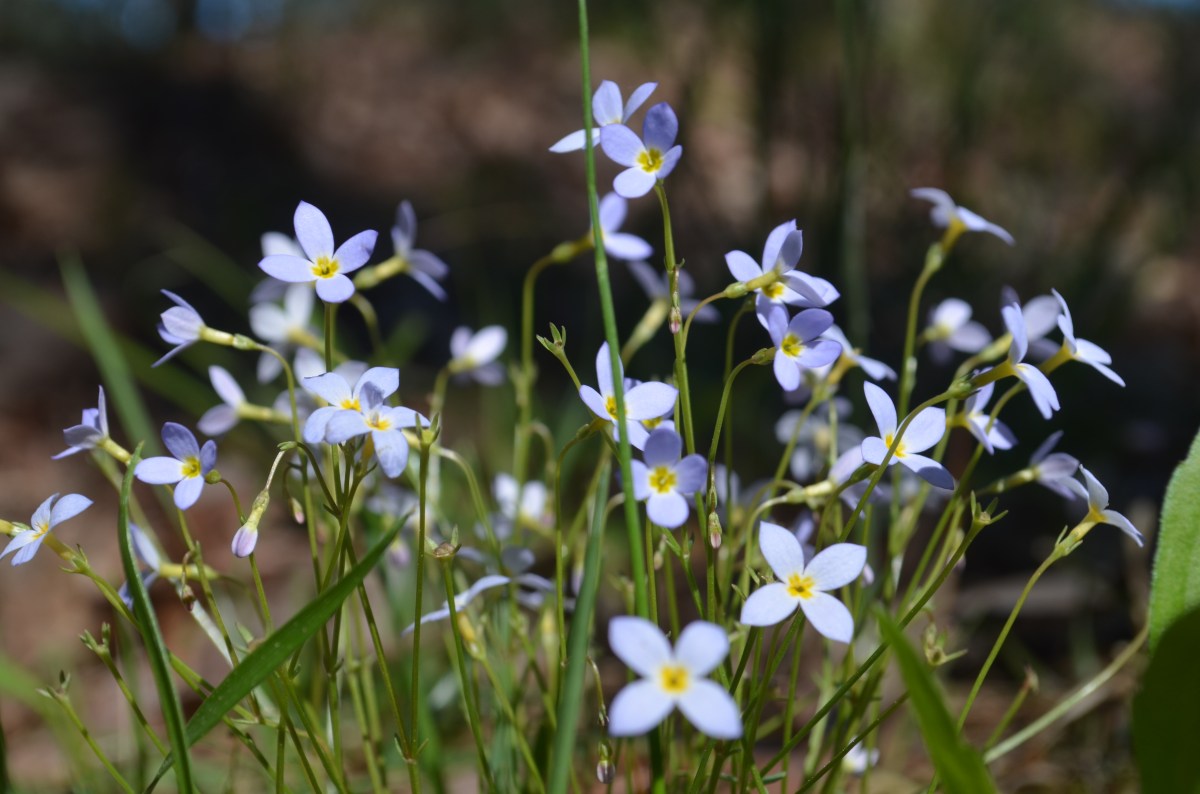
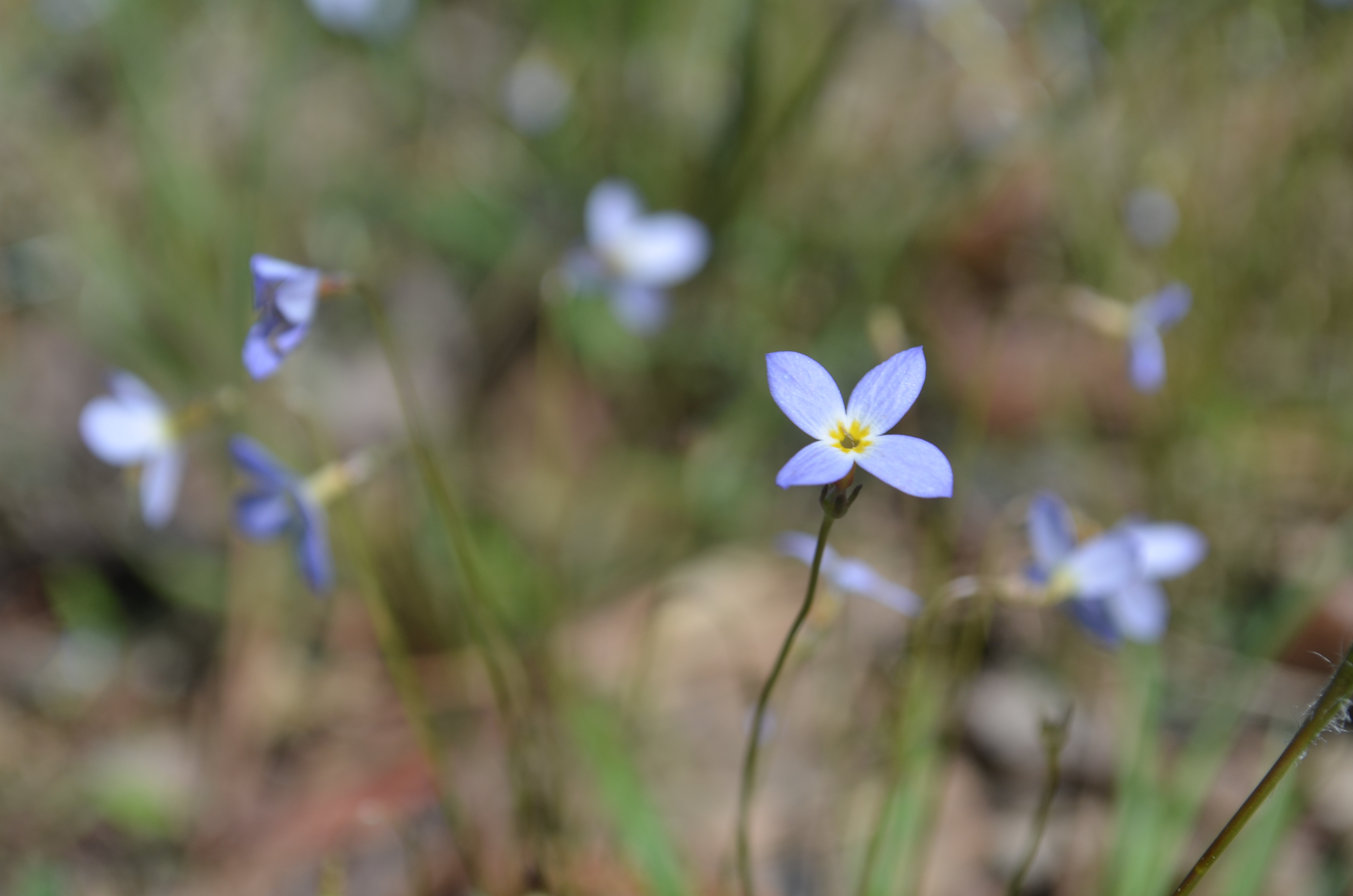
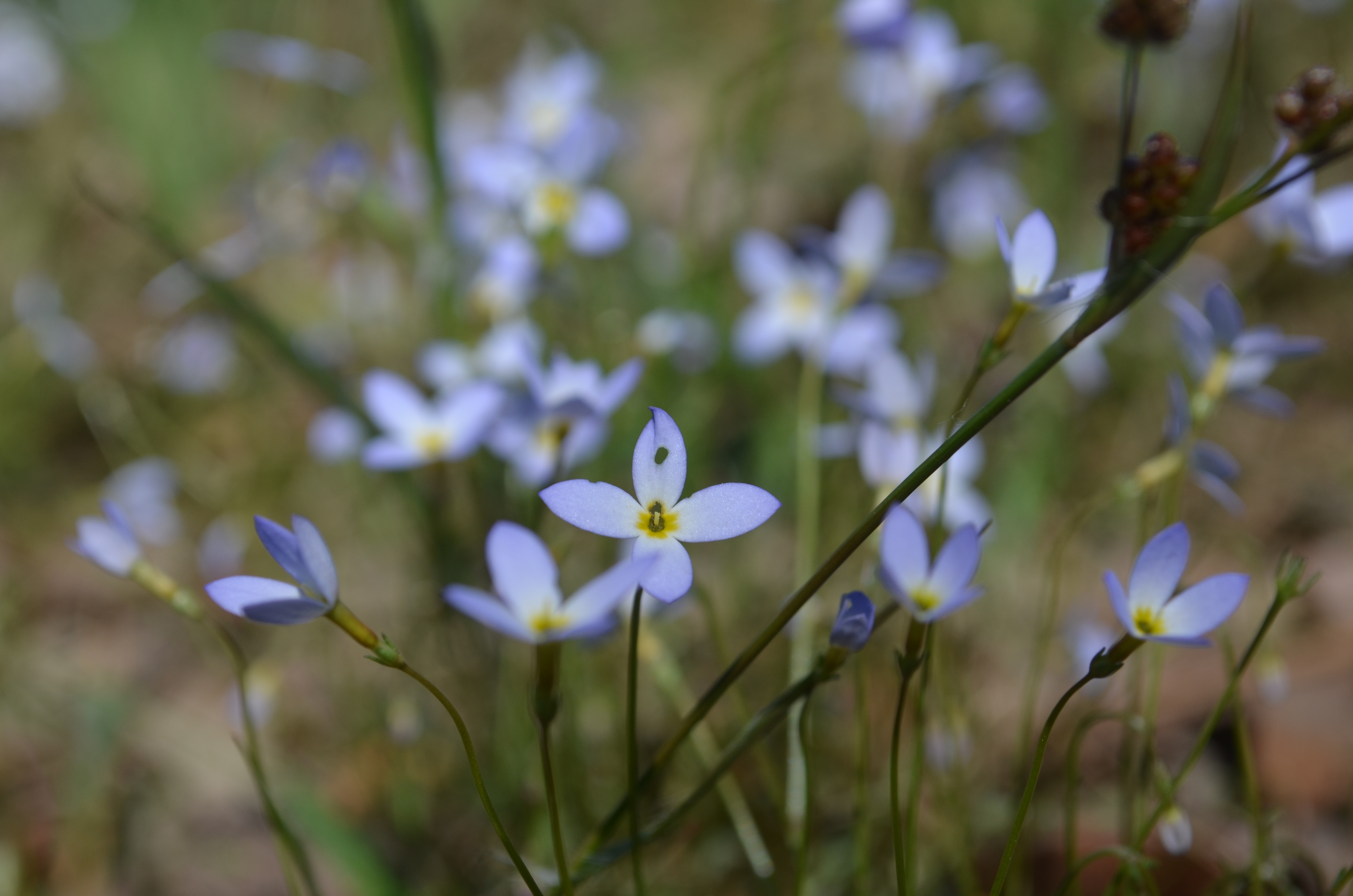
Spring is breaking in Northeast Alabama. The Bluets are out.DSC_0373

DSC_0380

The wild iris, azaleas, violets and spring beauties are soon to follow.