Time for a new pack #MondayBlogs

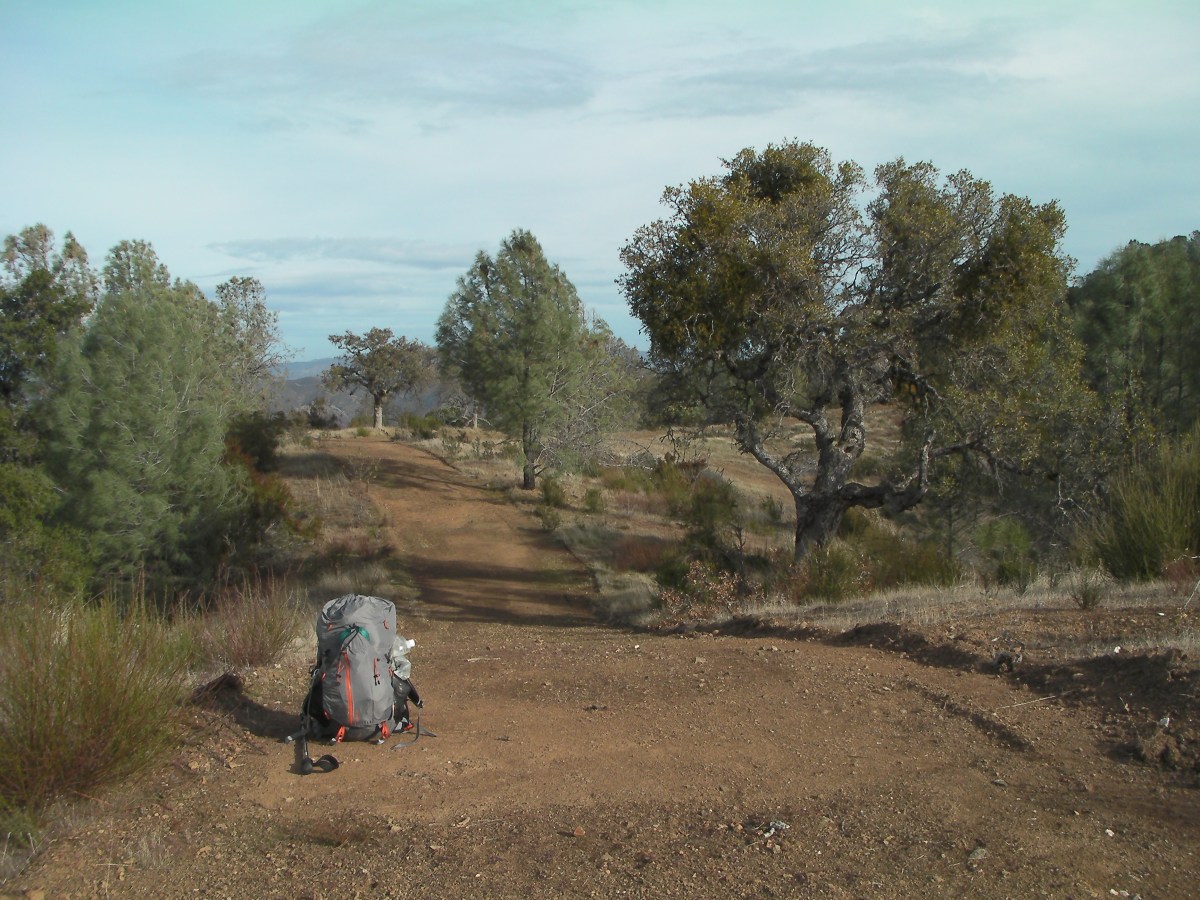
After nearly six years of hard use my trusty REI flash 50 pack has finally broken. It split a seam just before a fun backpacking trip at Pine Mountain State park on Saturday. I must say it held up fine, but it’s time for a new one. Since this is largely a photo blog, I’ll commemorate it with a few photos of its journeys. Nearly every back-country journey I’ve made since then has used it (Philmont excepted). The others used a Mariposa Plus which is also seeing its age. It also was an excellent carry on bag – I could fly for a two-week trip to England with it as carry on. Still met the size requirements unlike those massive rollerbags. Then it served as a daypack, lugging water and cameras up mountains from Wales to Devon and parts in between.

The featured image is from it’s inaugural voyage, a 24 mile weekend at Henry Coe state park. Only a few miles from San Jose, this state park is steep, stark and relatively unused. I was the backpacker one weekend in December.
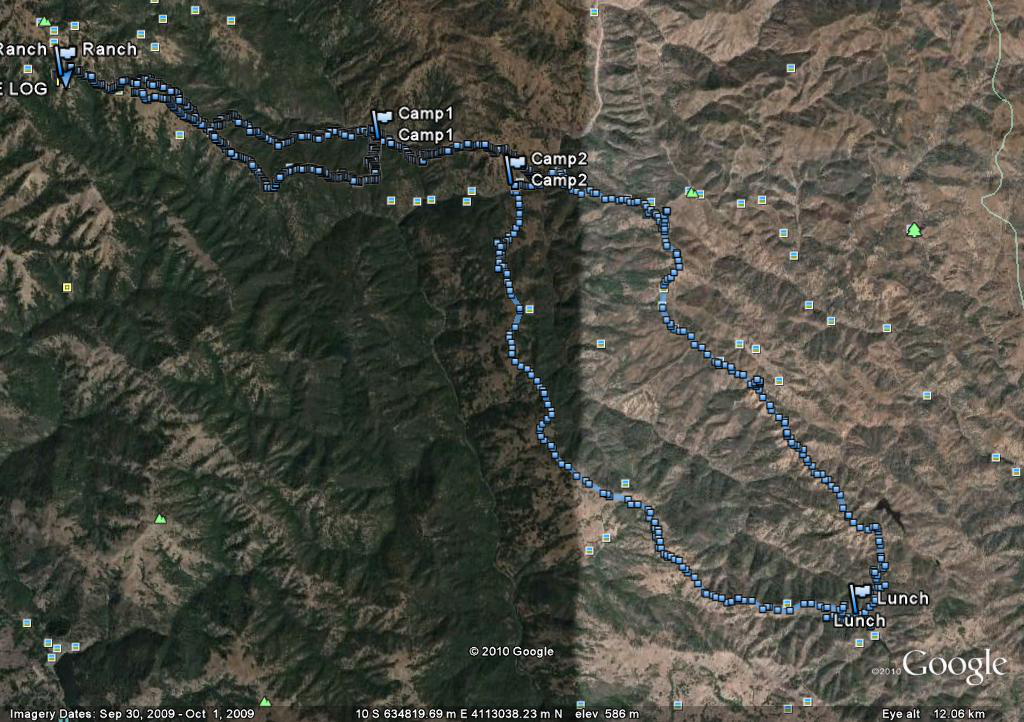
coe_trip

Other gear, like this Sylon tarp haven’t fared so well. (It leaks in a hard rain).


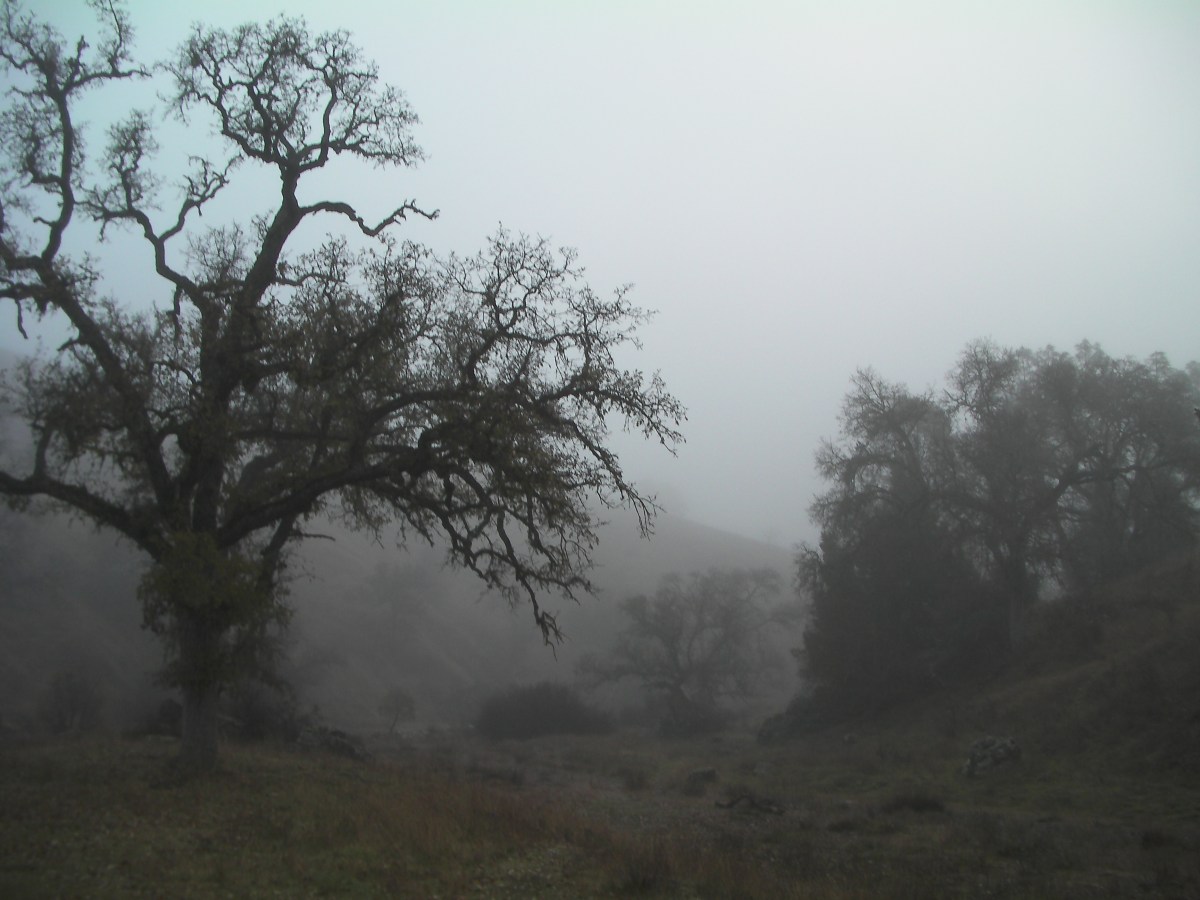
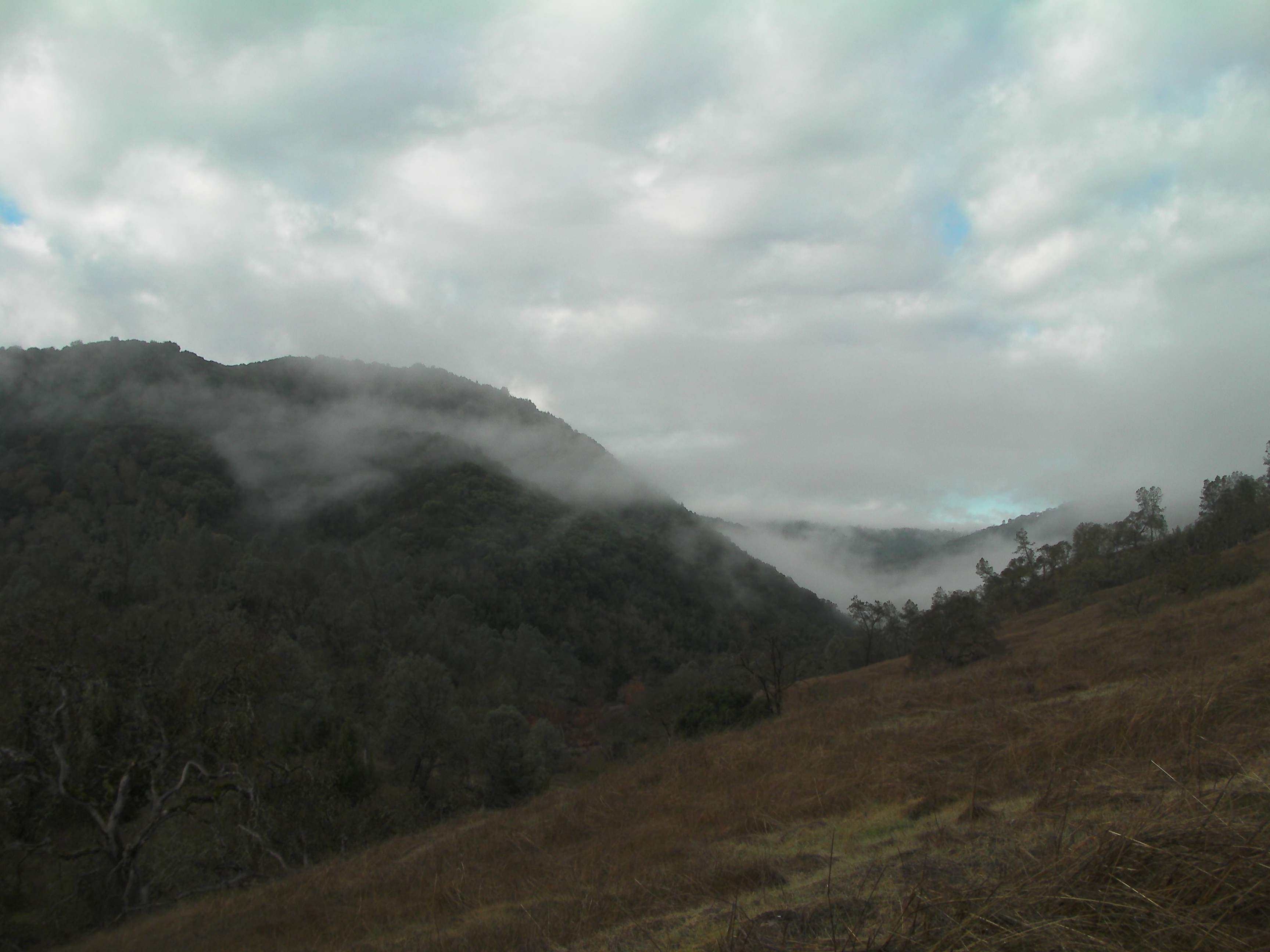
Misty fog filled the valley’s that night

Supporting coastal range newts – these are not lizards, but actual amphibians, living in a surprisingly dry environment.

It’s also a place of great beauty.
I used this pack with the scouts in order to demonstrate that light-weight backpacking did not require expensive equipment. These photos are from another trip to Pine Mountain and show my trailstar (Mountain Laurel designs which is worth its weight in gold.)
IMG_0703

IMG_0701

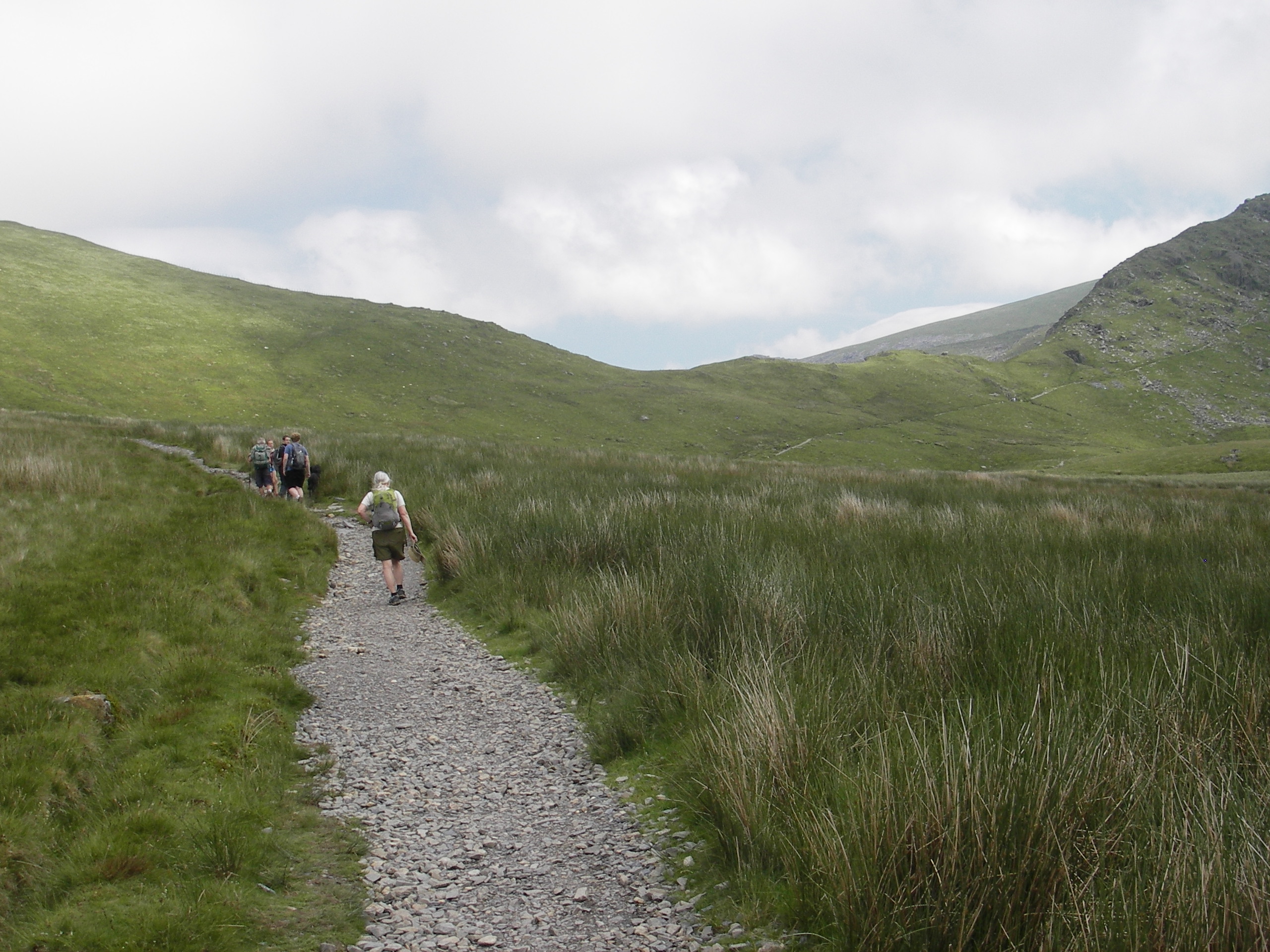
As a Day pack it’s been to the top of Mount Snowdon
DSC_0675
IMGP3965
This is the “devil’s kitchen” We parked by that lake. The one in the distance.
DSC_0761

The Peak district near Hayfield and Kinder Scout.
IMGP3739

IMGP3757

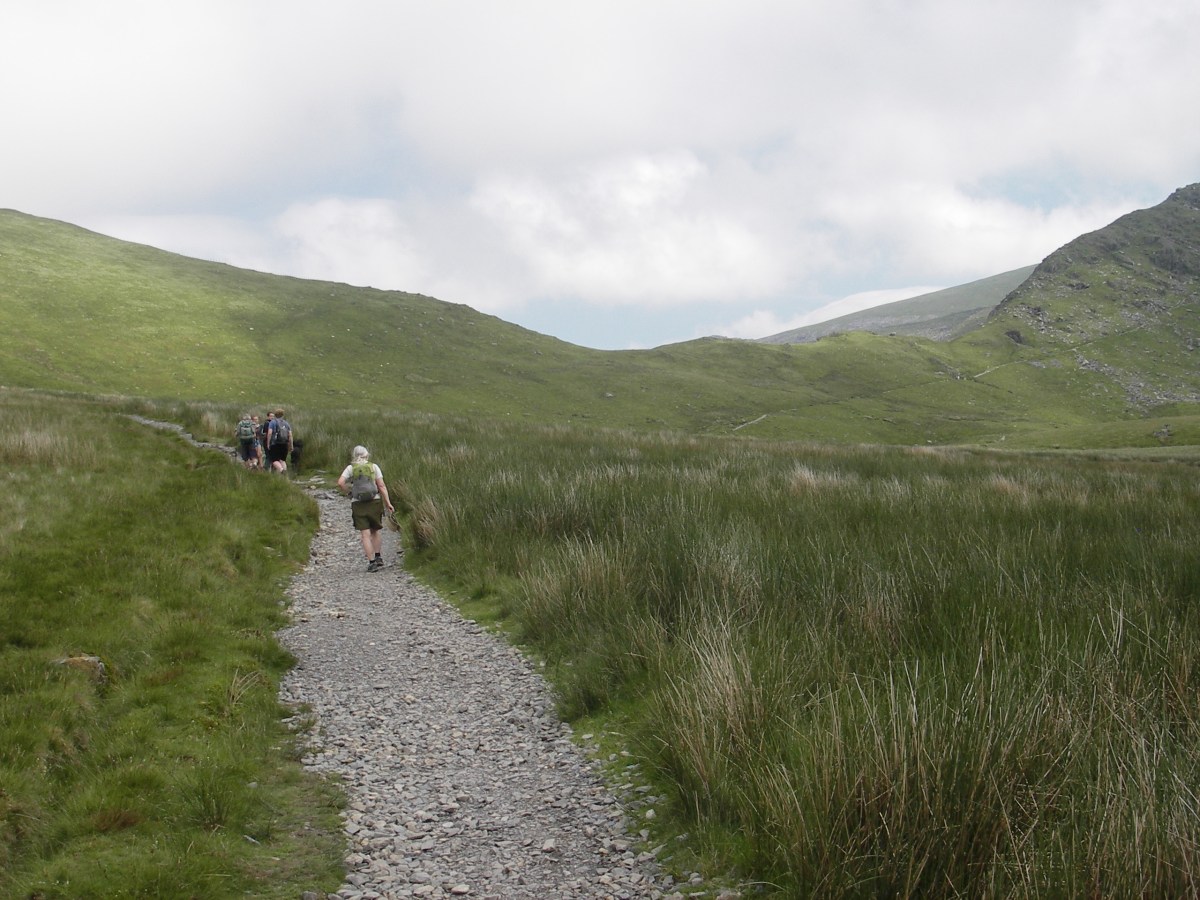
That is the trail.
IMGP3899

IMGP3910

Dartmoor
DSC_0812

DSC_0795

IMG_1019

Standing Indian (on the AT in North Carolina)
IMG_0862

IMG_0867

IMG_0871

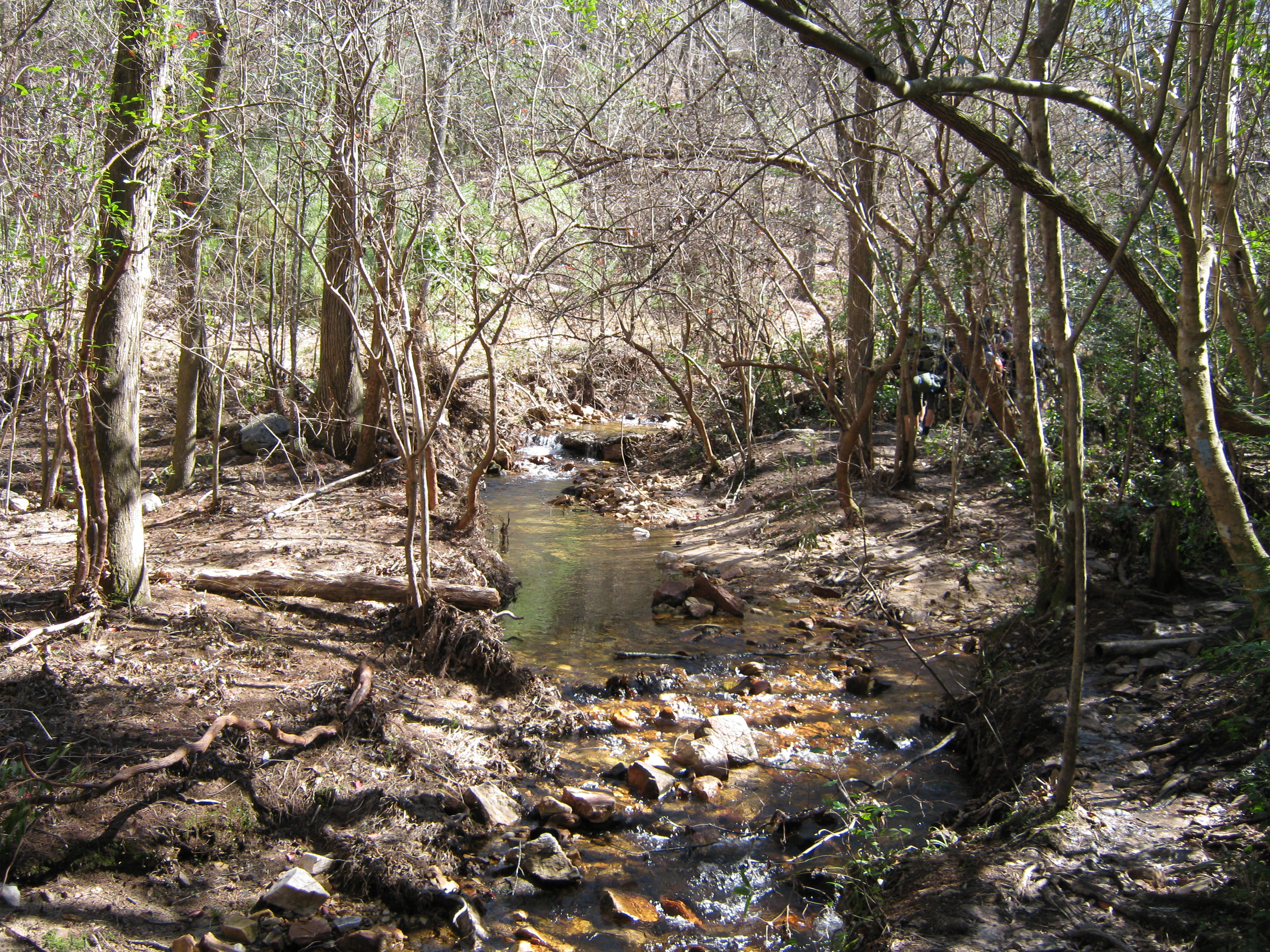
And many others. It will be missed. Bushwhacking like this was never an issue.
IMG_1120

The Vantage Point

Robert Frost, 1874 – 1963

If tired of trees I seek again mankind,
Well I know where to hie me—in the dawn,
To a slope where the cattle keep the lawn.
There amid lolling juniper reclined,
Myself unseen, I see in white defined
Far off the homes of men, and farther still
The graves of men on an opposing hill,
Living or dead, whichever are to mind.

And if by noon I have too much of these,
I have but to turn on my arm, and lo,
The sunburned hillside sets my face aglow,
My breathing shakes the bluet like a breeze,
I smell the earth, I smell the bruisèd plant,
I look into the crater of the ant.

Tyndale Monument #photopost #England

This is not too far from Bristol or the thriving metropolis of Yate, not to mention Frampton Cotterell or Chipping Sodbury. We’ve visited it a couple of times with my brother-in-law. I was reminded of it when watching a DVD of “Sherlock Vol 3, his last bow” where it flashes by in the background near the end. You can also see it from the M5, but it’s better to walk there.

William Tyndale, himself, is something of a hero of mine. He was one of the first translators of the bible into English – pre King James. His work started the focus, in English, of going back to the original texts. This was at a time when the Catholic Church didn’t want people to think for themselves, and had the force to do something about it. He was executed in 1536, before completing his work. His work, printed in Antwerp, was banned, confiscated, and destroyed during and after his life. Still, smuggled in water-tight compartments in wine casks, as individual sheets in bales of cloth, or in secret compartments in otherwise normal commerce, his (and other’s) translations continued to make life difficult for those who would repress individual thought.

In addition to being a martyr for religious freedom, he’s an example of why we do not want religion and state mixed.

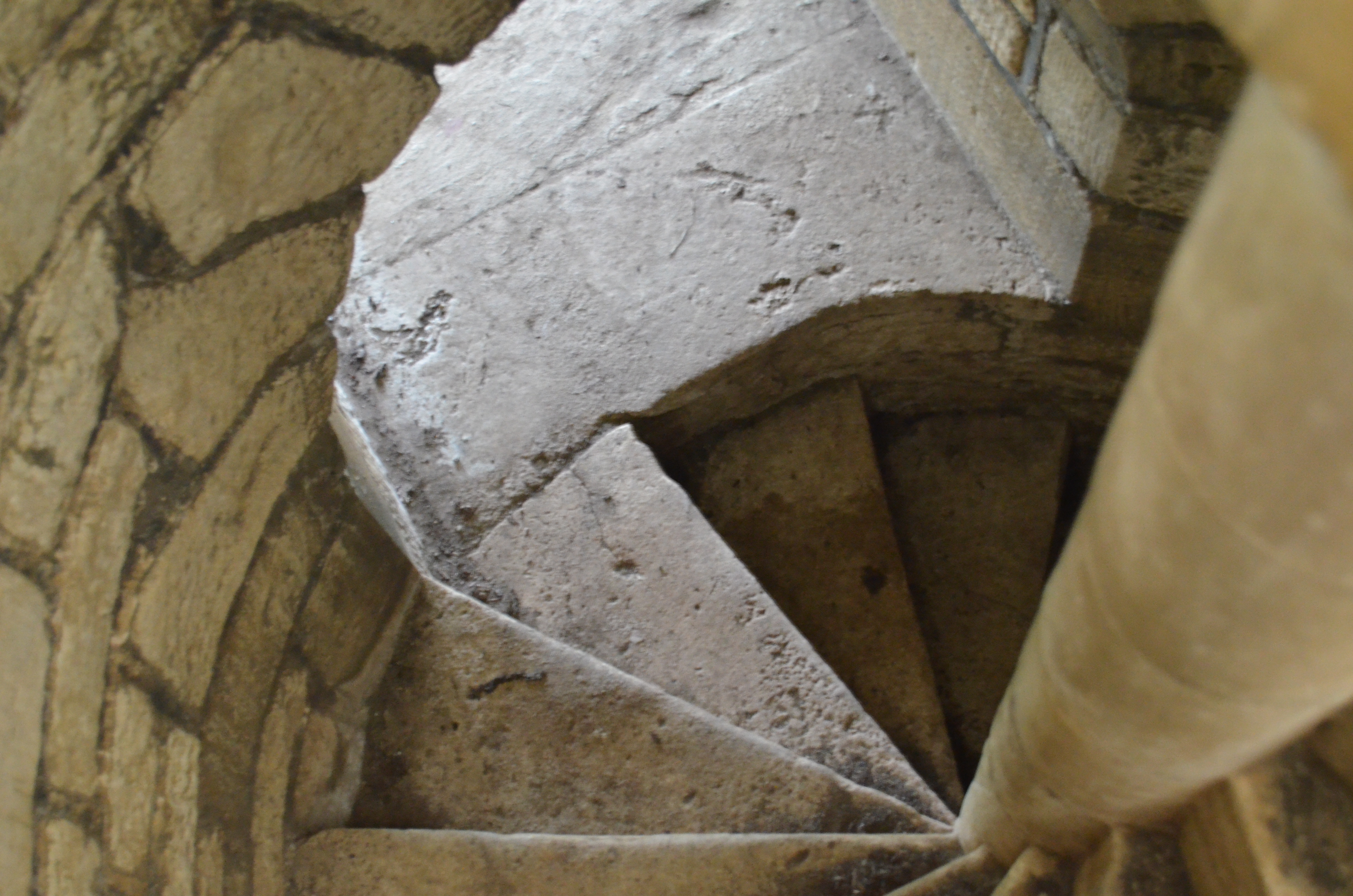
After making a donation for the upkeep, we ascended the spiral staircase to the top.
DSC_0130

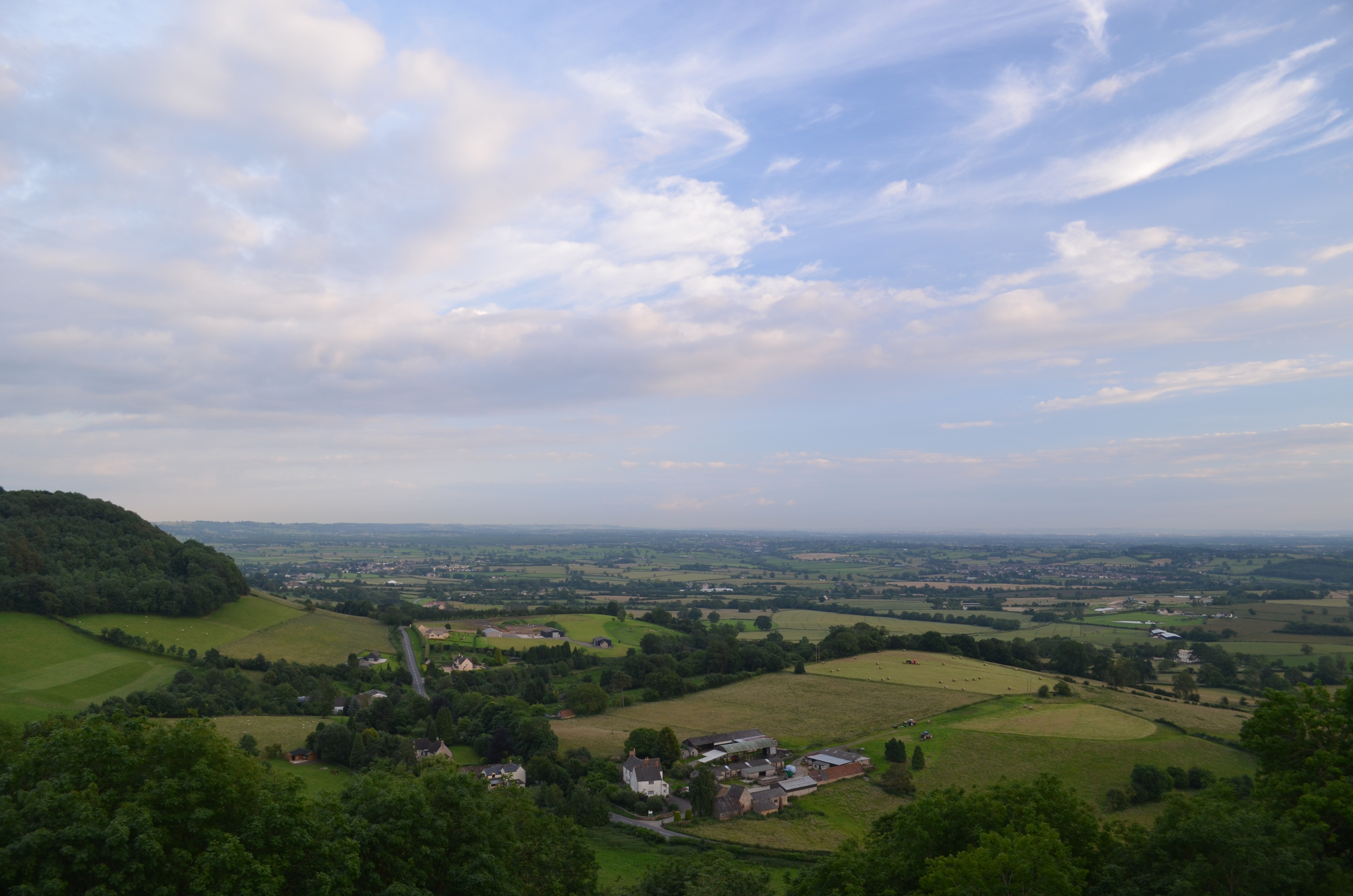
This view shows the valley below and the other scene from the Sherlock episode is in it (The white blob in the distance.)
DSC_0132

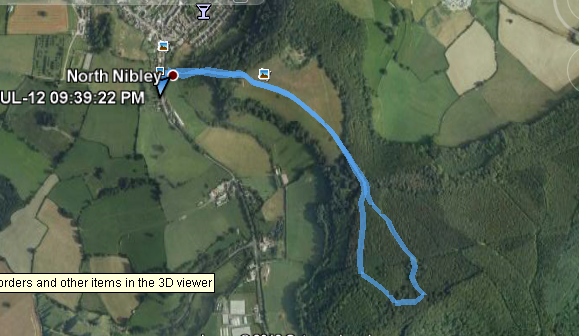
This map shows one of the walks we took. It climbs a staircase from North Nibley. The top of the down is criss-crossed in footpaths and we’ve more often parked at the other end. Parking here is the shortest and easiest way to the monument.
nibley

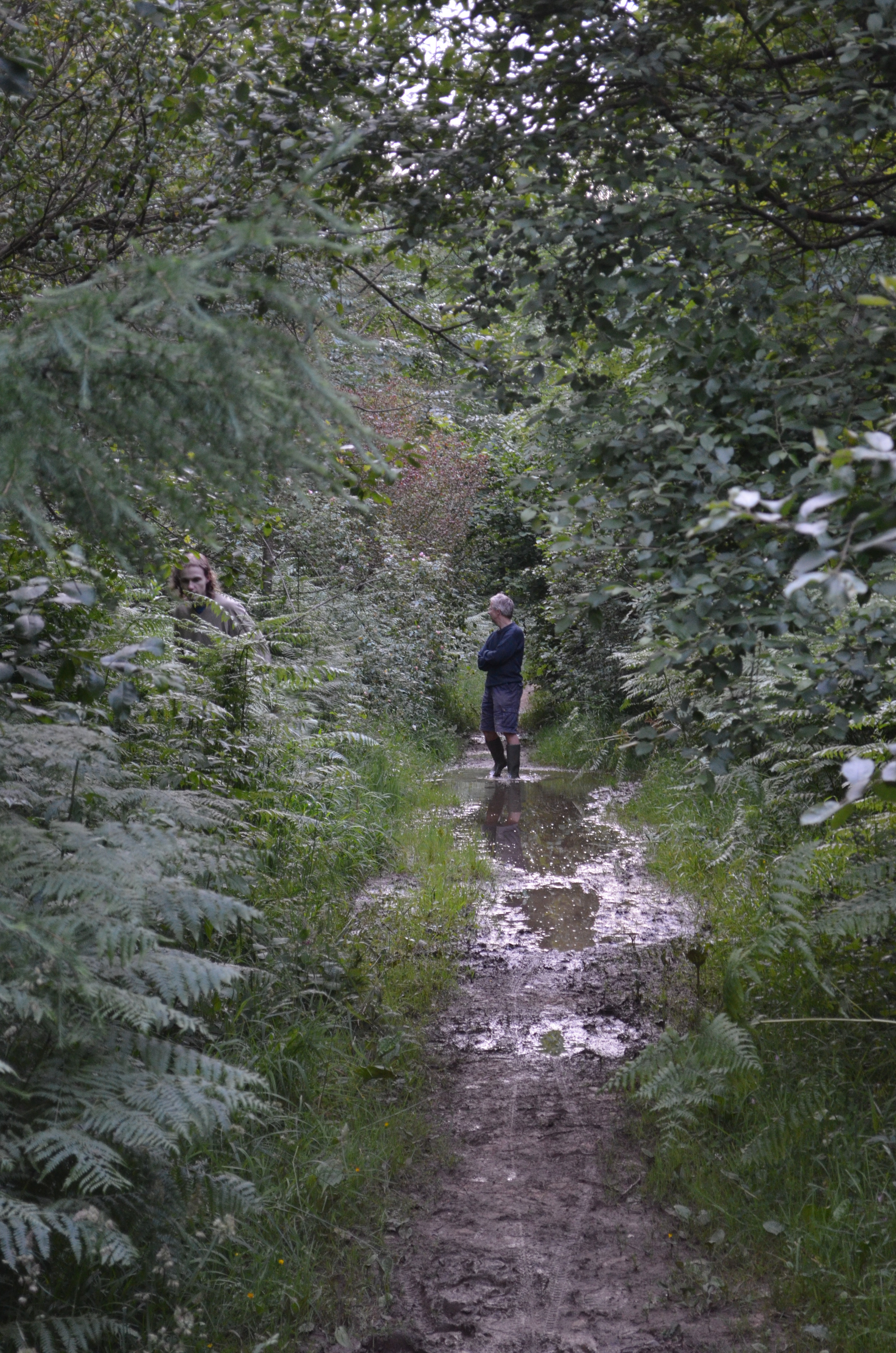
That summer was a bit mucky, so wellies (UK solution) or sandals (Closed toe Keens, my solution, since a little mud never harmed anyone) were a good idea.
DSC_0141

The top of the down also houses a neolithic or iron age fort. It’s slowly being uncovered.  You can see this in the map as well.
DSC_0146

The Awakening

James Weldon Johnson, 1871 – 1928

I dreamed that I was a rose
That grew beside a lonely way,
Close by a path none ever chose,
And there I lingered day by day.
Beneath the sunshine and the show’r
I grew and waited there apart,
Gathering perfume hour by hour,
And storing it within my heart,
Yet, never knew,
Just why I waited there and grew.

I dreamed that you were a bee
That one day gaily flew along,
You came across the hedge to me,
And sang a soft, love-burdened song.
You brushed my petals with a kiss,
I woke to gladness with a start,
And yielded up to you in bliss
The treasured fragrance of my heart;
And then I knew
That I had waited there for you.

Early Stethoscopes

One of the few scenes in my sweet romance The Curious Profession of Dr. Craven that gets close to hot is where Richard (Dr Craven) listens to Henrietta’s heart (Properly chaperoned, of course). Before the invention of the stethoscope the doctor had to put his ear on his patients’ chest. This could be a tad embarrassing, especially when the patient was young, pretty and female.

RC76_3_L3_1819_planche_I_big

Rene Laennec solved this problem with a wooden tube. The figure above, from 1819, shows that very quickly after that doctors learned to distinguish between different sounds. It was not simply the muscle making noise, but valves and things like that. Not that they could do much about it, but it was a start.

Compensation

Paul Laurence Dunbar, 1872 – 1906

Because I had loved so deeply,
Because I had loved so long,
God in His great compassion
Gave me the gift of song.

Because I have loved so vainly,
And sung with such faltering breath,
The Master in infinite mercy
Offers the boon of Death.

Lacock Abbey #england #filmset #harrypotter #prideandprejudice

Lacock Abbey is the country home of Henry Fox Talbot, and so it’s only fitting that it is the backdrop for many films – ranging from Harry Potter to Pride and Prejudice. Why, you may ask? He’s the inventor of photographic negatives – modern photography – without which there’d be no films. By the way, if you’re in Reading have a look for the house where the first commercial photofinisher shop was located. (It’s near the Sally Ann and not in the best part of town.)

The Abbey is a National Trust property to the south of Chippenham and well worth the visit if you’re in the area. I wouldn’t necessarily drive out from London just to see it as a tourist, but if you’re puttering around the Bath, Chippenham or Bristol, it’s worth a look. You have to pay to visit the Abbey itself or the Talbot museum, but last time I visited the parking was free and you could wander around the village.

IMGP3321

The Talbot’s house, and Elizabeth’s
Another view of the gardens
The church
The town. The Red lion is the brick pub in the distance and in several films. Certainly looks different today.
Curious inhabitants (for sale)
Friendly cats (This is the internet after all)

angelpen

Clouds

Christina Rossetti, 1830 – 1894

White sheep, white sheep,
On a blue hill,
When the wind stops,
You all stand still.
When the wind blows,
You walk away slow.
White sheep, white sheep,
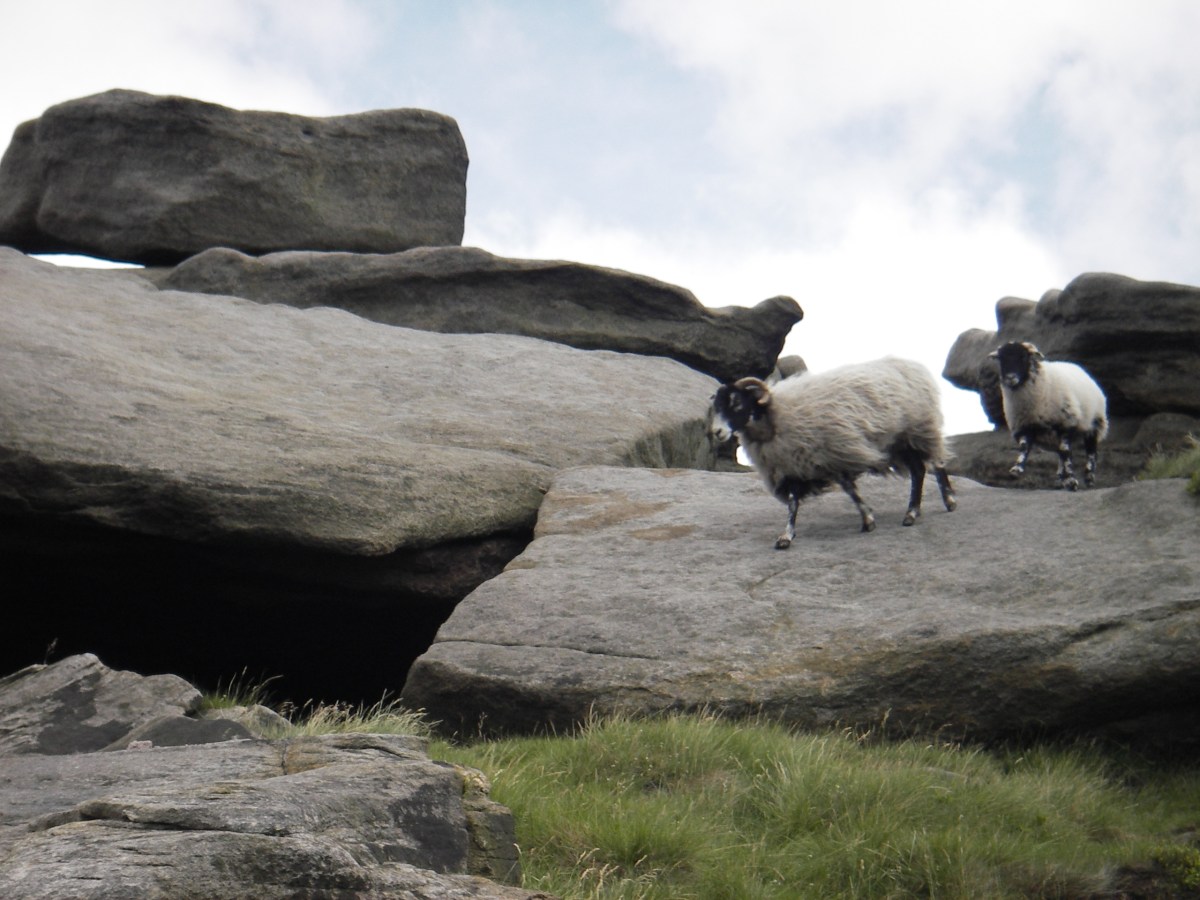
Where do you go?

A Gift

Leonora Speyer

I Woke: —
Night, lingering, poured upon the world
Of drowsy hill and wood and lake
Her moon-song,
And the breeze accompanied with hushed fingers
On the birches.

Gently the dawn held out to me
A golden handful of bird’s-notes.

DSC_0123
DSC_0147

(oops, I’ve got to keep better track, I featured this poem before. Still it’s dashed good.)

Epigram on Rough Woods

Robert Burns, 1759 – 1796

I’m now arrived—thanks to the gods!—
Thro’ pathways rough and muddy,
A certain sign that makin roads
Is no this people’s study:
Altho’ Im not wi’ Scripture cram’d,
I’m sure the Bible says
That heedless sinners shall be damn’d,
Unless they mend their ways.

DSC_0709