England in 1819

Percy Bysshe Shelley, 1792 – 1822

An old, mad, blind, despised, and dying king,—
Princes, the dregs of their dull race, who flow
Through public scorn,—mud from a muddy spring,—
Rulers who neither see, nor feel, nor know,
But leech-like to their fainting country cling,
Till they drop, blind in blood, without a blow,—
A people starved and stabbed in the untilled field,—
An army, which liberticide and prey
Makes as a two-edged sword to all who wield
Golden and sanguine laws which tempt and slay;
Religion Christless, Godless—a book sealed;
A Senate,—Time’s worst statute unrepealed,—
Are graves, from which a glorious Phantom may
Burst, to illumine our tempestous day.

Dartmoor story V #amwriting #WIP

Things get a tad more strange.

Following from the last installment: A new chapter. The start of the story can be found here.

Chapter 2.

Elizabeth was glad enough of her waterproof by the time they arrived back at her uncle’s house in Barnecourt. A rain squall had blown through, and even though she’d managed to put the cloak on, her dress was soaked. So was Mary’s but she laughed it off. Elizabeth just sat there and shivered. Unfortunately, their pony could only pull the trap slowly up the steep hills between Moreton Hampstead and Barnecourt. Elizabeth wondered if it would be faster to get out and walk. It hadn’t mattered the day before when the weather was fair and the scenery novel.

“My dear niece,” her uncle said, when they finally arrived at the house. “You look positively blue with the cold. Come into the kitchen and warm yourself.” He bustled her inside to the stove, where a few coals kept the boiler warm. “Are you feeling well?”

“Cold,” Elizabeth’s teeth chattered, and she had a short coughing spell.

“Had I known the weather would turn, I’d have never let you go in the open trap.” He put a couple more pieces of coal in the stove and stirred it up to get the fire going. “Hope I don’t put it out. Mary’s the expert with this dratted contraption.”

The warm close air of the kitchen helped Elizabeth, and after a few minutes she stopped shaking. She did not stop coughing.

Uncle Sylvester listened to the cough, and balanced the administration of a tot of warm whiskey against the alternative of a dose of Ipecac. Finally, he asked Elizabeth, “Has Ipecac ever helped your cough?”

She shook her head, “No!”

“Then whiskey it is. A touch of honey mixed in sometimes helps.” He went off to prepare the medicine. By the time he returned, Mary had arrived and produced a bowl of hot water. Elizabeth sat with her head over it, wrapped in a towel and inhaling the steam. Mary looked up at him when he returned and said, “Whiskey, is that all you doctors ever think about? Cut some thyme from the garden, and I’ll put it in the bowl with the steam.”

The warm moist aromatic mixture soon soothed Elizabeth’s cough. Her uncle took one look at her, and said, “Bed. You need your rest. … Mary, will you see that she’s tucked in and warm? I must see to my laboratory; things are afoot.” He dashed out.

Mary smiled at her charge and added, “I could give you some broth, or would you prefer to just sleep?”

“I’ll go to sleep, and maybe then I’ll be able to join you for supper.”

On the way upstairs, Elizabeth stopped for a breath and said, “Is my uncle always so odd, distracted?”

Mary chuckled, “Not usually. He must be hard at work on something. We’ll probably hear it soon enough – when it explodes.”

“Does he always make things explode?”

Mary added, “I don’t think that’s his idea; it’s just what always seems to happen. Still, he’s happy and usually unhurt.” Then she led Elizabeth to her room and helped her into her dry nightdress. Then she wrapped her in a warm quilt and helped her into bed.

In the process, Elizabeth noticed that some of her things had been moved. “Mrs Trent, would anyone have looked through my room while we were away?”

“Why ever would anyone do that, Miss? It’s only George and Dr Standfast who were here.”

“It’s just things aren’t quite the way I remember leaving them.”

“You must be tired, I can’t imagine either of them searching your things. Maybe they had to move something when they were fixing the roof. In case plaster fell.”

“I suppose I’m just tired and seeing things.”

The next installment.

Dartmoor story IV #amwriting

Things get a tad more strange.

Following from the last installment:

“Other than that thunderstorm, like a baby. This is the first time I haven’t had my nightmares in a couple of years. Well, I did wake up to something scrabbling at my window, but that had to be mice.”

“Yes, mice.” Uncle Sylvester paused, “Mice yes, that’s right, mice. Mary told me that your dresses were fine, well made, suitable for London, but not suitable for country rambles. We were thinking that you would like to get some plainer ones made so you can wander about the downs without worry.”

“Are you sure I’ll be strong enough?”

“I think,” Her uncle said, “you’ll make a rapid recovery. I can already see that the fresh air agrees with you.”

Elizabeth smiled at him and said, “I hope so.”

“You’ll be surprised how good the clean air and healthy living in Dartmoor are for consumption. Finish your breakfast, and I’ll have Mary take you to Moreton Hampstead. See a draper.”

“Uncle, I’m sure I could make my own, and with Mrs Trent’s help.”

“Yes, yes, but we don’t have the fabric. You’ll need supplies, even if you stitch them yourself.”

Mary started to object, as a competent housekeeper she had more than enough fabric on hand for a simple farm-dress, but then she caught Dr Standfast’s glance and agreed to the trip.

“Excellent,” he said, “While you’re out, George and I will need to repair the roof. It looks as if there’s a pair of broken tiles over the window to Elizabeth’s room.”

“There are?” Elizabeth asked.

“When you go to put on your town clothes, take a look up from the window.”

Having finished her tea, and a hefty helping of bread, butter and jam, Elizabeth returned to her room to change. She followed her uncle’s advice and looked above the window. There were several shattered and damaged tiles. If she didn’t know better, she could have sworn that they had been shot. Certainly something hard had shattered them. She said to herself, “I wonder if one of the local children was throwing stones.”

“Mrs Trent,” Elizabeth said, as their pony easily trotted downhill to Moreton Hampstead, “It sounded to me that my uncle wanted us out of the house. Is something going on?”

“No Miss, he wants you to get out in the sunshine. At least while the weather’s good. It can be awful close weather up here at times. Have you see the downs and tors at their best.”

“I guess. Do we need the fabric?”

“I wouldn’t say we do, but Miss, there’s always something to look at in the town. You do need a plain dress that won’t get too mucky and we can brush clean when it does. That and a rain cloak. That pretty little thing of a parasol umbrella you brought from London won’t last long when the rain sets in.”

“And I suppose we can’t make a good rain cloak.”

“Not a good one, Miss,” Mary laughed.

“You know Mrs Trent, I wouldn’t have believed it, but I think Uncle’s right. I am breathing better.”

“Dr Standfast is a sharp man and a good doctor, Miss Elizabeth.”

“Mrs Trent, do you know what happened to the roof by my window? It sounded as though something were there last night. Just when the thunderstorm started. There wasn’t any hail was there?”

Mary paused, and changed the direction of the conversation. “Nay Miss. This here is North Bovey. A pretty little place, but nothing to compare with Moreton Hampstead.”

“Or London.” Elizabeth added with a laugh.

“Nor London. Not that I’ve ever been there. Can you tell me about it?”

Mary queried Elizabeth about the wonders of the city all the way into town. Crowds, omnibuses, gas-lights, museums, concerts, and even whether she’d danced with young men and had a fancy for one. Elizabeth sighed that the men she had met so far were rather dull.

“Well, Miss,” Mary said, “I don’t know that country folk are exciting.”

“I expect they just weren’t the right men for me.”

They pulled into town, and after arranging to bate their pony at The Horse, walked across the street to the ironmongers. Mary paused outside and said, “I need to check on some things Mr Trent ordered, I’ll meet you at the Moreton Drapers. They’re just up the street.” She pointed the direction.

Elizabeth agreed to walk on ahead and left for the drapers. The store supplied a combination of the fabrics and notions needed to make clothing as well as a small selection of readymade clothing for the touring and less-discerning or perhaps, more desperate, trade.

The clerk greeted her, “Miss, can I be of service?”

“I hope so. I need a rain cloak.”

“Here on a walking holiday?”

“No, but after that thunderstorm last night, I should think I need one.”

The clerk said, “What thunderstorm?”

“Wasn’t there one here? There were flashes and bangs all around the farmhouse.”

“That must have been that crazy old coot who lives up at Barnecourt. Always making noisy bangs, firing off fireworks and dashed silly things like that. Wish he wouldn’t ’cause he’s a good doctor.”

“I think you mean my Uncle Standfast.”

“Oh.” The clerk paused and then after a moment to sort his feelings turned back to the business at hand and said, “You were wanting a rain cloak. We have a wide selection.”

He was displaying their selection, kept on hand for the visitors from the city who discovered that the wind-driven rain of the high moors and umbrellas did not mix. Elizabeth was deciding between a yellow vulcanized rubber slicker and a green waxed cape when Mary came in. The clerk said, “Mrs Trent, I shall be with you presently.”

“I’m with her. Miss James, have you seen anything you like?”

“Which is better, a waxed cape or this rubber one?”

“Get the waxed, it won’t be torn by the briers.”

The clerk promptly took the waxed cape and set it aside for her. “Anything else you’ll be needing Miss?”

“A skirt, something that will do for walking.”

“I have some ready-made’s, but Mrs Trent is an excellent needlewoman.”

“As am I, but need something now. We need fabric as well, don’t we, Mrs Trent?”

Mary stepped up and gave the clerk her requirements. She’d written them down to save time. A few minutes later, with the cloak, an awful woollen skirt, and a small bolt of fabric put on the account, Mary and Elizabeth left the shop.

Elizabeth said, “He called my uncle a ‘crazy old coot’ and said he shot off rockets and made all sorts of odd noises. Is that true?”

“He’s not crazy nor a coot, but he does like his explosions. He’s been known to help test blasting powders for the quarries at Hayter, up on the Tor.”

“Was that what happened last night? I only ask so I can get some notice and not be surprised.”

Mary said, “Did you care for some tea before we return?”

“You didn’t answer my question.”

“No, I didn’t. Ask your uncle about it. Are you hungry after our expedition?”

The next installment.

The start of the story can be found here.

Dartmoor story III #amwriting

Things start to get strange.

Following from the last installment:

Early that morning, while it was still dark, Elizabeth woke to the noise of something scrabbling at her window. She turned in bed to look at it, and then saw a thundering combination of flash and noise. She said to herself, “Must be a thunderstorm.” She rolled over and went back to sleep, ignoring the other claps of thunder that followed.

Indirect daylight was diffusing into her room when she woke in the morning. She leaped up, well rested, and dashed to the window to look at the view she could only see indistinctly the night before. It was, as Mary intimated the night before, lovely, striking, and indeed beautiful.

Even more striking, when she looked down at the farmyard below her, was her uncle. Walking back from the fields, he carried a large rifle and a shovel over his shoulder. He looked up and waved to her before he entered the house. She threw on her house-dress and dashed downstairs to catch him.

She found him in the kitchen, seated informally with Mary and George. She noted that his clothes were mucky, as though he’d been digging. Pouring himself a cup of tea, he offered her one. “We don’t stand much on formality here. I generally breakfast in the kitchen with my servants, but if you’d prefer to use the parlour?”

Elizabeth laughed, “No, this is fine. Better than fine, it’s cosy. What were you shooting? I think I heard you last night, unless it was a storm.”

Her uncle paused, “Rabbits. After the storm.”

“Rabbits?” Elizabeth pointed to a gun that was sitting in the corner. “With that?”

“Yes,”

“Isn’t it a bit big? It looks like my Cousin James’ service rifle. He said they used it to hunt elephants and buffalo when he was in Africa.”

“They were big rabbits.”

“They’d have to be. The cartridge is bigger than my finger. I wouldn’t think there’d be much left of a rabbit if you hit it. Even if it was a big rabbit.”

“If you must know, I used a shot-shell. Didn’t have the best of hunting, though, so it won’t be rabbit pie for dinner tonight.”

“That’s a shame. It looks like no rabbits and you slipped in the mud to boot.”

Mary asked, “Did you sleep well, Miss Elizabeth?”

“Other than that thunderstorm, like a baby. This is the first time I haven’t had my nightmares in a couple of years. Well, I did wake up to something scrabbling at my window, but that had to be mice.”

The next installment.

The start of the story can be found here.

Dartmoor Story II

This is the second installment of a story I’ve been working on that is set at a little farm near North Bovey. It’s set much later (1893) than my usual ones and has a strong science fiction backstory.


Her uncle walked to the trap and offered a hand to help her down, “You should call me Sylvester. Uncle Sylvester if you must. We’ll see, but I’m sure the fresh air and clean water of Dartmoor will help.”

He led her into the parlour and said, “You must be hungry, tea?”
“Yes, please. I mean, if it wouldn’t be a bother, Uncle.”
“It’s no bother for me,” he turned and shouted, “Mary! Tea please, in the parlour. My niece Elizabeth is finally here.” Then he explained to Elizabeth, “There’s no bell so I just shout for the servants. You’ve met George, my man-of-work. Mary is his wife and my housekeeper.”
While they waited for Mary, Uncle Sylvester played with a lamp, adjusting the wick and finally lighting it. A dim orange glow filled the room. “I’m afraid we’re not on the gas here. So kerosene lamps it is.”
Elizabeth said that would be fine.
“It’s either those or candles, but I have laid on water. At least when the pump works.”
Mary arrived with the tea tray. In addition to the teapot, she had put some scones on a plate. She curtsied and said, “Miss James, I hope you’ll find this to your liking.”
Uncle Sylvester said, “Mary, if you would see to Elizabeth’s needs. There is an experiment I must attend to. I shan’t be long and I should like to listen to those lungs of yours before you sleep.”
After her uncle left, Elizabeth asked Mary, “His laboratory? When my father said that, it usually meant he was dashing around the corner for a nip of brandy.”
“No Miss. If Dr Standfast says he’s in his laboratory, he’s working. He doesn’t drink like that.”
“A teetotaller?”
“Not quite Miss Elizabeth, he’s just temperate. I can’t imagine him sneaking off for a nip.”
“What’s so special about his laboratory?”
“Can’t say Miss Elizabeth. It’s private, maybe you should ask him.”
“I will. Thank you for the scones, I didn’t realize how hungry I was. It’s been a long trip.”
“From London and all, Miss. I shouldn’t wonder. I’d love to go to London, some day.”
Mary’s speculation about London ended when George dragged Elizabeth’s trunk inside. “Sorry Miss, I had to put the pony in his stall first. Mary, love, which room is hers?”
“Upstairs, left in back.” Mary turned to Elizabeth, “It has a lovely view, Miss and is away from the noise of the road.”
“What noise? It is so quiet here.”
George struggled with the trunk, mostly because the staircase was narrow and twisty, and he couldn’t stand straight to lift it properly. Mary led Elizabeth in his wake to the room her uncle had chosen for her. There was a small brass bedstead, a wardrobe and a table with the inevitable pitcher and basin. The chamber pot was under the bed where it should be. Elizabeth went to the window and gazed out. The stars shown above the line of hills and downs in the distance. Dim yellow lights showed where the village of North Bovey lay to the North. Rather more light, to the East, showed the town of Moreton Hampstead.
Elizabeth said, “It’s perfect.”
“Yes, Miss.” Mary paused, “George, Miss Elizabeth should get her rest.”
“Oh, right.” George bowed slightly and tipped his forehead in a salute. “Sleep well, and if you want to tour the farm, let me know in the morning and I’ll get the Tilbury ready.”
“I shall, but you know it depends on what Uncle says.”
Mary bustled her husband out of the room, and then helped Elizabeth to open her trunk. They found her nightdress. Then she helped Elizabeth out of her dress and the corset she wore beneath it.
“Miss,” she asked, “Your arms, all those bruises, what did you do to them?”
“I don’t know. I think I knocked them on my bedstead when I had a nightmare. I have bad nightmares.”
“Then I hope you sleep well here and have no nightmares.”
“So do I.”
Uncle Sylvester knocked on the door. “When you are ready, I’d like to listen to that chest, and you can tell me about these nightmares.”
A few minutes later, once Elizabeth wore her nightdress, they let him in. He too, noticed the bruises on Elizabeth’s arms, and frowned at the story Mary repeated to him.
“Interesting,” he said, “How often did you have those nightmares?”
“Every two weeks, it was like a clock.”
He nodded, and then said, “I think you’ll find the fresh air and good food of Dartmoor will banish those. Let me hear your chest.”
He pulled a stethoscope from his pocket, explaining, “I had to get this from the laboratory. It’s probably best if you’d sit on the edge of the bed.”
Elizabeth sat and he sat behind her. Mary, still there for proprieties sake, watched as he slid the chestpiece along Elizabeth’s back, asked her to breathe deeply and listened. Then he thumped her back while he carefully listened.
“Interesting, interesting, interesting.” He paused, “I don’t think I need to listen to the front of your chest.” Then he stood up and walked to the window. He stared out at the stars for a few moments of intense thought, and then, finally, turned around and said, “How long have you had this consumption?”
“I don’t know, but I’ve been weak for the last year, and coughing for almost as long.”
“When did the nightmare’s start?”
“About the same time. After he examined me, Mr Harvey told me it was because I couldn’t breathe well. When I struggled for breath, I’d have the dreams.”
Her uncle nodded, “It could be. When did the bruises start?”
“At least a year ago, about the same time. What is it?”
Uncle Sylvester frowned, “I’m not sure.” Then he smiled at her, “But whatever it is, your parents did the right thing to send you here. Get some sleep and we’ll see how you feel in the morning.” He paused again and said, “Mary, before you go, make sure the windows are fastened tight, locked. Elizabeth shouldn’t breathe the chill night air. By the way, Elizabeth, how long has it been since your last nightmare?”
“Two weeks.”
Her uncle frowned again, but said nothing more and shut the door as he left.

The next installment.
 

Dartmoor Story.

This is the start of a story I’ve been working on that is set at a little farm near North Bovey. It’s set much later (1893) than my usual ones and has a strong science fiction backstory.

Uncle Sylvester Receives a Visitor.

It was nearly dark when the pony-trap carrying Elizabeth from the station at Moreton Hampstead finally arrived at the farm at Barnecourt. Venus, the evening star, shown brightly in the dull orange band of the western sky. She presaged a clear and starry night. Nobody noticed when she winked out and fell to Earth with a quick bright streak of light. George Trent, Dr. Standfast’s man-of-all-work, drove the trap to the front of a small farmhouse in the country not far from the isolated village of North Bovey on the outskirts of Dartmoor.

After stopping, he gently awakened his sleeping passenger, “Miss James? We’re here.”

Elizabeth James, a slight young woman, dark haired and pale, with the gentle slight cough of incipient consumption, stirred. Her parents had arranged for her to visit her uncle. He lived and practised in the country, and they all hoped that the fresh air would suit her lungs better than the stale smutty air of London. They had waved goodbye as she boarded a train in Paddington in the morning, her first step in the longest journey of her life. London, to Bristol, to Exeter, and then on the stopping train to the end of the line at Moreton Hampstead. There she was met by her uncle’s servant with a one-horse trap, and now, finally, she awoke in front of his house.

“We’re here?”

“Yes, Miss. Let me tie the horse and I’ll help you down.”

The clatter of their arrival brought Dr. Standfast to the door. Unusually tall, thin and surprisingly active for his sixty years, he shot out of the door and said, “Elizabeth! You’ve made it at last. How was your trip?”

Elizabeth replied, “Tiring.”

“I can see that, but are you feeling well. At least as well as can be?”

She gave a slight cough, and then said, “I think so.”

The cough made her uncle frown, “We’ll see what we can do about your cough.”

“If you can do anything, Uncle Standfast, it will be more than the doctors on Harley Street could.”

Her uncle walked to the trap and offered a hand to help her down, “You should call me Sylvester. Uncle Sylvester if you must. We’ll see, but I’m sure the fresh air and clean water of Dartmoor will help.”

The story continues

North Bovey.

Another travel post.

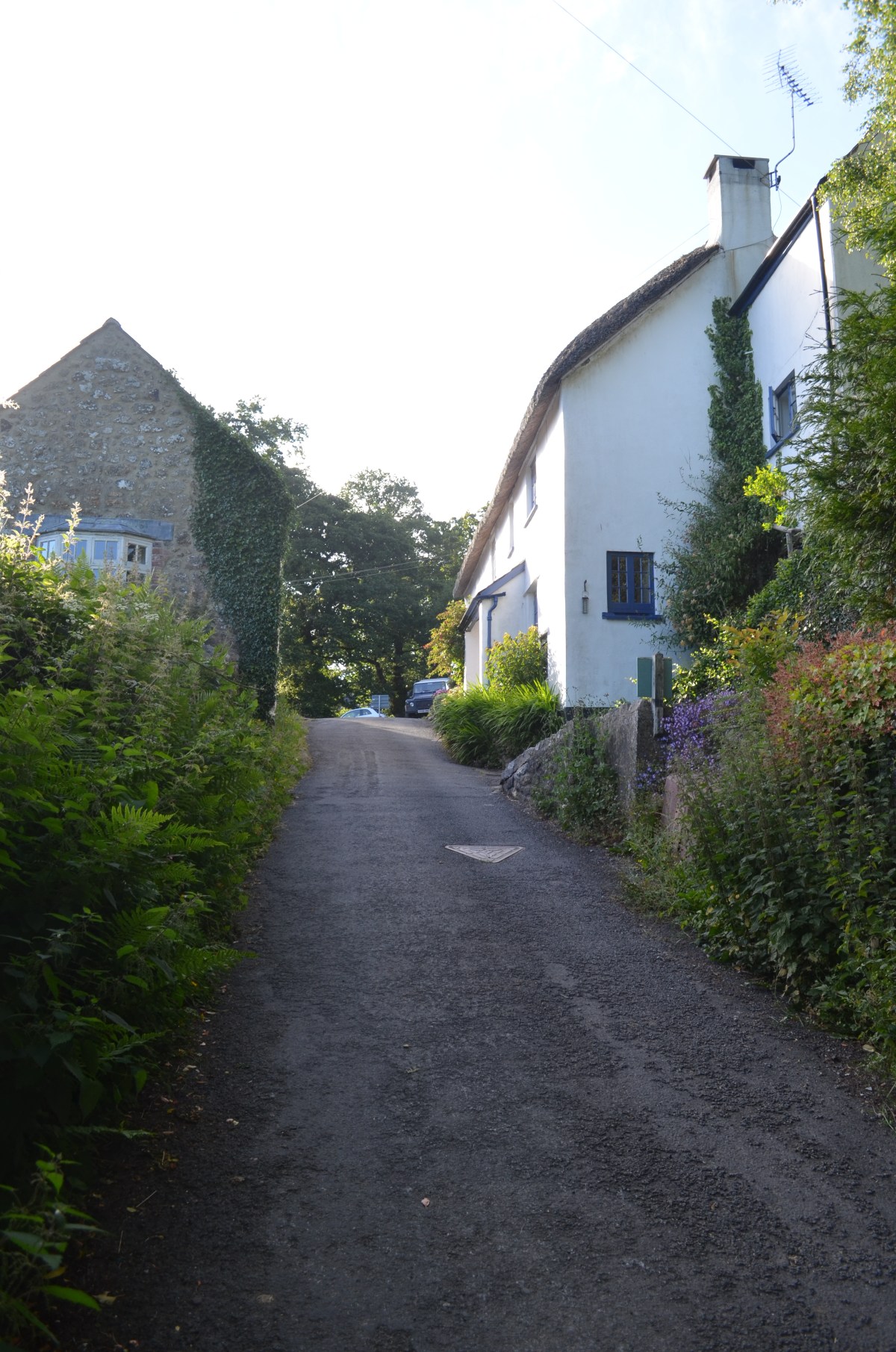
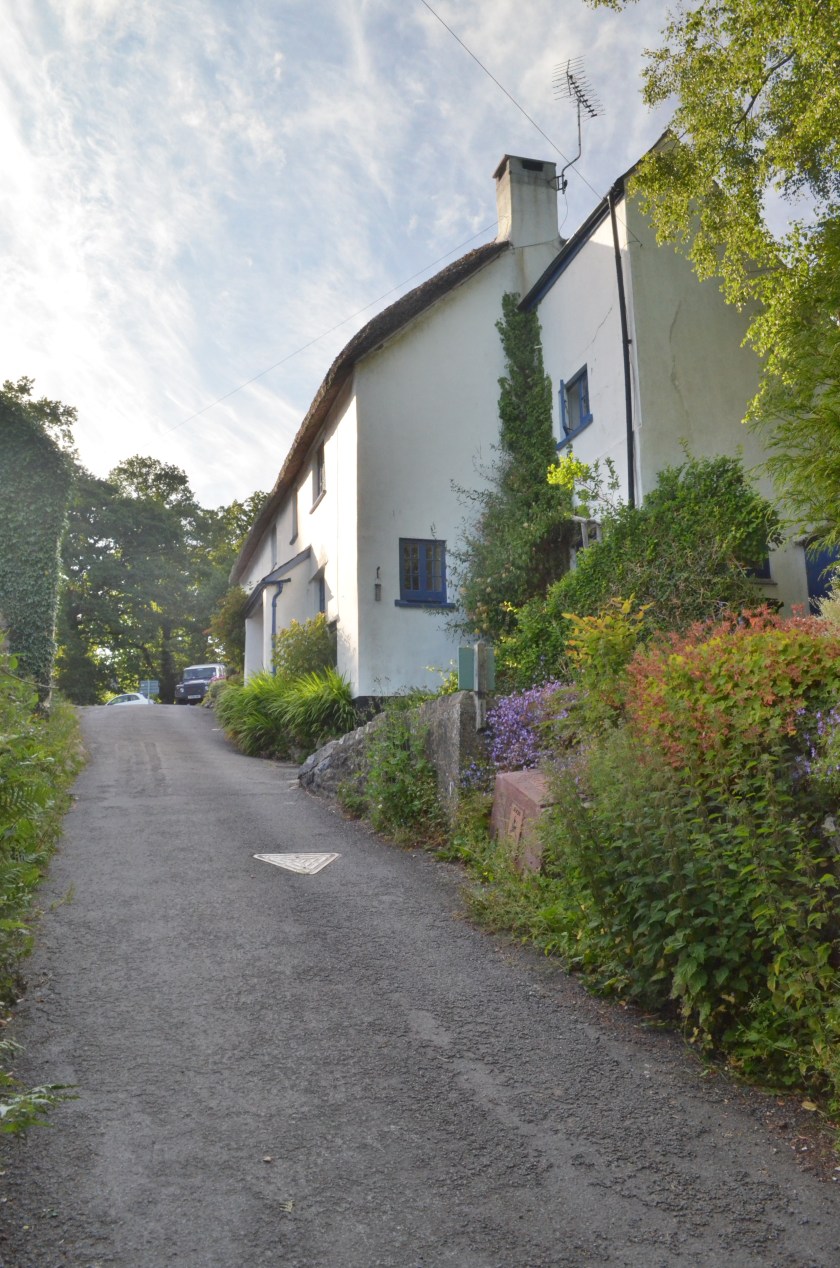
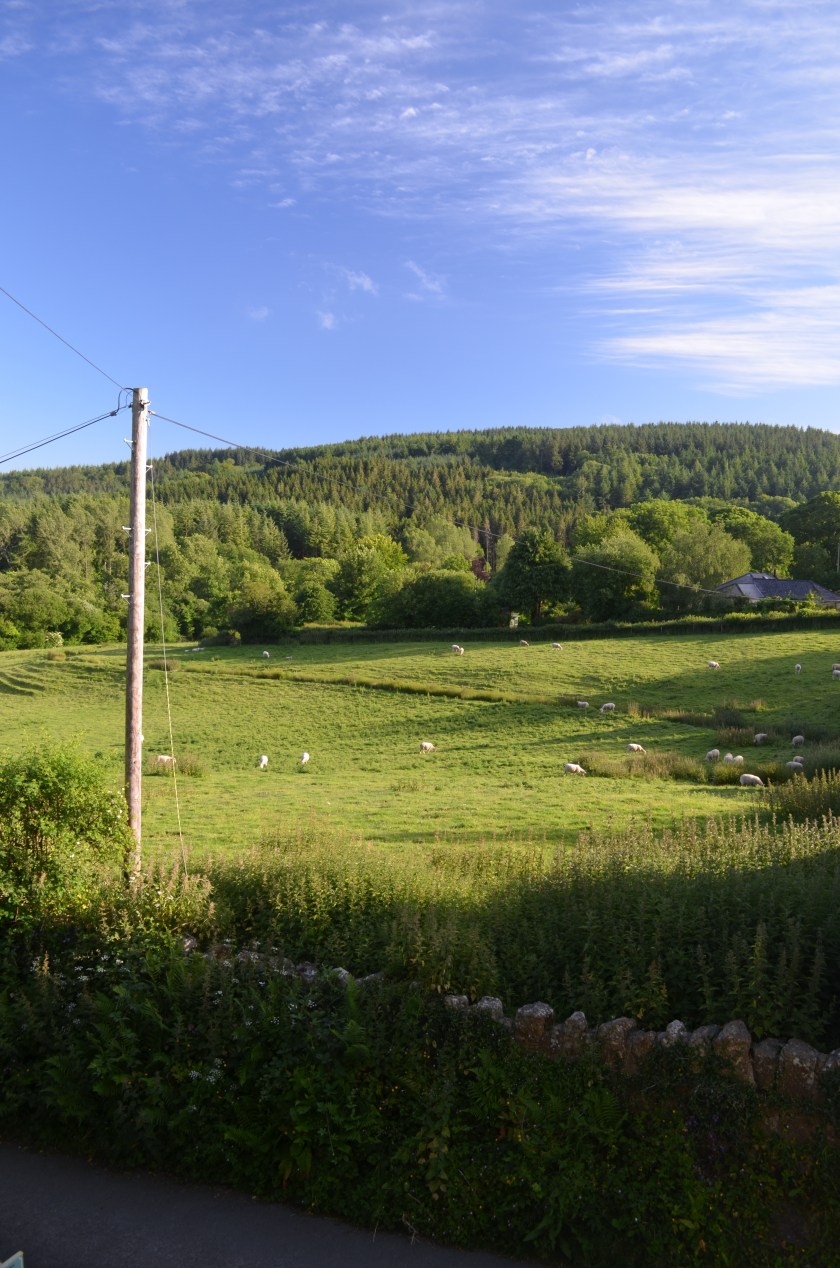
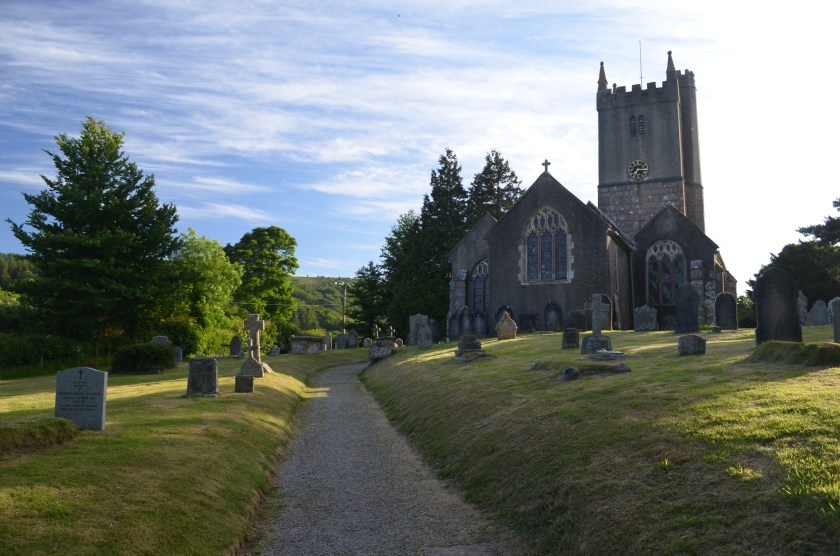
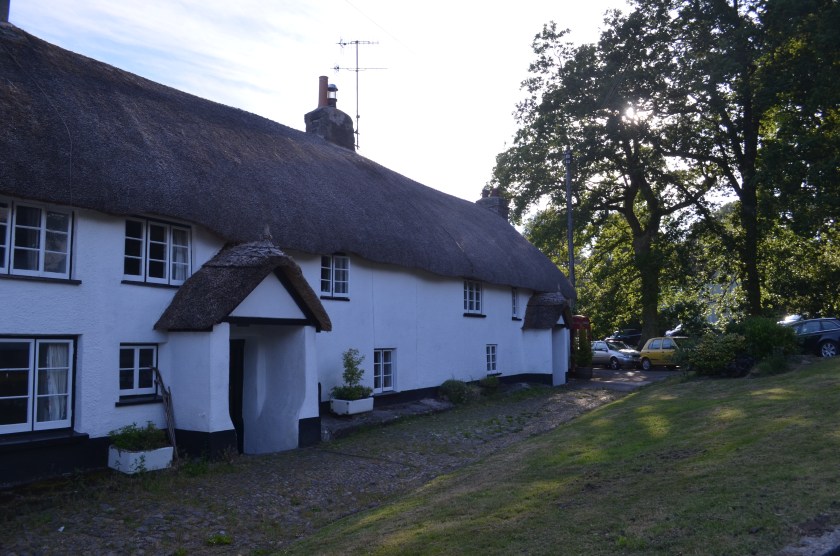
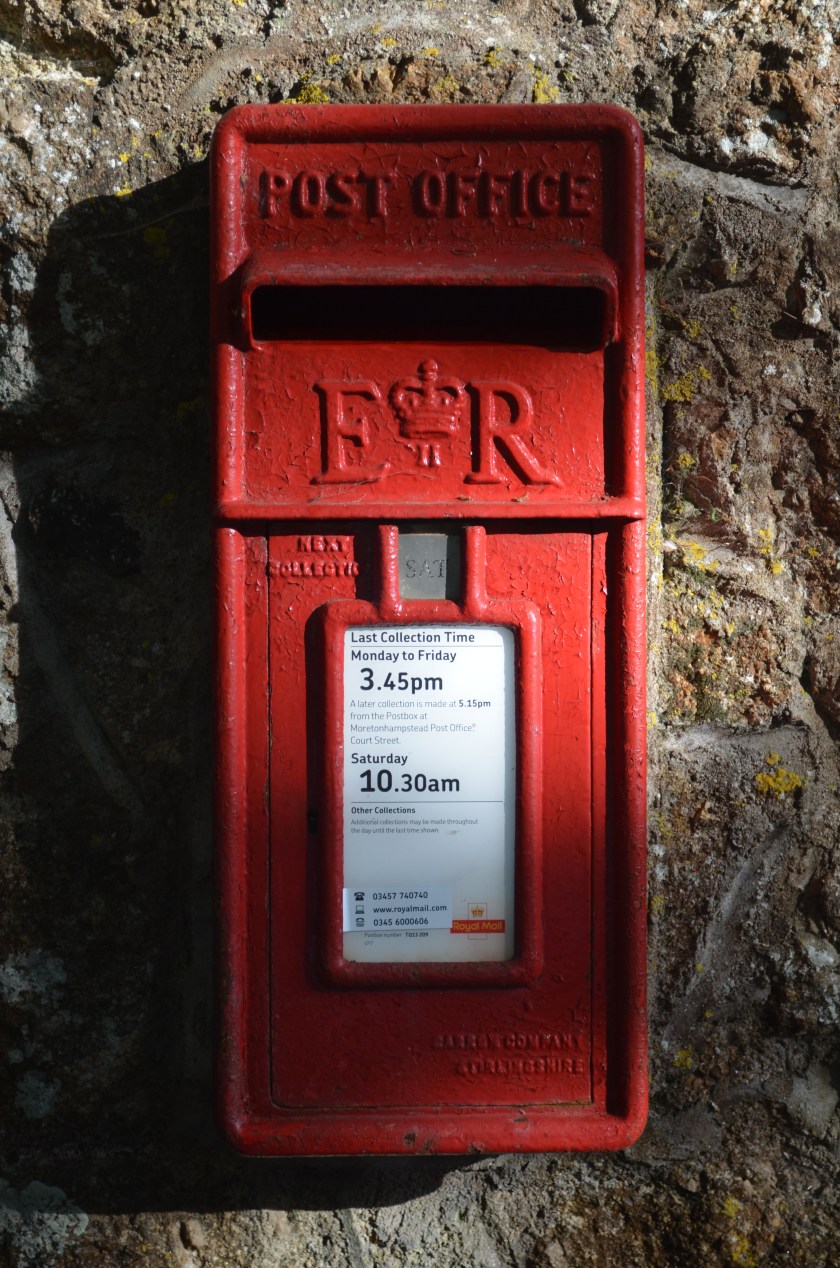
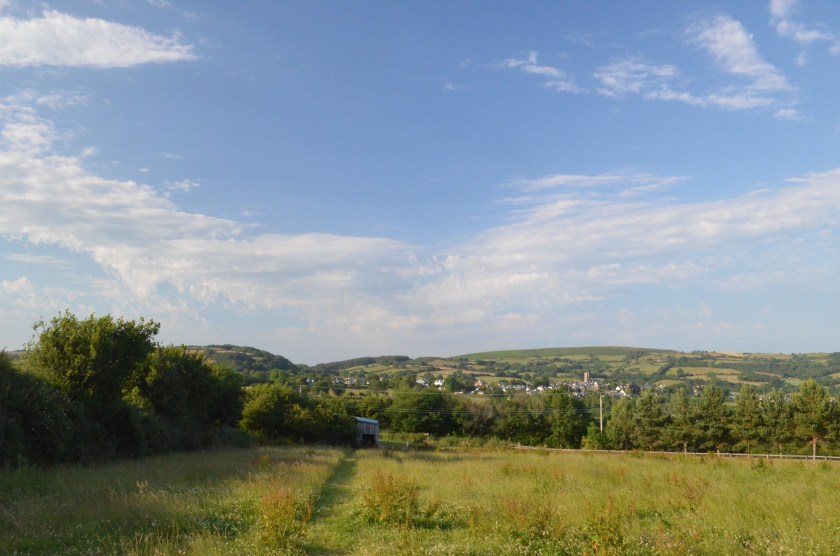
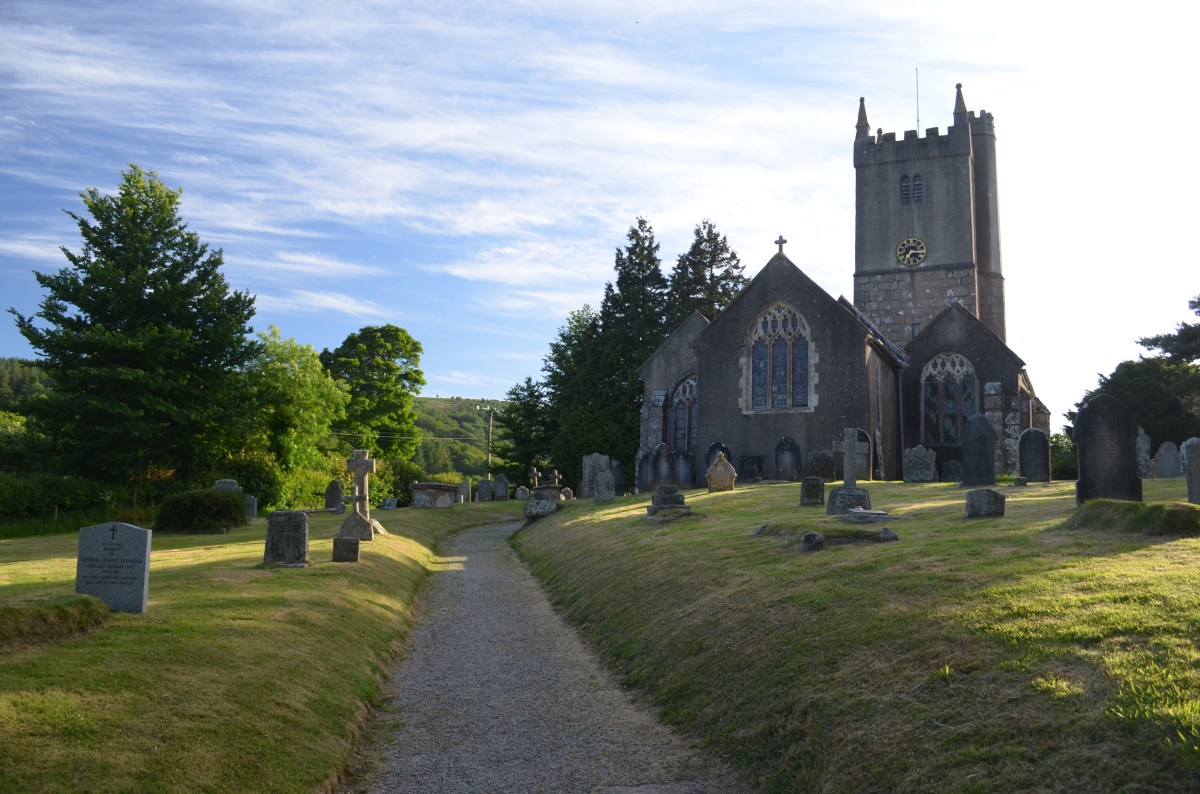
North Bovey is a small village in the Dartmoor national park. We hired a cottage there as a base of operations last summer. There’s a fancy high-class pub, the Ring of Bells, rated by Egon Ronay, but fortunately regular places are easy to reach either by walking or driving. (Since the roads are mostly one lane, even the A-roads, walking is a good idea). It is a fairly easy drive to the nearby town of  Mortenhampstead (M’hampstead on the street signs) where there are groceries (a co-op) and various diversions. The roads are tiny, even by English standards, so if you hire a car (and to be honest there’s no other way to get there), you do not want a big one.

DSC_0791DSC_0765

The view from our bedroom.

DSC_0781DSC_0773DSC_0776

M’hampstead from the footpath. It’s about a 2Km walk, and well worth it.DSC_0843
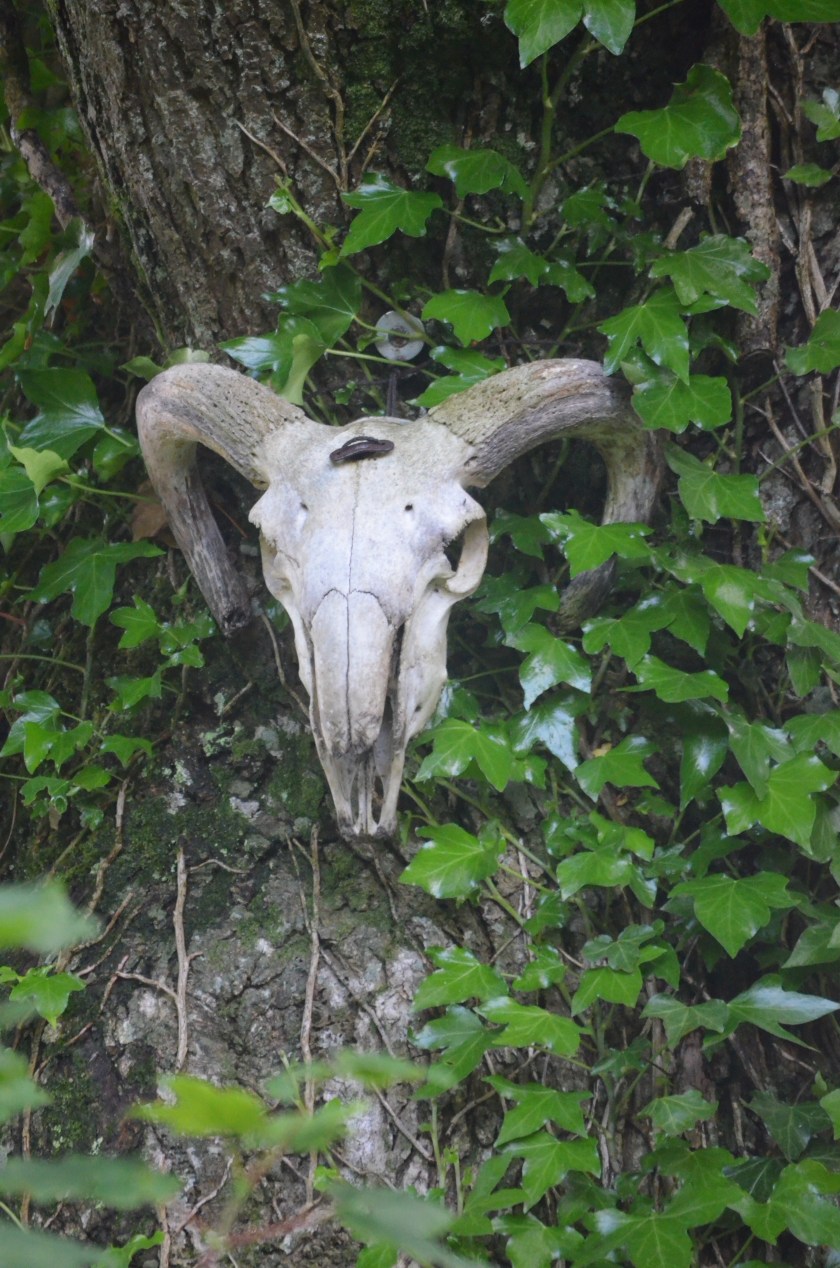
This goat skull, bolted to a tree and hidden from view, greets visitors.DSC_0847

The Curious Profession of Dr. Craven

To celebrate turning in the layout copy I’m posting the first chapter.


The Resurrection Men.

THE VICAR intoned the familiar words from the Book of Common Prayer while the family mourned their loss. She died quickly, almost overnight, and now being placed in the family crypt.

FORASMUCH as it hath pleased Almighty God of his great mercy to take unto himself the soul of our dear sister here departed, we therefore commit her body to the ground; earth to earth, ashes to ashes, dust to dust; in sure and certain hope of the Resurrection to eternal life, through our Lord Jesus Christ; who shall change our vile body, that it may be like unto his glorious body, according to the mighty working, whereby he is able to subdue all things to himself.

That night, the four resurrection men met the verger in the dark churchyard. They carried shaded lanterns and intended to retrieve the ‘vile body’ before it became too vile for their client to use. They wore scarves over their faces to mask their identity. Grave robbing, while technically just a misdemeanour, was a serious offense so they made sure to leave nothing to chance. Still, the money they earned was good, and the likelihood that they would be caught was small.

Elias, the verger, pocketed the four crowns the oldest resurrection man had given him. Then he led them to the Patterson family crypt and put the key in the lock on the barred, iron gate and gave it a turn. He pushed on the gate, and as it creaked open, he turned and said to the resurrection men, “She was just put in here this morning. Should be fresh.”

“That’s what the doctor wants.”

“Take care, this hasn’t been a quiet one.”

“What do you mean?”

“I thought I’d heard noises.” They all listened and other than the distant “goo-de-who” of an owl it was quiet.

“Elias, you daft bugger. You’ll have us jumping out of our skins. Which one is it?”

Elias led them to the newest coffin. There hadn’t been time to etch a metal plaque for its occupant. A temporary paper label attached to the top said, Cecelia Jane Garth 1790-1810. Resting in Peace with the Lord.

He pointed, “That’s her. The poor lass, she was just engaged to a rich suitor. She faded so quickly, and even Sir William Knighton couldn’t save her. One day she was happy, and then she was gone.”

Then he anxiously looked at the four resurrection men, “Do I have to watch?”

“Nay, man. Not if you don’t want. Why don’t you keep an eye out for the curate?”

Elias stood at the door to the crypt and kept watch while the resurrection men pulled the coffin off its shelf and lowered it to the floor. They opened it and gazed at the contents.

“Aye, Dad,” the youngest said, “She was a beauty. Pity to anatomize her.”

“That’s how we stand the nonsense, Lad. Up with her, and careful. The doctor wants them unblemished.”

“She’s not stiff, and a touch warm.”

“Maybe she’s not as fresh as Elias said. Starting to rot mayhaps.” The senior resurrection man turned to the verger and said, “Elias, are you sure this is the one?”

Elias looked, “That’s her. Miss Cecelia Garth. God rest her soul.”

The four resurrection men stretched her body on the hard ground of the crypt. It was wrapped in a winding sheet for burial, with ties to bind her legs and arms together. A bandage around her head held her mouth shut. Then they put rocks in the casket, resealed it, and replaced it in the crypt. In the process, the paper label ended up on the inside of the casket.

Then they carried her out of the crypt and into the dark churchyard.

The gate creaked again as Elias shut it. There was a faint gasp at the same time as he turned the key in the lock.

“Did you hear that, Da?” the youngest resurrection man asked, shocked at the noise.

Elias said, “That’s what I mean. She hasn’t been a quiet corpse.”

Jonas, the eldest resurrection man, spat and then said, “What a lot of superstitious buggers you are. It’s just the wind.”

Together they carried the body to a waiting cart. It was tied to the kissing gate at the church, and the sorry looking excuse for a horse waited patiently to take up his labours. Since the body had been a beautiful young woman, they carefully laid it in the back. They pulled a blanket over it and then covered that with straw. It wasn’t often they encountered the watch, but it was just as well to be prepared. They hopped onto the cart, and Jonas held the horse. They clumped off into the night at the fastest pace the horse could manage.


Elias pulled the four crowns from his pocket and carefully examined them. The pound they summed to, equivalent to almost half a month’s work was a welcome addition to his meagre wages.

He said, “Just hope I don’t get caught,” to the wind that was whistling in from the dark of the night. He pulled the gate to the graveyard shut with a loud creak, then latched and locked it. The noise seemed to echo forever in the distance so he listened for the footsteps that would presage a hue and cry. All he heard was that bloody owl.


“Dad,” the youngest resurrection man said, “where are we bound?”

“We’ll drop these two lads off at the Red Lion. Then you and I shall take the young miss to her final destination.”

“Jonas, you said.”

“Now shut your gob. I’ll pay thee. No reason to risk us all getting run in by the watch. Now is there?”

“Reckon not. Still, we should be there when you meet the anatomist. How do we know you’re not trimming us over the price?”

“Listen Lads, the less you know, the safer you are and the safer he is. The safer we all are. I’m only taking my boy because I need his muscle. Gettin’ old. ‘Sides which, he’s family and we’ll both hang together, any road.”

“It’s not a hanging offense, is it?”

“No, but it’s a fine and prison if we’re caught.” While not technically a death sentence, a long stay in prison wasn’t exactly good for the health. Scanty, poor quality food and the lack of light or ventilation in a crowded building tended to eliminate prison overcrowding.

The wagon pulled up to the pub, and the two unnecessary resurrection men jumped down. Jonas passed them a crown each, “More for you tomorrow after I’ve been paid. Now keep your blubbers shut.”

An hour later, Jonas pulled the wagon up in front of the old tithing barn in Streatham and tied it to a hitching post. An ancient building left over from the dissolution of the Abbey under King Henry; the barn was a massive stone building with high narrow windows that discouraged the curious. The tall arched roof still kept the rain out, at least most of it. While it was far enough from the centre of the village to avoid prying eyes, it was also slowly falling into disrepair. Dr. Richard Craven used it for his private laboratory.

The massive door squeaked as he opened it and greeted them, “Jonas, what have you for me tonight?”

“Just what you wanted, a young woman, fresh.”

“Excellent. Now bring her inside.”

“You’ll be paying me now. Like we agreed?”

“Ten pounds. I have it here.” Dr. Craven pulled a note from his coat pocket.

“Ten, nay man, twenty.”

“Twenty? You said ten before.”

“Twenty or we take her straight back.” Twenty pounds was almost a year’s wages for a skilled labourer.

Dr. Craven was in no place to argue. He needed a woman to continue his studies, and there she was almost close enough to touch. She was just another cadaver, on her way to returning to the common clay.

“Twenty it is, you rogue.” He handed Jonas two banknotes.

Jonas nodded to his son, “Bring her lad.”

The boy uncovered their cargo and shouted, “she’s moved Da’. She’s moved.”

“Nonsense boy. Must have been shifted by the roads. Now stop yer yammering and bring her in.”

“Da’ alone, by myself?”

“She’s a light one. Not like some of them.”

Light or not, a body is hard to carry one handed. The boy staggered under the weight. He followed his father inside with the good doctor. Once there, he asked, “Dad, can you help?”

Together they laid her out on the cold stone floor.

Dr. Craven inspected the body, gave it a sniff, and then nodded. “She looks to be in good shape. Smells fresh. Did you want the winding cloths?”

“Of course, and it has been thirsty work. Bringing her here. Deuced thirsty.”

The doctor sighed, “I’ll get the brandy for you.”

Then he walked to the far end of the barn where he kept a small store of run French brandy. Jonas, a man with a nose for the spirits that was only matched by his capacity for imbibing them, followed him. The dark shadows hid the debris of the doctor’s studies, the prepared examples, the bottles of preserved organs, and the strange retorts of his research from their view. A chorus of squeaking rats from the cages at the far end of the building only added to the atmosphere. What little Jonas could see through the flickering candlelight was disturbing enough, even for a hardened resurrection man.

Jonas tugged on Dr. Craven’s sleeve, “You will take the brandy from the right cask, won’t you? Not one of these odd spirits and poisons?”

The doctor laughed, “Of course, I need a dram myself. It’s been a cold night.”

In the meantime, the boy undid the bandage that held the woman’s jaw shut tight. As he pulled it off her, her mouth opened and she gasped for air.

He ran to his father and the doctor, shouting, “I tell you, Doctor, she’s alive!”

Jonas and the doctor walked back to him, carrying a decanter of the brandy with them.

Dr. Craven said, “Can’t be, Lad. That must have been gas escaping from the body. They do that, you know, as they decompose.”

The elder resurrection man nodded, “I’ve seen it before, many times.”

“So have I Dad, but this wasn’t that. She gasped for breath when I undid the bandage.”

Dr. Craven said, “I’ll prove she’s dead. Put her on the table.”

The resurrection men lifted the body from the floor and put it on the examining table. It having once been a delicate young female, they were gentler with it than they were usually. The doctor gave his hands a quick rinse. Something he did more for superstition than any rational basis, and then he proceeded to examine the body.

“She is warmer than I’d expect. The decomposition must be advancing rapidly. I’ll need that ice.” He paused. It, no not it, she breathed. It was a gasp, a weak one at that, but a breath.

“Brandy!” He shouted, “and be quick about it, man. She’s alive.”

The youngest resurrection man ran for the decanter and returned as fast as he could. “Here, sir.”

The doctor took some and moistened the woman’s lips with it. She gasped again and stirred. “She’s cold, bring a blanket and a warm brick.” He immediately unwrapped the winding bandages from her body and untied the bindings on her legs and arms. “Come man, rub her legs. We must get the blood flowing.”

Between the warmth, the brandy, and the commotion, the woman’s eyes suddenly opened, and she sat up. She saw this handsome dark-haired man looking at her. His concern for her was evident in his face.

“Is this Heaven?”

“No. England.”

“Close enough.” Then she lay back and closed her eyes again.


I’m also looking for reviewers for my nearly ready book “The Curious Profession of Dr. Craven”

Get Free Stuff
Interlude

Edith Sitwell

Amid this hot green glowing gloom
A word falls with a raindrop’s boom…

Like baskets of ripe fruit in air
The bird-songs seem, suspended where

Those goldfinches—the ripe warm lights
Peck slyly at them—take quick flights.

My feet are feathered like a bird
Among the shadows scarcely heard;

I bring you branches green with dew
And fruits that you may crown anew

Your whirring waspish-gilded hair
Amid this cornucopia—

Until your warm lips bear the stains
And bird-blood leap within your veins.

How to pretend you know how to draw.

These sketches make it look like I’m one heck of an artist, don’t they?
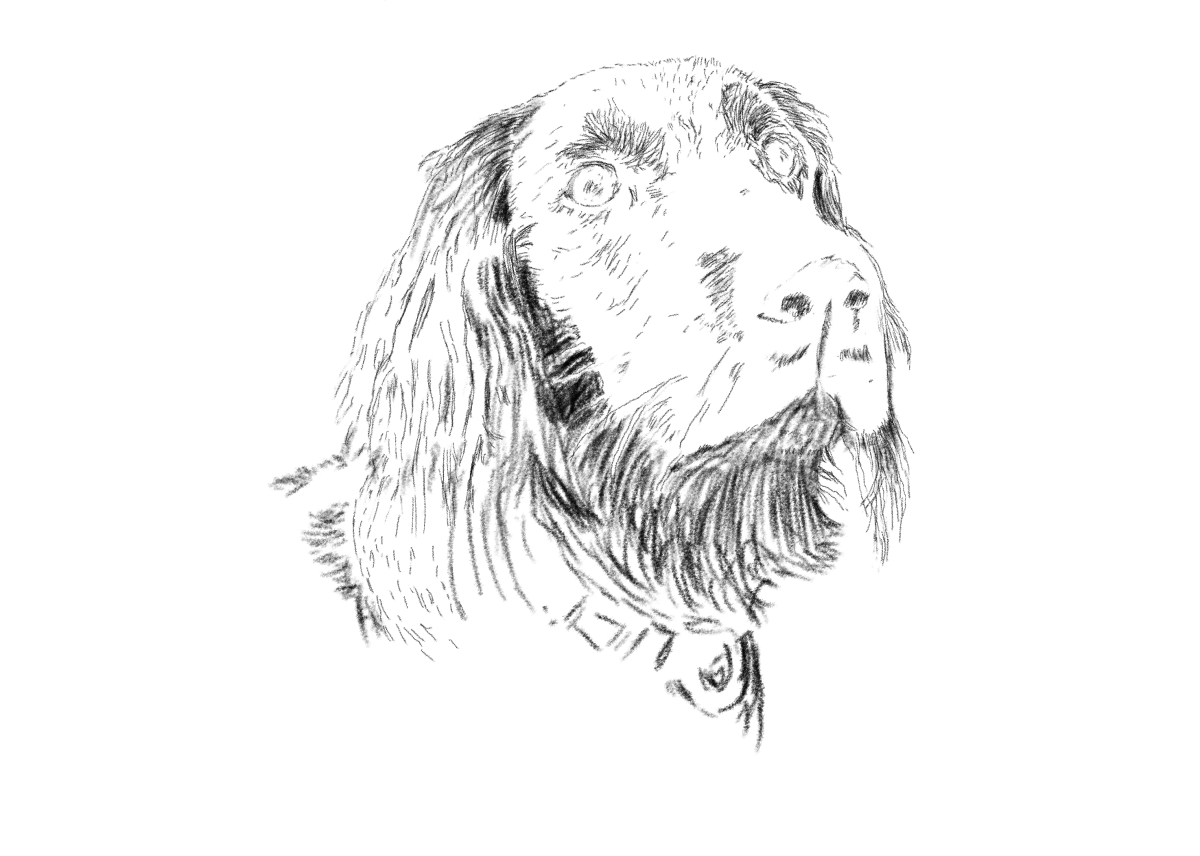
Ha! There’s a very good reason I write books. These were done using a bamboo pad and photographs (albeit ones I took). The images are from the UK, on various trips, and other than Jess (the dog) are what you find on footpaths.jess2horsecows2welsh_cat1

I drew on top of the originals, in a separate layer. Neat.

By the way, beware of the cows.