Tyndale Monument #photopost #England

This is not too far from Bristol or the thriving metropolis of Yate, not to mention Frampton Cotterell or Chipping Sodbury. We’ve visited it a couple of times with my brother-in-law. I was reminded of it when watching a DVD of “Sherlock Vol 3, his last bow” where it flashes by in the background near the end. You can also see it from the M5, but it’s better to walk there.

William Tyndale, himself, is something of a hero of mine. He was one of the first translators of the bible into English – pre King James. His work started the focus, in English, of going back to the original texts. This was at a time when the Catholic Church didn’t want people to think for themselves, and had the force to do something about it. He was executed in 1536, before completing his work. His work, printed in Antwerp, was banned, confiscated, and destroyed during and after his life. Still, smuggled in water-tight compartments in wine casks, as individual sheets in bales of cloth, or in secret compartments in otherwise normal commerce, his (and other’s) translations continued to make life difficult for those who would repress individual thought.

In addition to being a martyr for religious freedom, he’s an example of why we do not want religion and state mixed.

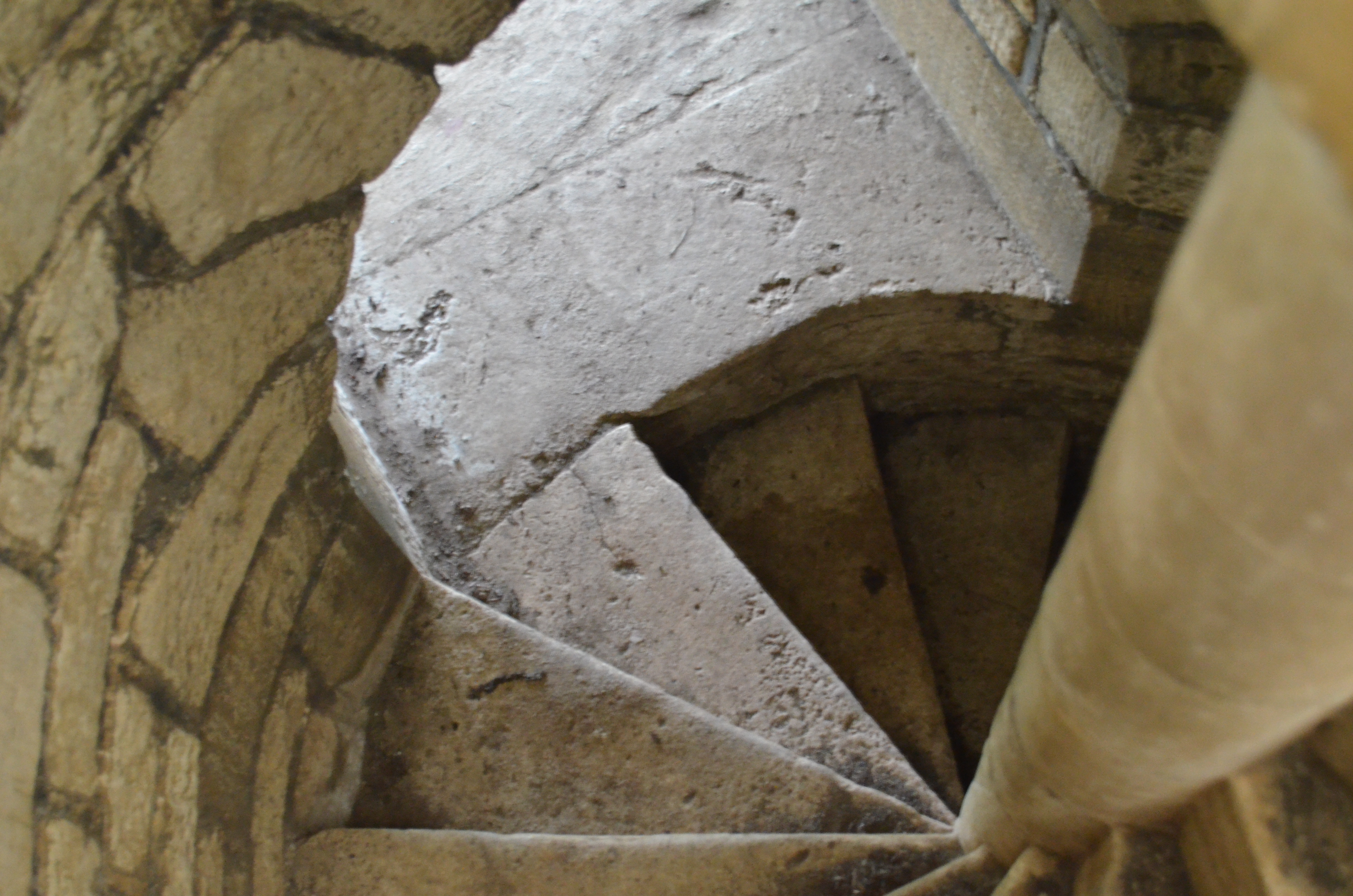
After making a donation for the upkeep, we ascended the spiral staircase to the top.
DSC_0130

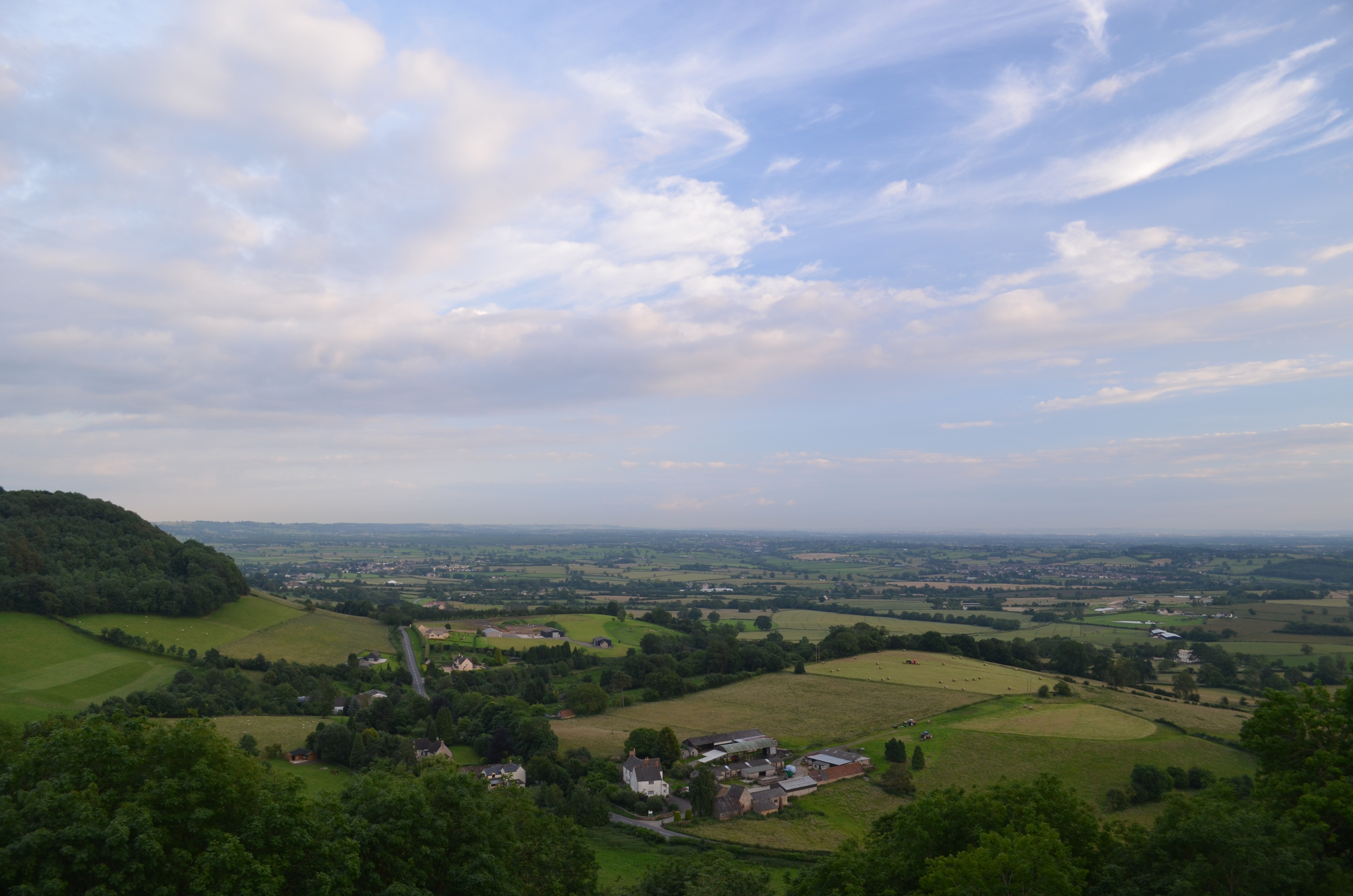
This view shows the valley below and the other scene from the Sherlock episode is in it (The white blob in the distance.)
DSC_0132

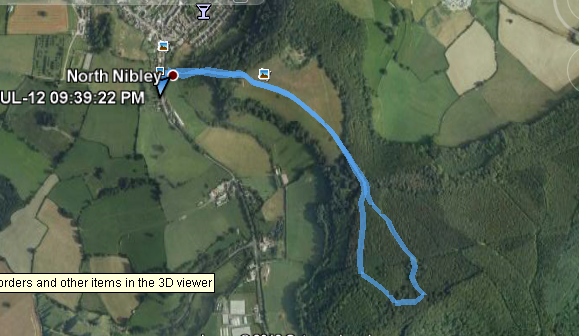
This map shows one of the walks we took. It climbs a staircase from North Nibley. The top of the down is criss-crossed in footpaths and we’ve more often parked at the other end. Parking here is the shortest and easiest way to the monument.
nibley

That summer was a bit mucky, so wellies (UK solution) or sandals (Closed toe Keens, my solution, since a little mud never harmed anyone) were a good idea.
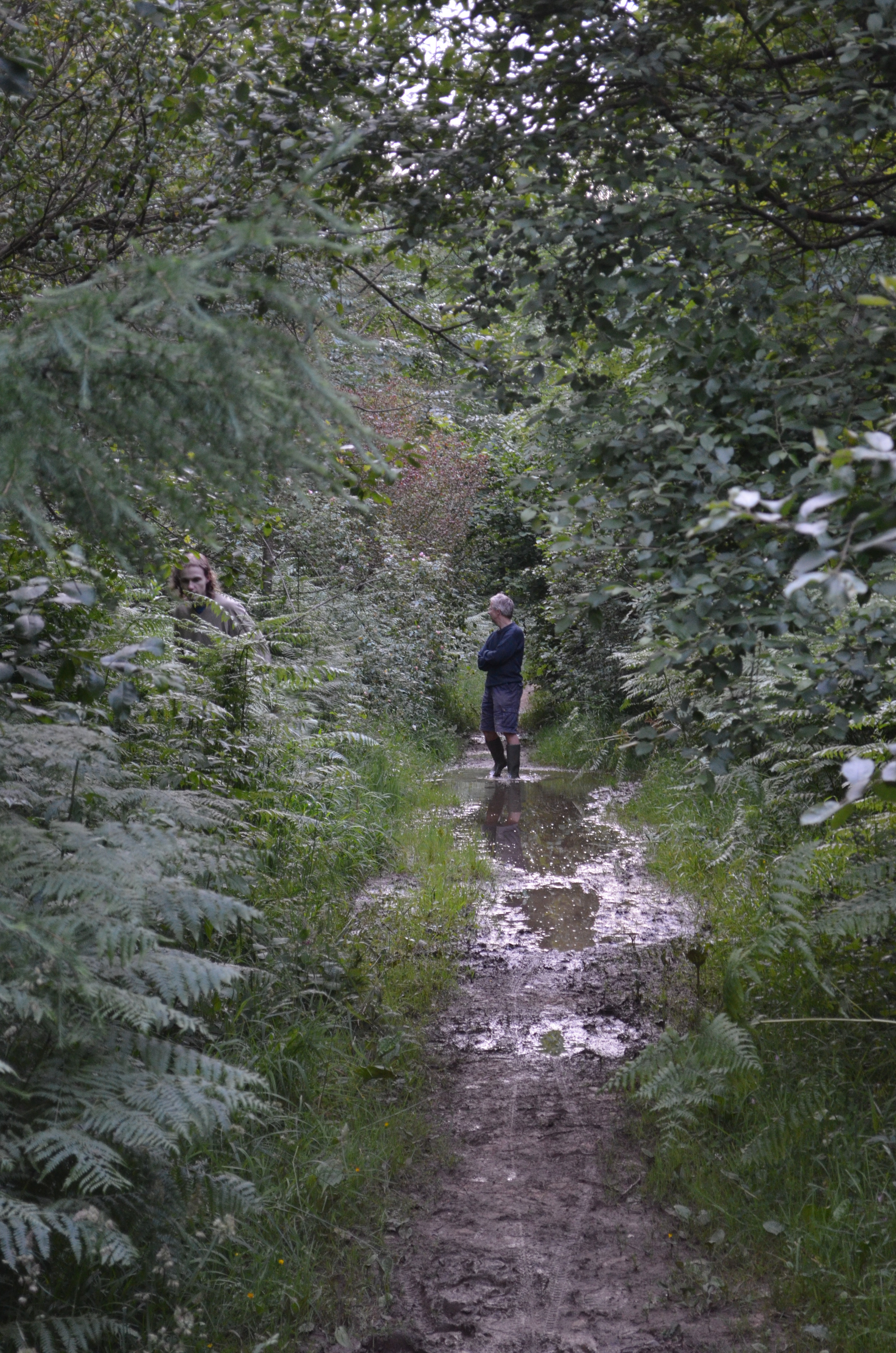
DSC_0141

The top of the down also houses a neolithic or iron age fort. It’s slowly being uncovered.  You can see this in the map as well.
DSC_0146

The Awakening

James Weldon Johnson, 1871 – 1928

I dreamed that I was a rose
That grew beside a lonely way,
Close by a path none ever chose,
And there I lingered day by day.
Beneath the sunshine and the show’r
I grew and waited there apart,
Gathering perfume hour by hour,
And storing it within my heart,
Yet, never knew,
Just why I waited there and grew.

I dreamed that you were a bee
That one day gaily flew along,
You came across the hedge to me,
And sang a soft, love-burdened song.
You brushed my petals with a kiss,
I woke to gladness with a start,
And yielded up to you in bliss
The treasured fragrance of my heart;
And then I knew
That I had waited there for you.

Afternoon Tea Cakes #victorianrecipe #recipe #goodfood

This is another Victorian recipe from the “Sure to Rise” cookbook.
2016-02-20 16.06.31

I’ve adapted the recipe by increasing the amount of sugar.

  • 1/4 pound (1 stick) butter
  • 1 and 1/4 cup flour
  • 1/4 cup sugar
  • 1 tablespoon baking powder
  • 1 egg
  • 1 tablespoon milk
  • flour for dusting
  • Fruit Filling – the original says raspberry jam, see below for an easy quick and good apple filling

Mix the butter and flour, thoroughly to form a pie crust like mixture. Add the baking powder and sugar. Mix.

Add the egg, and enough milk to form a smooth dough. Roll it out about 1/4 inch (4 mm or so) thick.
2016-02-20 15.31.02

Then cut in rounds and put about 1/2 teaspoon of filling in each.
2016-02-20 15.34.03
Wet the edges and fold over. Bake at 400F (200C) on a greased sheet for about 10 minutes.
2016-02-20 15.45.24

Apple filling

Quarter, peel, and core one apple. Cut into small pieces. Add about 1 tablespoon sugar. Microwave four minutes and add 1/2 teaspoon cinnamon (if desired). Much easier than making jam in the Victorian manner, but it works.

Prairie Spring

Willa Cather

Evening and the flat land,
Rich and sombre and always silent;
The miles of fresh-plowed soil,
Heavy and black, full of strength and harshness;
The growing wheat, the growing weeds,
The toiling horses, the tired men;
The long empty roads,
Sullen fires of sunset, fading,
The eternal, unresponsive sky.
Against all this, Youth,
Flaming like the wild roses,
Singing like the larks over the plowed fields,
Flashing like a star out of the twilight;
Youth with its insupportable sweetness,
Its fierce necessity,
Its sharp desire,
Singing and singing,
Out of the lips of silence,
Out of the earthy dusk.

Compensation

Paul Laurence Dunbar, 1872 – 1906

Because I had loved so deeply,
Because I had loved so long,
God in His great compassion
Gave me the gift of song.

Because I have loved so vainly,
And sung with such faltering breath,
The Master in infinite mercy
Offers the boon of Death.

Lacock Abbey #england #filmset #harrypotter #prideandprejudice

Lacock Abbey is the country home of Henry Fox Talbot, and so it’s only fitting that it is the backdrop for many films – ranging from Harry Potter to Pride and Prejudice. Why, you may ask? He’s the inventor of photographic negatives – modern photography – without which there’d be no films. By the way, if you’re in Reading have a look for the house where the first commercial photofinisher shop was located. (It’s near the Sally Ann and not in the best part of town.)

The Abbey is a National Trust property to the south of Chippenham and well worth the visit if you’re in the area. I wouldn’t necessarily drive out from London just to see it as a tourist, but if you’re puttering around the Bath, Chippenham or Bristol, it’s worth a look. You have to pay to visit the Abbey itself or the Talbot museum, but last time I visited the parking was free and you could wander around the village.

IMGP3321

The Talbot’s house, and Elizabeth’s
Another view of the gardens
The church
The town. The Red lion is the brick pub in the distance and in several films. Certainly looks different today.
Curious inhabitants (for sale)
Friendly cats (This is the internet after all)

angelpen

Clouds

Christina Rossetti, 1830 – 1894

White sheep, white sheep,
On a blue hill,
When the wind stops,
You all stand still.
When the wind blows,
You walk away slow.
White sheep, white sheep,
Where do you go?

Epigram on Rough Woods

Robert Burns, 1759 – 1796

I’m now arrived—thanks to the gods!—
Thro’ pathways rough and muddy,
A certain sign that makin roads
Is no this people’s study:
Altho’ Im not wi’ Scripture cram’d,
I’m sure the Bible says
That heedless sinners shall be damn’d,
Unless they mend their ways.

DSC_0709

Sandhill Cranes #birding

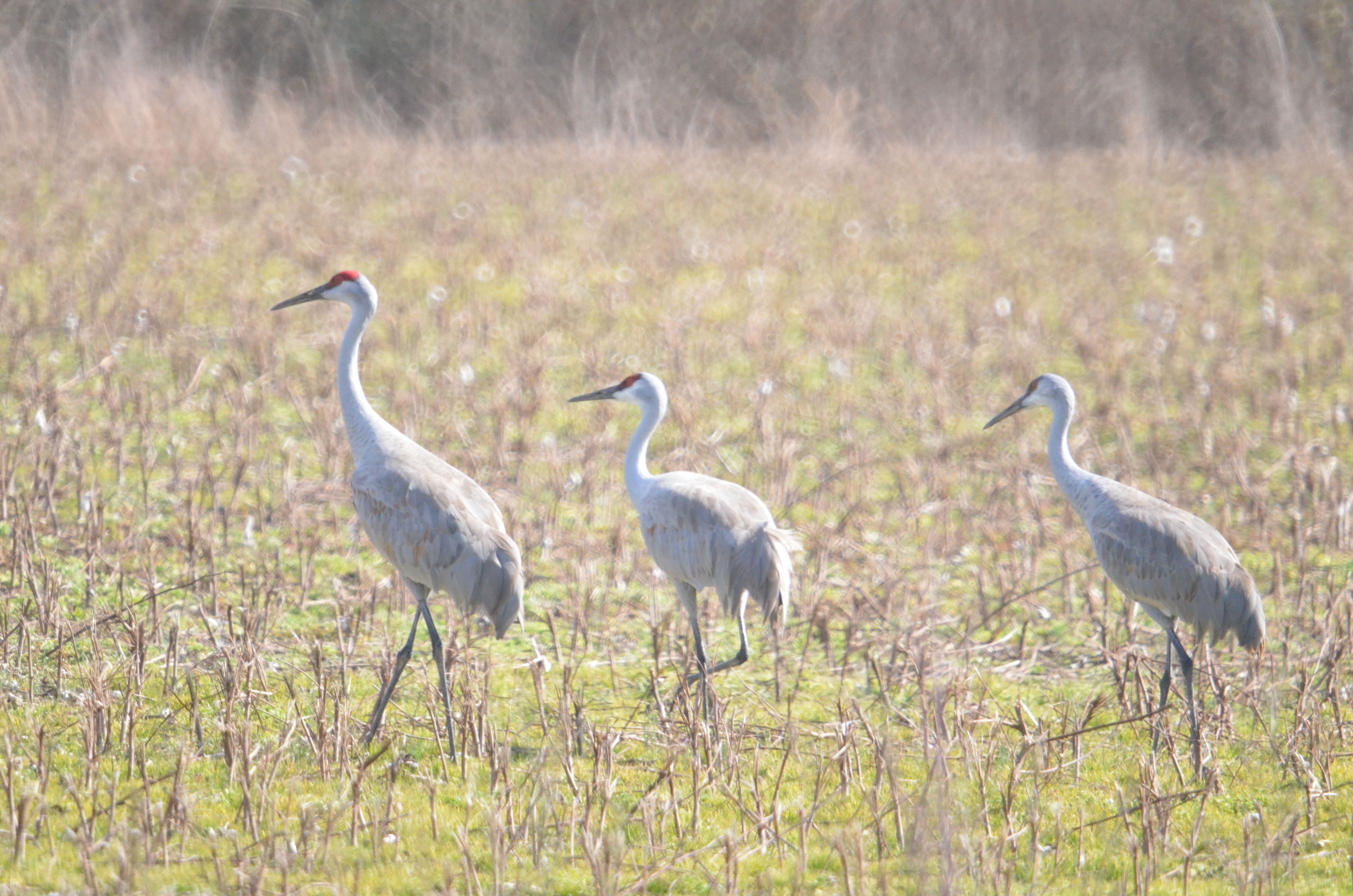
The Sandhill Cranes overwinter in northern Alabama near Weiss Lake. The flocks have been getting bigger as the word seems to be spreading among them. They concentrate on damp/flooded cotton and soybean fields where they can find various small creatures to eat.

DSC_0307

DSC_0304

While we were parked and taking photographs several flocks flew in to join the main one. They spread out in the morning and then gather together. The next few shots show the process.

DSC_0298

DSC_0299

DSC_0300

They aren’t spooked by cars, so you can quietly pull off the road, turn off your engine and take pictures. These were with a relatively inexpensive 500mm mirror lens.

Wild Turkeys #birding

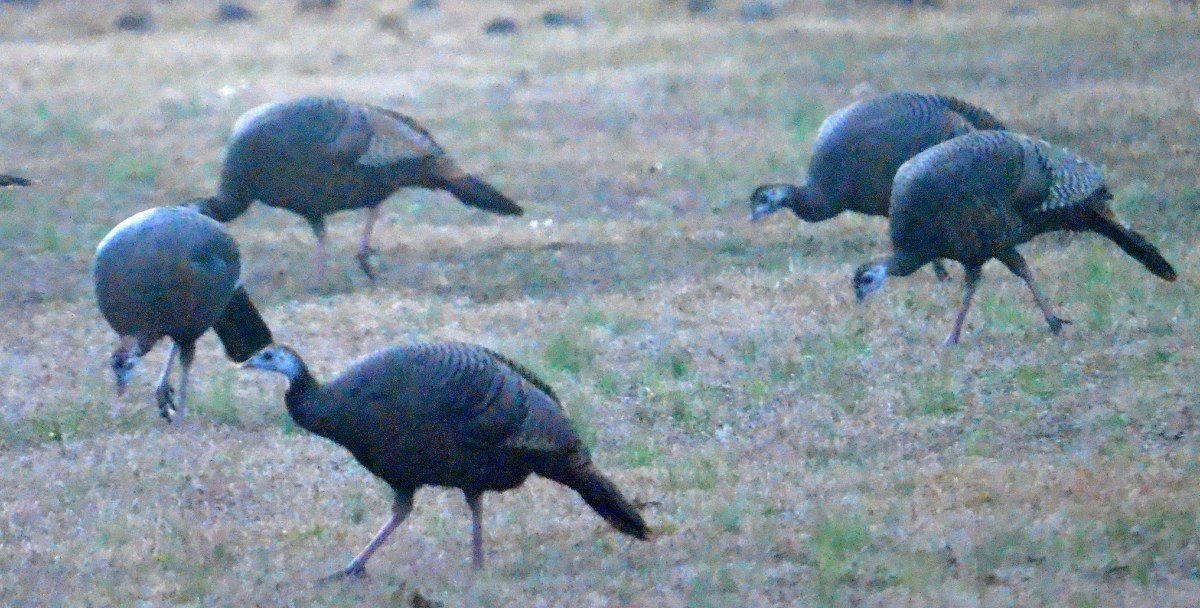
They’re back, they’re bold, and they’re native.DSC_0259
The turkeys are forming up into mixed flocks with several toms and a larger number of hens. In the next month they’ll partition into individual flocks with just one tom each. After the eggs hatch, we’ll see flocks of the chicks accompanying their father.
DSC_0264

DSC_0260