Sonnet—Mutation

William Cullen Bryant, 1794 – 1878

They talk of short-lived pleasure—be it so—
Pain dies as quickly: stern, hard-featured pain
Expires, and lets her weary prisoner go.
The fiercest agonies have shortest reign;
And after dreams of horror, comes again
The welcome morning with its rays of peace.
Oblivion, softly wiping out the stain,
Makes the strong secret pangs of shame to cease:
Remorse is virtue’s root; its fair increase
Are fruits of innocence and blessedness:
Thus joy, o’erborne and bound, doth still release
His young limbs from the chains that round him press.
Weep not that the world changes—did it keep
A stable changeless state, ’twere cause indeed to weep.
At the Window

D. H. Lawrence, 1885 – 1930

The pine-trees bend to listen to the autumn wind as it mutters
Something which sets the black poplars ashake with hysterical laughter;
While slowly the house of day is closing its eastern shutters.

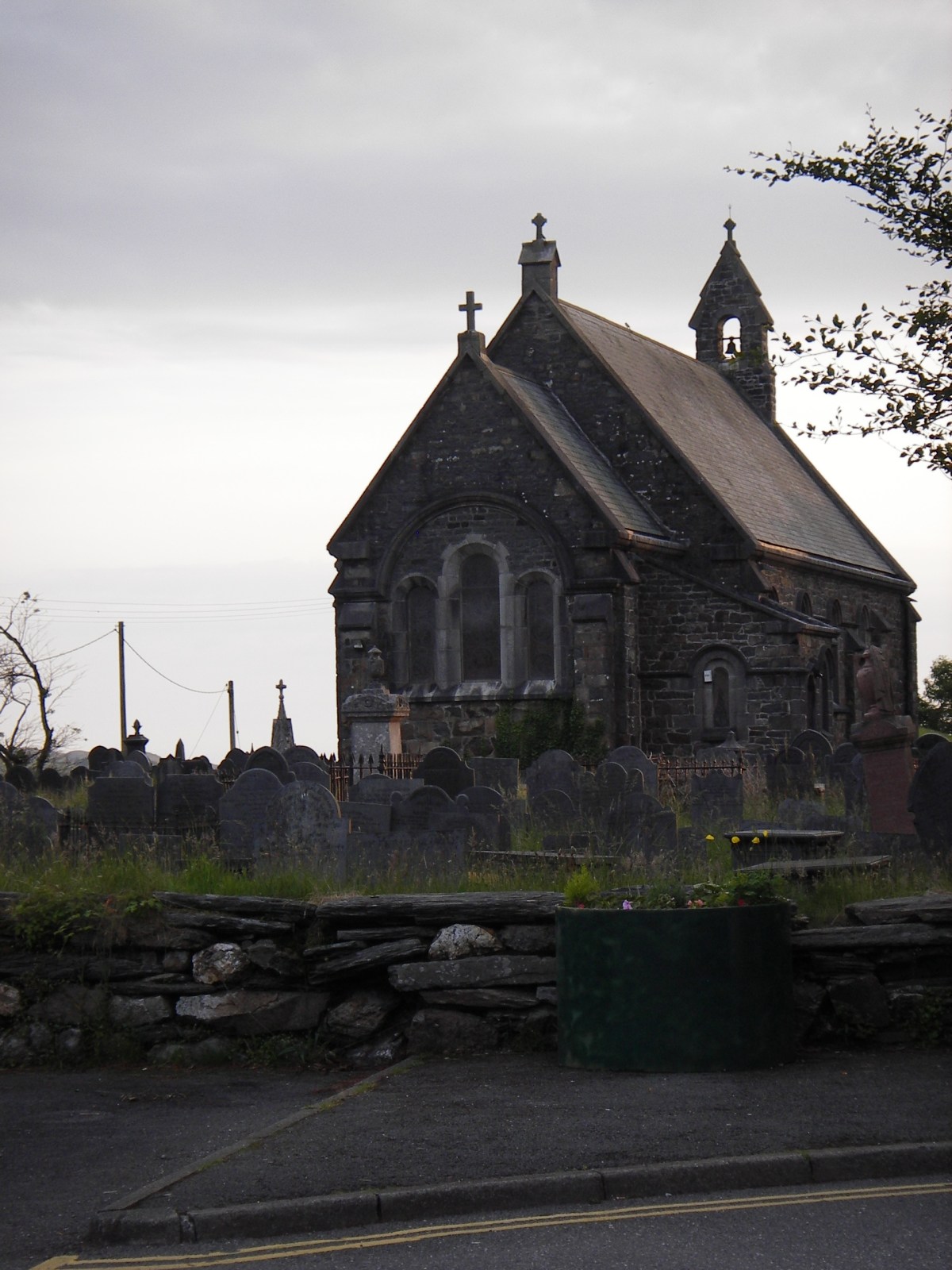
Further down the valley the clustered tombstones recede,
Winding about their dimness the mist’s grey cerements, after
The street lamps in the darkness have suddenly started to bleed.

The leaves fly over the window and utter a word as they pass
To the face that leans from the darkness, intent, with two dark-filled eyes
That watch for ever earnestly from behind the window glass.

In Flanders Fields

John McCrae, 1872 – 1918

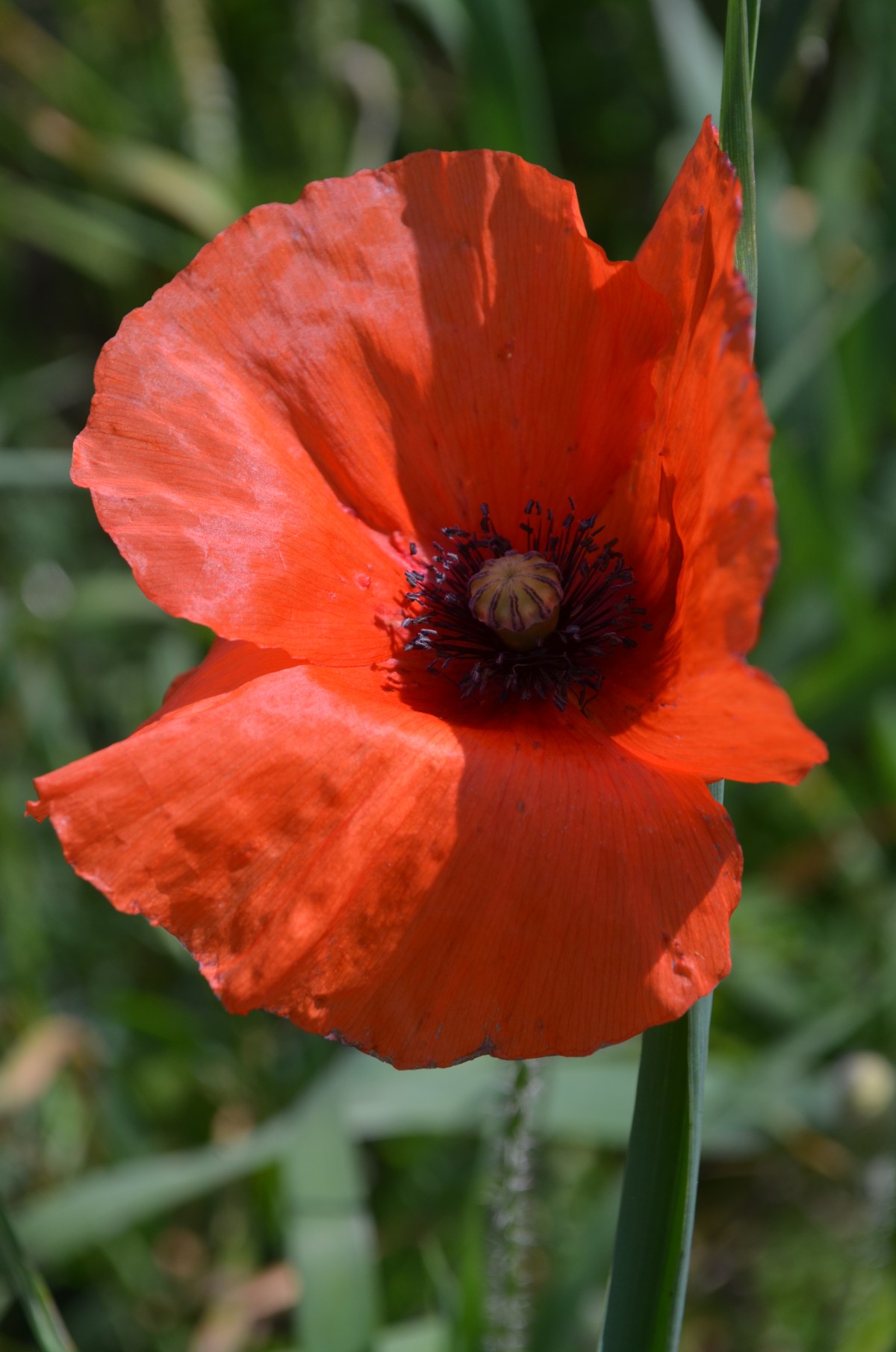
In Flanders fields the poppies blow
Between the crosses, row on row,
That mark our place, and in the sky,
The larks, still bravely singing, fly,
Scarce heard amid the guns below.

We are the dead; short days ago
We lived, felt dawn, saw sunset glow,
Loved and were loved, and now we lie
In Flanders fields.

Take up our quarrel with the foe!
To you from failing hands we throw
The torch; be yours to hold it high!
If ye break faith with us who die
We shall not sleep, though poppies grow
In Flanders fields.

Sonnet—Silence

Edgar Allan Poe

There are some qualities—some incorporate things,
That have a double life, which thus is made
A type of that twin entity which springs
From matter and light, evinced in solid and shade.
There is a two-fold Silence—sea and shore—
Body and soul. One dwells in lonely places,
Newly with grass o’ergrown; some solemn graces,
Some human memories and tearful lore,
Render him terrorless: his name’s “No More.”
He is the corporate Silence: dread him not!
No power hath he of evil in himself;
But should some urgent fate (untimely lot!)
Bring thee to meet his shadow (nameless elf,
That haunteth the lone regions where hath trod
No foot of man,) commend thyself to God!

January

William Carlos Williams

Again I reply to the triple winds
running chromatic fifths of derision
outside my window:
Play louder.

You will not succeed. I am
bound more to my sentences
the more you batter at me
to follow you.

And the wind,
as before, fingers perfectly
its derisive music.


Holidays

Henry Wadsworth Longfellow

The holiest of all holidays are those
Kept by ourselves in silence and apart;
The secret anniversaries of the heart,
When the full river of feeling overflows;—
The happy days unclouded to their close;
The sudden joys that out of darkness start
As flames from ashes; swift desires that dart
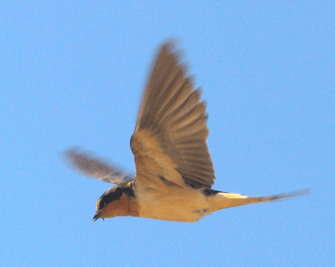
Like swallows singing down each wind that blows!
White as the gleam of a receding sail,
White as a cloud that floats and fades in air,
White as the whitest lily on a stream,
These tender memories are;— a Fairy Tale
Of some enchanted land we know not where,
But lovely as a landscape in a dream.

We Wear the Mask

Paul Laurence Dunbar, 1872 – 1906

We wear the mask that grins and lies,
It hides our cheeks and shades our eyes,—
This debt we pay to human guile;
With torn and bleeding hearts we smile
And mouth with myriad subtleties,

Why should the world be over-wise,
In counting all our tears and sighs?
Nay, let them only see us, while
We wear the mask.

We smile, but oh great Christ, our cries
To thee from tortured souls arise.
We sing, but oh the clay is vile
Beneath our feet, and long the mile,
But let the world dream otherwise,
We wear the mask!

North Bovey.

Another travel post.

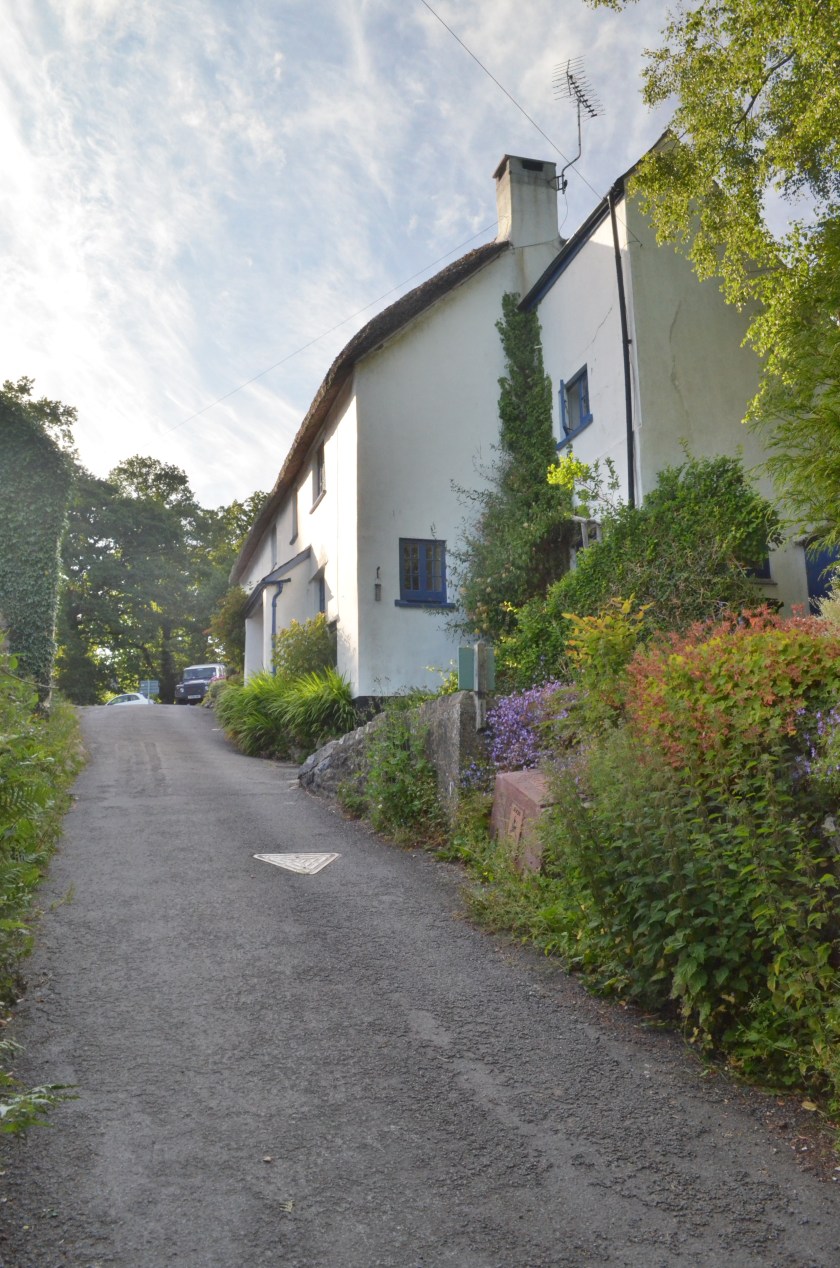
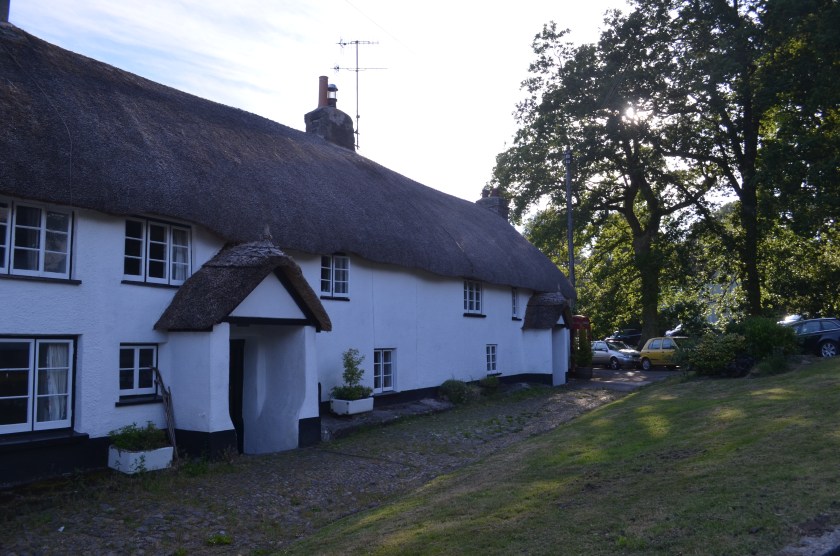
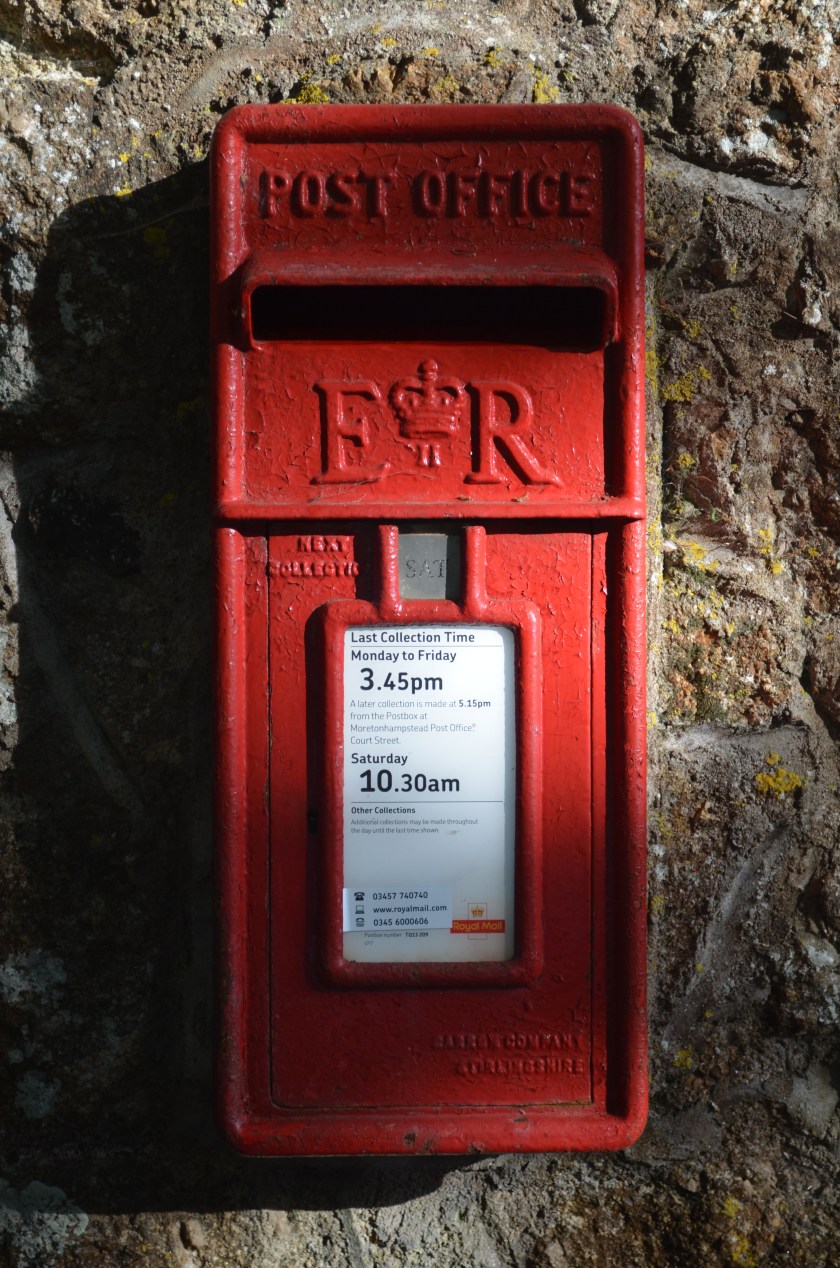
North Bovey is a small village in the Dartmoor national park. We hired a cottage there as a base of operations last summer. There’s a fancy high-class pub, the Ring of Bells, rated by Egon Ronay, but fortunately regular places are easy to reach either by walking or driving. (Since the roads are mostly one lane, even the A-roads, walking is a good idea). It is a fairly easy drive to the nearby town of  Mortenhampstead (M’hampstead on the street signs) where there are groceries (a co-op) and various diversions. The roads are tiny, even by English standards, so if you hire a car (and to be honest there’s no other way to get there), you do not want a big one.

DSC_0791DSC_0765

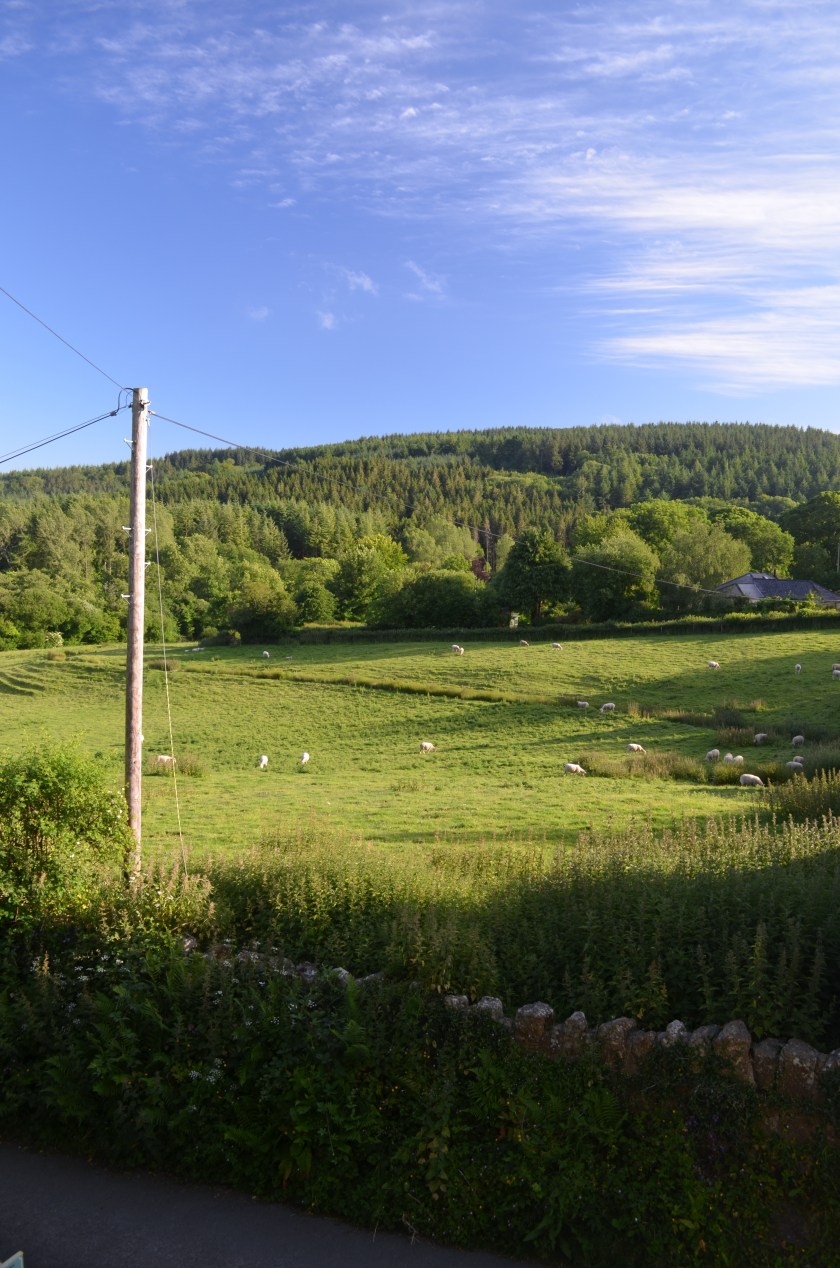
The view from our bedroom.

DSC_0781DSC_0773DSC_0776

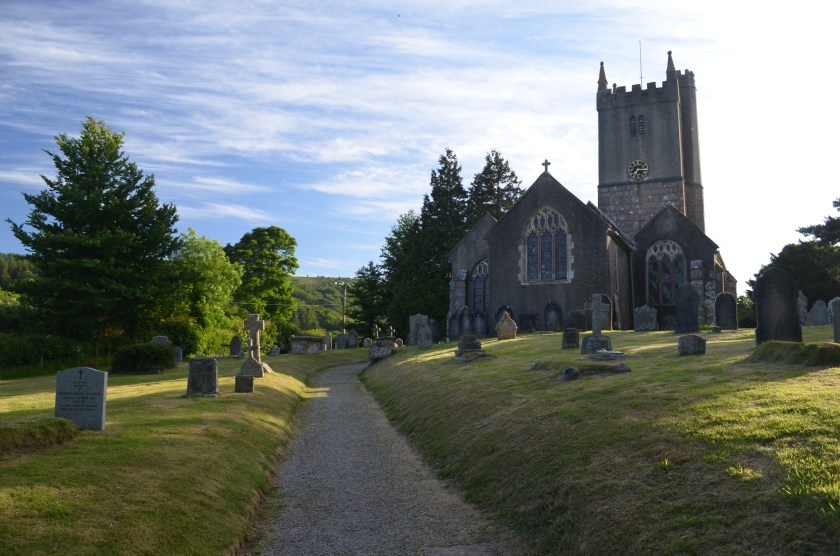
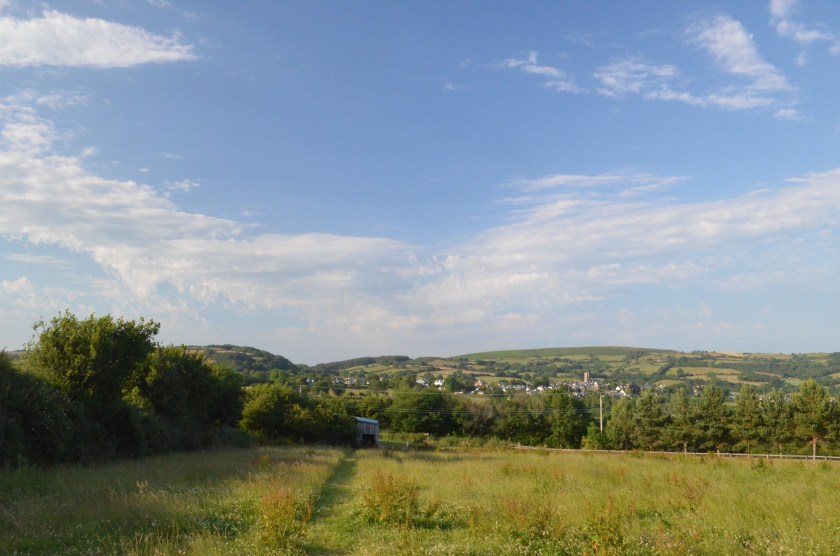
M’hampstead from the footpath. It’s about a 2Km walk, and well worth it.DSC_0843
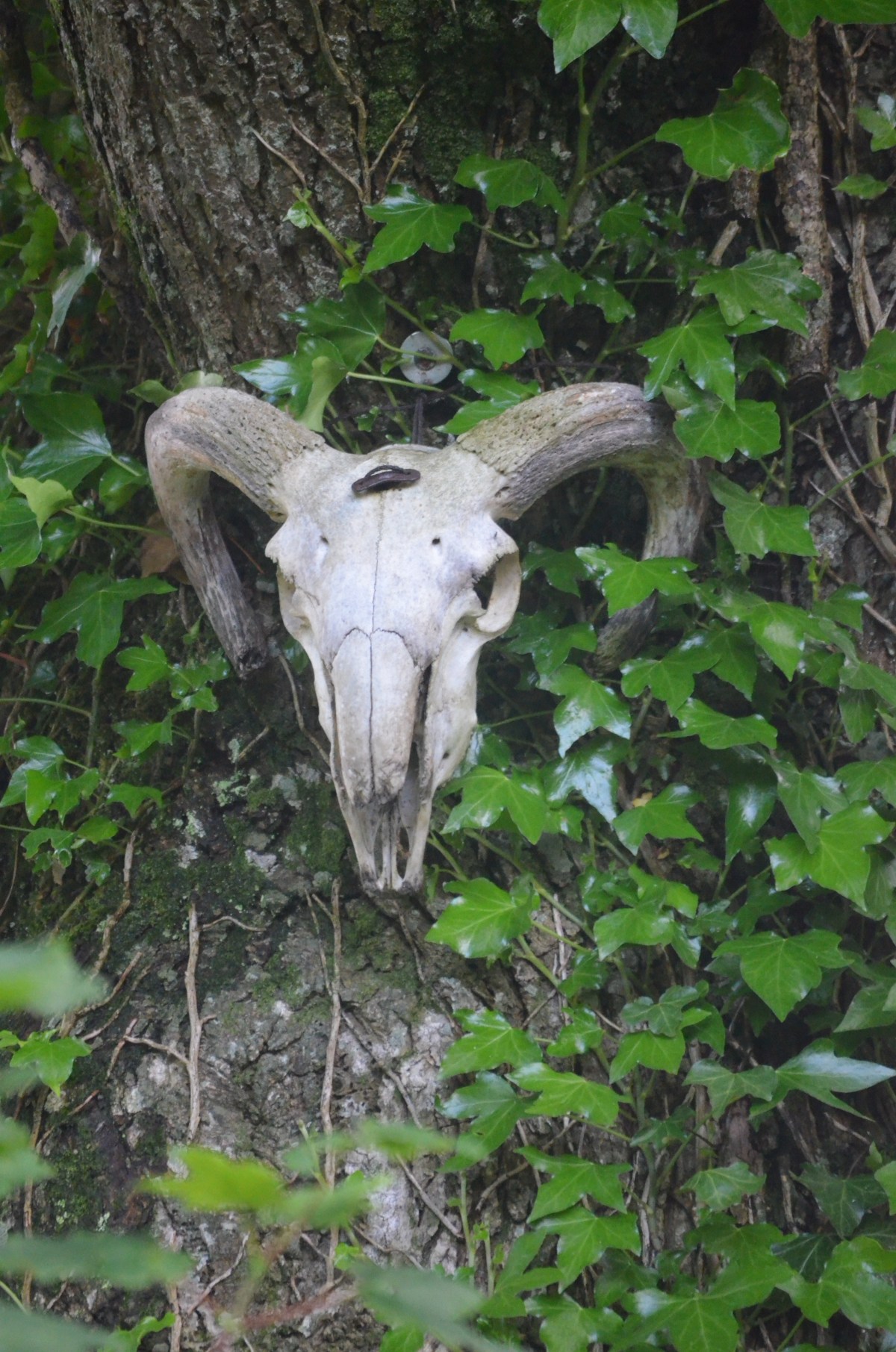
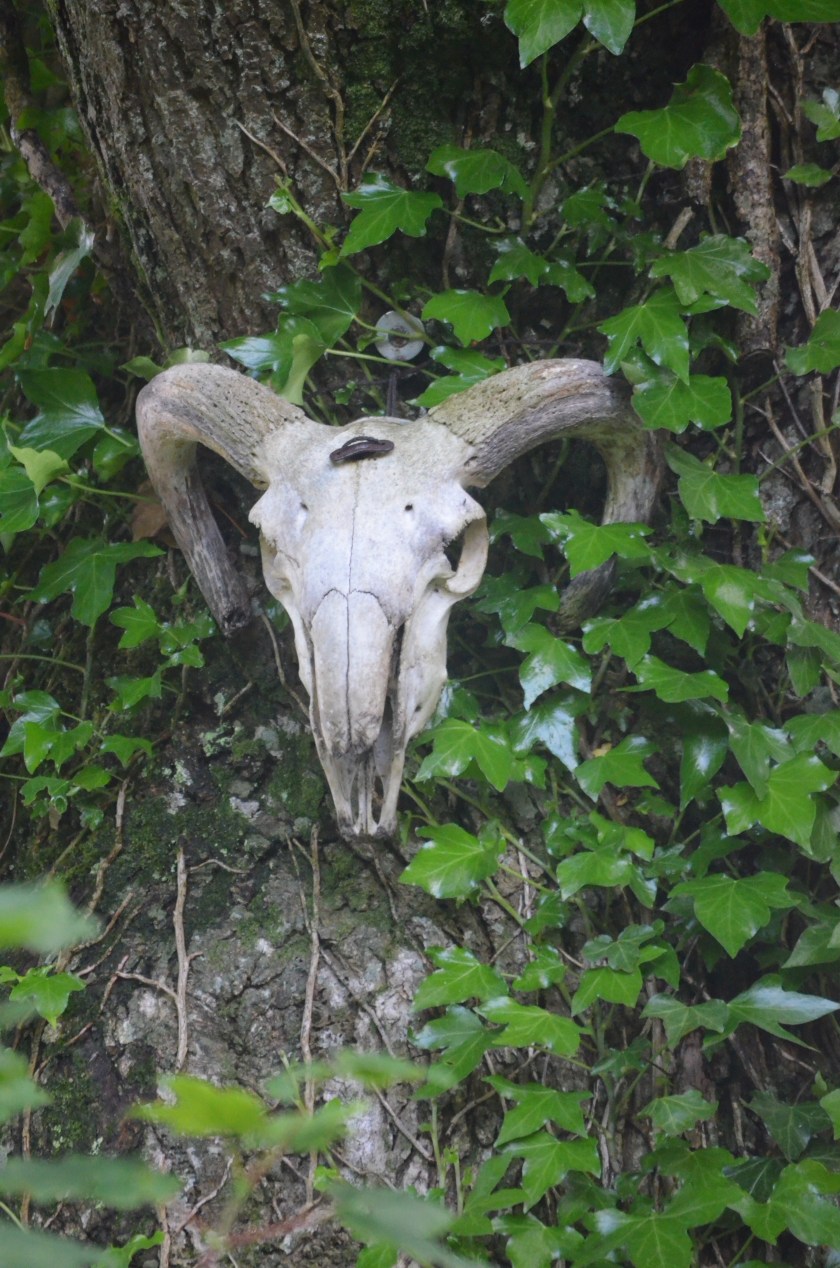
This goat skull, bolted to a tree and hidden from view, greets visitors.DSC_0847

More Birds.

Playing with my long (500mm) cheap mirror lens again. I set the shutter speed to 1/4000 (as fast as the Nikon will go) and let the auto-ISO handle the rest. It has a relatively fast f5.6 that cannot be changed.  The other caution to watch for is the T-mount. It can unscrew a little and loosen while the lens is on the camera if it isn’t in tight.  That will cause difficulty with focusing.

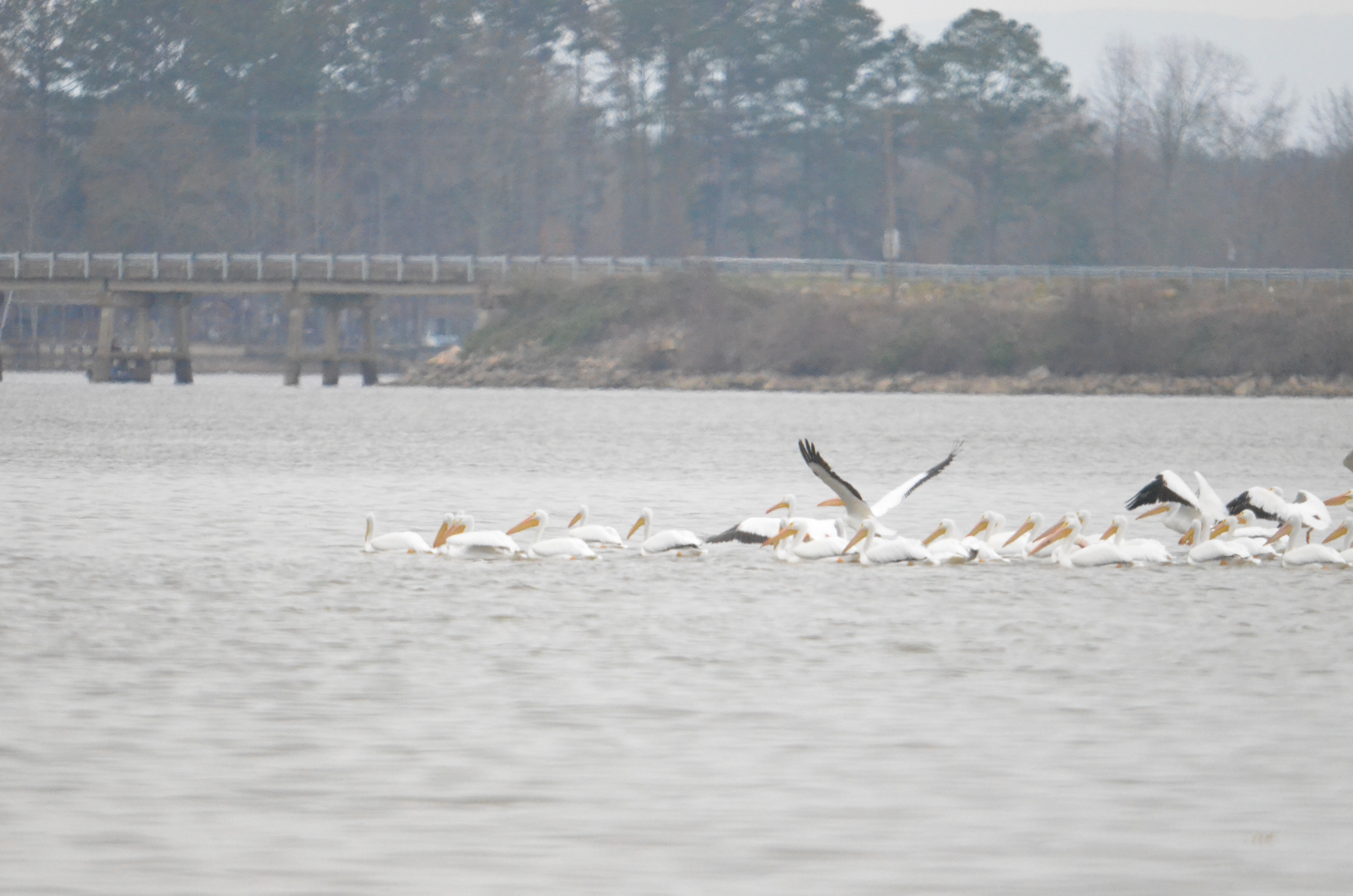
We have resident pelicans. They are supposed to be rare. Ours aren’t.

DSC_0146 DSC_0147 DSC_0148

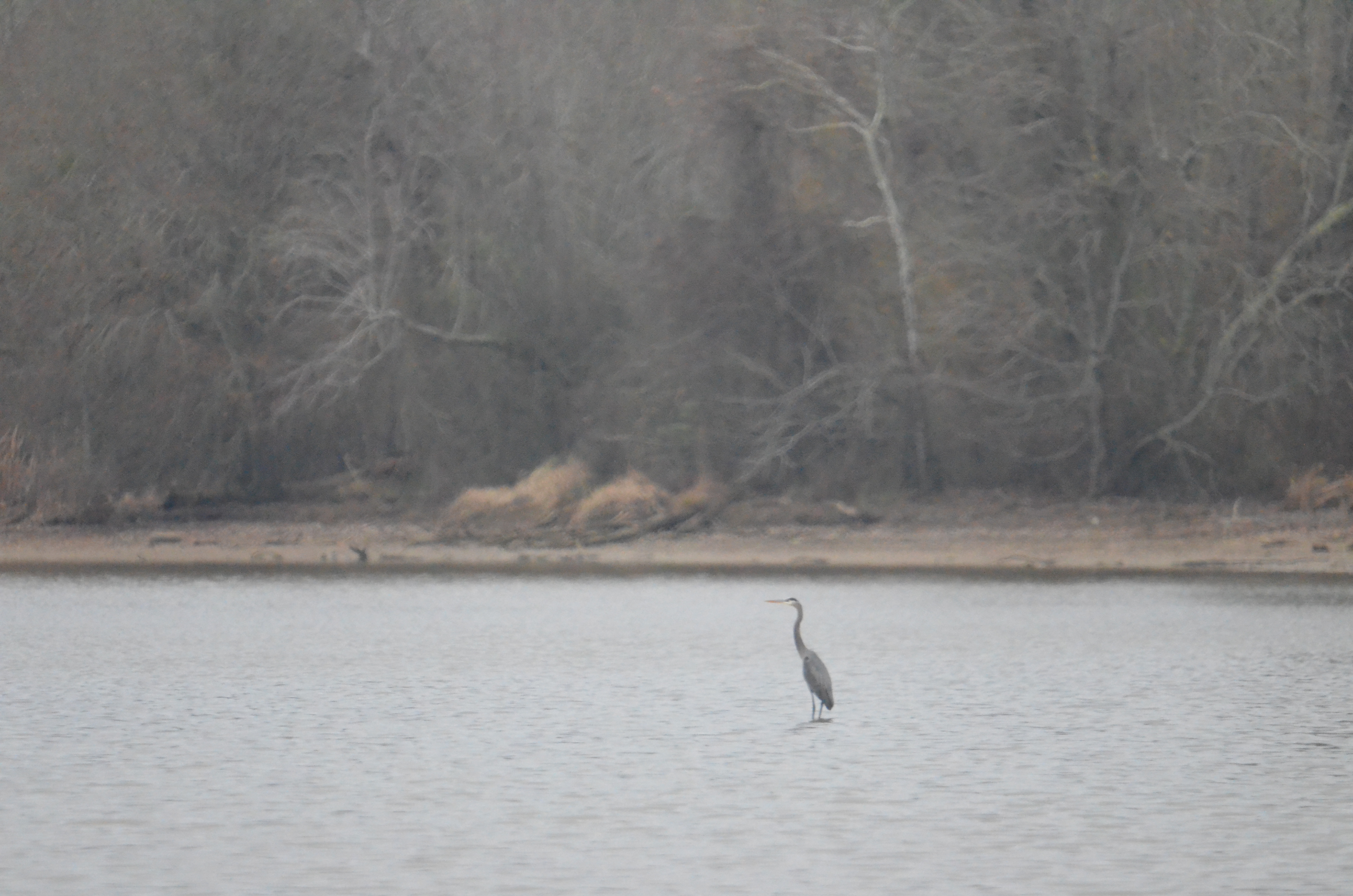
The herons perch on stumps out in our little branch of Lake Weiss.

DSC_0142

The image quality isn’t perfect, but it could be a lot worse. Not sure how much is the lens and how much is the ISO/low light.


Altitude

Lola Ridge, 1873

I wonder
how it would be here with you,
where the wind
that has shaken off its dust in low valleys
touches one cleanly,
as with a new-washed hand,
and pain
is as the remote hunger of droning things,
and anger
but a little silence
sinking into the great silence.