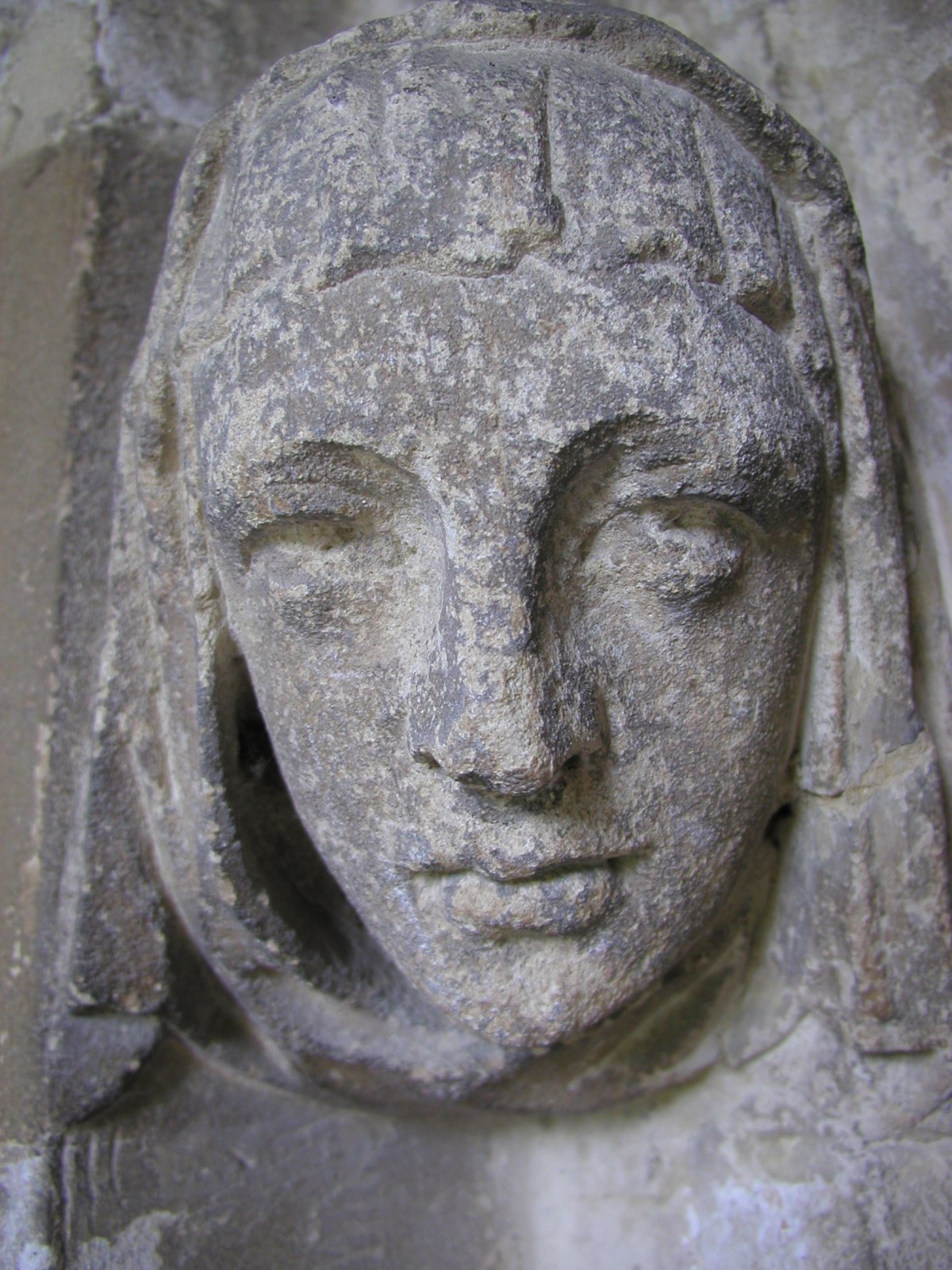
Tyndale Monument #photopost #England

This is not too far from Bristol or the thriving metropolis of Yate, not to mention Frampton Cotterell or Chipping Sodbury. We’ve visited it a couple of times with my brother-in-law. I was reminded of it when watching a DVD of “Sherlock Vol 3, his last bow” where it flashes by in the background near the end. You can also see it from the M5, but it’s better to walk there.

William Tyndale, himself, is something of a hero of mine. He was one of the first translators of the bible into English – pre King James. His work started the focus, in English, of going back to the original texts. This was at a time when the Catholic Church didn’t want people to think for themselves, and had the force to do something about it. He was executed in 1536, before completing his work. His work, printed in Antwerp, was banned, confiscated, and destroyed during and after his life. Still, smuggled in water-tight compartments in wine casks, as individual sheets in bales of cloth, or in secret compartments in otherwise normal commerce, his (and other’s) translations continued to make life difficult for those who would repress individual thought.

In addition to being a martyr for religious freedom, he’s an example of why we do not want religion and state mixed.

After making a donation for the upkeep, we ascended the spiral staircase to the top.
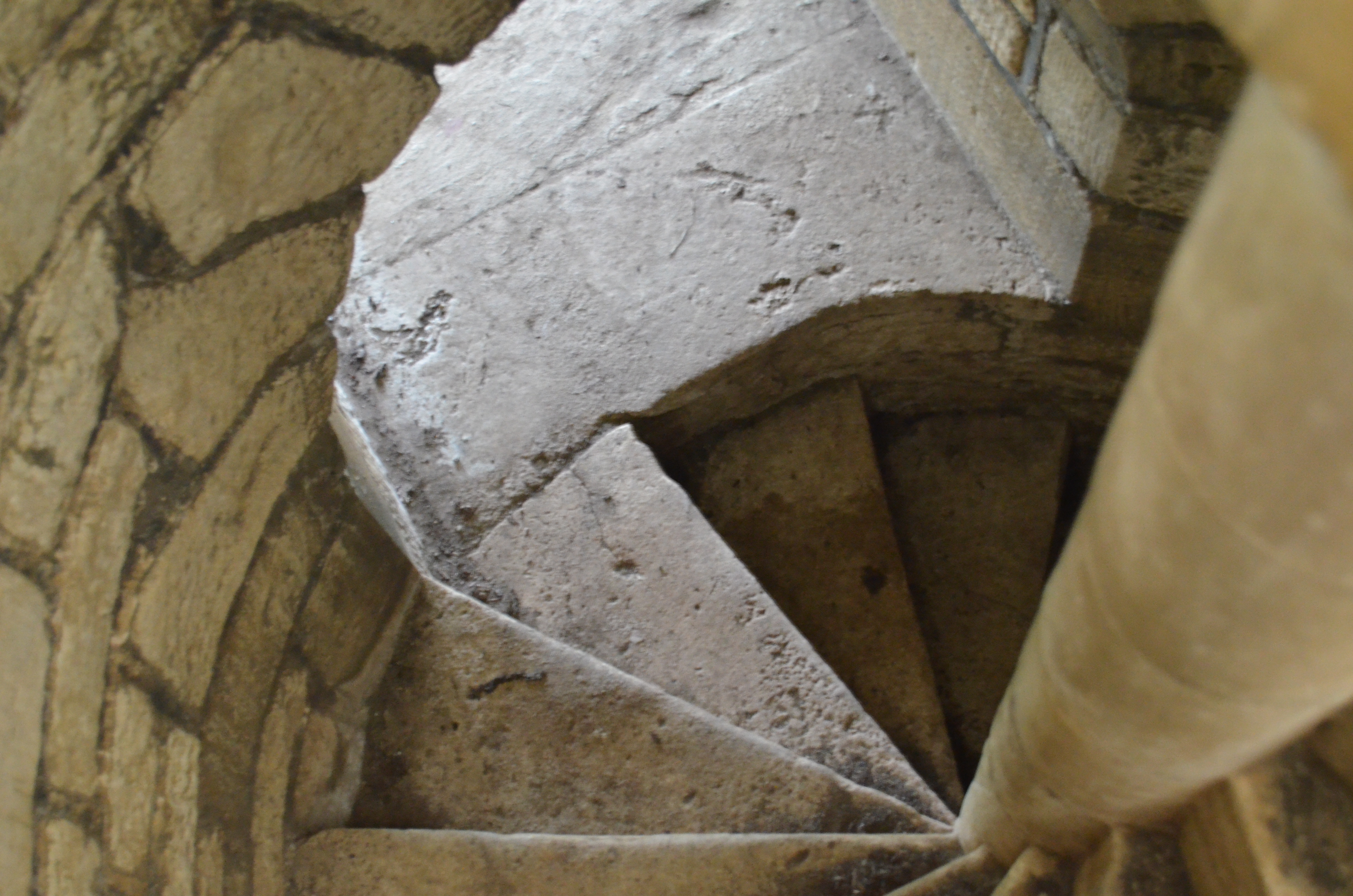
DSC_0130

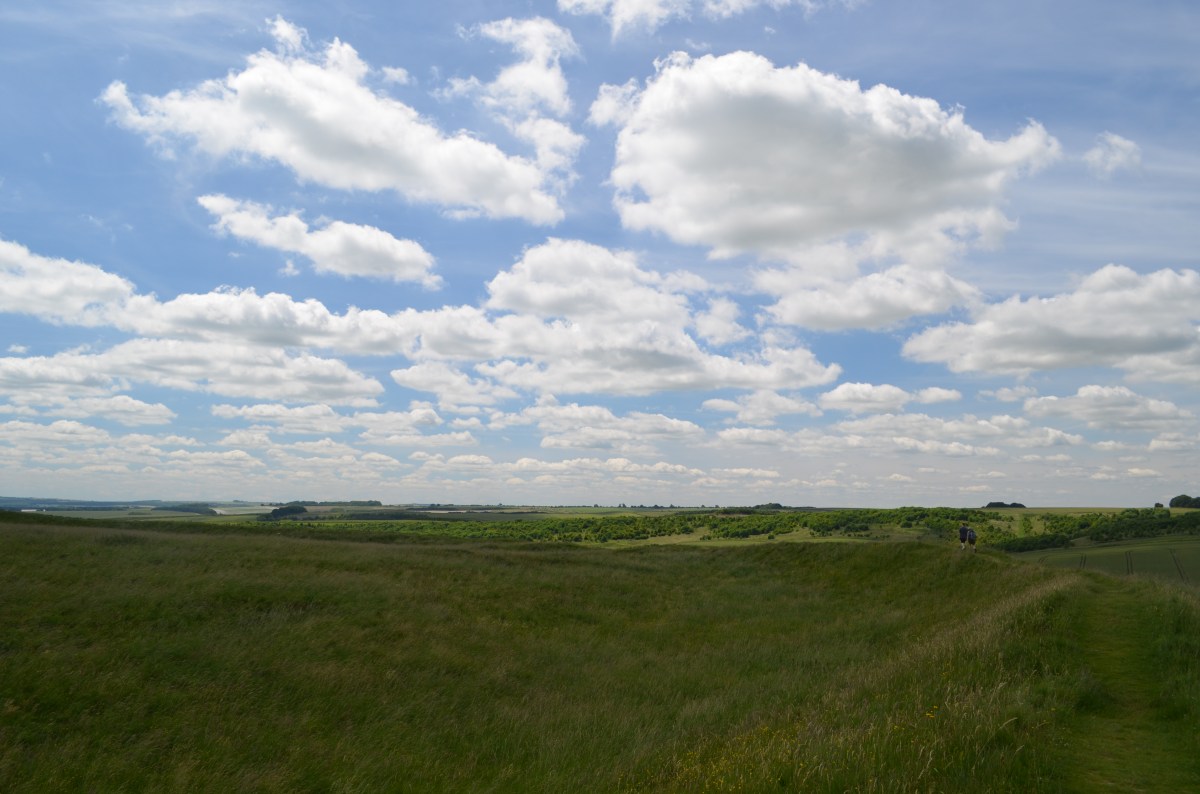
This view shows the valley below and the other scene from the Sherlock episode is in it (The white blob in the distance.)
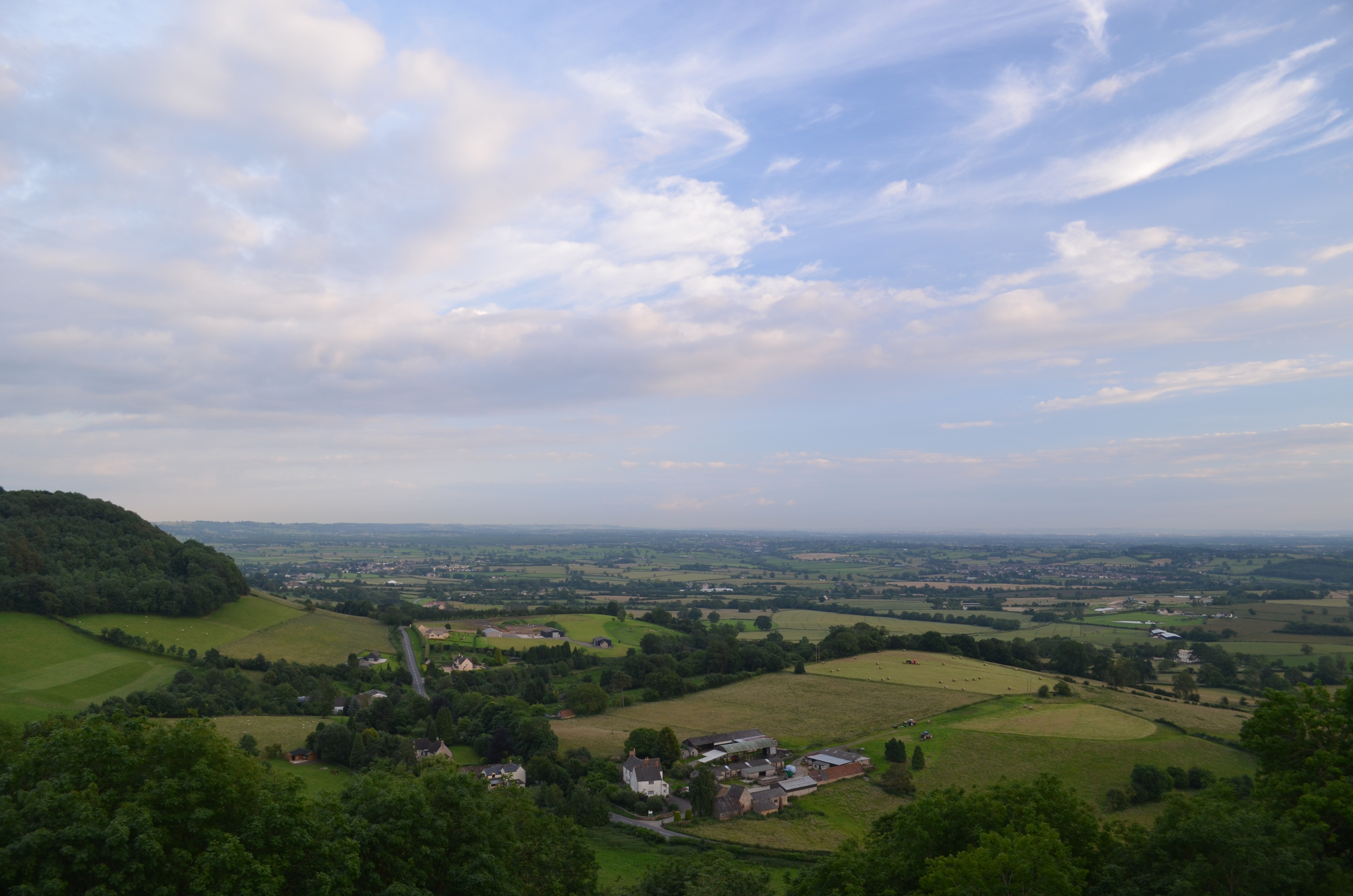
DSC_0132

This map shows one of the walks we took. It climbs a staircase from North Nibley. The top of the down is criss-crossed in footpaths and we’ve more often parked at the other end. Parking here is the shortest and easiest way to the monument.
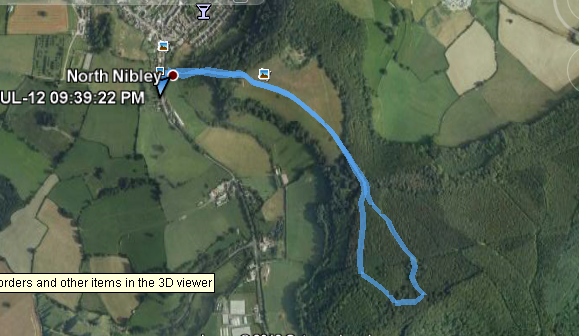
nibley

That summer was a bit mucky, so wellies (UK solution) or sandals (Closed toe Keens, my solution, since a little mud never harmed anyone) were a good idea.
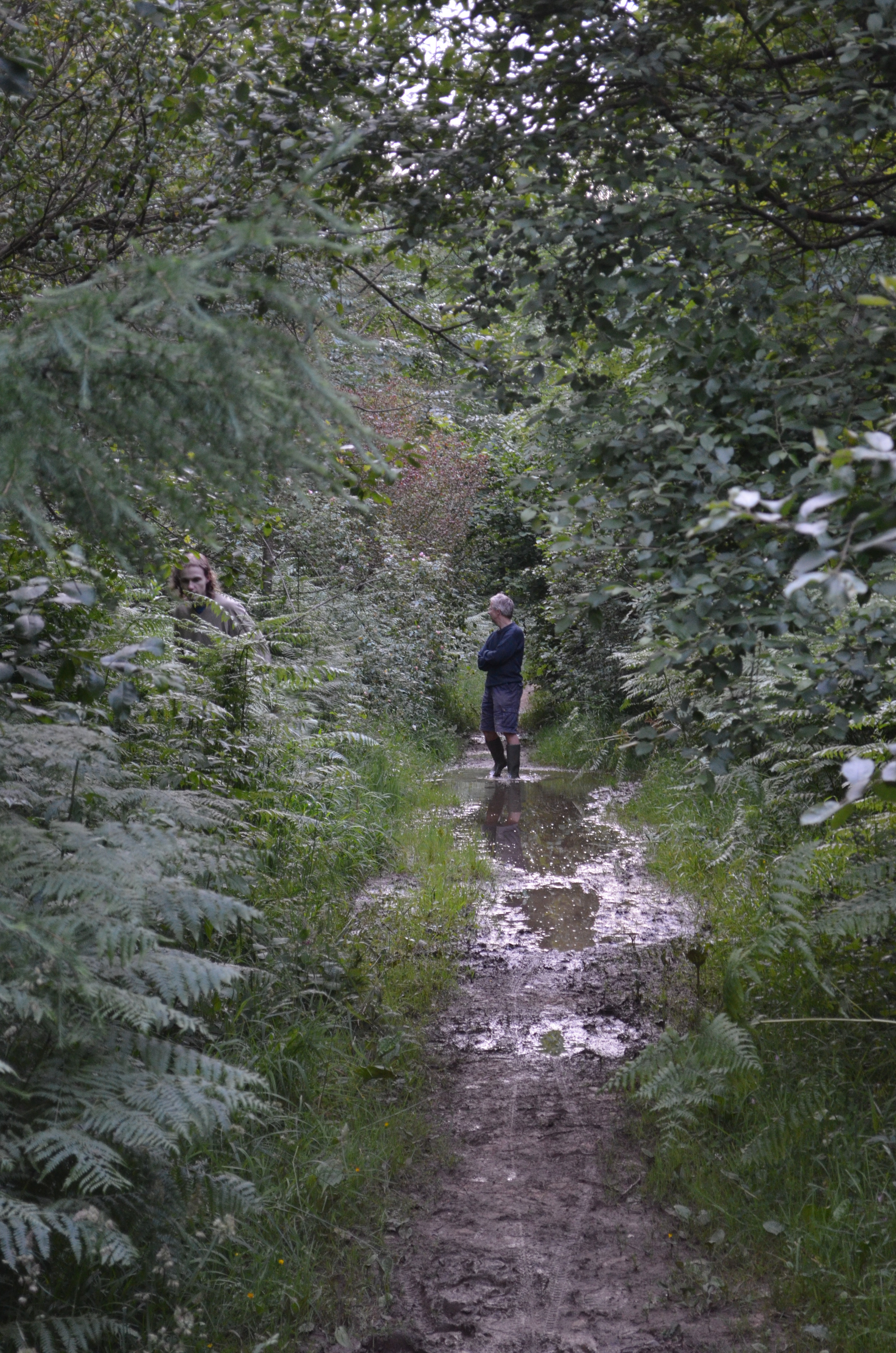
DSC_0141

The top of the down also houses a neolithic or iron age fort. It’s slowly being uncovered.  You can see this in the map as well.
DSC_0146

The Awakening

James Weldon Johnson, 1871 – 1928

I dreamed that I was a rose
That grew beside a lonely way,
Close by a path none ever chose,
And there I lingered day by day.
Beneath the sunshine and the show’r
I grew and waited there apart,
Gathering perfume hour by hour,
And storing it within my heart,
Yet, never knew,
Just why I waited there and grew.

I dreamed that you were a bee
That one day gaily flew along,
You came across the hedge to me,
And sang a soft, love-burdened song.
You brushed my petals with a kiss,
I woke to gladness with a start,
And yielded up to you in bliss
The treasured fragrance of my heart;
And then I knew
That I had waited there for you.

The Curious Profession of Dr. Craven – Another ******** book promo #freebook

Dr Craven is on Choosy Bookworms Read and Review program. It’s buried, which is somewhat appropriate given the subject matter, about half-way down the page. If you’re willing to review it, you can get a free copy.You can read the first chapter here.

What is a poor anatomist to do? Twenty pounds, wasted, up in smoke when a beautiful young woman wakes up on the dissection table. Someone has made a ghastly error. Dr Richard Craven, an ethical doctor, has but one choice, to nurse the girl back to health and restore her to her family. That’s when his troubles start. She can’t remember anything, only her first name, and she isn’t even sure about that. As his household helps her to recover her strength and her memories trickle, then flood back, their mutual attraction buds into a flowing passion.

Unfortunately one of the things she’s conveniently forgotten was her arranged engagement to a vulgar, but wealthy son of a Northern industrialist. Not only that, but there is some deep dark secret about Dr Craven that her father believes makes him completely ineligible.

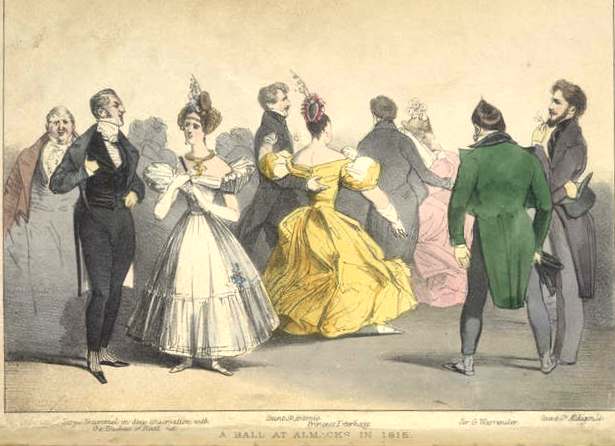
Resolving the resulting tangle in this sweet historical romance takes the combined efforts of the doctor’s once profligate brother, the Earl of Craven, a displaced French Royal, le Duc de Bourbon, and the visit of a mysterious French Baron to the sacred floor or Almack’s.

Afternoon Tea Cakes #victorianrecipe #recipe #goodfood

This is another Victorian recipe from the “Sure to Rise” cookbook.
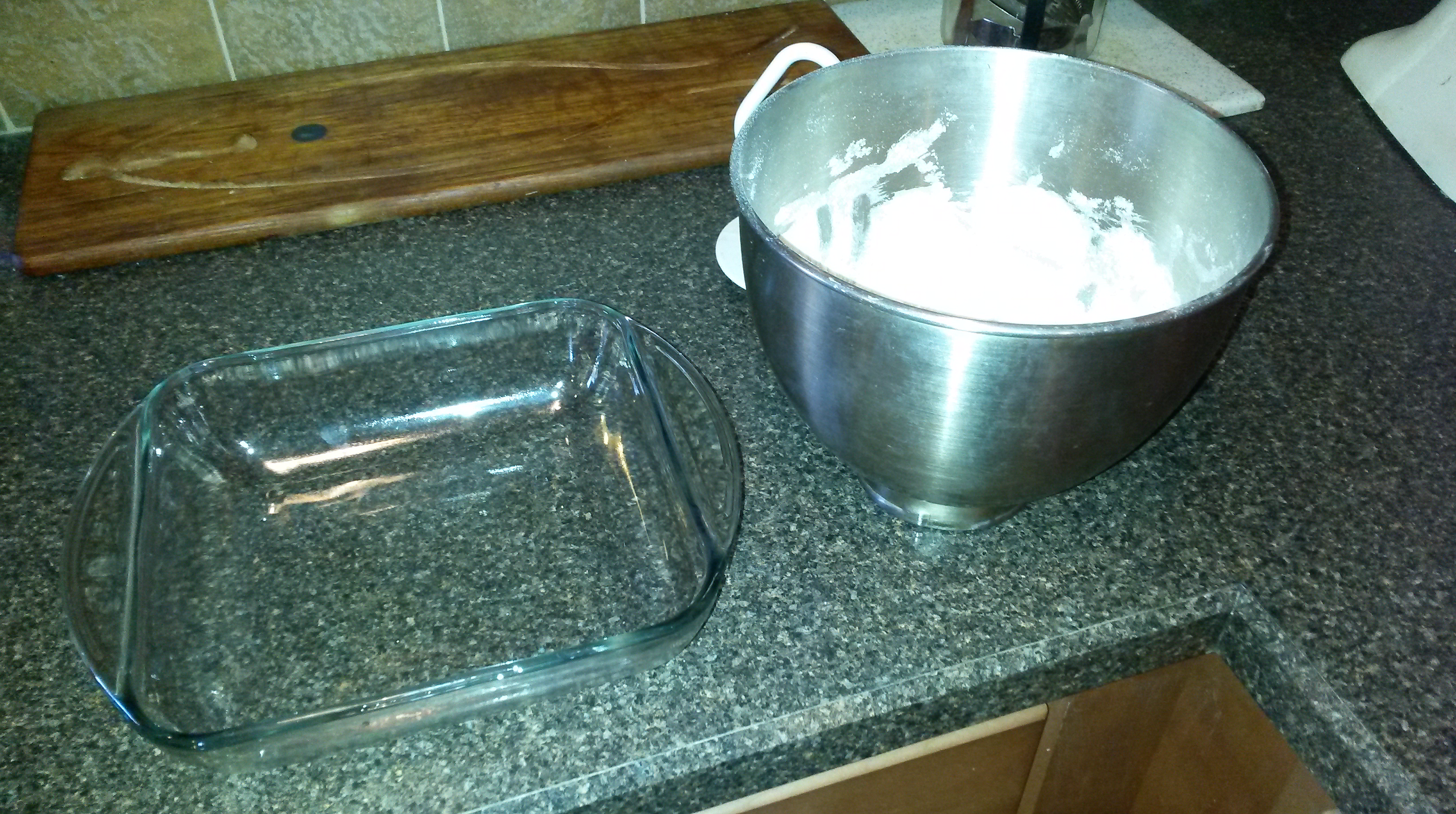
2016-02-20 16.06.31

I’ve adapted the recipe by increasing the amount of sugar.

  • 1/4 pound (1 stick) butter
  • 1 and 1/4 cup flour
  • 1/4 cup sugar
  • 1 tablespoon baking powder
  • 1 egg
  • 1 tablespoon milk
  • flour for dusting
  • Fruit Filling – the original says raspberry jam, see below for an easy quick and good apple filling

Mix the butter and flour, thoroughly to form a pie crust like mixture. Add the baking powder and sugar. Mix.

Add the egg, and enough milk to form a smooth dough. Roll it out about 1/4 inch (4 mm or so) thick.
2016-02-20 15.31.02

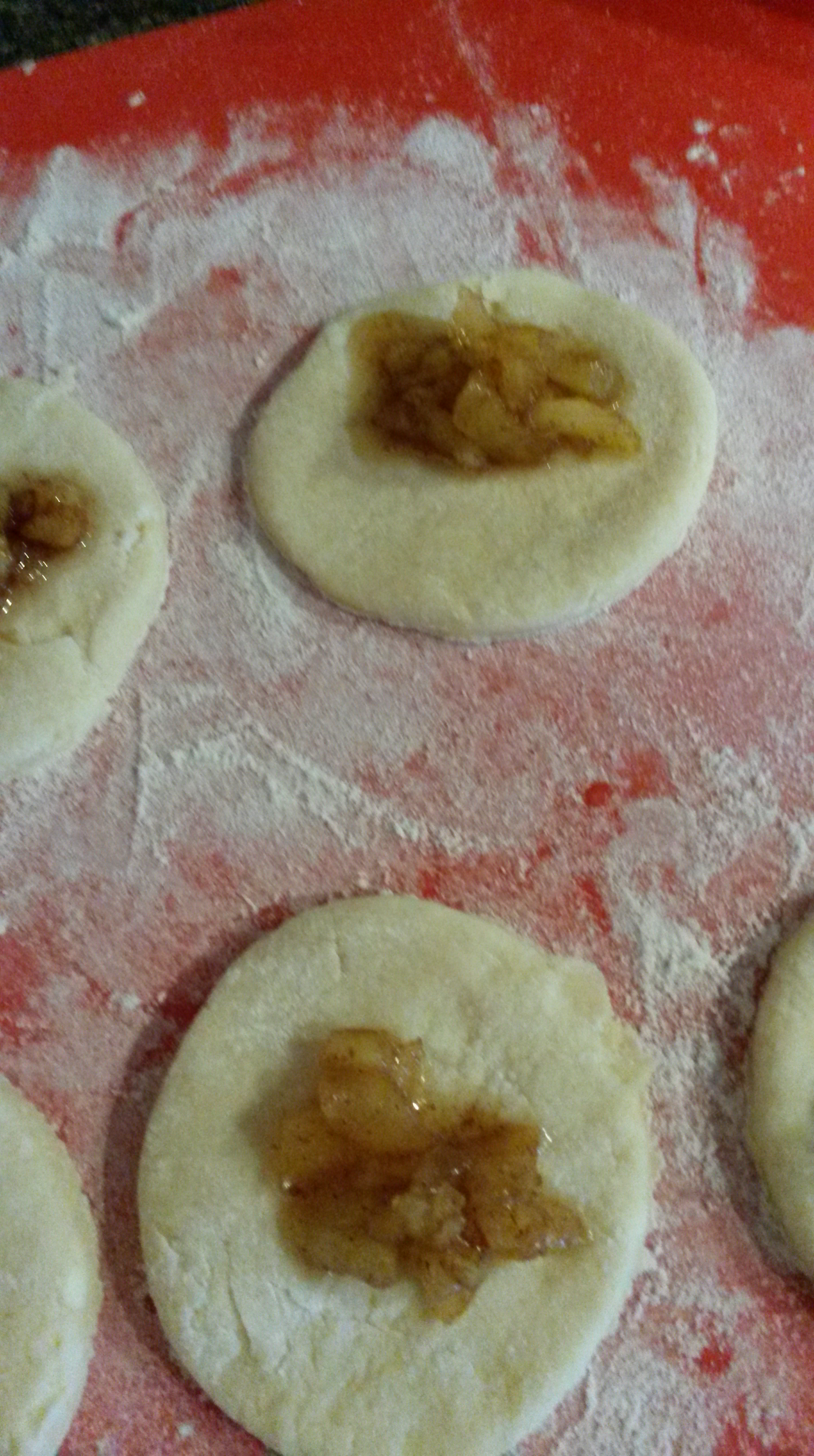
Then cut in rounds and put about 1/2 teaspoon of filling in each.
2016-02-20 15.34.03
Wet the edges and fold over. Bake at 400F (200C) on a greased sheet for about 10 minutes.
2016-02-20 15.45.24

Apple filling

Quarter, peel, and core one apple. Cut into small pieces. Add about 1 tablespoon sugar. Microwave four minutes and add 1/2 teaspoon cinnamon (if desired). Much easier than making jam in the Victorian manner, but it works.

The Art of Deception #wewriwar #amwriting

The Art of Deception

or Pride and Extreme Prejudice

12241791_735836876546522_6197947469406170479_n

Welcome to Weekend Writing Warriors. This week I introduce another book, that will eventually come out via booktrope (hope springs eternal.) It’s a spy story set in late Georgian England, the year before Trafalgar. Alice’s somewhat shady Uncle Grey has come to make her an offer she can’t refuse. Last week he entertained Alice and her mother with a recollection from his wartime experiences in the wilds of South Carolina. This snippet is after Lord Grey inquires about Alice’s hopes on the marriage mart. He’s making the offer they can’t refuse.


However, you’re right, Alice needs to see more of society;” He smiled at his niece, “Even if she returns here to marry her mill-owner.”

Alice grimaced back at her uncle and then said, “Speaking of dancing and manners, how do you know that mine are suitable? I would be willing to bet a reasonable sum that I’m too rustic to grace London society.”

“I’m glad you state a ‘reasonable sum’ niece; your father would have bet everything on it; I think, my dear sister that it would be best were I to take Alice with me to London when I return there in a few days. Give her the opportunity to acquire some ‘town polish.’ Dancing lessons, and new dresses, that sort of thing.”

Alice jumped at the chance and beamed, “Would you?”

“Of course; indeed, I should think you would find it immensely enjoyable, and I’m sure June would enjoy re-establishing her friendship with you. Unless, Lady Mary, you have any objections?”

“There being no alternative,” she said, “I can have none.”


My book “The Curious Profession of Dr. Craven” is a decent read.
add_book1

I’ve also released a sweet regency romance, Miss DeVere

Miss_devere_1

Frankenkitty is available.
Frankenkitty

Get Free Stuff and try out my landing page. There are three free complete short stories (including an ARC for Frankenkitty) available after you’ve gone through the hoops.

Follow my blog with Bloglovin

Early Stethoscopes

One of the few scenes in my sweet romance The Curious Profession of Dr. Craven that gets close to hot is where Richard (Dr Craven) listens to Henrietta’s heart (Properly chaperoned, of course). Before the invention of the stethoscope the doctor had to put his ear on his patients’ chest. This could be a tad embarrassing, especially when the patient was young, pretty and female.

RC76_3_L3_1819_planche_I_big

Rene Laennec solved this problem with a wooden tube. The figure above, from 1819, shows that very quickly after that doctors learned to distinguish between different sounds. It was not simply the muscle making noise, but valves and things like that. Not that they could do much about it, but it was a start.

Prairie Spring

Willa Cather

Evening and the flat land,
Rich and sombre and always silent;
The miles of fresh-plowed soil,
Heavy and black, full of strength and harshness;
The growing wheat, the growing weeds,
The toiling horses, the tired men;
The long empty roads,
Sullen fires of sunset, fading,
The eternal, unresponsive sky.
Against all this, Youth,
Flaming like the wild roses,
Singing like the larks over the plowed fields,
Flashing like a star out of the twilight;
Youth with its insupportable sweetness,
Its fierce necessity,
Its sharp desire,
Singing and singing,
Out of the lips of silence,
Out of the earthy dusk.

Wings, Hot and Otherwise #easyrecipe

One of the troubles with cooking something that is “real good” is it’s gone before you have the time to take a nice picture. Chicken wings is one of those recipes that is so simple anyone can do it well. Bags of frozen wings, sans coating, are available in most supermarkets in the US. We’ll have to try next time we’re on the other side of the pond.

Ingredients

  • Wings, raw, frozen, and without a coating or preparation. Let them thaw in the refrigerator, or in a bag in water, or in the microwave.
  • Salt
  • Cayenne Pepper
  • Hot Sauce, Tabasco style (vinegar-based)

Preheat your oven to about 425F (225C). Meanwhile dry the raw defrosted wings and place them in a plastic bag with about a tablespoon of salt. Shake to coat. At this stage remove any that you don’t want to be very spicy Add about one tablespoon of powdered cayenne pepper. This is very hot (D’oh), very good, but I repeat very hot. You could add a pinch of powdered garlic as well, but I’m a purist. Shake the bag to coat the wings.

Place the wings on a rack over a pan to catch the drippings. (Unless you like a really really filthy oven, then have at it.) Bake in the hot oven for 30-45 minutes until brown and crispy. Drying the chicken first helps it crispen.

When done remove from the oven. Place the spicy pieces in a bowl and coat with the hot sauce. Let it soak for about 5 minutes.

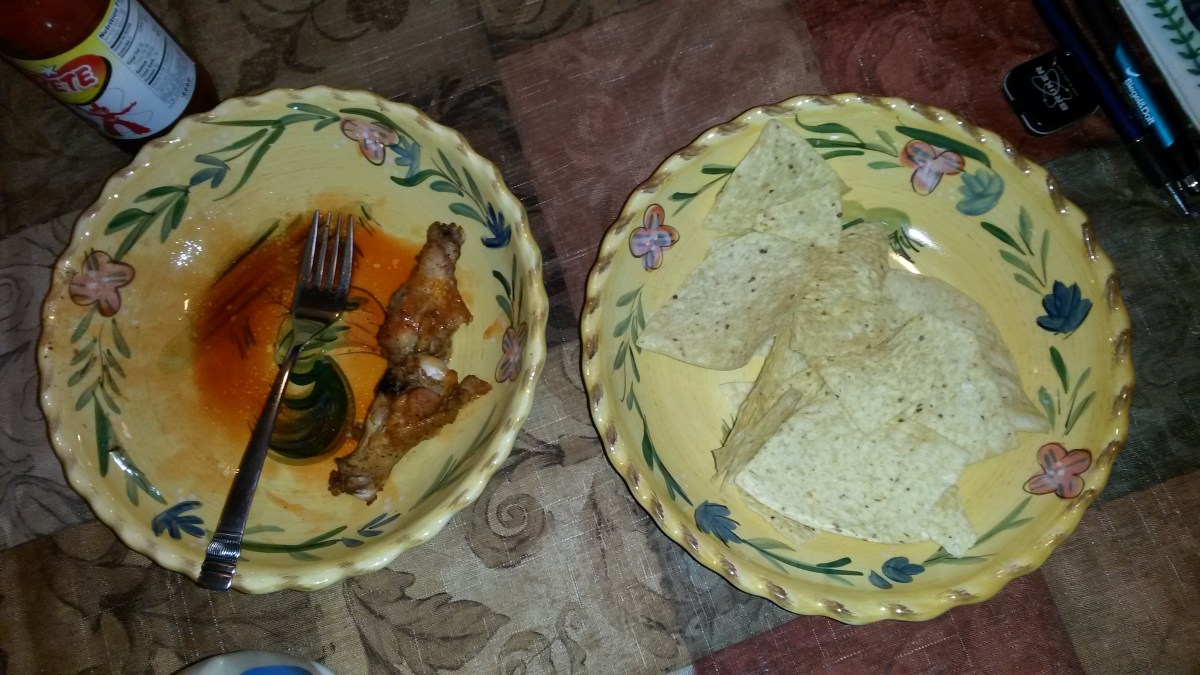
Eat and enjoy. We served it with tortilla chips, carrots and ranch dressing. Oh, and Gewurztraminer.

Compensation

Paul Laurence Dunbar, 1872 – 1906

Because I had loved so deeply,
Because I had loved so long,
God in His great compassion
Gave me the gift of song.

Because I have loved so vainly,
And sung with such faltering breath,
The Master in infinite mercy
Offers the boon of Death.

Victorian Shortbread

This one is a bit of a disappointment.

From the Sure to Rise cookbook (1895-ish Published as an ad every year)

  • 1/2 pound flour
  • 1/4 pound butter
  • 2 tablespoons sugar

Cream the sugar and the butter, then mix in the flour.
2016-02-13 16.08.28
Press into an ungreased pan with your knuckles, smooth with a knife and put fork holes in it. Bake in a slow oven for an hour.

I tried it. It is not up to modern standards. Dry and not sweet. Nothing like the shortbread you have today. I’d add more sugar and make it thicker (that was my mistake).