Limitations

Henrietta Cordelia Ray, 1848 – 1916

The subtlest strain a great musician weaves,
Cannot attain in rhythmic harmony
To music in his soul. May it not be
Celestial lyres send hints to him? He grieves
That half the sweetness of the song, he leaves
Unheard in the transition. Thus do we
Yearn to translate the wondrous majesty
Of some rare mood, when the rapt soul receives
A vision exquisite. Yet who can match
The sunset’s iridescent hues? Who sing
The skylark’s ecstasy so seraph-fine?
We struggle vainly, still we fain would catch
Such rifts amid life’s shadows, for they bring
Glimpses ineffable of things divine.

Miracles

Walt Whitman, 1819 – 1892

Why, who makes much of a miracle?
As to me I know of nothing else but miracles,
Whether I walk the streets of Manhattan,
Or dart my sight over the roofs of houses toward the sky,
Or wade with naked feet along the beach just in the edge of the
water,
Or stand under trees in the woods,
Or talk by day with any one I love, or sleep in the bed at night
with any one I love,
Or sit at table at dinner with the rest,
Or look at strangers opposite me riding in the car,
Or watch honey-bees busy around the hive of a summer
forenoon,
Or animals feeding in the fields,
Or birds, or the wonderfulness of insects in the air,
Or the wonderfulness of the sundown, or of stars shining so
quiet and bright,
Or the exquisite delicate thin curve of the new moon in spring;
These with the rest, one and all, are to me miracles,
The whole referring, yet each distinct and in its place.

To me every hour of the light and dark is a miracle,
Every cubic inch of space is a miracle,
Every square yard of the surface of the earth is spread with the
same,
Every foot of the interior swarms with the same.

To me the sea is a continual miracle,
The fishes that swim—the rocks—the motion of the waves—the
ships with men in them,
What stranger miracles are there?

On Seeing a Tuft of Snowdrops in a Storm

William Wordsworth, 1770 – 1850

When haughty expectations prostrate lie,
And grandeur crouches like a guilty thing,
Oft shall the lowly weak, till nature bring
Mature release, in fair society
Survive, and Fortune’s utmost anger try;
Like these frail snow-drops that together cling,
And nod their helmets smitten by the wing
Of many a furious whirlblast sweeping by.
Observe the faithful flowers! if small to great
May lead the thoughts, thus struggling used to stand
The Emathian phalanx, nobly obstinate;
And so the bright immortal Theban band,
Whom onset, fiercely urged at Jove’s command,
Might overwhelm, but could not separate!

We don’t have wild snowdrops in the south, so maybe a spring Trillium will do. From Jarrod Gap near the AT. The odd, sort of hand-shaped, leaf just out of focus in the back is a bloodroot – a delicate spring flower with bright orange sap.

The Uses of Poetry

William Carlos Williams, 1883 – 1963

I’ve fond anticipation of a day
O’erfilled with pure diversion presently,
For I must read a lady poesy
The while we glide by many a leafy bay,

Hid deep in rushes, where at random play
The glossy black winged May-flies, or whence flee
Hush-throated nestlings in alarm,
Whom we have idly frighted with our boat’s long sway.

For, lest o’ersaddened by such woes as spring
To rural peace from our meek onward trend,
What else more fit? We’ll draw the latch-string

And close the door of sense; then satiate wend,
On poesy’s transforming giant wing,
To worlds afar whose fruits all anguish mend.

By the Stream

Paul Laurence Dunbar, 1872 – 1906

By the stream I dream in calm delight, and watch as in a glass,
How the clouds like crowds of snowy-hued and white-robed
maidens pass,
And the water into ripples breaks and sparkles as it spreads,
Like a host of armored knights with silver helmets on their heads.
And I deem the stream an emblem fit of human life may go,
For I find a mind may sparkle much and yet but shallows show,
And a soul may glow with myriad lights and wondrous mysteries,
When it only lies a dormant thing and mirrors what it sees.

Paul Dunbar was one of the first African-American poets to gain widespread recognition. Which, unfortunately, didn’t mean he was included in my schooling. (Of course as a young scientist I didn’t have time for reading poetry, other than the poetry of differential equations, calculus and physical chemistry.) It’s been a real pleasure to discover his poetry. This poem and more can be found poets.org.

Time for a new pack #MondayBlogs

After nearly six years of hard use my trusty REI flash 50 pack has finally broken. It split a seam just before a fun backpacking trip at Pine Mountain State park on Saturday. I must say it held up fine, but it’s time for a new one. Since this is largely a photo blog, I’ll commemorate it with a few photos of its journeys. Nearly every back-country journey I’ve made since then has used it (Philmont excepted). The others used a Mariposa Plus which is also seeing its age. It also was an excellent carry on bag – I could fly for a two-week trip to England with it as carry on. Still met the size requirements unlike those massive rollerbags. Then it served as a daypack, lugging water and cameras up mountains from Wales to Devon and parts in between.

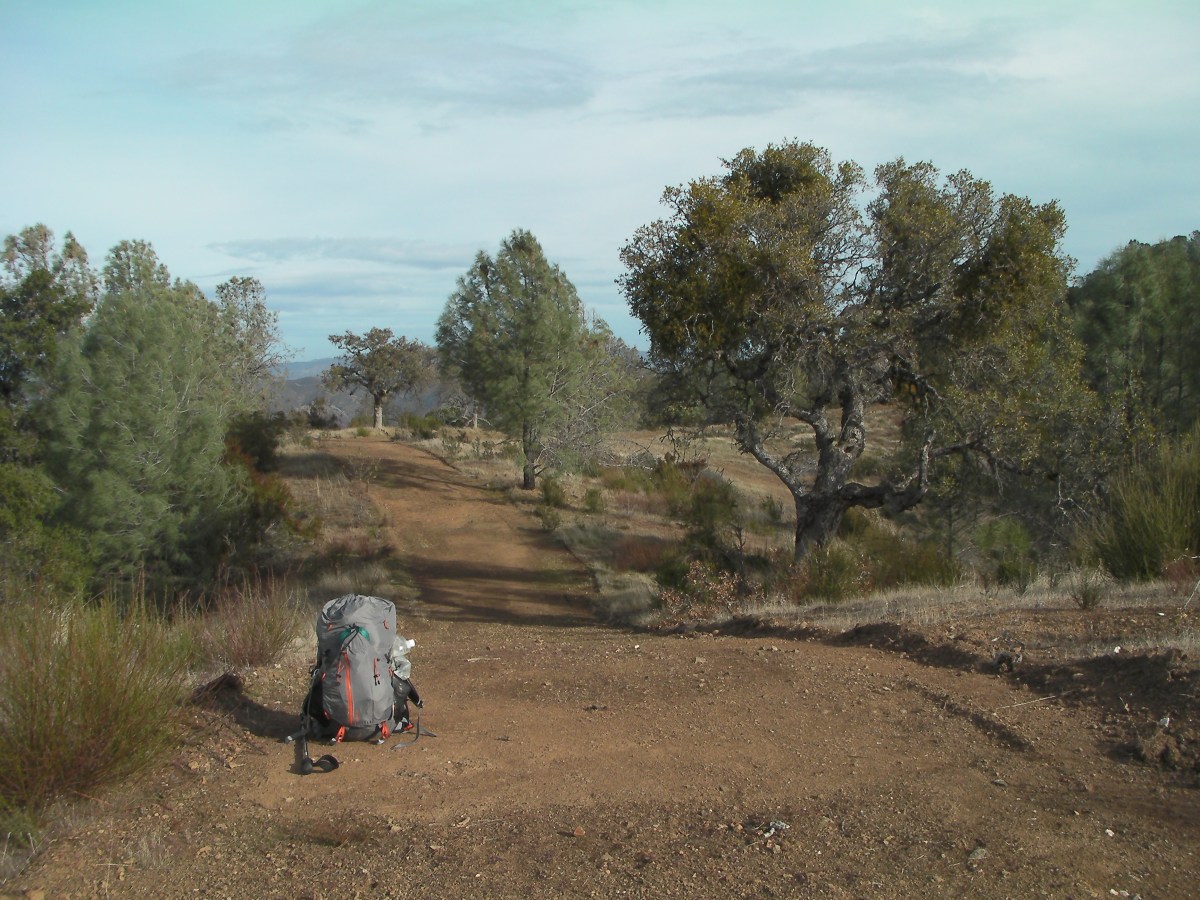
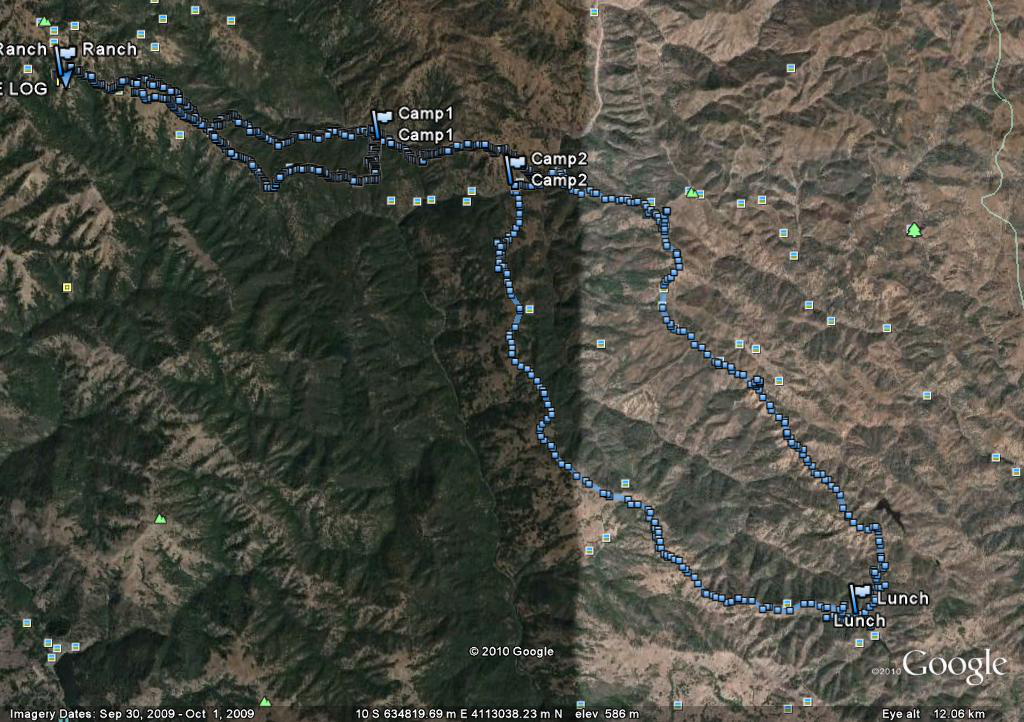
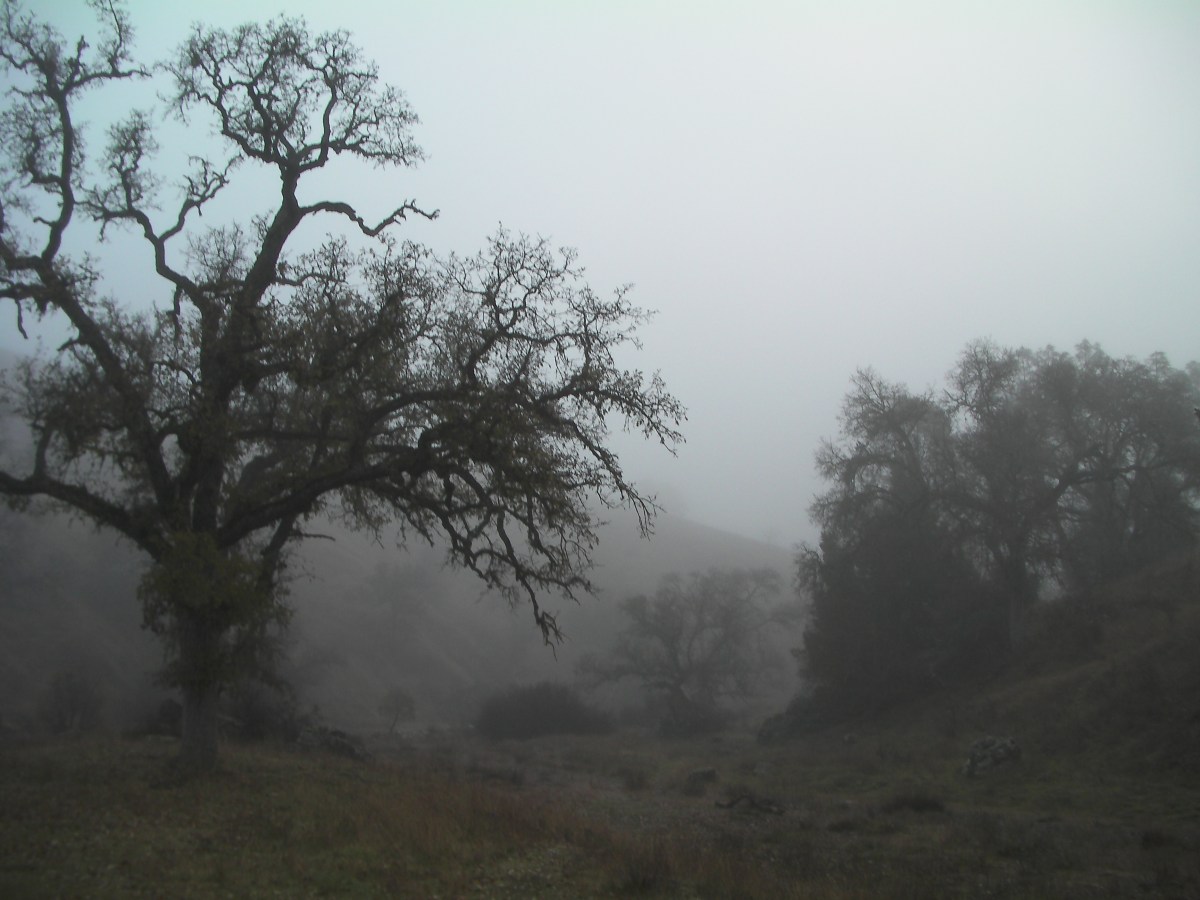
The featured image is from it’s inaugural voyage, a 24 mile weekend at Henry Coe state park. Only a few miles from San Jose, this state park is steep, stark and relatively unused. I was the backpacker one weekend in December.
coe_trip

Other gear, like this Sylon tarp haven’t fared so well. (It leaks in a hard rain).


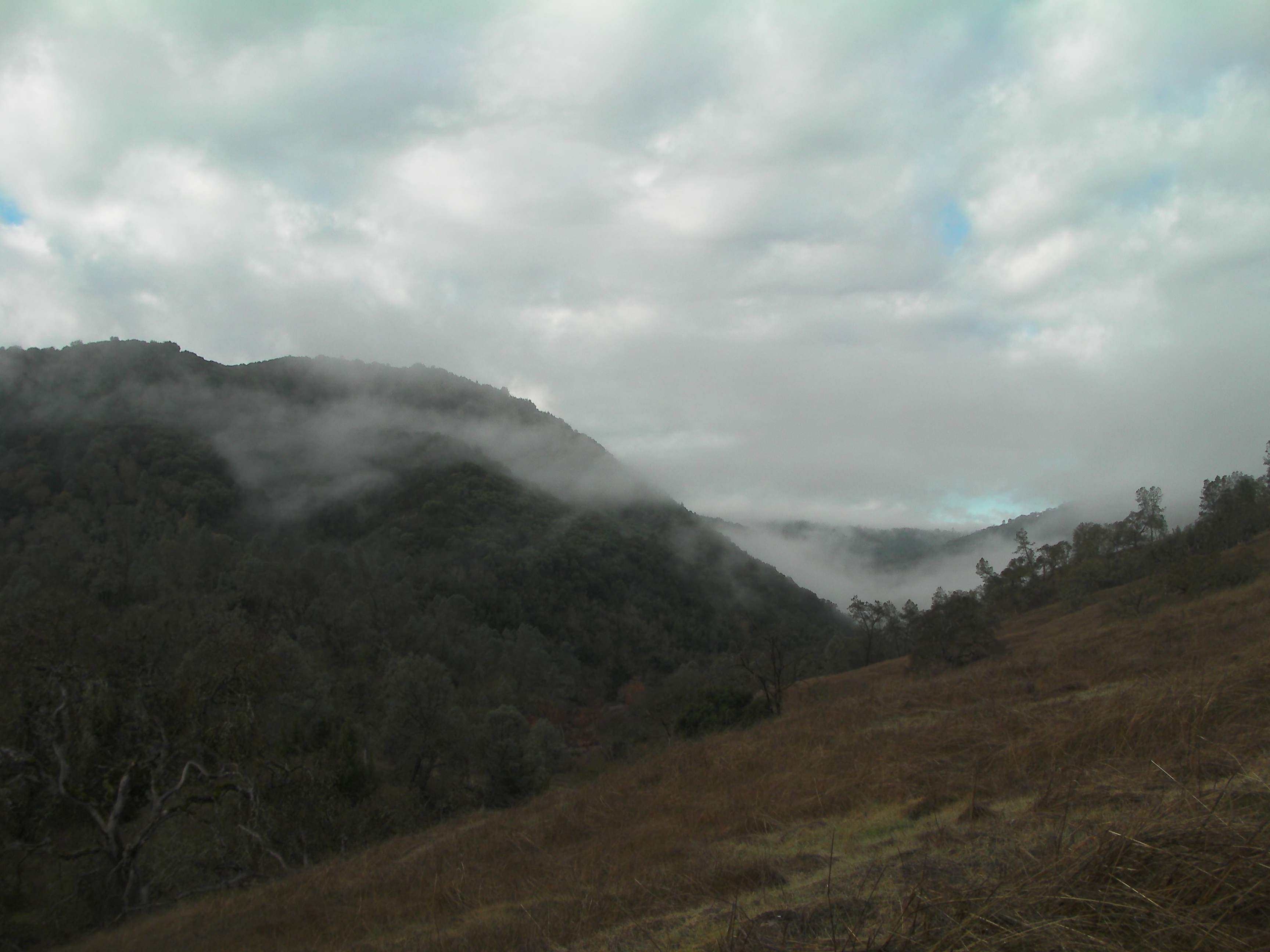
Misty fog filled the valley’s that night

Supporting coastal range newts – these are not lizards, but actual amphibians, living in a surprisingly dry environment.

It’s also a place of great beauty.

I used this pack with the scouts in order to demonstrate that light-weight backpacking did not require expensive equipment. These photos are from another trip to Pine Mountain and show my trailstar (Mountain Laurel designs which is worth its weight in gold.)
IMG_0703

IMG_0701

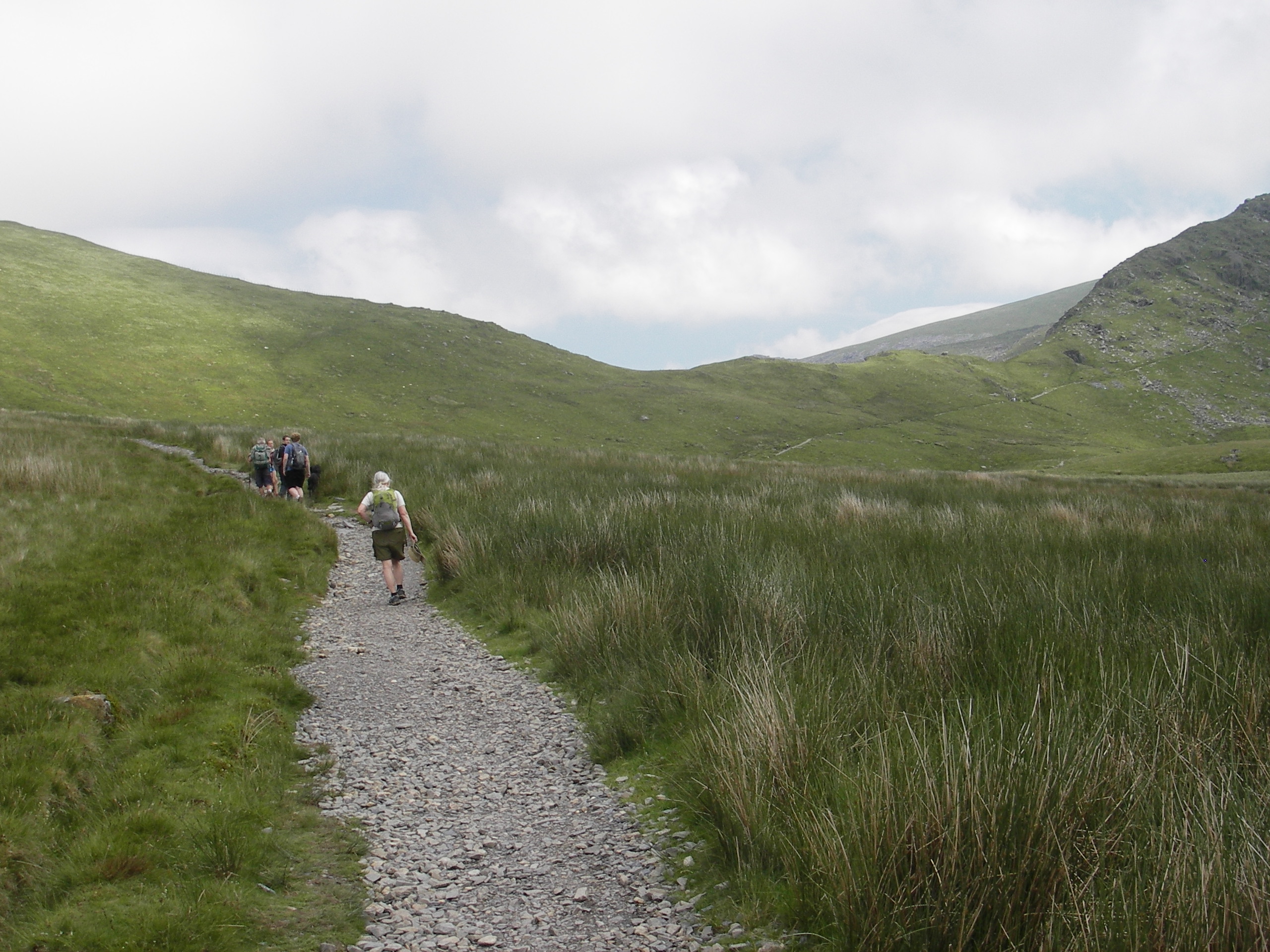
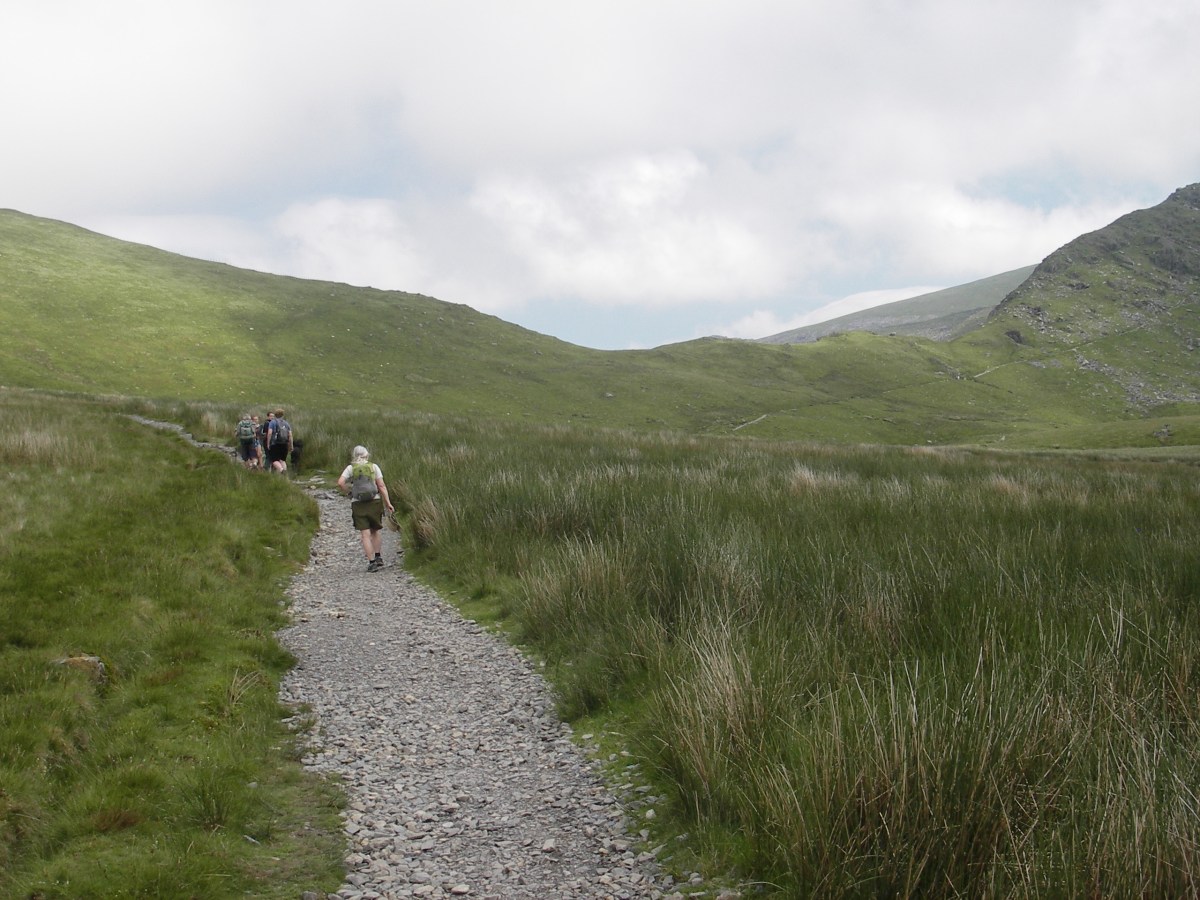
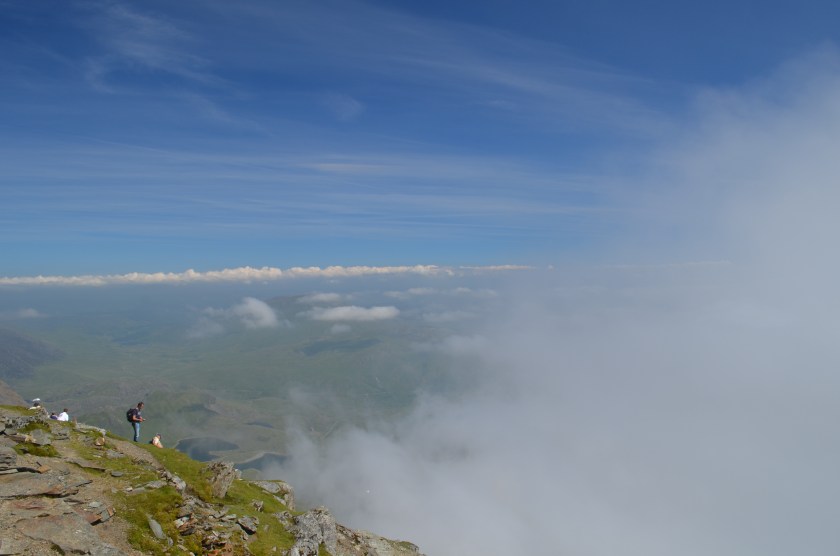
As a Day pack it’s been to the top of Mount Snowdon
DSC_0675
IMGP3965
This is the “devil’s kitchen” We parked by that lake. The one in the distance.
DSC_0761

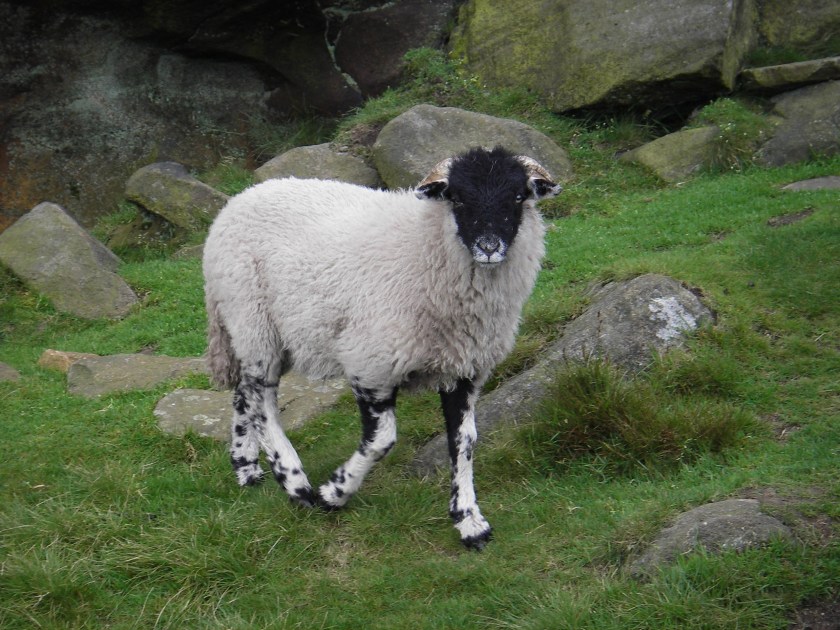
The Peak district near Hayfield and Kinder Scout.
IMGP3739

IMGP3757

That is the trail.
IMGP3899

IMGP3910

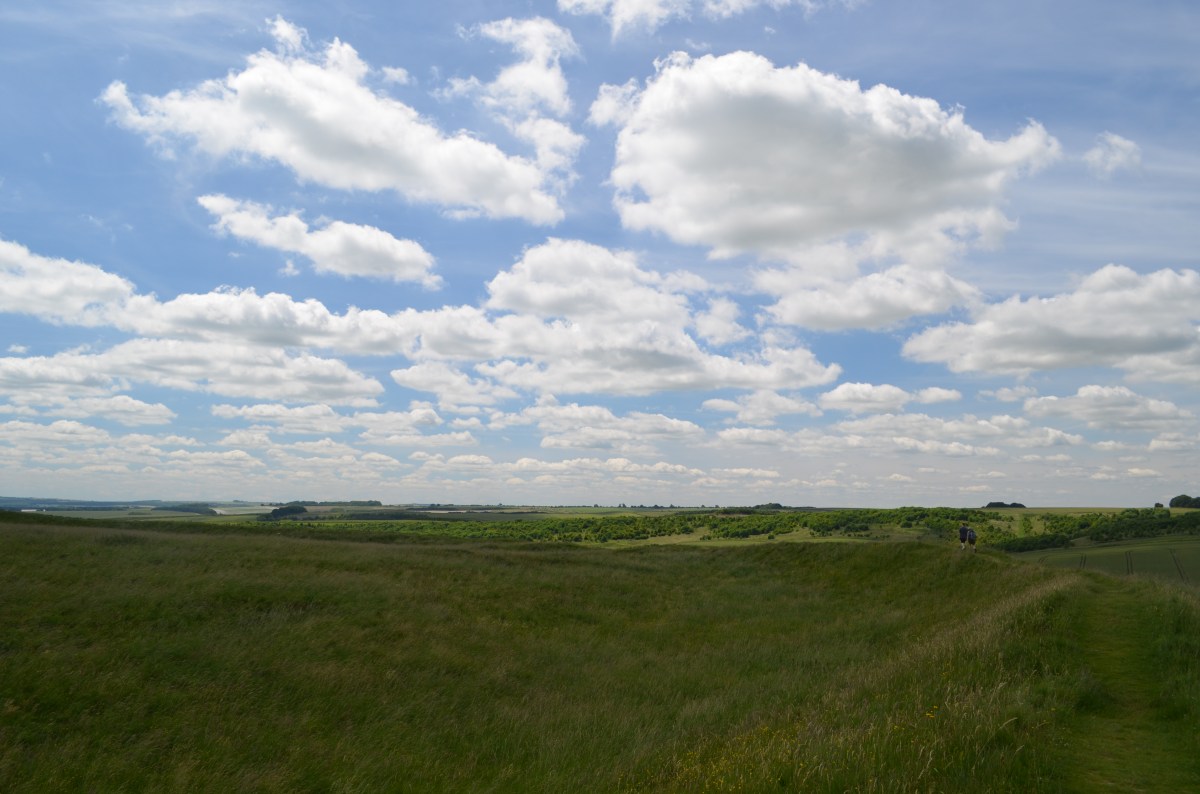
Dartmoor
DSC_0812

DSC_0795

IMG_1019

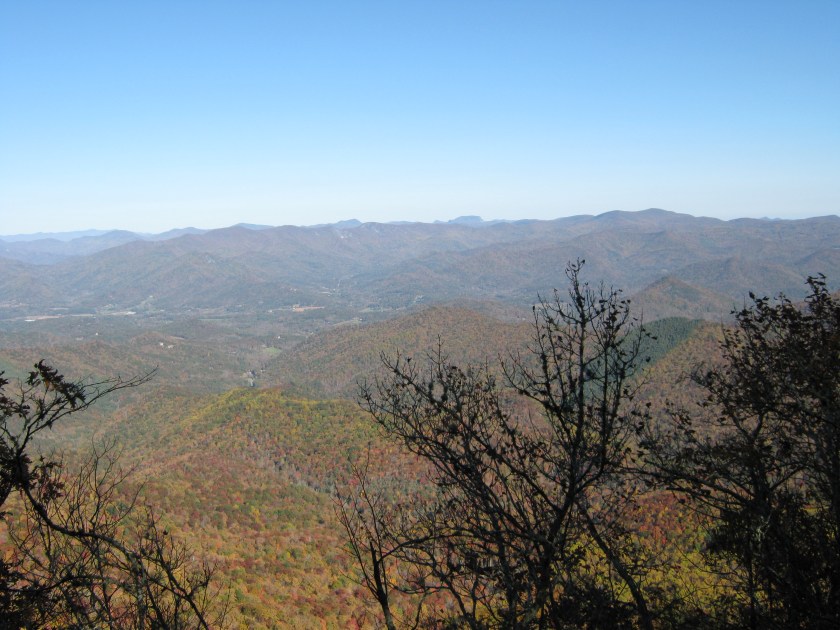
Standing Indian (on the AT in North Carolina)
IMG_0862

IMG_0867

IMG_0871

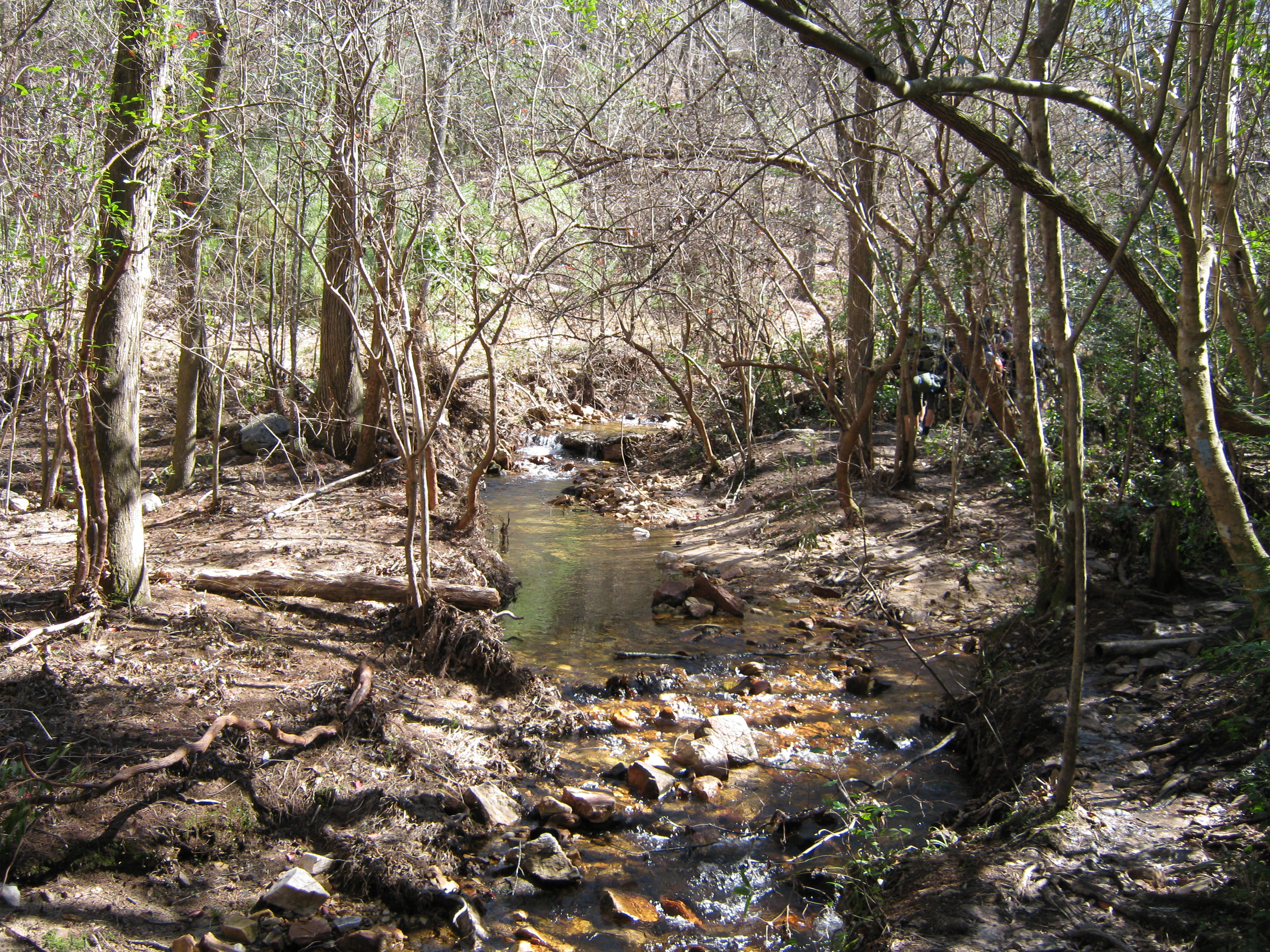
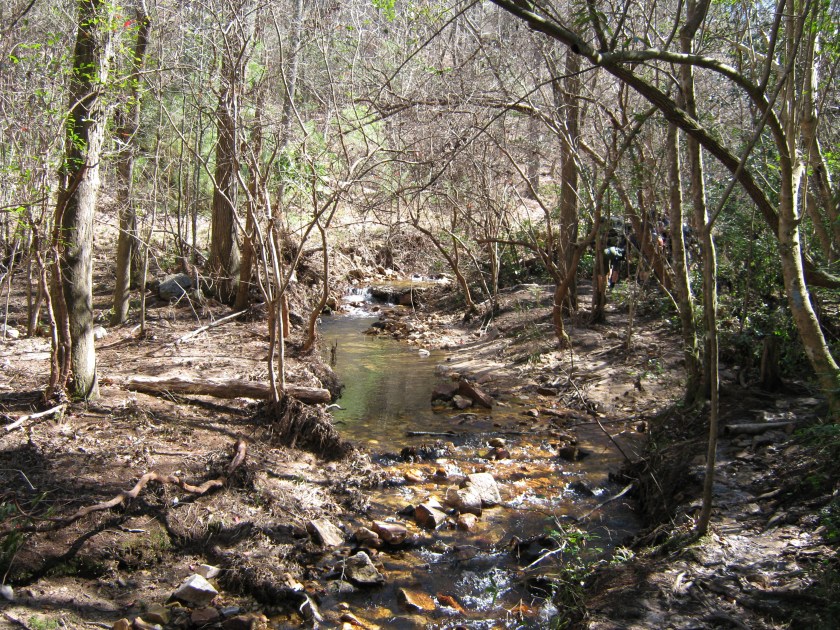
And many others. It will be missed. Bushwhacking like this was never an issue.
IMG_1120

The Vantage Point

Robert Frost, 1874 – 1963

If tired of trees I seek again mankind,
Well I know where to hie me—in the dawn,
To a slope where the cattle keep the lawn.
There amid lolling juniper reclined,
Myself unseen, I see in white defined
Far off the homes of men, and farther still
The graves of men on an opposing hill,
Living or dead, whichever are to mind.

And if by noon I have too much of these,
I have but to turn on my arm, and lo,
The sunburned hillside sets my face aglow,
My breathing shakes the bluet like a breeze,
I smell the earth, I smell the bruisèd plant,
I look into the crater of the ant.

Prairie Spring

Willa Cather

Evening and the flat land,
Rich and sombre and always silent;
The miles of fresh-plowed soil,
Heavy and black, full of strength and harshness;
The growing wheat, the growing weeds,
The toiling horses, the tired men;
The long empty roads,
Sullen fires of sunset, fading,
The eternal, unresponsive sky.
Against all this, Youth,
Flaming like the wild roses,
Singing like the larks over the plowed fields,
Flashing like a star out of the twilight;
Youth with its insupportable sweetness,
Its fierce necessity,
Its sharp desire,
Singing and singing,
Out of the lips of silence,
Out of the earthy dusk.

Epigram on Rough Woods

Robert Burns, 1759 – 1796

I’m now arrived—thanks to the gods!—
Thro’ pathways rough and muddy,
A certain sign that makin roads
Is no this people’s study:
Altho’ Im not wi’ Scripture cram’d,
I’m sure the Bible says
That heedless sinners shall be damn’d,
Unless they mend their ways.

DSC_0709

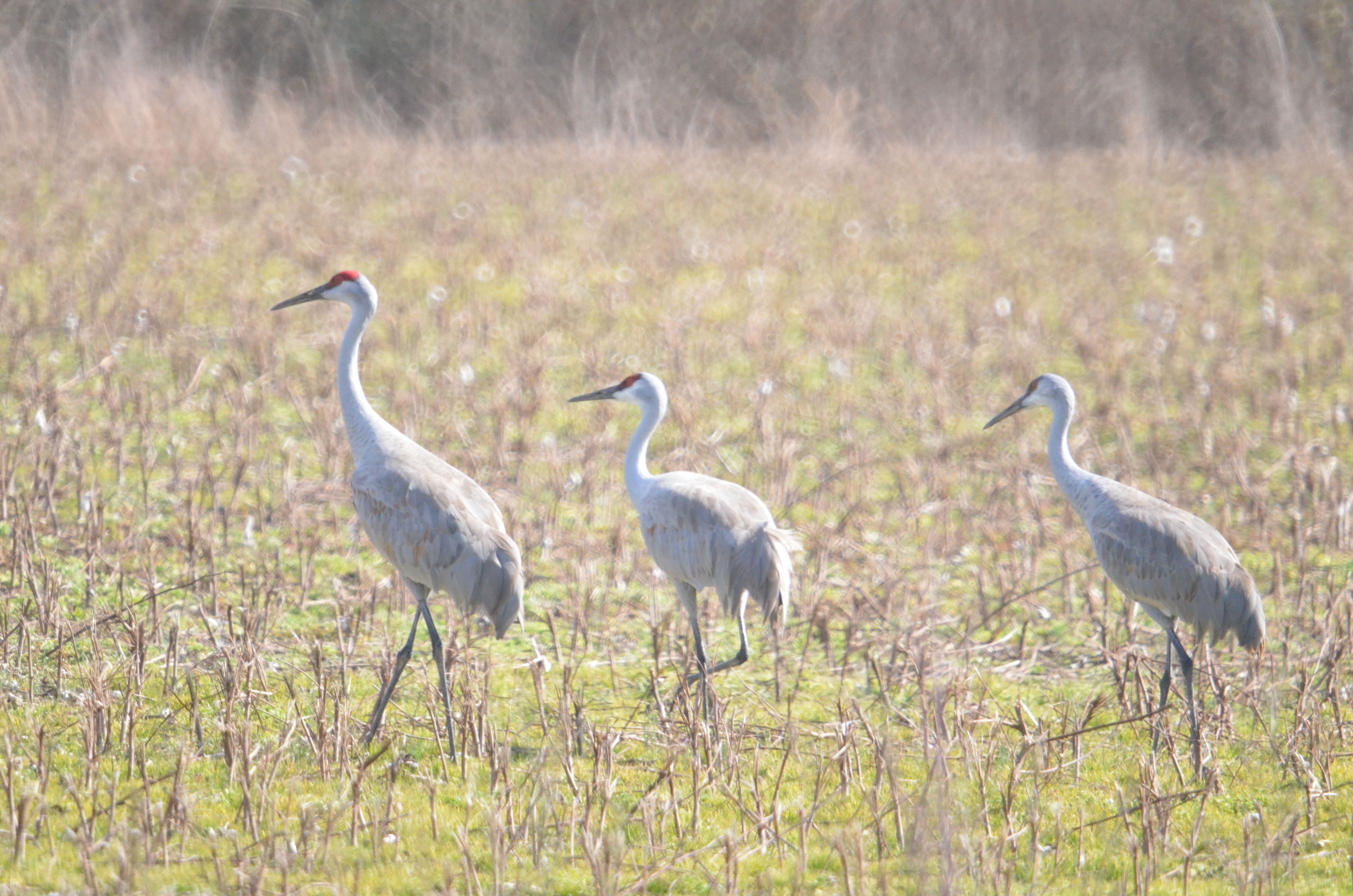
Sandhill Cranes #birding

The Sandhill Cranes overwinter in northern Alabama near Weiss Lake. The flocks have been getting bigger as the word seems to be spreading among them. They concentrate on damp/flooded cotton and soybean fields where they can find various small creatures to eat.

DSC_0307

DSC_0304

While we were parked and taking photographs several flocks flew in to join the main one. They spread out in the morning and then gather together. The next few shots show the process.

DSC_0298

DSC_0299

DSC_0300

They aren’t spooked by cars, so you can quietly pull off the road, turn off your engine and take pictures. These were with a relatively inexpensive 500mm mirror lens.