The Art of Deception 27

The Art of Deception

or Pride and Extreme Prejudice

12241791_735836876546522_6197947469406170479_n

Welcome to Weekend Writing Warriors.   This week continues a spy story set in late Georgian England, the year before Trafalgar. Last week, Roderick and Edward met, somewhat to Roderick’s surprise, Alice and Lucy in Bath. They had an interesting and accidental meeting with an old acquaintance of Roderick’s. This week, the niceties over, the two men head back to the Pelican for as Roderick described it, “Sausages. Presumably made from pigs, but possibly with other, less savoury, ingredients.”


“Sausages for dinner, again?” Edward joked as he and Roderick trudged back to the Pelican.

“I hear they have a new cook; at least I hope so; in any case, the beer has a fine reputation and anything is edible – with enough of it; Did you catch their names and addresses?”

“Wondered how long it would take for you to ask me that, Lucinda,” He looked heavenward, “Lucinda is from Derbyshire, Thornsett, Miss Mapleton from the village of Easterly; I suppose that means we can write two villages off the list.”

“Not necessarily, Edward; the best cover stories are as true as is possible; fewer things to forget; Miss Mapleton did say her cousin was Miss Green … I think that is the name of the family thereabouts.”

Edward stopped, “You don’t think they’re involved?”

“Who?”

“Lady Green.”

“I’m impressed … know your minor nobility?”

“Lord no – they were friends of my parents; at least until Lord Green outran his legs; wonder what happened to them; last I heard they’d retired to the country; had a daughter, much younger.”

Now that you’ve read my hackery, please see the talented writers in Weekend Writing Warriors.


My apologies for creative punctuation.

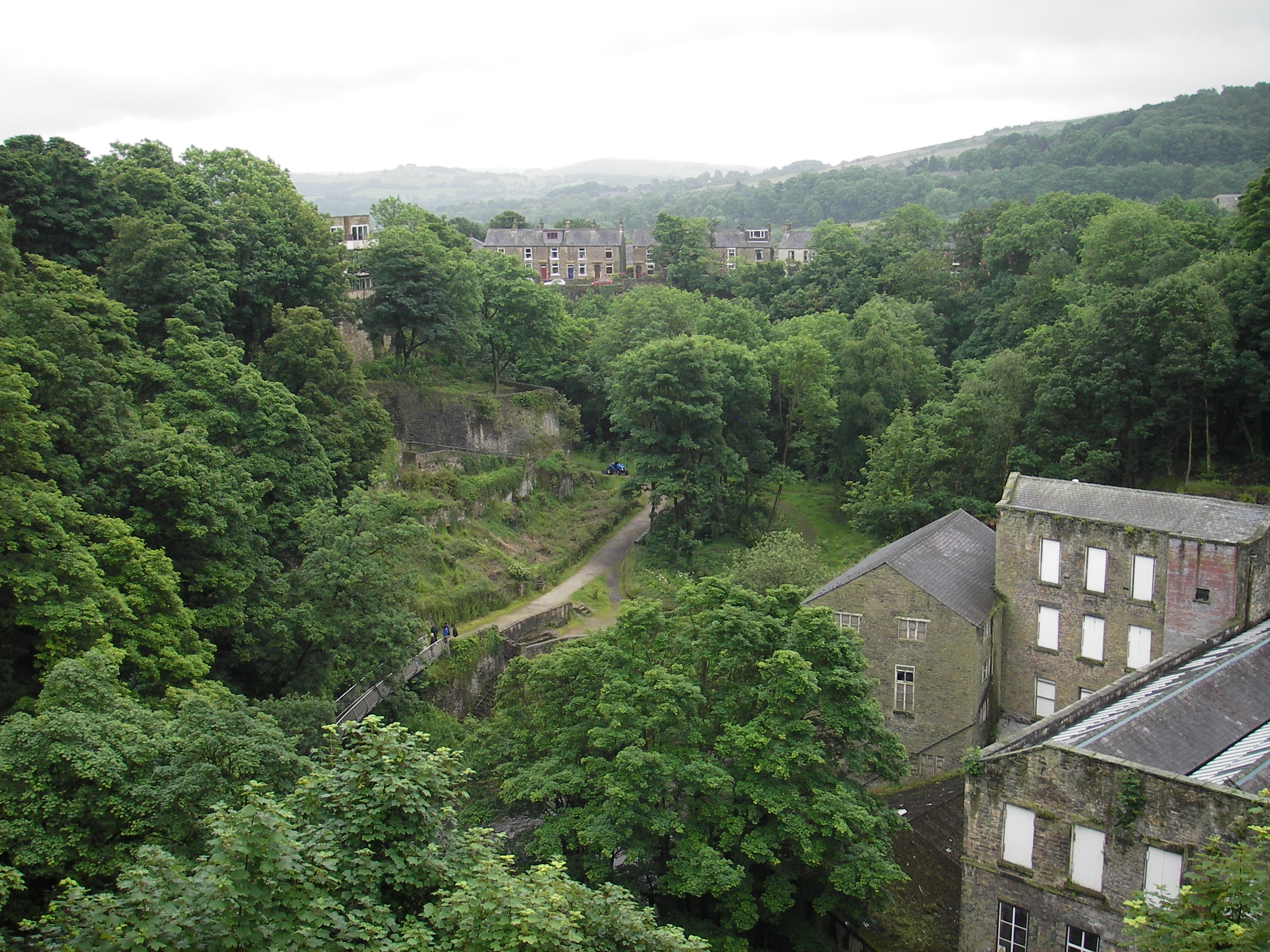
IMGP3801Thornsett is a real village, more of a crossroads now, on the canal between New Mills and Hayfield in the peak district. New Mills (in the picture) is, as the name suggests, a factory town. It’s situated on ample water power and was being built about the time of this story. In 1804 Thornsett was the bigger of the three towns.

Like poor Cecelia, “The Curious Profession of Dr Craven” is back from the dead.

I’ve released a sweet regency romance, Miss DeVere Miss_devere_1 This is a fun read.

Frankenkitty is available.
Frankenkitty What happens when teenagers get to play with Dr Frankenstien’s lab notebooks, a few odd chemicals and a great big whopping coil? Mayhem, and possibly an invitation to the Transylvanian Neuroscience Summer School.

Get Free Stuff and try out my landing page. There are three free complete short stories (including an ARC for Frankenkitty) available after you’ve gone through the hoops.

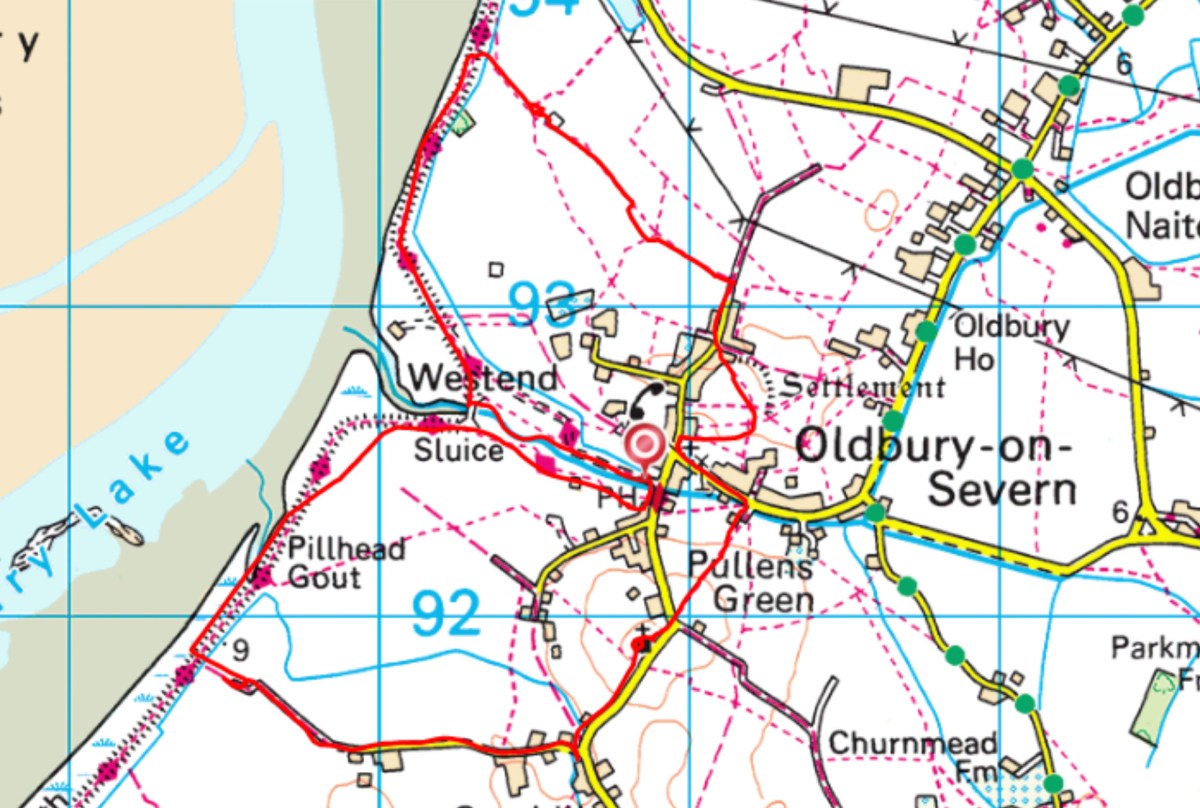
Oldbury-on-Severn.

The recent kerfuffle about a nuclear power station brought this trip, from 2013, to mind. It’s just south of it. The area marked as “Settlement” in the ordnance survey map is an ancient town. (Likely pre-Saxon and pre-Roman) This small village, not far from Bristol, has a long history, even by English standards.

It’s a nice walk, there’s a pub in the village (which we didn’t sample, unfortunately). 2013 was hot, much hotter and drier than 2016, so there weren’t as many nice pictures to take. Brown grass on a earthwork, even an ancient earthwork, is brown grass. Simply not photogenic.

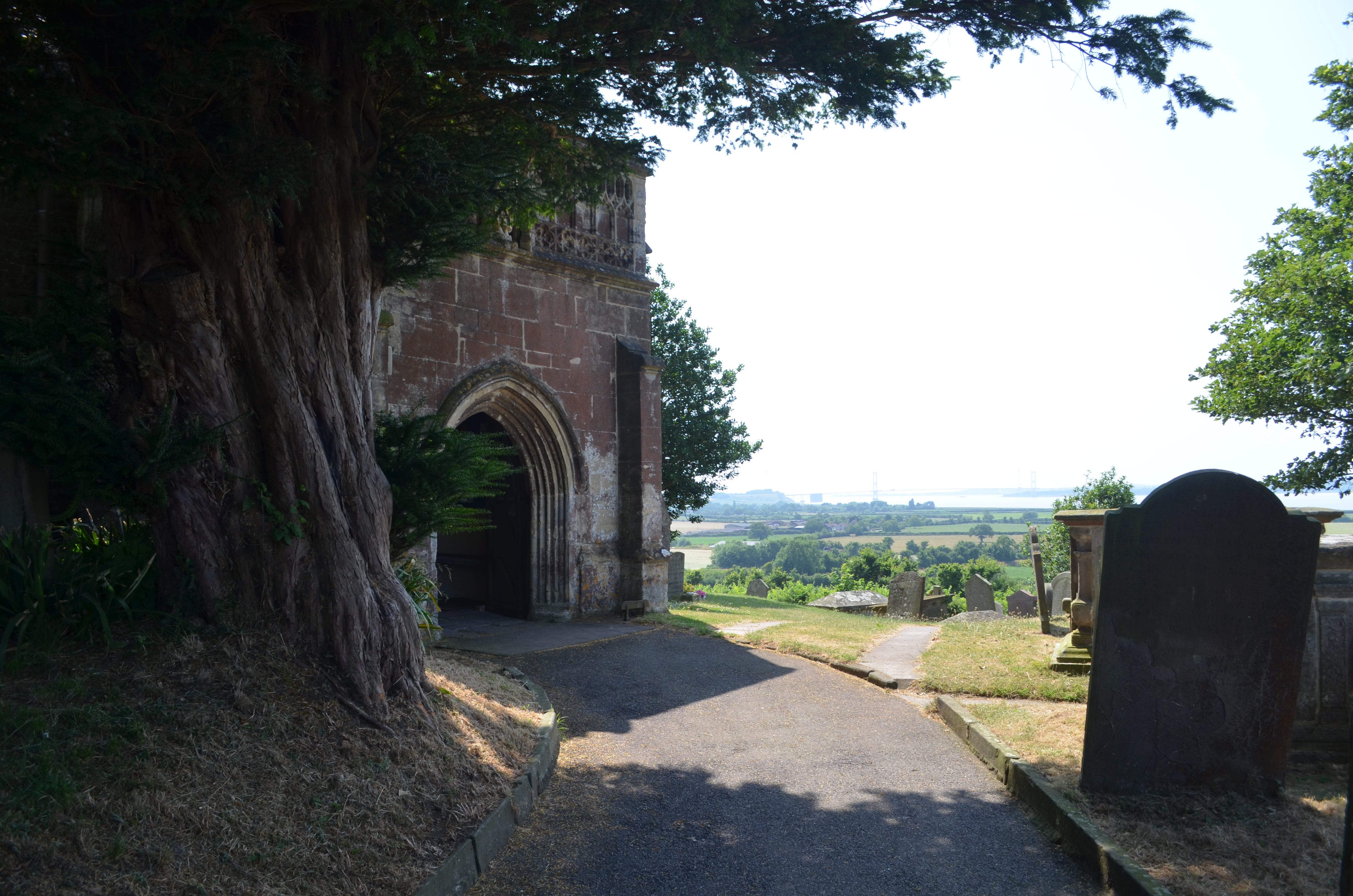
DSC_0881 The shade by Saint Arilda’s Church was a welcome relief from the hot sun. The church, itself, is on a hill just to the south of the village. It’s something of a conundrum why there isn’t a castle ruin, because it’s an obvious place to put a defensive structure. The church community, in typical English fashion, was having a sale of used books, CD’s and nicknacks. It sat on the side of the road, and was on the honour system. I picked up a CD of bagpipe music to play in the car when the bairns misbehave.
DSC_0890 The view from the church toward the nuclear power plant.


DSC_0889


The Severn bridge is in the distance.

Mount Snowdon.

The image above shows the view on a good day.

What if it’s not a good day?

Rather one like this:

IMGP4220
Where the temperature is approaching 4-5C (30 40F), it’s windy and wet.

If you’re prepared, these are excellent conditions for a walk. If you’re not … well, let’s just say “may the force be with you.” You’ll need it.

What do I mean by being prepared? Here’s my gear list.

  • Rain gear
  • Winter coat
  • Thin hiking sweater (Marks and Sparks has an excellent one – wool and silk.)
  • Wind shirt.
  • Dry bag in pack containing Fleece, change of clothes. I use a trash-compacter bag as a pack liner.
  • Food and water.
  • The rest of the “10 Essentials.” Map, compass, headlamp, first aid kit, and cell-phone.

This looks like an enormous amount to carry. Especially if you add in my camera and GPS. It isn’t. I’ve chosen light-weight gear. The single heaviest think I carried was water (@ 1 kilogram/liter). The total weight was about 3-4 kilograms.

Route Selection

There are five major routes up the mountain. They range from long (following the train) to short and steep (Watkin and Pig trails). We’ve used the Ranger Trail and Rhyd ddu paths. The Ranger Trail is probably the easiest with children. The Pig trail is the shortest climb, but it’s decidedly steep and the parking lot at the base is always a zoo. An informal survey of the people in the restaurant at the top suggested that most either come up the Pig trail or take the train.

14-july-16 Our route this year was up and down the Rhyd ddu path. My wife and I did this path when we were just married. I think we actually made better time as old-codgers. (Walking poles help, a lot.)

6-july.13 This map shows a trip we made a few years ago. We thought hard about coming back this way, as the Ranger Trail is a lot easier to follow in the dense fog. The path across the bottom, through the abandoned slate quarry, is swampy even in a dry summer. Therefore, rather than face the mire, we decided to take it slowly on the way down.

IMGP3955 The slate quarry, close up.

DSC_0947
The trail starts with a well-maintained track of large stones embedded in the soft peaty ground. It’s land covered with sheep. We chose shearing day for our stroll; the local farmer had gathered his flock and we started to the noise of distraught ovines.
DSC_0944 The trail rises faster than you think. I thought we’d been walking on the flat when we stopped here.DSC_0949 About 1/3-1/2 the way up, the fog descended. It usually burns off by mid-day. I started out looking forward to purchasing a pint at the top. A few minutes later, a cup of tea seemed a much better idea. IMGP4223 Leaving us with this view from the top.

The Art of Deception 24

The Art of Deception

or Pride and Extreme Prejudice

12241791_735836876546522_6197947469406170479_n

Welcome to Weekend Writing Warriors.   This week continues a spy story set in late Georgian England, the year before Trafalgar. Last week, Alice was surprised by Roderick, in church, just after she congratulated herself about ‘doing her bit’ for Britain. This week, after service, she escorts ‘her charge’ Lucy to visit Mr Spode and deliver the details of a proposed trip to Bath. Alice has just been asking questions of the innkeeper where Mr Spode and Mr Stanton are staying. Roderick finds her in the process.


Alice spun round and coloured, which did not stop her from replying, “You were asking your share of pointed questions about me on our walk here, Mr Stanton; I thought it only fair that I asked my share about you.”

“Roddy, old boy!” Edward joined them and interrupted what could have been an interesting exchange, “I see you’ve found the lovely Miss Mapleton; Lu- Miss Haytor says you have a message for me.” Lucy was not far behind him.

Glad of the respite, Alice pulled a letter from her reticule and handed it to him, “Sorry … here it is Mr Spode; this gives our plans for travel to Bath, and Miss Haytor’s address there; I, of course, shall be staying with her, as well as her Aunt, Miss Heather.” She curtsied and then turned to Lucy, “Miss Haytor, our carriage should be here soon; I shall see if it’s here … Lucinda, please come.”

Once the two women left, Edward asked his friend, “So My Lord did you find anything out about the young Miss Mapleton?”

“Only that she’s got her wits about her; gave me a long line of faradiddles and Canterbury tales; she didn’t trip up once; I must say the French are recruiting a better class of agent than they did in the past.”

Now that you’ve read my hackery, please see the talented writers in Weekend Writing Warriors.


My apologies for creative punctuation.

The Gillray cartoon I’ve added as a featured image is suggesting that maybe, in 1793, the British should not follow the French into revolution. It’s sort of relevant in these days of Brexit (though I would have voted remain – had I a vote). None the less, it is reasonably humorous. By the way, the “Thomas Pain” staymaker, refers to the “Thomas Paine” author of “the American Crisis” – from the American Revolution.

In searching for the cartoon, I found a number of modern cartoons that directly quote Gillray. Here’s an example that I think is safe to use.

6a00d8341d417153ef0153913b0640970b-800wi

Like poor Cecelia, “The Curious Profession of Dr Craven” is back from the dead.

I’ve released a sweet regency romance, Miss DeVere Miss_devere_1 This is a fun read.

Frankenkitty is available.
Frankenkitty What happens when teenagers get to play with Dr Frankenstien’s lab notebooks, a few odd chemicals and a great big whopping coil? Mayhem, and possibly an invitation to the Transylvanian Neuroscience Summer School.

Get Free Stuff and try out my landing page. There are three free complete short stories (including an ARC for Frankenkitty) available after you’ve gone through the hoops.

A Fun Walk on the Gower (or Gwr).

A 13.5 mile, 22 km walk through one of the most beautiful beaches/wild spots in the UK. It combines beaches with hills and heather in a unique walk. This is a fairly strenuous walk, at least when the temperatures reach 28 (90ish). There’s a decent amount of climbing, but no truly long epic climbs (the total climb, about 2400 feet or 740 metres, is most of the way up Snowdon).

DSC_0997

The Gower is about a 2 hour drive from Bristol and an hour from Cardiff. We started about 9 in the morning to miss the rush-hour traffic, stopped at a bakery on the way, and ate our lunch (Pasty’s and bread-pudding) at the National trust car park (3.50 for all day, Oxwich bay is 2.00). The picture above shows the view from near the top. The tide was out so we climbed down and around the Great Tor. The day was exceedingly clear, so sunscreen would have been a good idea. Hindsight is 20/20. The UV in the UK can be surprisingly strong, even stronger than in the American South.

DSC_0004

After that we climbed up onto the Gower path which follows the spine of the peninsula. There’s some free parking where the path crosses the main road.

DSC_0005

This shows our progress. We’re parked at the top of the cliffs in the centre left. The dim blue line at the horizon is Devon.

DSC_0007

We ran into the first of three Duke of Edinborough crews on this hill. They (the program) seriously need to look at lighter weight pack gear. One of the girl’s packs was forty pounds or so for a short trip. Hers was on the light side. I gave them some Philmont advice (It’s not a race and “Hydrate or die!”) for hiking in the heat.  My brother-in-law’s dogs found their own way to deal with the heat.

IMGP4228

Then we climbed down to Oxwich. We refilled our water bottles at a tap in the campsite – which they may not approve of, but what they don’t know won’t hurt them. (It’s a lovely site, but does not take pets). We also stopped at the store for a choc-ice, which was well-received.

IMGP4230 The tide was now in, which the dogs enjoyed. It also meant we had a digression on the way back. Unless we wanted to swim. (We considered it.)IMGP4231


This is an example of a large blue jellyfish that was washed up on shore. There were at least three other species in the water. Most of them don’t sting.


IMGP4241Three cliffs bay with the tide in.

IMGP4239 Pennard Castle. It’s in the middle of a golf course, so visit with caution (and keep an ear out for ‘fore’).IMGP4242

This last picture shows one of the sandy climbs. Climbing a sandy bluff is much harder work than climbing a stoney path.

A Yank’s Guide to the UK part 3, Footpaths.

You may have noticed that I like to walk. Maybe it’s all those trailmaps I’ve posted. (A big thank you to this site for their help with tracks.)

Anyway one of the joys of the UK is the public footpaths or rights of way. They’re designated with red dashed lines on the 1:50000 landranger series and green dashed, dotted and other lines on the 1:25000 explorer series from the ordnance survey. The symbols are a little different from the USGS maps, but close enough that if you can read one, you can read the other. Like the US maps they have a blue background grid that is a kilometer grid based on a zero point. (Canada does something similar, and shares the datum with the USA, but they sometimes use an older one that’s about 300 meters off. Be warned.) The British use their own national grid that is similar to the US one, but based on their own origin. You’ll see numbers like SN339486 which refers to a specific location. You can interpolate the numbers from the map, enter them into your gps and find a specific neolithic stone circle on a heath in Exmoor. (it was literally a circle of small stones.)

In England, the footpaths generally go where the map says they are. There are exceptions, but if you navigate stile to stile, you’ll be OK. DSC_0975 The picture shows a style on a typically beautiful summer day. Or perhaps one good enough to be typical. Many of the styles are gates, and the rule is to leave the gate the way you found it.

Many of the footpaths follow historic tracks or roads. Often these are sunken lanesIMGP4135 where the effort of expanding them for even a single track ‘metalled’ (paved) road would exceed the effort needed to just build a new road nearby. These paths can be ancient. The ridgeway that runs from near Reading to south of Bath dates to the time of the pyramids. It’s sort of exciting to walk on a road that was old and in use when Julius Caesar was a boy.

The public footpaths can go through people’s back gardens – including quite famous people’s back gardens. (There’s a rock star near Dorchester (near Oxford), whose back garden is crossed by one.)


IMGP2631The footpaths often cross fields with livestock. Cows are a real hazard. They are not the calm sweet animals from cartoons and milk advertisements. Big and sometimes ornery, especially the beef cattle which are not handled by people on a routine basis, they need to be treated with respect. Every now and then someone who doesn’t treat them with respect gets trampled. Sheep are extremely common, but other than decorating the trail in their own unique manner, not much of a bother. There are also a fair number of horses, especially in wilder areas.

Wales, however, is another story. 10-july-13 While there are plenty of footpaths and they are marked on the maps, they are often not there in reality. This map from 2013 shows our path … digressing from the footpath. What started as a gentle walk to a pub in a nearby town, became an almost epic journey as we worked our way around closed footpaths. We took the bus home.

Trail conditions range from smooth and dry, to bogs, and on to mud pits. The paths can be wide and easy walking or narrow and filled with nettles. Fortunately, outside of Kew Gardens, there’s no poison ivy.

Water sources are few, and you will need to be prepared. I’ll put it up in another post, but my wife and I did Snowdon last week. We were prepared, and needed to be. It wasn’t a bad climb, but the temperature changed from a balmy 20C at the base to about 5C at the top, in dense fog, dripping wet. Hypothermia was a real risk. Especially as you’d be damp from sweating on the climb. So we carried rain gear, winter coats, dry change of clothes, my backcountry first aid kit (which contains a space blanket for a bivy), water, and extra food. We needed the warm clothes by the time we arrived at the top. The point of this is that you have to do your research and be prepared for what you may encounter.

Moel yr-hydd Loop

This is a fine, relatively unused, 7 mile 2000 foot climb walk. The rain finally held off so we grabbed the chance.

The trail map shows the house we’ve hired, but you can park for free near the top of the paved road.

IMGP4198We walked in the original quarry road, along a stream and waterfalls. The people in this picture were getting ready to explore one of the many mines on the mountain.  Off picture, to the left, is a steep hill of tailings and various miner paths that leads up to an abandoned quarry. We came back that way.

DSC_0852 Once inside you skirt a lake and then follow an old road to an abandoned village. There’s a bitter-sweet poem, in Welsh, attached to the start of this slate fence. It says they have a new school, an new pub, an new hotel, and it’s all gone.

DSC_0878 We ate lunch in the middle of the ruins. Our choice dictated by the availability of dry seats.
DSC_0885


Following the path uphill, did I mention there’s a lot of that in this hike, you reach another abandoned quarry. It’s only the second of six. The vertical bar in the background, next to a mine opening, is the reliable and dry footpath. How did we find that out? By trying the others.
DSC_0910 When we got here we realized that we didn’t want to walk down Cwm Creosoe.
DSC_0921


Following the old gravity slides (only 20% grade or so), leads to a saddle with views like this.

We followed the footpath down. Until it disappeared into a swamp. So we ended up following informal paths (Sheep trails) to a final abandoned quarry. Then after a steep decline, we found the path we came up.

All in all an enjoyable exploration. Just be prepared for bogs, lots of bogs.

A Yank’s Guide to England 2 – Pubs and Food.

It’s 15C, windy and raining, horizontally. Not a great day for exploring mountains. Sounds like a pub is in order.

Pubs are the great British social institution. Dogs and children are welcome, though you do have to smoke in the garden. (I find this a great improvement, but others feel it is an overbearing aspect of the nanny state.) The best are local, almost community centres, that feel like one big family room. The worst are commercial and somewhat impersonal. None are as awful as an American bar. They’re more than just a dispensary for alcoholic beverages. No self-respecting village is without at least one pub.

Originally they were inns and stopping points for the masses. Back before trains when nearly everyone walked, it took more than a few hours to go from one end of the island to the other.  Once King Henry destroyed the Abbeys and Monasteries that housed travellers, public houses evolved to fill that role. While some still do, most pubs now don’t have overnight rooms. You’ll also read about licensing rules and pubs closing at strange hours. These were introduced to help win ‘the war to end all wars.’ The first one of those wars, a hundred years ago. One of the best things labour ever did was to revoke the rules. Now pubs are open when there’s a market for their services. (which means in the country, don’t count on them being open out of hours). By the way, the drinking age is 18.

Pubs come in basically three flavours: free house, brewer associated, and chain. Chain pubs are franchises like McDonalds, reasonable places, but nothing super special. Brewer associated will have a brewer’s name over the door. They get a deal from or may be owned by a brewery. In Berkshire around Reading a fair number of pubs used to have ‘Courage’ over the door which was a nice touch. Free houses are owned outright by the publicans and serve whatever beers they want. Free houses are usually the best, the most idiosyncratic, and typically British you will find. I aim for them, and so should you.

Ordering: Typically you walk up to the bar and wait your turn. There will always be some ‘locals’ i.e. people who haunt the pub as their almost primary residence. You may have to wait a bit to be noticed. Be polite. They will pointedly ignore a ‘loud Yank.’ Beer comes in pints and half pints. Ask for what’s the best bitter and you won’t be disappointed. American beer is lager. A typical ‘lady’s drink’ is lager and lime. You cannot get that in the USA, so even if you’re a bloke, give it a try. Cider is alcoholic. You can get a variety of soft-drinks for the children. The fruit squashes are very sweet. You also would order food here. It’s good manners to know what you’re ordering before you go to the bar. After all other people are waiting for their drinks.

Pub Food:  The French believe the British can’t cook. They also believe chicken is suitable for vegetarians. At least they’ve got something right. The thing about the British and the English in particular is they won’t complain. Some restaurants take advantage of this to serve awful food. The good ones won’t. The British also became accustomed to pretty bloody awful food during an unfortunate event in the middle of the 20th century. And they never were fond of snails – or frogs.

Good pub food can hold its head up with respect to any cuisine in the world. Things to try are: fish and chips, Sausage and chips, and meat pies with or without chips. I’d skip a ploughman’s. They tend to be overpriced. You may be offered ‘mushy peas.’ They are an acquired taste, but you should try them at least once. Never mind that they look like something the cat regurgitated. You may get a chance to have ‘black pudding.’ Take it.

Non Pub-food: 

Pizza has made it to the UK. It’s served as pizzas. Each typically the size of a plate and for one person.

Digestive biscuits are a delight. The base biscuit is similar to graham cracker, and you can (should) get them covered in chocolate. Ginger nuts are another biscuit worth tasting. American children often subsist on digestives when visiting the UK, since everything tastes a little different.

Bacon is different. It has meat in it. Lots of meat. Enjoy it while you can.

Sausage. My in-laws wonder why my wife and I binge on this when we’re here. Especially why we have the inexpensive plain sausages. It’s a unique and addictive flavour. One you can’t get back in the good ol’ USA.

Baked Beans. I only mention this because some people are in for a surprise. I wouldn’t bother with them in the UK. No where near as good as in the USA.

Fruits and Veggies. There’s a huge variety here now. This may change with Brexit. With apples especially, look for varieties that aren’t found in North America. Strawberries are also much nicer than you can get at home.

Cheese. The UK has its own varieties and they are excellent. Try Leicester, Cheshire, Wensleydale, Stilton, and mature (local) Cheddar. The orange brick cheese in the US will pale in comparison.
Uley Castle Ring Walk

Another quick post, documenting yet another walk. This was only 5.77 km (3.5 miles) with a good 2000 feet of climbing. So it’s a decent prep hike.
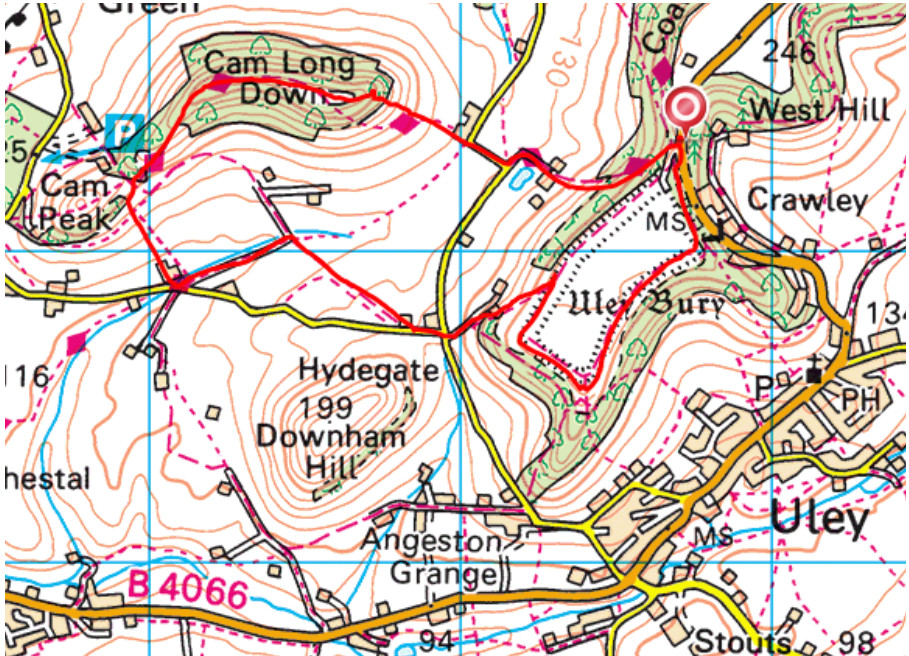
Uley Castle itself is an Iron age fort. It is impressively fortified with steep hills and multiple terraces.

DSC_0810

It has views that cover the Severn valley, which is good if you’re watching for marauding armies.

DSC_0829

The hike walks over the hill in the foreground. At this time of year the Cotswold hills are covered in wild-flowers. Unfortunately, it’s also nettle season so one stretch of narrow bridle path was … interesting.DSC_0820
It’s a great place for dogs, as long as you’re careful about livestock. When we visited there were cows grazing in the central area.
DSC_0831
This wide central area was covered in Iron Age dwellings.
DSC_0827

Castle Combe Ring Walk

This is a seven and a bit mile (12.2 km) walk around Castle Combe. I’ll talk more about public footpaths later, but this shows what you can do easily.

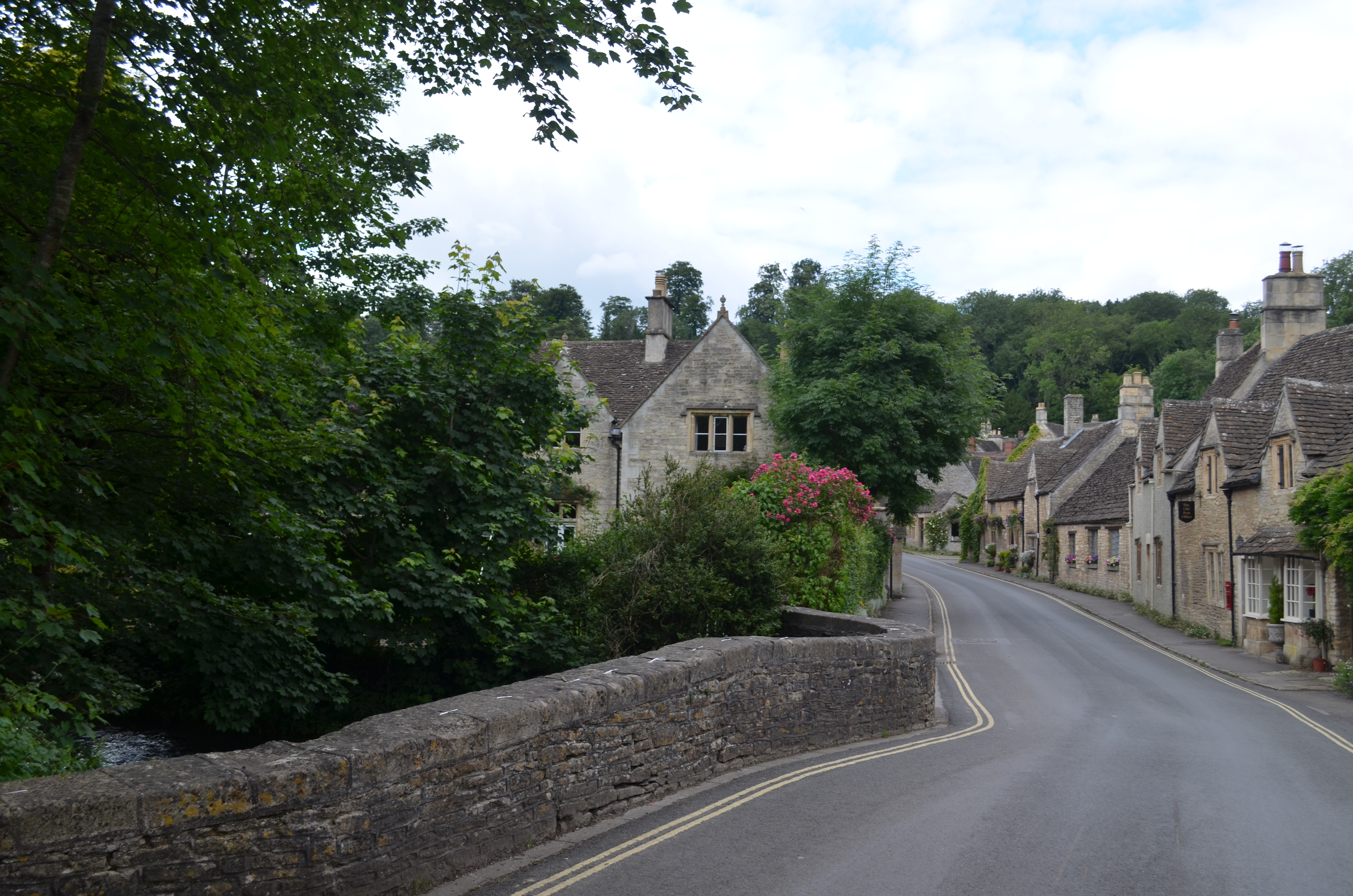
Castle Combe itself
Castle Combe itself

We actually stayed out of the little village, having seen it before. The walk takes a break at the White Hart about halfway there. A nice pub.

IMGP4128

It follows a number of ancient sunken roads.

IMGP4135

You also get exposed to English farm animals in all their glory and their, ahem, ambiance.

DSC_0791

Lord Emsworth would be pleased.