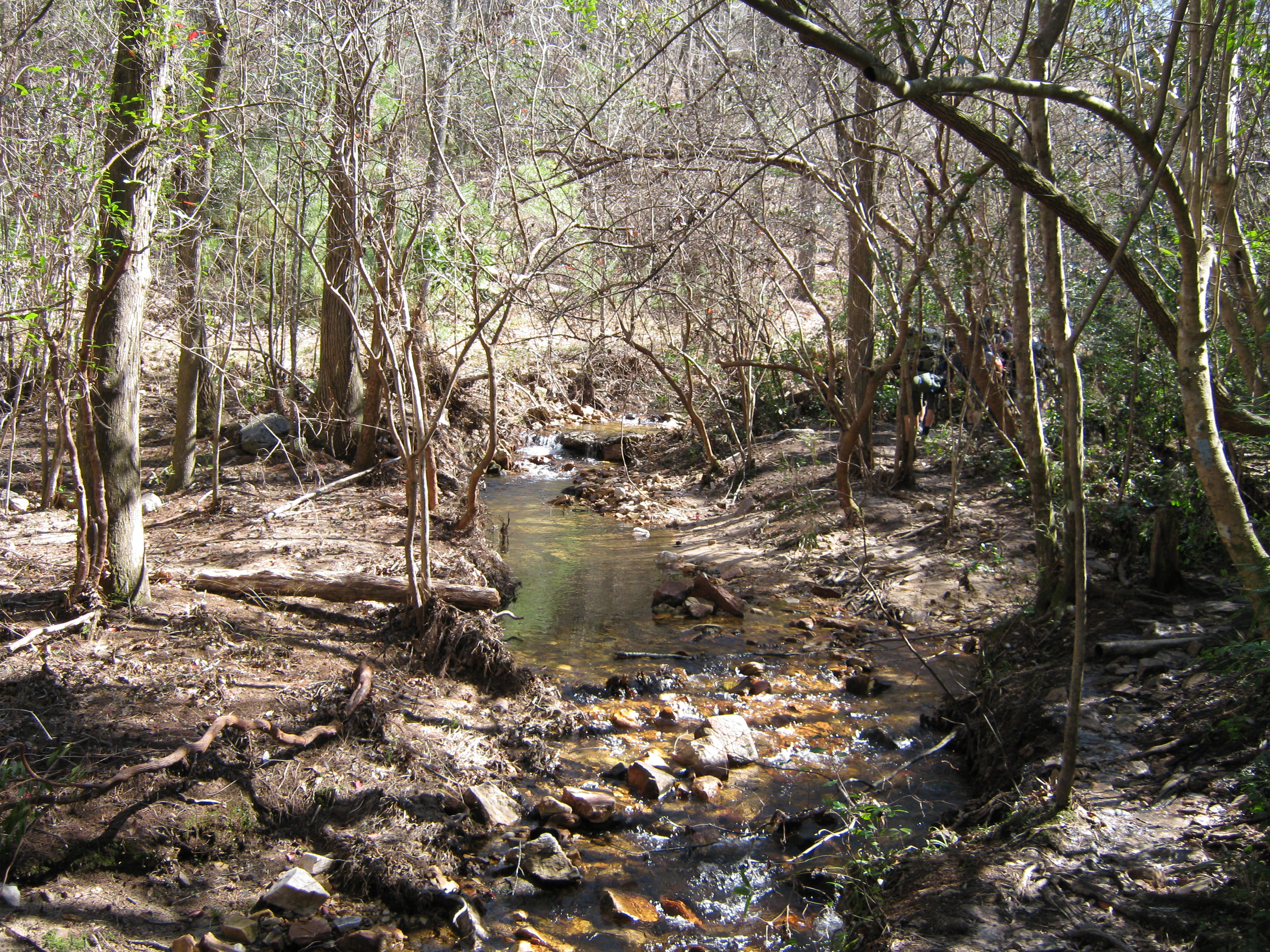
Moel yr-hydd Loop

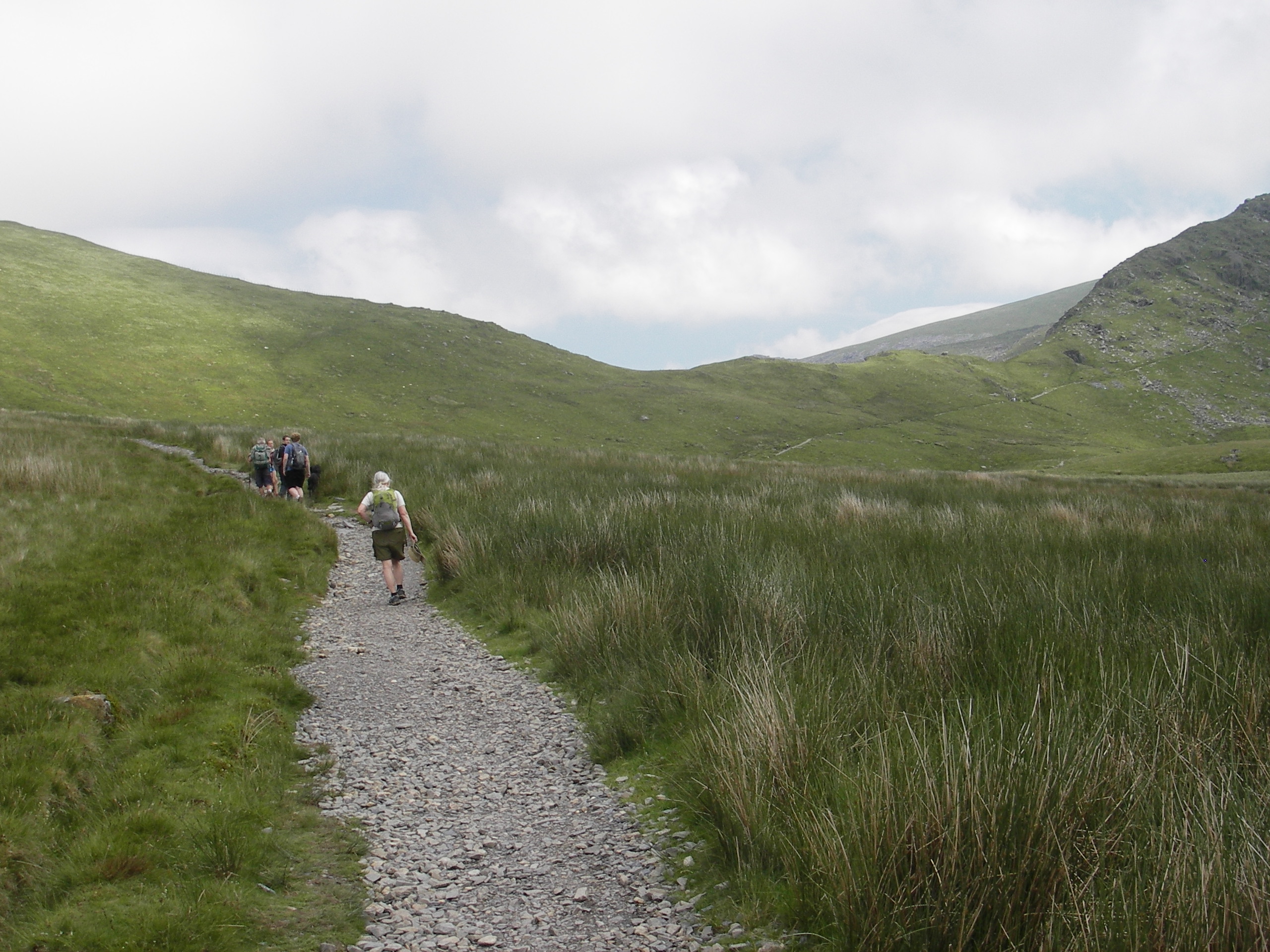
This is a fine, relatively unused, 7 mile 2000 foot climb walk. The rain finally held off so we grabbed the chance.

The trail map shows the house we’ve hired, but you can park for free near the top of the paved road.

IMGP4198We walked in the original quarry road, along a stream and waterfalls. The people in this picture were getting ready to explore one of the many mines on the mountain.  Off picture, to the left, is a steep hill of tailings and various miner paths that leads up to an abandoned quarry. We came back that way.

DSC_0852 Once inside you skirt a lake and then follow an old road to an abandoned village. There’s a bitter-sweet poem, in Welsh, attached to the start of this slate fence. It says they have a new school, an new pub, an new hotel, and it’s all gone.

DSC_0878 We ate lunch in the middle of the ruins. Our choice dictated by the availability of dry seats.
DSC_0885


Following the path uphill, did I mention there’s a lot of that in this hike, you reach another abandoned quarry. It’s only the second of six. The vertical bar in the background, next to a mine opening, is the reliable and dry footpath. How did we find that out? By trying the others.
DSC_0910 When we got here we realized that we didn’t want to walk down Cwm Creosoe.
DSC_0921


Following the old gravity slides (only 20% grade or so), leads to a saddle with views like this.

We followed the footpath down. Until it disappeared into a swamp. So we ended up following informal paths (Sheep trails) to a final abandoned quarry. Then after a steep decline, we found the path we came up.

All in all an enjoyable exploration. Just be prepared for bogs, lots of bogs.

A Yank’s Guide to England 2 – Pubs and Food.

It’s 15C, windy and raining, horizontally. Not a great day for exploring mountains. Sounds like a pub is in order.

Pubs are the great British social institution. Dogs and children are welcome, though you do have to smoke in the garden. (I find this a great improvement, but others feel it is an overbearing aspect of the nanny state.) The best are local, almost community centres, that feel like one big family room. The worst are commercial and somewhat impersonal. None are as awful as an American bar. They’re more than just a dispensary for alcoholic beverages. No self-respecting village is without at least one pub.

Originally they were inns and stopping points for the masses. Back before trains when nearly everyone walked, it took more than a few hours to go from one end of the island to the other.  Once King Henry destroyed the Abbeys and Monasteries that housed travellers, public houses evolved to fill that role. While some still do, most pubs now don’t have overnight rooms. You’ll also read about licensing rules and pubs closing at strange hours. These were introduced to help win ‘the war to end all wars.’ The first one of those wars, a hundred years ago. One of the best things labour ever did was to revoke the rules. Now pubs are open when there’s a market for their services. (which means in the country, don’t count on them being open out of hours). By the way, the drinking age is 18.

Pubs come in basically three flavours: free house, brewer associated, and chain. Chain pubs are franchises like McDonalds, reasonable places, but nothing super special. Brewer associated will have a brewer’s name over the door. They get a deal from or may be owned by a brewery. In Berkshire around Reading a fair number of pubs used to have ‘Courage’ over the door which was a nice touch. Free houses are owned outright by the publicans and serve whatever beers they want. Free houses are usually the best, the most idiosyncratic, and typically British you will find. I aim for them, and so should you.

Ordering: Typically you walk up to the bar and wait your turn. There will always be some ‘locals’ i.e. people who haunt the pub as their almost primary residence. You may have to wait a bit to be noticed. Be polite. They will pointedly ignore a ‘loud Yank.’ Beer comes in pints and half pints. Ask for what’s the best bitter and you won’t be disappointed. American beer is lager. A typical ‘lady’s drink’ is lager and lime. You cannot get that in the USA, so even if you’re a bloke, give it a try. Cider is alcoholic. You can get a variety of soft-drinks for the children. The fruit squashes are very sweet. You also would order food here. It’s good manners to know what you’re ordering before you go to the bar. After all other people are waiting for their drinks.

Pub Food:  The French believe the British can’t cook. They also believe chicken is suitable for vegetarians. At least they’ve got something right. The thing about the British and the English in particular is they won’t complain. Some restaurants take advantage of this to serve awful food. The good ones won’t. The British also became accustomed to pretty bloody awful food during an unfortunate event in the middle of the 20th century. And they never were fond of snails – or frogs.

Good pub food can hold its head up with respect to any cuisine in the world. Things to try are: fish and chips, Sausage and chips, and meat pies with or without chips. I’d skip a ploughman’s. They tend to be overpriced. You may be offered ‘mushy peas.’ They are an acquired taste, but you should try them at least once. Never mind that they look like something the cat regurgitated. You may get a chance to have ‘black pudding.’ Take it.

Non Pub-food: 

Pizza has made it to the UK. It’s served as pizzas. Each typically the size of a plate and for one person.

Digestive biscuits are a delight. The base biscuit is similar to graham cracker, and you can (should) get them covered in chocolate. Ginger nuts are another biscuit worth tasting. American children often subsist on digestives when visiting the UK, since everything tastes a little different.

Bacon is different. It has meat in it. Lots of meat. Enjoy it while you can.

Sausage. My in-laws wonder why my wife and I binge on this when we’re here. Especially why we have the inexpensive plain sausages. It’s a unique and addictive flavour. One you can’t get back in the good ol’ USA.

Baked Beans. I only mention this because some people are in for a surprise. I wouldn’t bother with them in the UK. No where near as good as in the USA.

Fruits and Veggies. There’s a huge variety here now. This may change with Brexit. With apples especially, look for varieties that aren’t found in North America. Strawberries are also much nicer than you can get at home.

Cheese. The UK has its own varieties and they are excellent. Try Leicester, Cheshire, Wensleydale, Stilton, and mature (local) Cheddar. The orange brick cheese in the US will pale in comparison.

Blaenau Ffestiniog

This isn’t a long hike, sort of a rest day. We needed a small number of supplies from the local Co-op, it is rainy, windy and cold. A welcome change from Atlanta where it is dry, hot (95F, 34C), and smelling of car exhaust.

IMGP4147 There is a steam train, so we do get the occasional wiff of coal smoke. That’s a welcome change.

The local websites give the times for the Snowdon train, but we’ll do that trip under our own power. There’s a 35L ticket that lets you use this train and the busses all day.

We hiked first uphill and across the face of old slate workings. Originally I planned to go for a longer bit of the trail, but the soil is completely waterlogged. It is a normal Welsh summer.

IMGP4139 The tracks, sans train, run uphill from the house we hired.

IMGP4144

Blaenau Ffestiniog from the hill. Our feet were still dry at this moment.

IMGP4141

The clouds cover the mountains in this weather. Serious wet-weather gear is a necessity in these mountains. This is a place where you can get in trouble quickly, and not for speaking English in the Y Tap (a Welsh language pub that’s only a kilometer away).

welsh_flag Welsh flags are everywhere. They did well in the EU cup, not so well in the Brexit vote.

Uley Castle Ring Walk

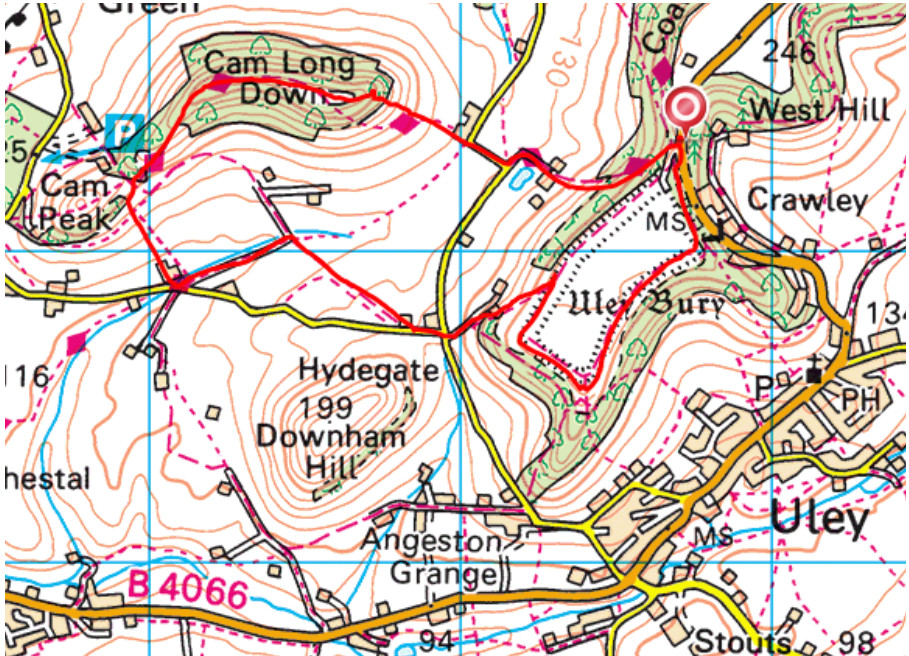
Another quick post, documenting yet another walk. This was only 5.77 km (3.5 miles) with a good 2000 feet of climbing. So it’s a decent prep hike.

Uley Castle itself is an Iron age fort. It is impressively fortified with steep hills and multiple terraces.

DSC_0810

It has views that cover the Severn valley, which is good if you’re watching for marauding armies.

DSC_0829

The hike walks over the hill in the foreground. At this time of year the Cotswold hills are covered in wild-flowers. Unfortunately, it’s also nettle season so one stretch of narrow bridle path was … interesting.DSC_0820
It’s a great place for dogs, as long as you’re careful about livestock. When we visited there were cows grazing in the central area.
DSC_0831
This wide central area was covered in Iron Age dwellings.
DSC_0827

Castle Combe Ring Walk

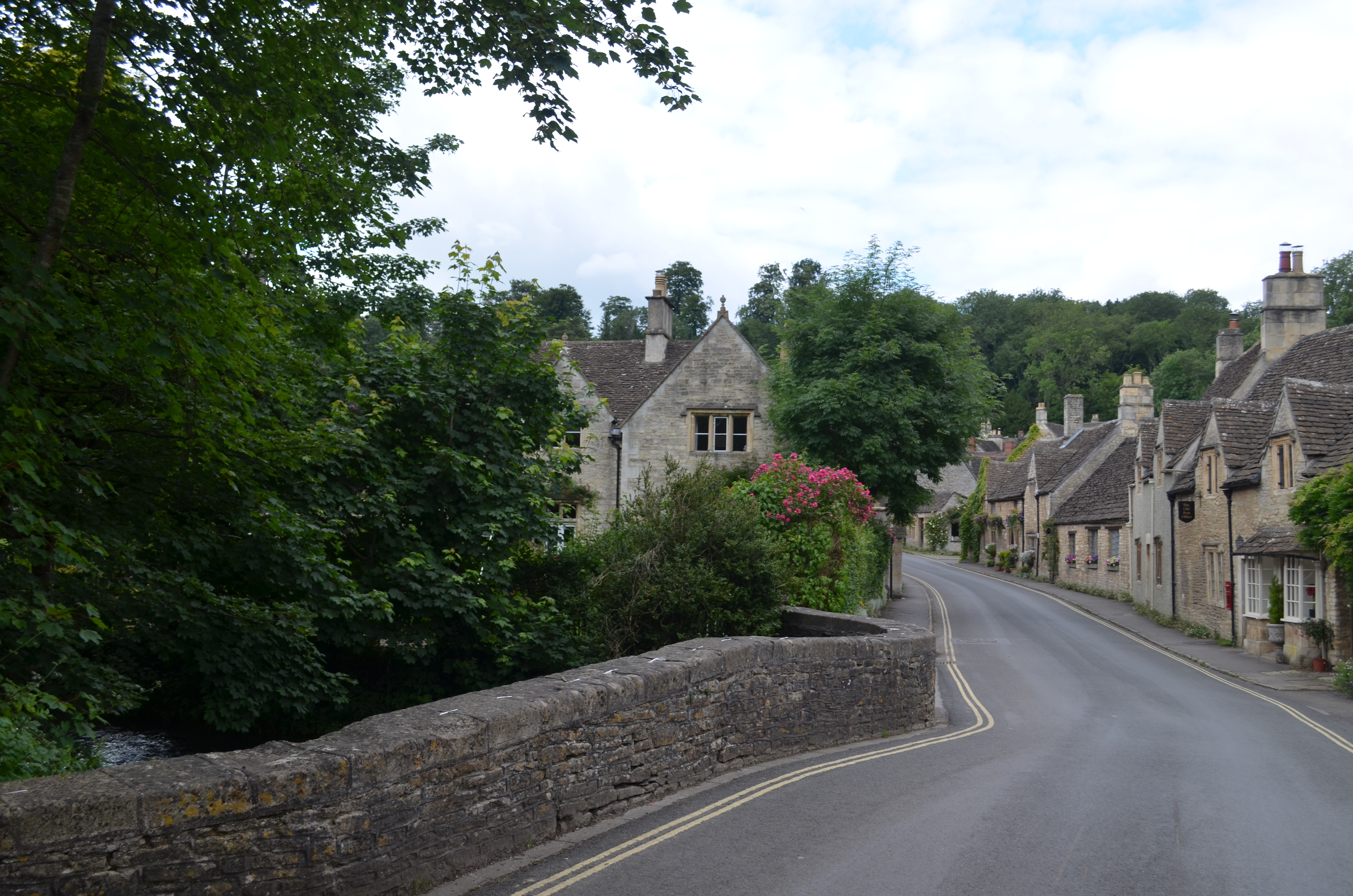
This is a seven and a bit mile (12.2 km) walk around Castle Combe. I’ll talk more about public footpaths later, but this shows what you can do easily.

Castle Combe itself
Castle Combe itself

We actually stayed out of the little village, having seen it before. The walk takes a break at the White Hart about halfway there. A nice pub.

IMGP4128

It follows a number of ancient sunken roads.

IMGP4135

You also get exposed to English farm animals in all their glory and their, ahem, ambiance.

DSC_0791

Lord Emsworth would be pleased.

A Yank’s Guide to the UK, Part 1.

Having invaded the UK this July 4th, I thought I’d post on some of the things that make our motherland, albeit the one we stormed away from different from the USA. Also I’ll give some practical tips. Right now I should add a disclaimer. I’m not responsible for the consequences if you follow them. I repeat, you’re on your own.

This post is about driving.

They drive on the other side of the road. The left, those socialist commies, the left I tell you. Sorry I was channeling my “inner republican.”

But they do drive on the left, and if you are hiring a car it is helpful to know a few tricks.

First, do you need a car? If you are staying in the cities, no. Renting one in London would be exceedingly daft as they have excellent transport and more importantly, huge areas where you need a special permit to drive. Don’t bother. You can get from city to city and to most, but not all, of the touristy spots without your own car.

However, if you’re like us and visiting the non-touristy spots (somehow I doubt my brother and sister in law would appreciate the company) then you’ll need one. Check the deals you can get by booking one when you get your tickets. BA is especially good for this and a car rental with tickets is sometimes cheaper than tickets.

Almost all the cars are manual transmission. I repeat, almost all the cars are manual transmission. You can pay extra for an automatic, but be manly and use the stick. (did I just write that?, yes).  It works very much like it does in the US. Except you use your left hand and remember to reach further left than you think you need to. You’ll find, or at least I do, that the right/left side of the road comes naturally, but there are some gotcha’s.

Turns with islands. You’ll initially want to go down the wrong side. Don’t.

Pedestrians and other road hazards, things like zebra crossings. They’re on the left. You’re used to them being on the right. Make a conscious effort to look in the other side. By the way, not only is it illegal to run down pedestrians, but you have to stop for them. Silly law, but that’s the way it is.

Stop lights. Stop lights go yellow before they turn green. Just like drag strips. It’s good, and I wish they’d do that back home. Of course the idiots in Atlanta would hop the yellow, so perhaps its for the best. The law is to put your car in neutral and set the parking brake when you’re at a stop. The yellow is to tell you to put it in gear. Then expect traffic to shoot off when it turns green. Sort of like at a drag race. By the way, don’t be shocked when your engine stops when you put it out of gear and set the brake. That’s to save petrol, I mean gas.

There is no right turn on red.
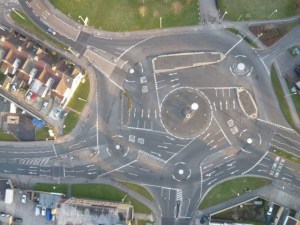
The roundabout from Hell (Swindon)

Traffic circles are ubiquitous. There is a rule for them. The vehicle (including bikes, lorries and other cars) on the circle to the right has the right of way. They mean it. If you’re turning left, be in the left lane (or left side of your lane) with the turn signal set. If you’re going straight don’t set your signal, and if you’re turning right, set the turn signal to the right. Then enter the circle and exit at the right time. If you’re turning right, set the signal to left when it’s time to leave the circle. It is ok to go around if you miss your turn. (Not just Yanks do this.)

Turning across traffic. If it’s light, OK. Otherwise don’t. Go with traffic and use the next roundabout (circle) to go the way you want.

The Motorways have a speed limit of 70, except when they don’t. A-roads, B-roads have 60, and other roads 50. Except when posted otherwise. A-roads are sort of like numbered state highways, B-roads are a little smaller, and the others, well they range from quite decent to little more than an “metalled” (paved) track. A warning, in the country or in National Parks, the A-roads can be one lane wide. It makes driving interesting and fun.

Don’t use your horn. It’s not polite. You can however give them the finger.

Enough for now, we have to drive to Tesco’s to pick up a few supplies.

‘Ta
Peak District #travel #photoblog

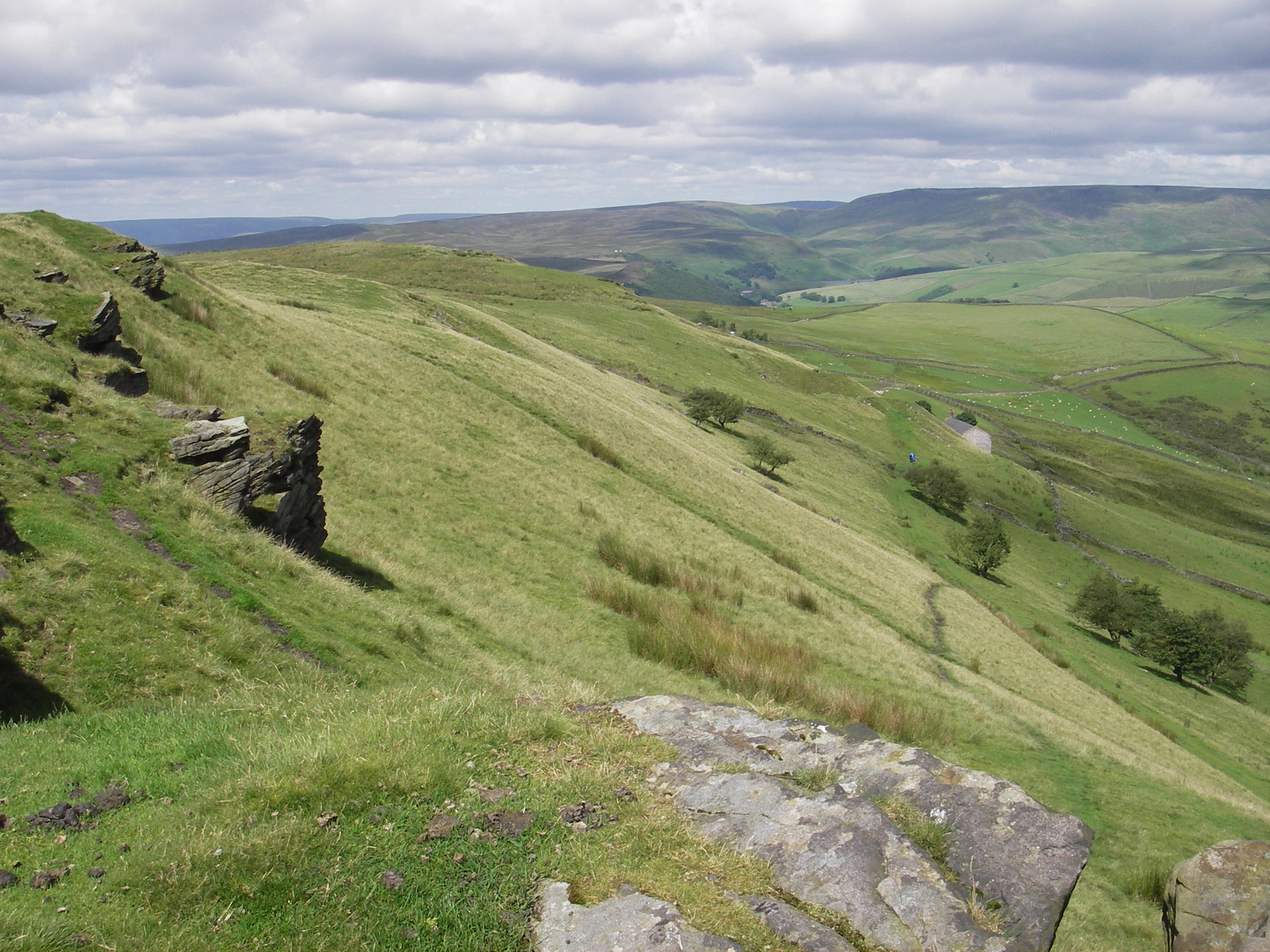
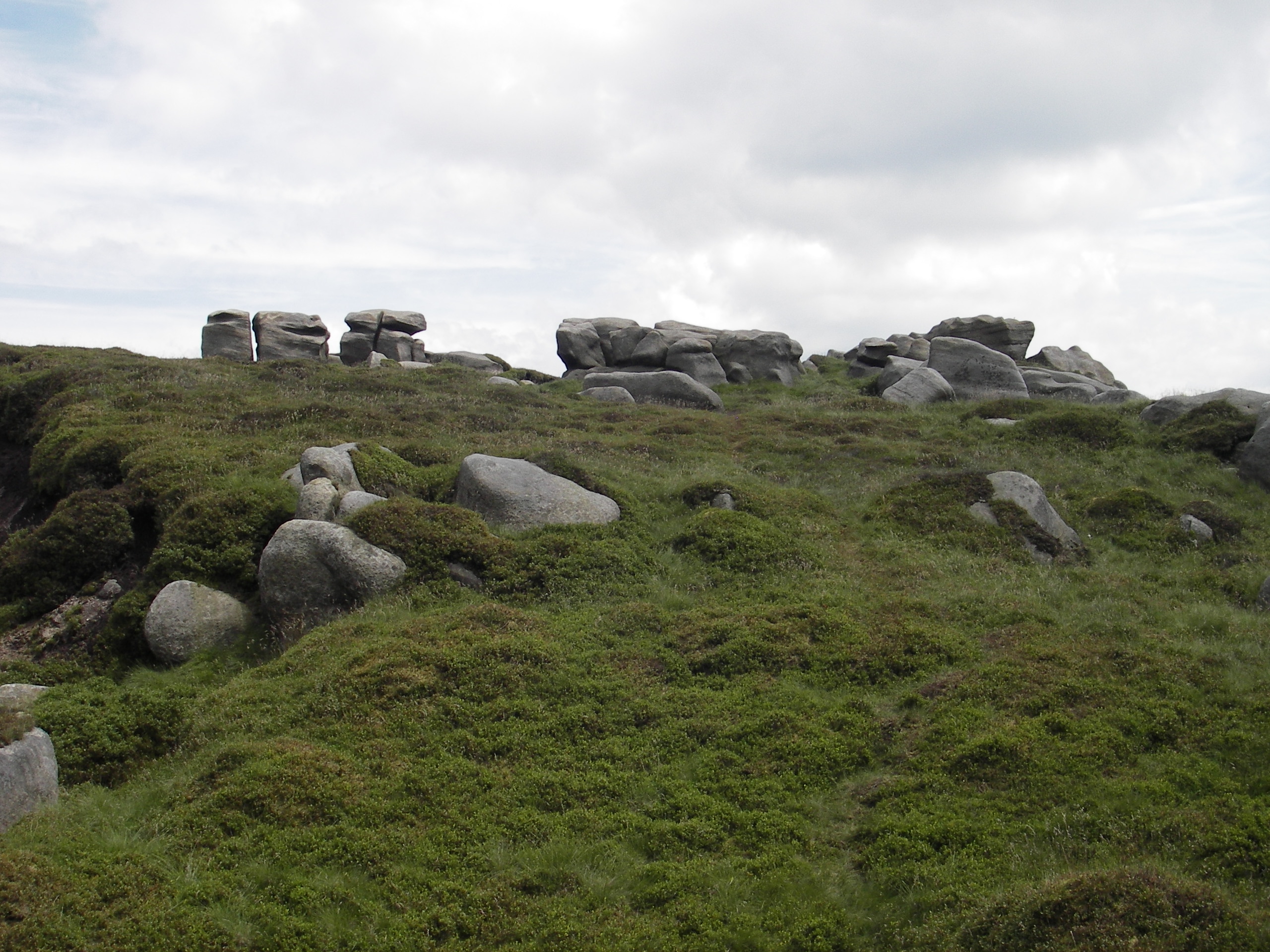
Time to start planning our summer travel again. One place we stayed a few years ago was in the Peak District, where we rented a house in Hayfield. It’s a small town at the foot of the Kinder Scout. Unfortunately I left my really good camera on the kitchen table at my brother-in-laws, so these were taken with a light-weight water proof olympus that does OK.  Wonder if it’s time to book a return visit?
IMGP3717Dusk, walking back from a pub.

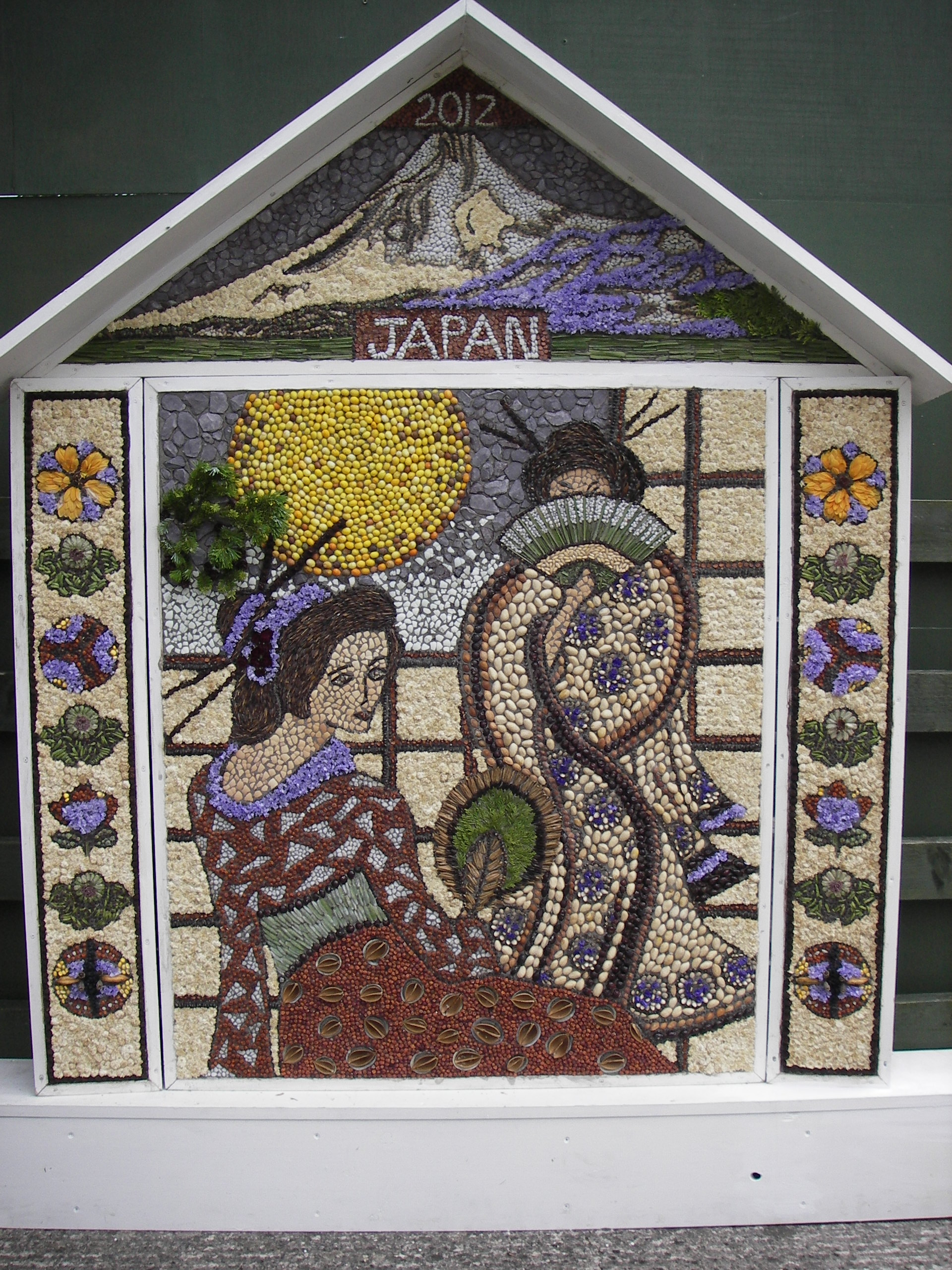
IMGP3787 One of the local customs is “well decorating” and we happened to be at the right time.

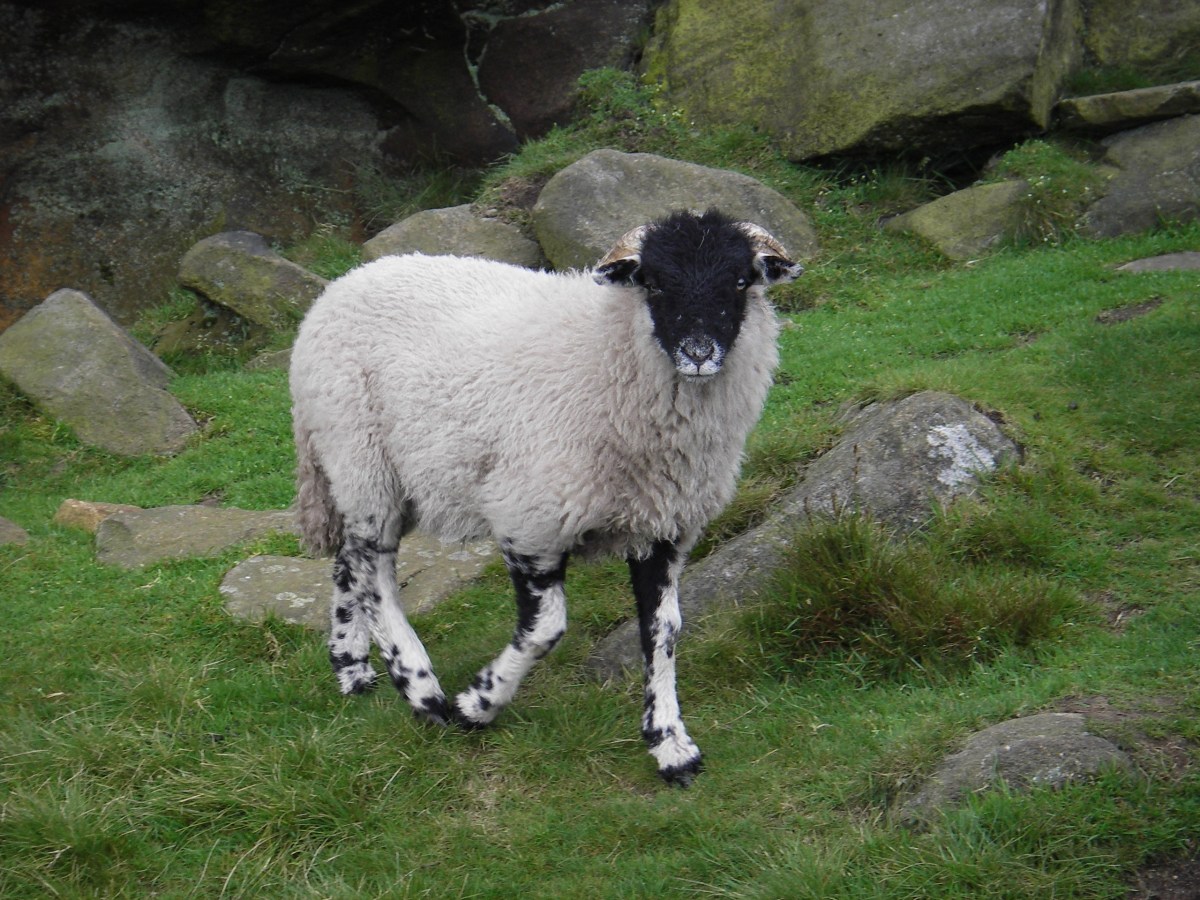
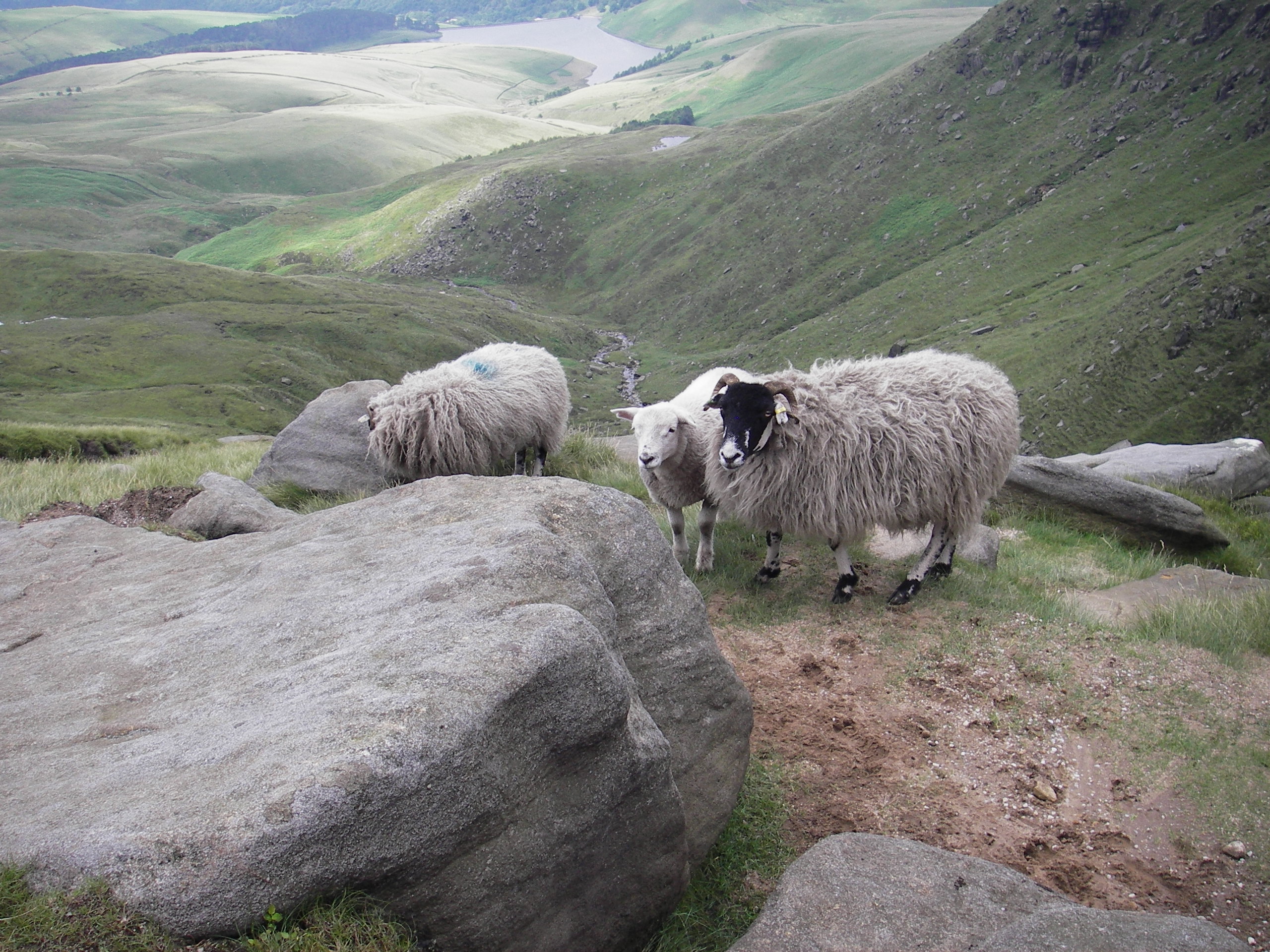
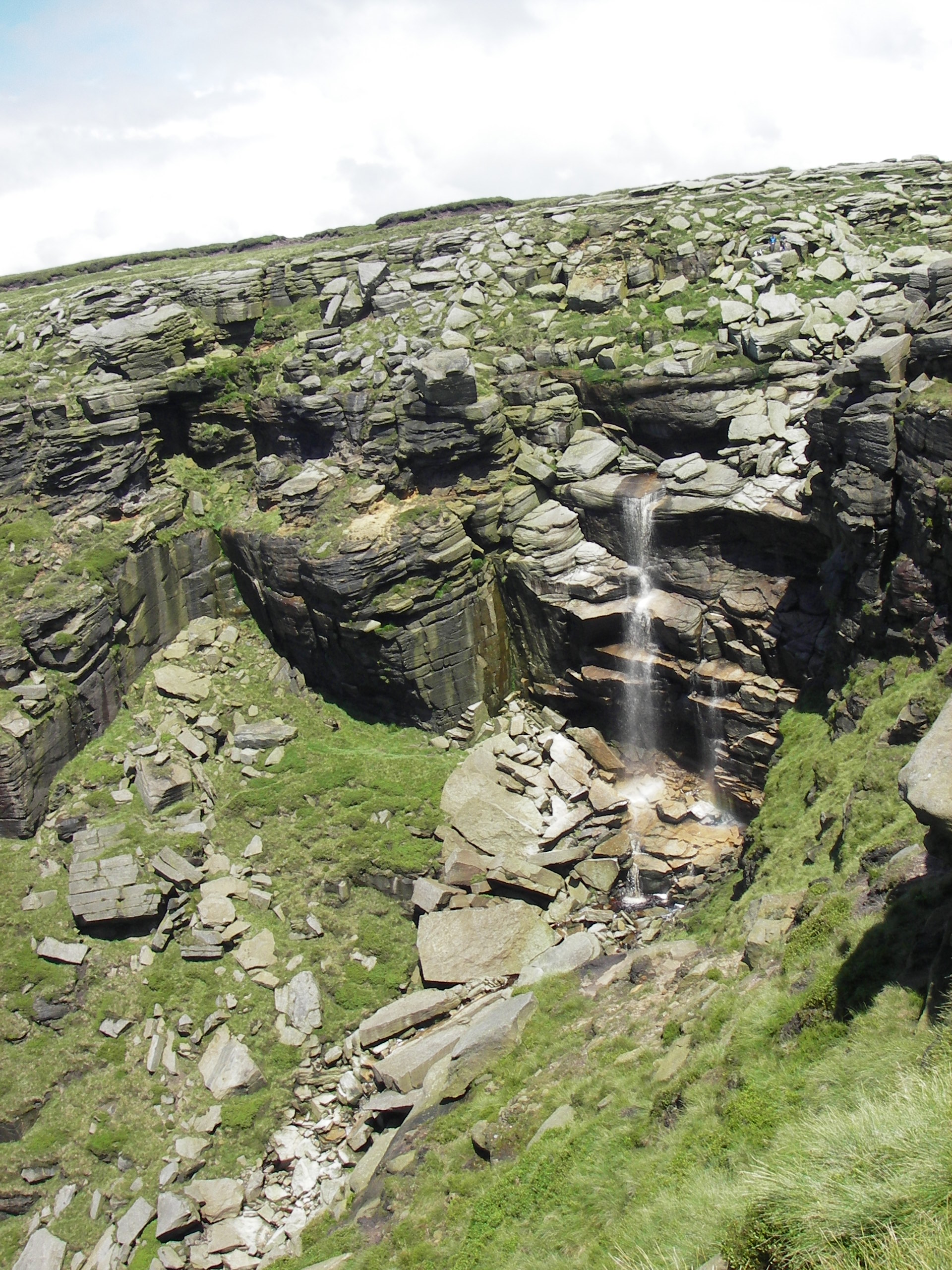
IMGP3754The semi-wild sheep are everywhere, in this case near the falls at Kinder Scout.

IMGP3755It was a dry year, what more can I say?

IMGP3860

IMGP3914

IMGP3876

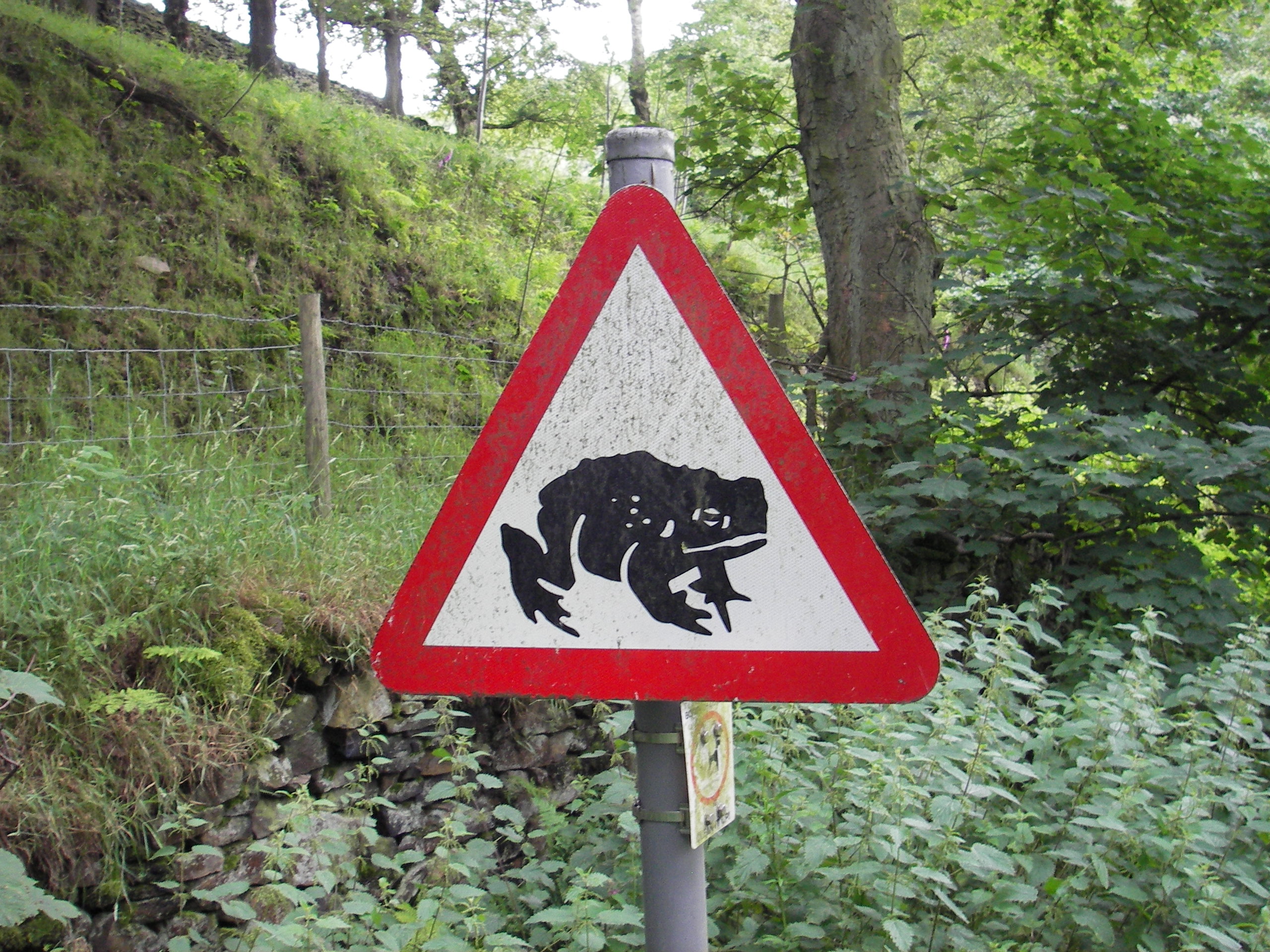
IMGP3931Beware of the Toad.

IMGP3842

IMGP3882

Canal Boating #travel #England

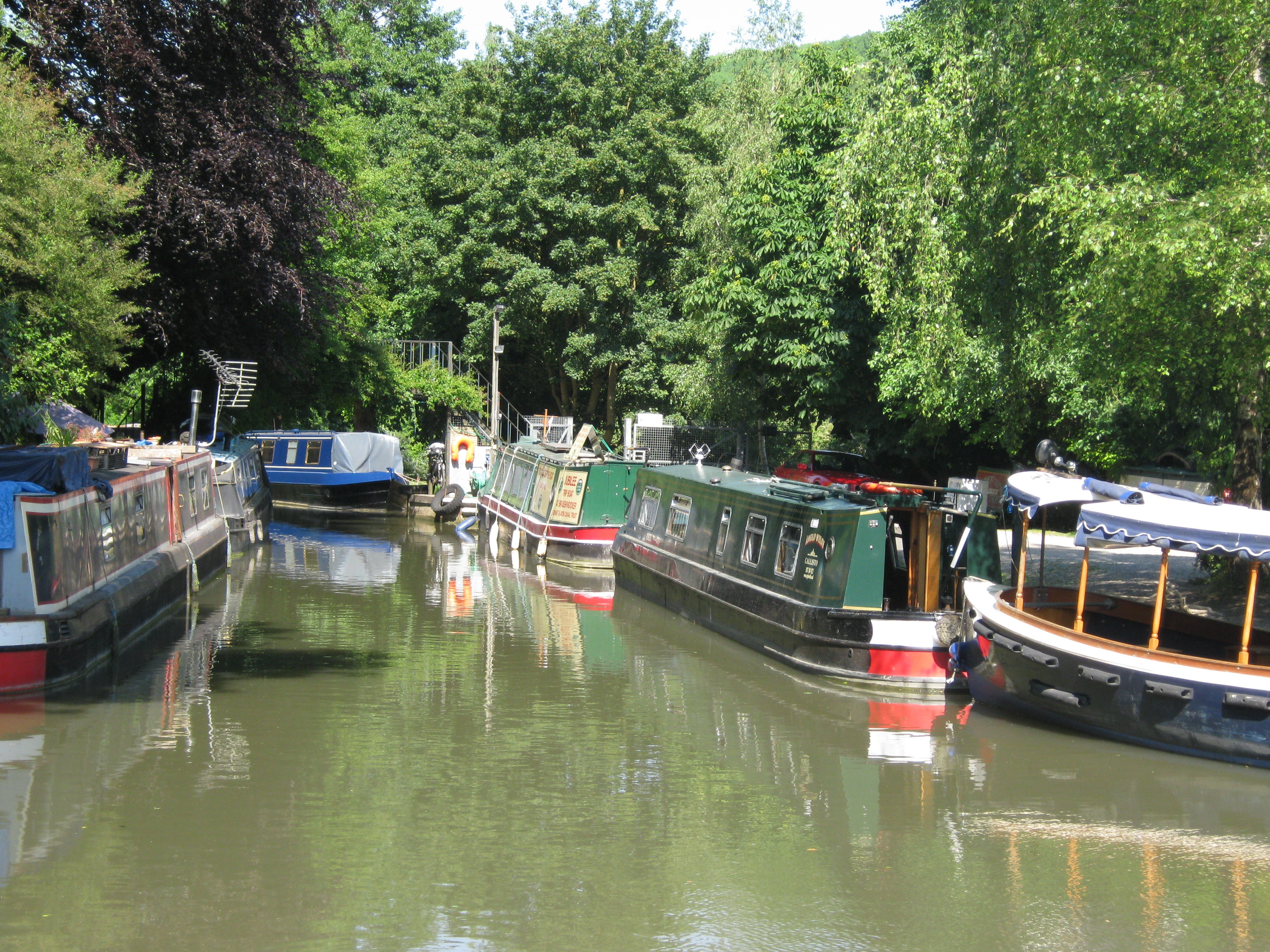
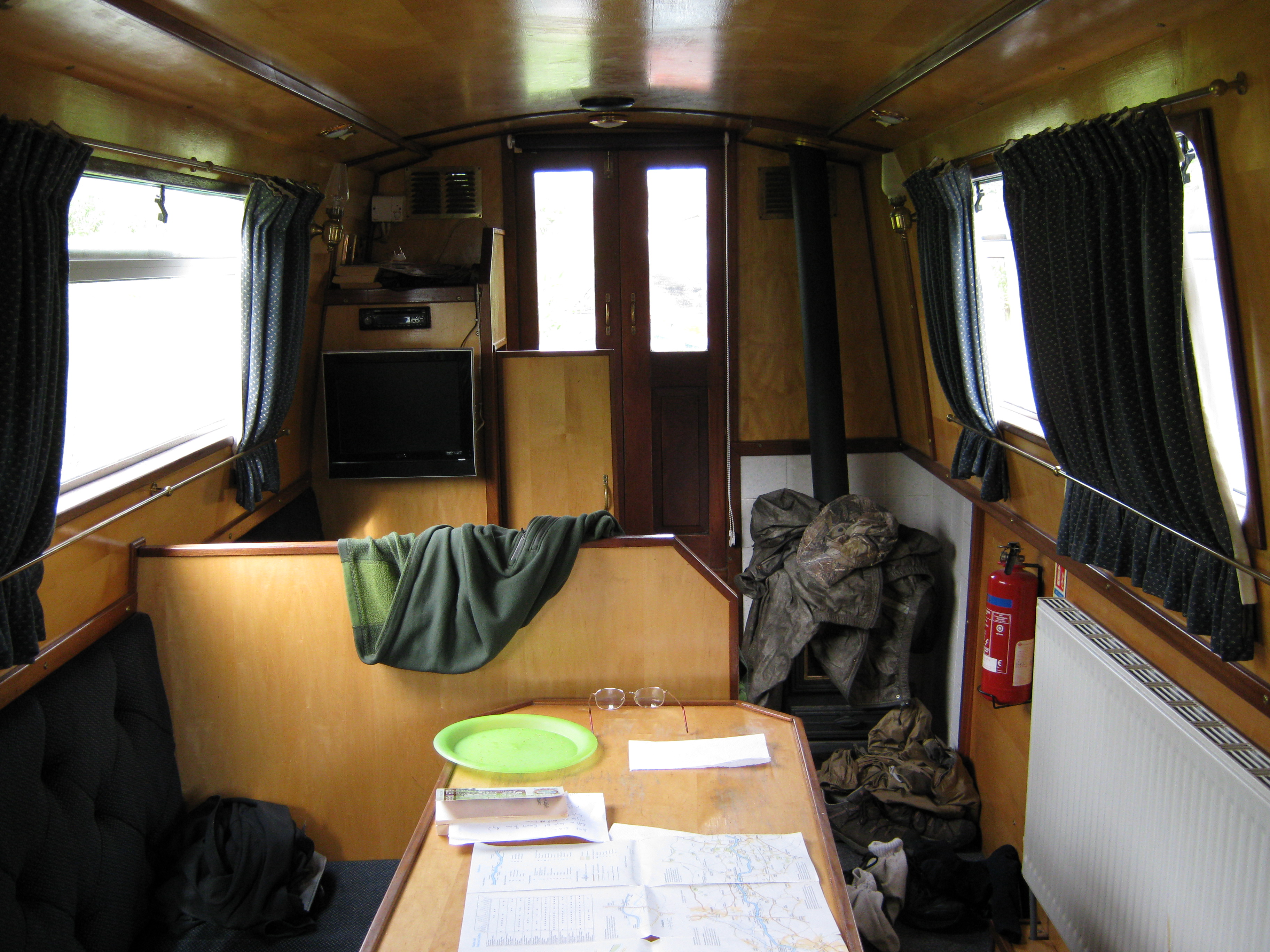
One thing to do in the UK is canal boating. There are several companies that will hire you a narrow boat, give you the fairly minimal training you need to get started, and let you go. We hired one from the Anglo-Welsh hire company and picked it up near Dundas Aqueduct. It wasn’t hard to arrange this from the US.
IMG_0056

The boats are compact, but fully functional and pleasant to live in.
IMG_0186

This shows our first mooring, snugged against the bank.
IMG_0058

You spend a fair bit of time in the country.IMG_0185

IMG_0171

Locks can be interesting.IMG_0081

Slightly scary the first time.IMG_0067

But by the time you’ve done Caen Hill, you’ll be a pro.IMG_0084

Most of the time it’s straightforward. We did run into some difficulty with strong winds one afternoon. (The engines on the narrowboats aren’t exactly powerful and the wind can push the bow around).

It is a fun family trip, though you should be prepared to walk, especially if the locks aren’t far apart.

IMG_0166

I didn’t take many pictures of the towns we passed through (Chippenham, Devizes) mostly because they look like typical English cities. I was also somewhat busy with the mechanics of locks and shopping at the time. The small towns were more interesting.
IMG_0062

IMG_0226

Transylvanian Experimental Neuroscience Summer School.

Should I send them a copy?

Sometimes life imitates art. I just had a message about the Transylvanian Experimental Neuroscience Summer School (TENSS) on my work email. They’re accepting applications. I wonder if Amber should apply?

Frankenkitty

Time for a new pack #MondayBlogs

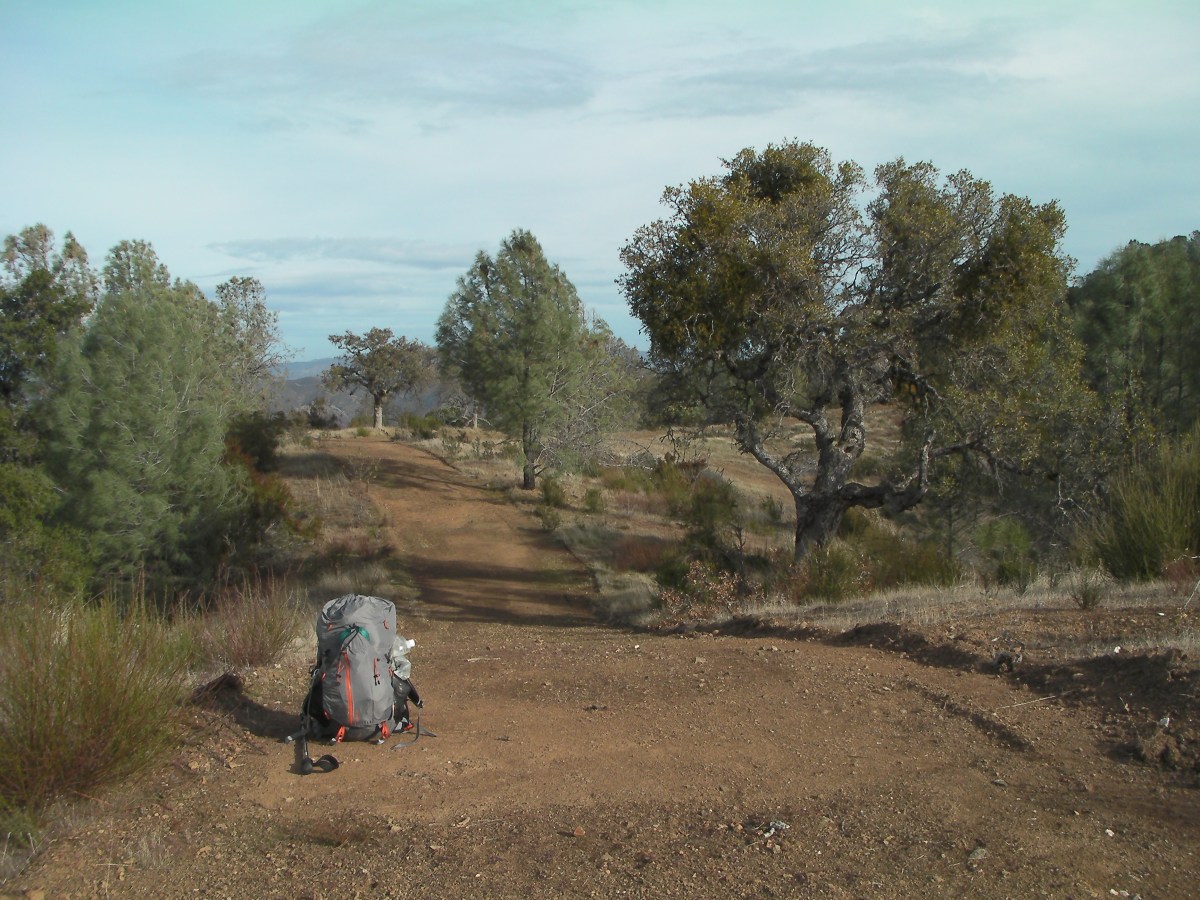
After nearly six years of hard use my trusty REI flash 50 pack has finally broken. It split a seam just before a fun backpacking trip at Pine Mountain State park on Saturday. I must say it held up fine, but it’s time for a new one. Since this is largely a photo blog, I’ll commemorate it with a few photos of its journeys. Nearly every back-country journey I’ve made since then has used it (Philmont excepted). The others used a Mariposa Plus which is also seeing its age. It also was an excellent carry on bag – I could fly for a two-week trip to England with it as carry on. Still met the size requirements unlike those massive rollerbags. Then it served as a daypack, lugging water and cameras up mountains from Wales to Devon and parts in between.

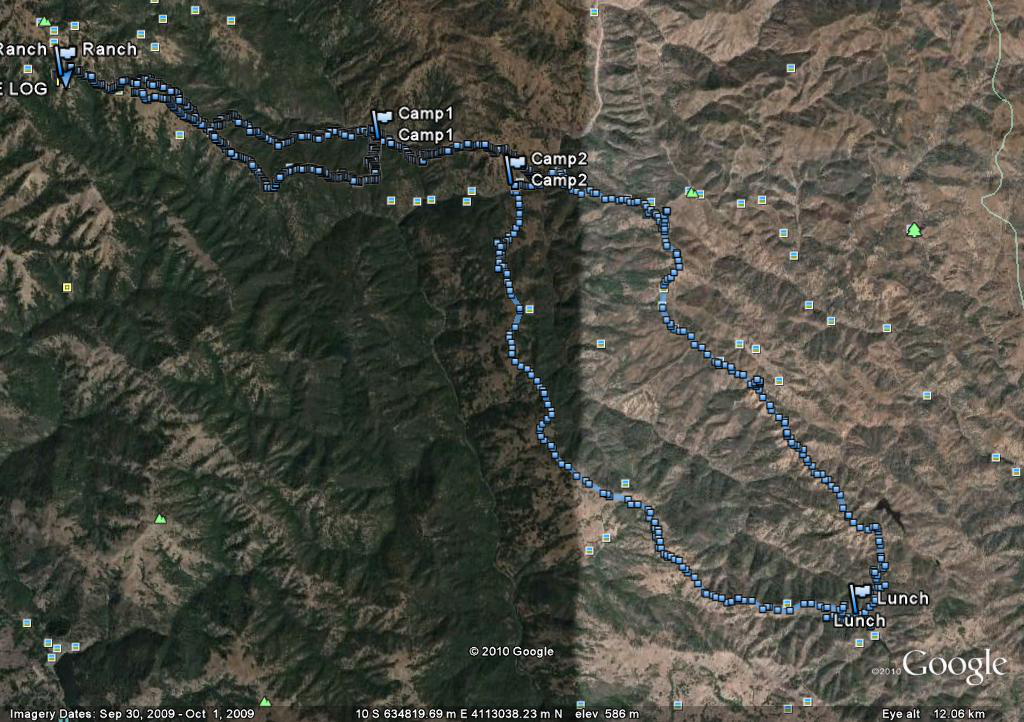
The featured image is from it’s inaugural voyage, a 24 mile weekend at Henry Coe state park. Only a few miles from San Jose, this state park is steep, stark and relatively unused. I was the backpacker one weekend in December.
coe_trip

Other gear, like this Sylon tarp haven’t fared so well. (It leaks in a hard rain).


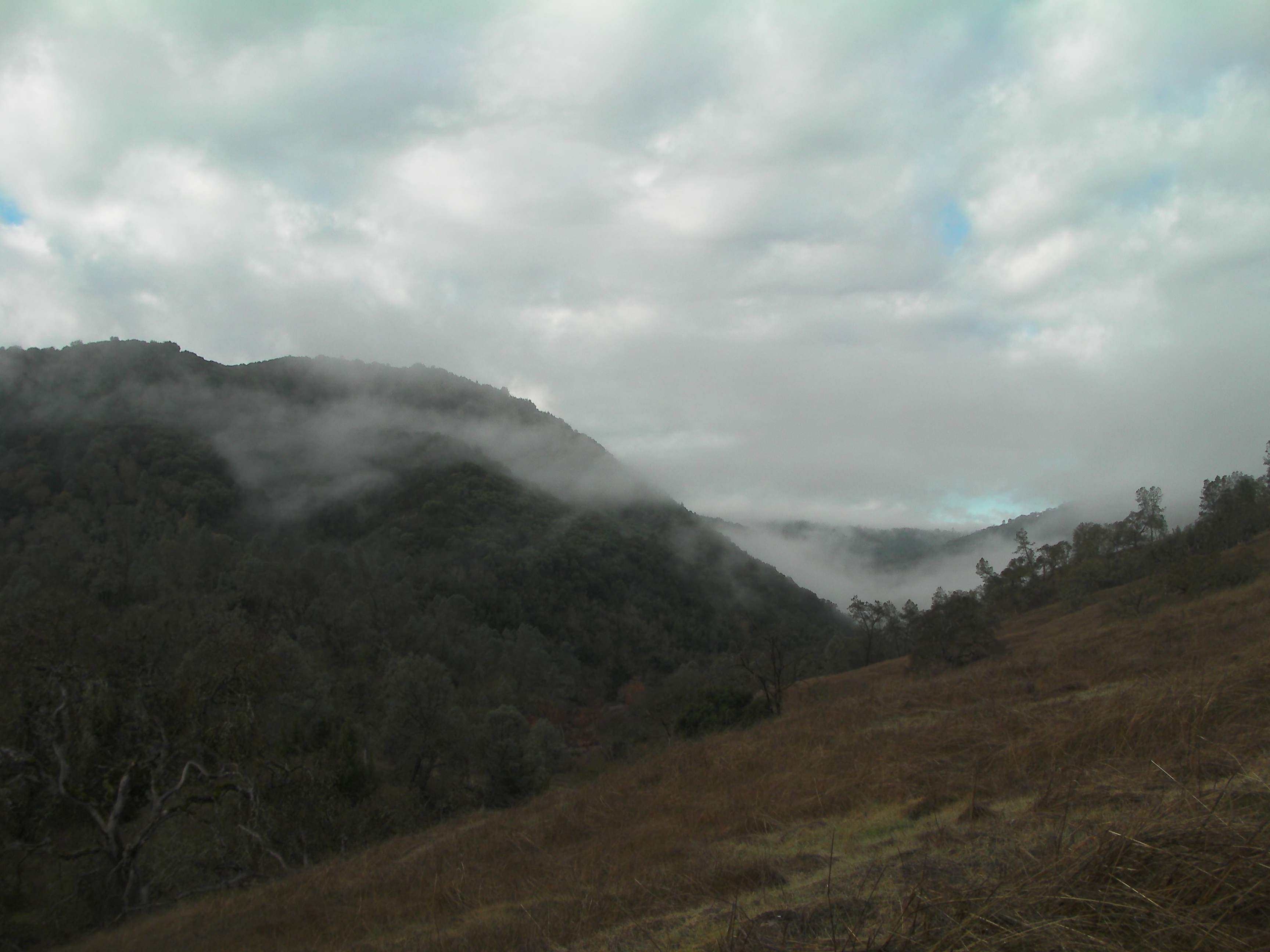
Misty fog filled the valley’s that night

Supporting coastal range newts – these are not lizards, but actual amphibians, living in a surprisingly dry environment.

It’s also a place of great beauty.

I used this pack with the scouts in order to demonstrate that light-weight backpacking did not require expensive equipment. These photos are from another trip to Pine Mountain and show my trailstar (Mountain Laurel designs which is worth its weight in gold.)
IMG_0703

IMG_0701

As a Day pack it’s been to the top of Mount Snowdon
DSC_0675
IMGP3965
This is the “devil’s kitchen” We parked by that lake. The one in the distance.
DSC_0761

The Peak district near Hayfield and Kinder Scout.
IMGP3739

IMGP3757

That is the trail.
IMGP3899

IMGP3910

Dartmoor
DSC_0812

DSC_0795

IMG_1019

Standing Indian (on the AT in North Carolina)
IMG_0862

IMG_0867

IMG_0871

And many others. It will be missed. Bushwhacking like this was never an issue.

IMG_1120