Pastoral

William Carlos Williams, 1883 – 1963

The little sparrows
Hop ingenuously
About the pavement
Quarreling
With sharp voices
Over those things
That interest them.
But we who are wiser
Shut ourselves in
On either hand
And no one knows
Whether we think good
Or evil.

Then again,
The old man who goes about
Gathering dog lime
Walks in the gutter
Without looking up
And his tread
Is more majestic than
That of the Episcopal minister
Approaching the pulpit
Of a Sunday.
These things
Astonish me beyond words.

War and Hell, XVI [I am a great inventor]

Ernest Crosby

I am a great inventor, did you but know it.
I have new weapons and explosives and devices to
substitute for your obsolete tactics and tools.
Mine are the battle-ships of righteousness and integrity—
The armor-plates of a quiet conscience and self-respect—
The impregnable conning-tower of divine manhood—
The Long Toms of persuasion—
The machine guns of influence and example—
The dum-dum bullets of pity and remorse—
The impervious cordon of sympathy—
The concentration camps of brotherhood—
The submarine craft of forgiveness—
The torpedo-boat-destroyer of love—
And behind them all the dynamite of truth!
I do not patent my inventions.
Take them. They are free to all the world.

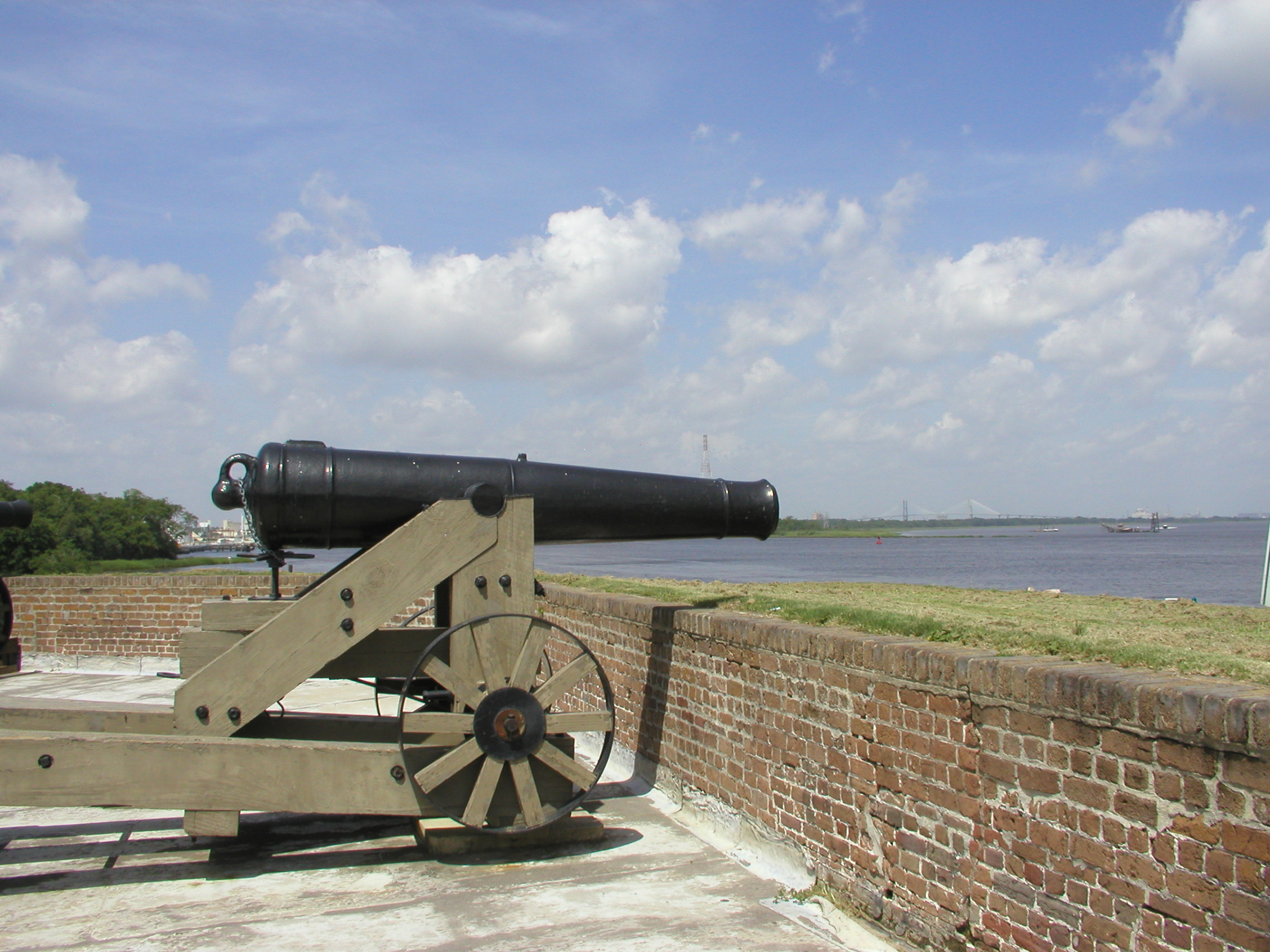
The archways of Fort Pulaski in Savannah remind me of church architecture.

cannon firing An 1840 Field Howizter in action.

Life #Fridayreads

Henrietta Cordelia Ray, 1849 – 1916

Life! Ay, what is it? E’en a moment spun
From cycles of eternity. And yet,
What wrestling ‘mid the fever and the fret
Of tangled purposes and hopes undone!
What affluence of love! What vict’ries won
In agonies of silence, ere trust met
A manifold fulfillment, and the wet,
Beseeching eyes saw splendors past the sun!
What struggle in the web of circumstance,
And yearning in the wingèd music! All,
One restless strife from fetters to be free;
Till, gathered to eternity’s expanse,
Is that brief moment at the Father’s call.
Life! Ay, at best, ’tis but a mystery!

Henry V, Act III, Scene I [Once more unto the breach, dear friends]

William Shakespeare, 1564 – 1616

Once more unto the breach, dear friends, once more;
Or close the wall up with our English dead!
In peace there’s nothing so becomes a man,
As modest stillness and humility;
But when the blast of war blows in our ears,
Then imitate the action of the tiger:
Stiffen the sinews, conjure up the blood,
Disguise fair nature with hard-favoured rage:
Then lend the eye a terrible aspect;
Let it pry through the portage of the head,
Like the brass cannon; let the brow o’erwhelm it
As fearfully as doth a galled rock
O’erhang and jutty his confounded base,
Swill’d with the wild and wasteful ocean.
Now set the teeth and stretch the nostril wide;
Hold hard the breath and bend up every spirit
To his full height. On, on, you noblest English,
Whose blood is fet from fathers of war-proof!
Fathers that, like so many Alexanders,
Have in these parts from morn till even fought,
And sheathed their swords for lack of argument.
Dishonour not your mothers: now attest,
That those whom you call’d fathers did beget you.
Be copy now to men of grosser blood,
And teach them how to war. And you, good yeoman,
Whose limbs were made in England, show us here
The mettle of your pasture: let us swear
That you are worth your breeding; which I doubt not;
For there is none of you so mean and base,
That hath not noble lustre in your eyes.
I see you stand like greyhounds in the slips,
Straining upon the start. The game’s afoot:
Follow your spirit; and upon this charge,
Cry ‘God for Harry! England! and Saint George!’

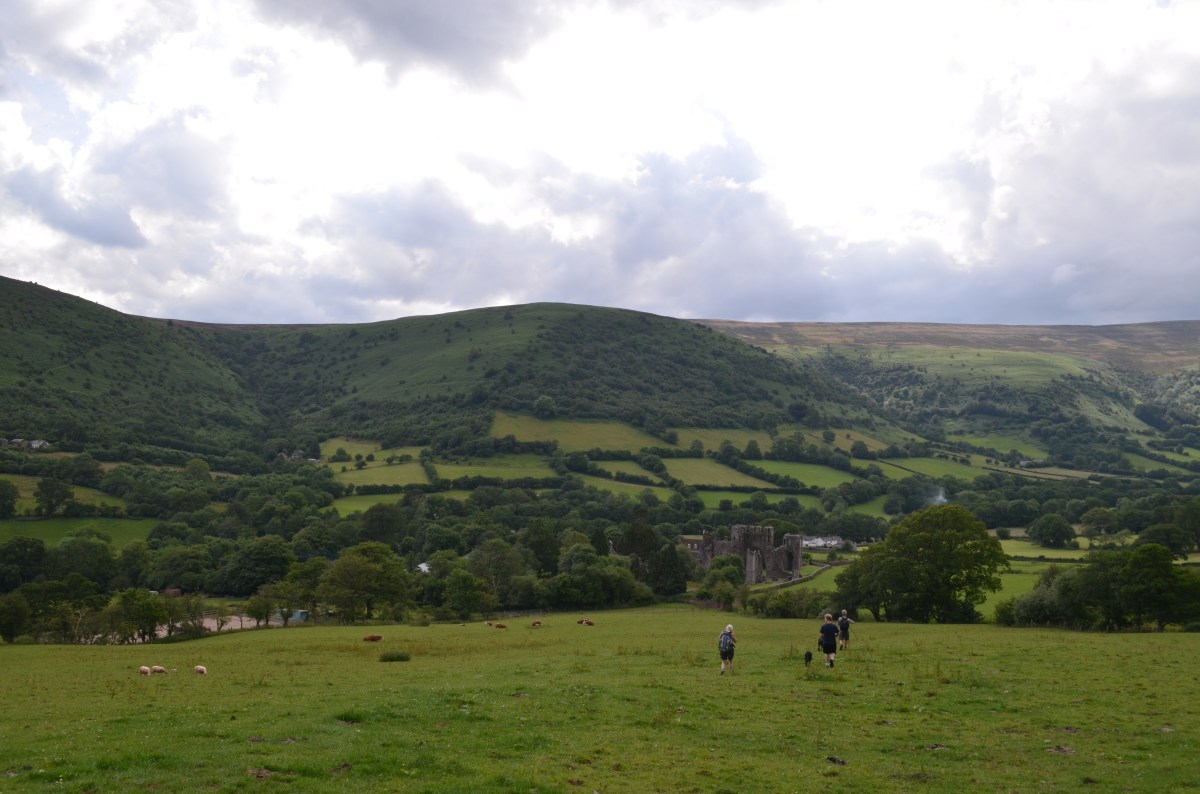
The picture is of Harlech castle, in Wales, not Harfleur, but it gives the right impression. Where I stood when taking this picture was deep water when the castle was built.
The World Is Too Much With Us

William Wordsworth, 1770 – 1850

The world is too much with us; late and soon,
Getting and spending, we lay waste our powers;
Little we see in Nature that is ours;
We have given our hearts away, a sordid boon!
This Sea that bares her bosom to the moon;
The winds that will be howling at all hours,
And are up-gathered now like sleeping flowers,
For this, for everything, we are out of tune;
It moves us not.—Great God! I’d rather be
A pagan suckled in a creed outworn;
So might I, standing on this pleasant lea,
Have glimpses that would make me less forlorn;
Have sight of Proteus rising from the sea;
Or hear old Triton blow his wreathèd horn.

Garden Abstract

Hart Crane, 1889 – 1932

The apple on its bough is her desire,—
Shining suspension, mimic of the sun.
The bough has caught her breath up, and her voice,
Dumbly articulate in the slant and rise
Of branch on branch above her, blurs her eyes.
She is prisoner of the tree and its green fingers.

And so she comes to dream herself the tree,
The wind possessing her, weaving her young veins,
Holding her to the sky and its quick blue,
Drowning the fever of her hands in sunlight.
She has no memory, nor fear, nor hope
Beyond the grass and shadows at her feet.

To E

Sara Teasdale, 1884 – 1933

The door was opened and I saw you there
And for the first time heard you speak my name.
Then like the sun your sweetness overcame
My shy and shadowy mood; I was aware
That joy was hidden in your happy hair,
And that for you love held no hint of shame;
My eyes caught light from yours, within whose flame
Humor and passion have an equal share.

How many times since then have I not seen
Your great eyes widen when you talk of love,
And darken slowly with a fair desire;
How many time since then your soul has been
Clear to my gaze as curving skies above,
Wearing like them a raiment made of fire.

Though, if I’d written this it would be To I.

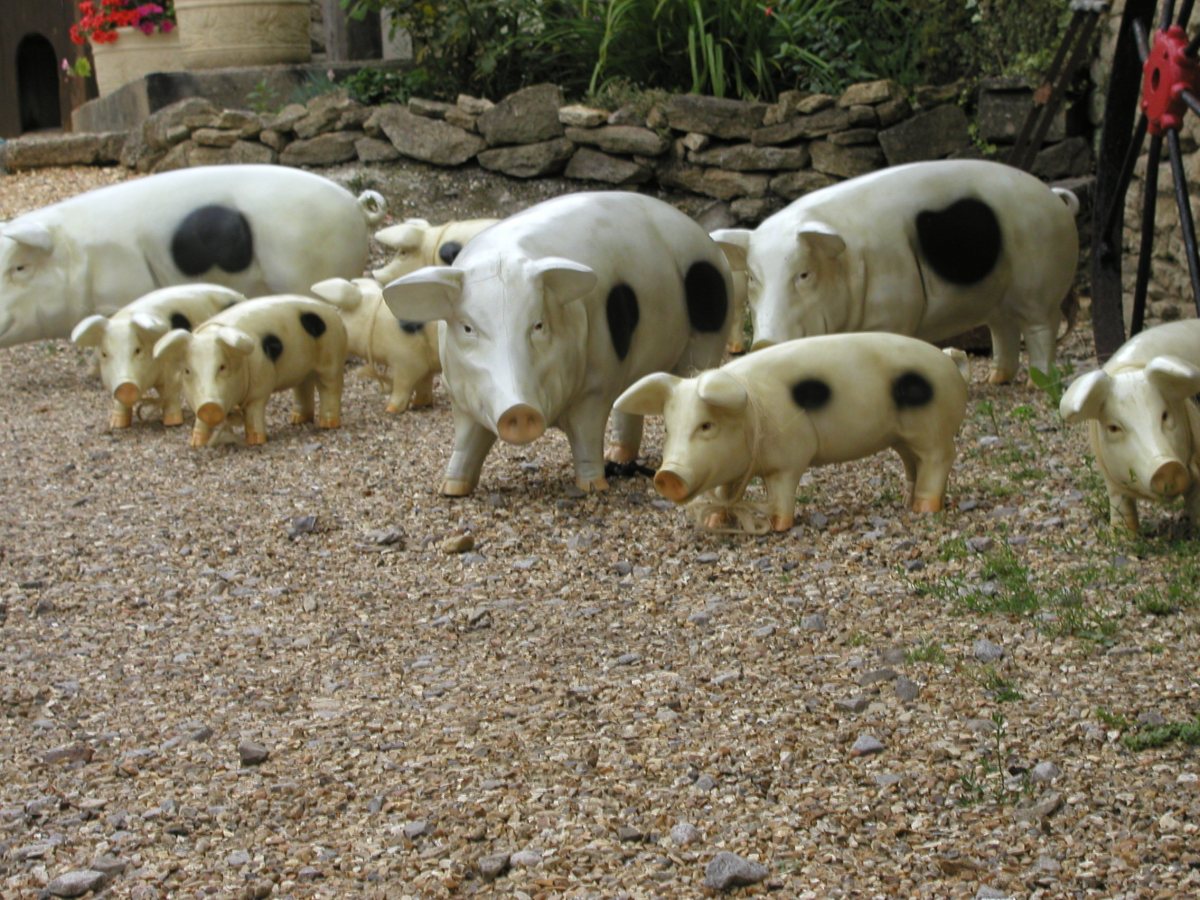
The Lady That Loved a Swine

Anonymous

There was a lady loved a swine,
“Honey!” quoth she;
“Pig-hog, wilt thou be mine?”
“Hoogh!” quoth he.

“I’ll build thee a silver sty,
Honey!” quoth she;
“And in it thou shalt lie!”
“Hoogh!” quoth he.

“Pinned with a silver pin,
Honey!” quoth she;
“That thou mayest go out and in,”
“Hoogh!” quoth he.

“Wilt thou have me now,
Honey?” quoth she;
“Speak, or my heart will break,”
“Hoogh!” quoth he.

The Thinker

William Carlos Williams, 1883 – 1963

My wife’s new pink slippers
have gay pom-poms.
There is not a spot or a stain
on their satin toes or their sides.
All night they lie together
under her bed’s edge.
Shivering I catch sight of them
and smile, in the morning.
Later I watch them
descending the stair,
hurrying through the doors
and round the table,
moving stiffly
with a shake of their gay pom-poms!
And I talk to them
in my secret mind
out of pure happiness.

Actually, my wife detests pink, and prefers striped socks to slippers. This poem is a masterful love-poem, without all that yucky mushy stuff of hearts and cupids. It captures how I feel about her.

Limitations

Henrietta Cordelia Ray, 1848 – 1916

The subtlest strain a great musician weaves,
Cannot attain in rhythmic harmony
To music in his soul. May it not be
Celestial lyres send hints to him? He grieves
That half the sweetness of the song, he leaves
Unheard in the transition. Thus do we
Yearn to translate the wondrous majesty
Of some rare mood, when the rapt soul receives
A vision exquisite. Yet who can match
The sunset’s iridescent hues? Who sing
The skylark’s ecstasy so seraph-fine?
We struggle vainly, still we fain would catch
Such rifts amid life’s shadows, for they bring
Glimpses ineffable of things divine.