Canal Boating #travel #England

One thing to do in the UK is canal boating. There are several companies that will hire you a narrow boat, give you the fairly minimal training you need to get started, and let you go. We hired one from the Anglo-Welsh hire company and picked it up near Dundas Aqueduct. It wasn’t hard to arrange this from the US.
IMG_0056

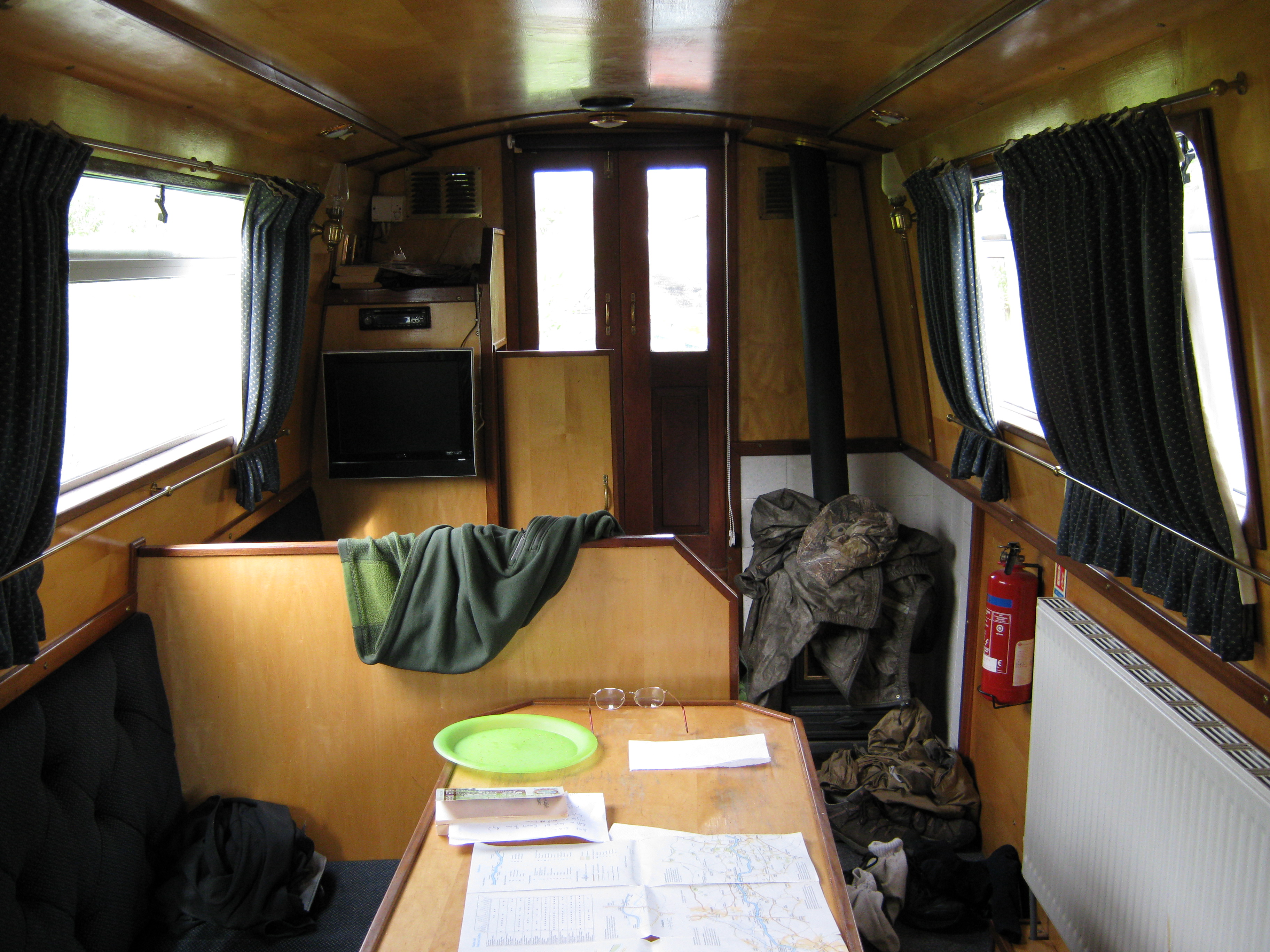
The boats are compact, but fully functional and pleasant to live in.
IMG_0186

This shows our first mooring, snugged against the bank.
IMG_0058

You spend a fair bit of time in the country.IMG_0185

IMG_0171

Locks can be interesting.IMG_0081

Slightly scary the first time.IMG_0067

But by the time you’ve done Caen Hill, you’ll be a pro.IMG_0084

Most of the time it’s straightforward. We did run into some difficulty with strong winds one afternoon. (The engines on the narrowboats aren’t exactly powerful and the wind can push the bow around).

It is a fun family trip, though you should be prepared to walk, especially if the locks aren’t far apart.

IMG_0166

I didn’t take many pictures of the towns we passed through (Chippenham, Devizes) mostly because they look like typical English cities. I was also somewhat busy with the mechanics of locks and shopping at the time. The small towns were more interesting.
IMG_0062

IMG_0226

Oliver the spy.

Historical Research.

I pride myself on being reasonably accurate in my historical fiction. I say reasonably, because I do make mistakes, but never intentionally. It’s quite hard, indeed impossible, to get it right – the way it really was. Simply because there was no ‘the way it was’ and everyone’s experience was their own. The documentation is also contradictory and has to be used with caution.

As an aside, many things that people think are ‘mistakes’ are actually correct – Sir William Knighton, Doctor to the King and the Ton, almost certainly had what could best be described as a poor understanding of disease, physiology and health. So you probably would be better off with a boy scout who has just passed 1st class first aid than the ‘best’ doctor of the age. And, yes, you could get from Bath to London in a day in 1810 – though you did stop to change horses at every stage (roughly every hour).

Those snide comments aside, how do you get it right?

The answer is research.

I’ve been writing a work, set in 1816, later than most of my recent work. Napoleon has been vanquished completely, banished to St. Helena and all is right in the world. Well, no. England, without the stimulus spending of the war, and in the throes of the first industrial revolution, is in dire straits. The government structure is mired in a mixture of medieval and Georgian incompetence. In other words, time was ripe for a revolution.
It really was ripe for reform, where radical ideas like one-man one vote were past due. (Even one propertied man one vote, saying nothing about one-woman one vote).

Unfortunately the government did not like this idea. Not one little tiny bit. And so they came up with an idea that was worthy of a conspiracy theory that would make the speculation about JFK’s assassination or our president’s birth certificate look like pikers. They would use agents to start rebellions, crush the rebellions with military force (had to do something with those soldiers, you know) and use that as an excuse to enact Draconian legislation.

Enter William J Richards or William Oliver. Better known as Oliver the spy. After being released from debtor’s prison, he spent the spring of 1817 travelling around the midlands, setting a pace that would be hard to do with an automobile today, and hitting every reform meeting he could. (When he didn’t stop at Sir John Byng’s regiment to arrange for backup and keep the authorities informed.) Eventually he struck gold, and fomented the Pentridge (Pentrich) rebellion. Oliver was a bit lucky here, had the leader of the Pentridge rebellion been in Nottingham the week before, he would have known Oliver was a spy. It, of course, was crushed – by the 15th Hussars (of Peterloo fame) – and the ring leaders duly hung or transported.

It and related events allowed Parliament to pass the ‘six  acts’ in 1819. Laws that restricted assembly, freedom of speech and other things we take for granted. Even when the laws were vaguely sensible, they had nasty features such as eliminating the need for a search warrant.

The preamble, quoted below, says it all.

 every meeting for radical reform is an overt act of treasonable conspiracy against the King and his government

Thrilling times.

The featured image shows his signed deposition.

Time for a new pack #MondayBlogs

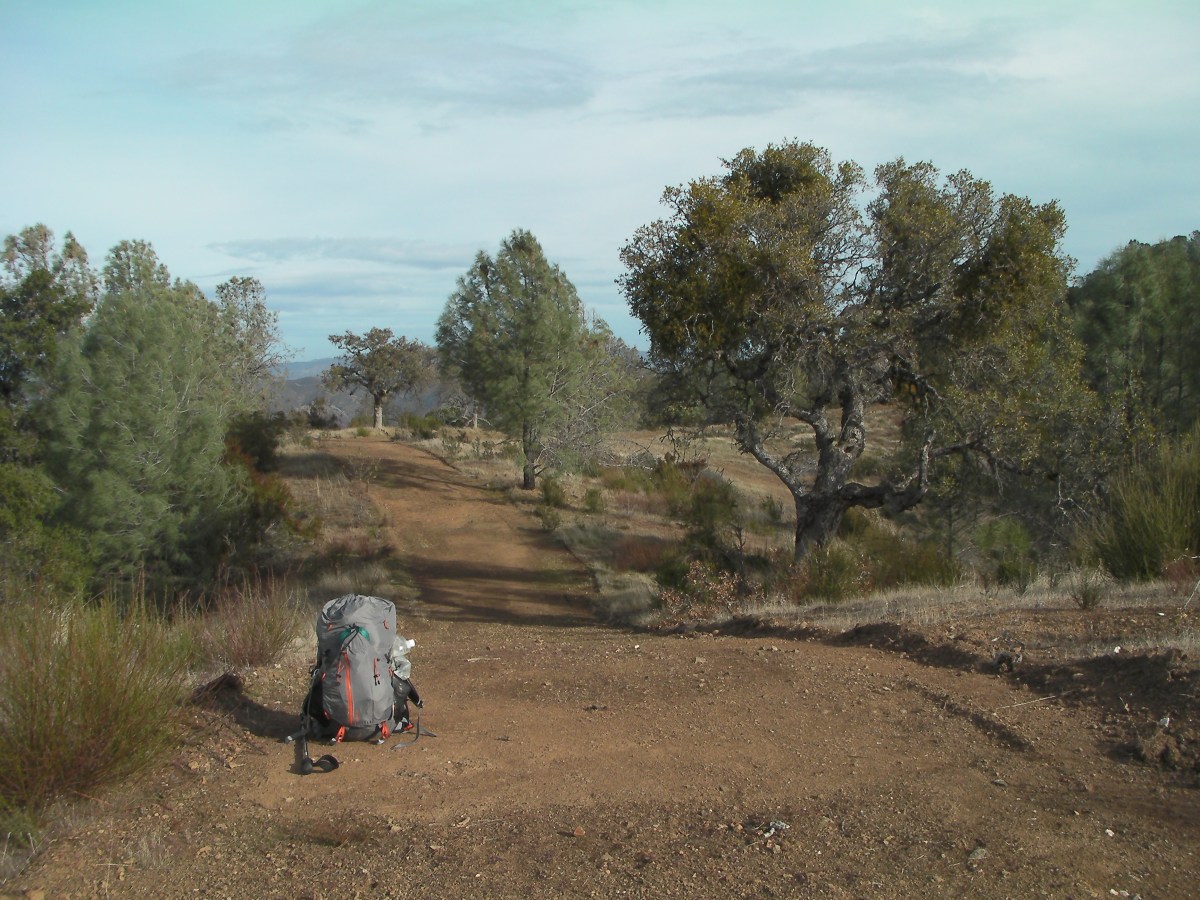
After nearly six years of hard use my trusty REI flash 50 pack has finally broken. It split a seam just before a fun backpacking trip at Pine Mountain State park on Saturday. I must say it held up fine, but it’s time for a new one. Since this is largely a photo blog, I’ll commemorate it with a few photos of its journeys. Nearly every back-country journey I’ve made since then has used it (Philmont excepted). The others used a Mariposa Plus which is also seeing its age. It also was an excellent carry on bag – I could fly for a two-week trip to England with it as carry on. Still met the size requirements unlike those massive rollerbags. Then it served as a daypack, lugging water and cameras up mountains from Wales to Devon and parts in between.

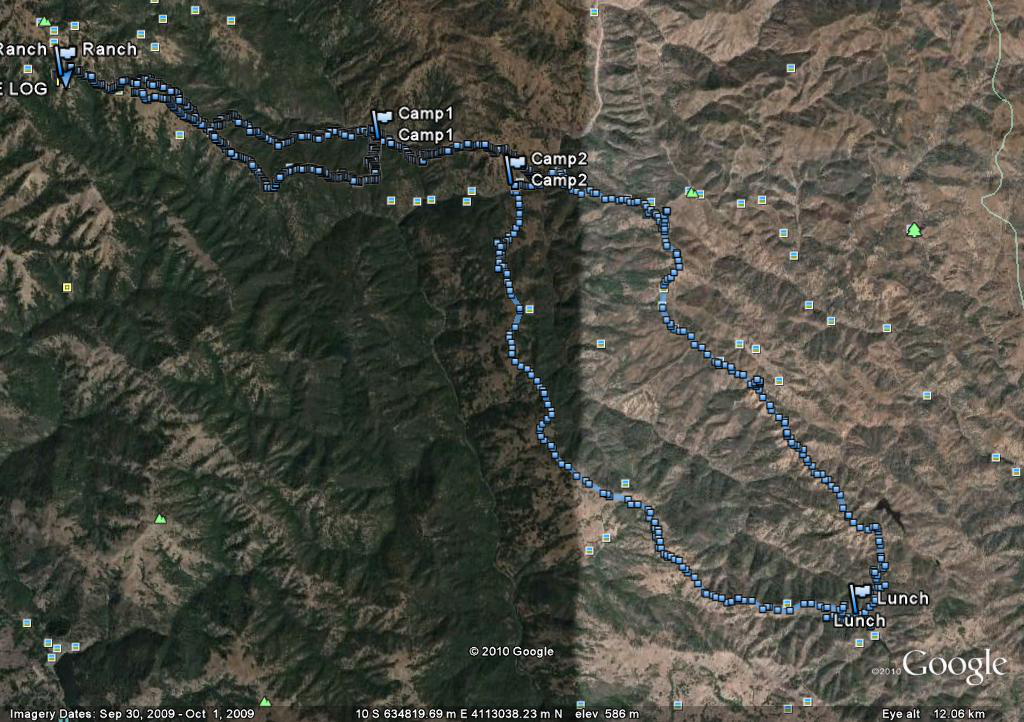
The featured image is from it’s inaugural voyage, a 24 mile weekend at Henry Coe state park. Only a few miles from San Jose, this state park is steep, stark and relatively unused. I was the backpacker one weekend in December.
coe_trip

Other gear, like this Sylon tarp haven’t fared so well. (It leaks in a hard rain).


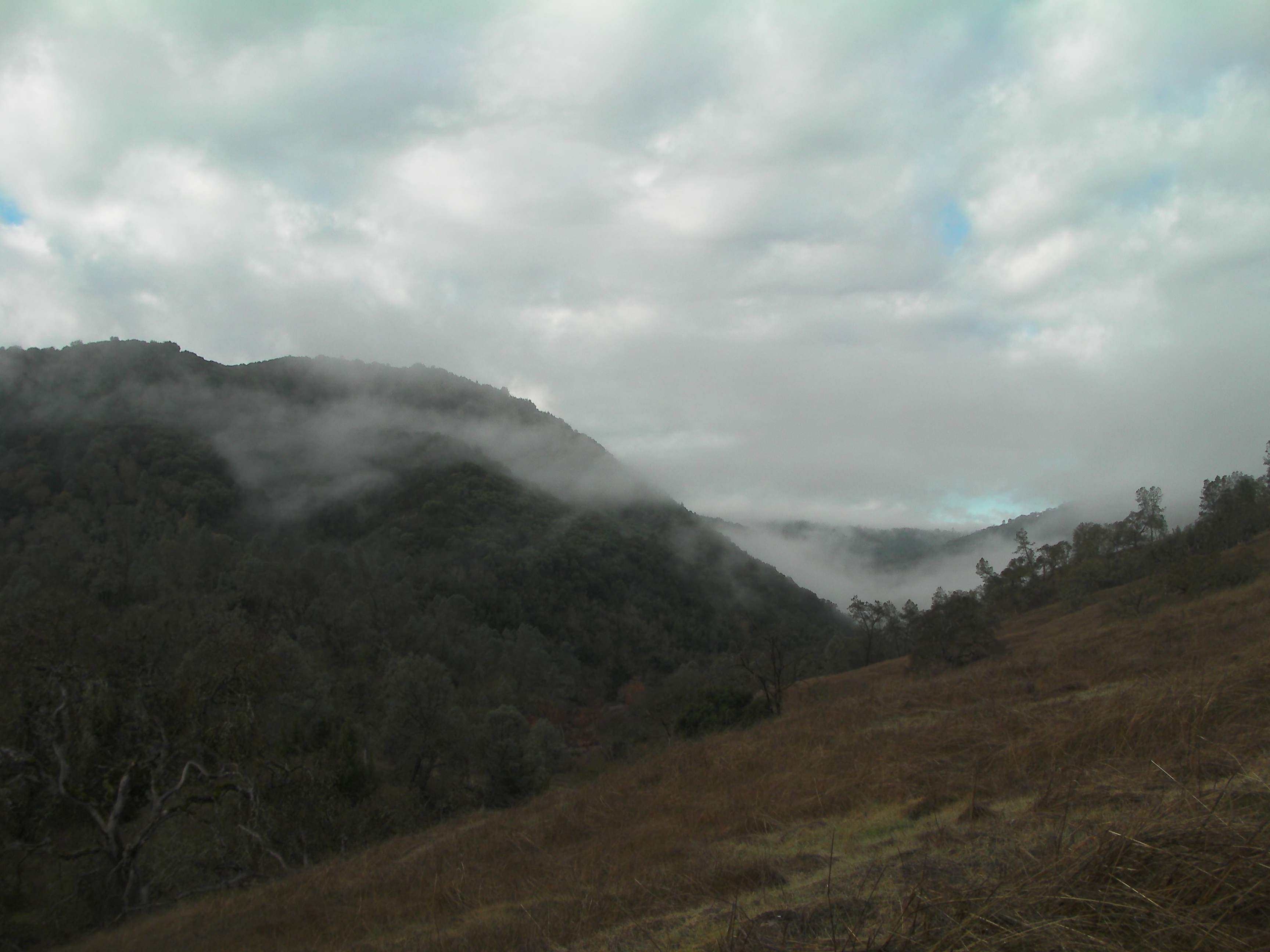
Misty fog filled the valley’s that night

Supporting coastal range newts – these are not lizards, but actual amphibians, living in a surprisingly dry environment.

It’s also a place of great beauty.

I used this pack with the scouts in order to demonstrate that light-weight backpacking did not require expensive equipment. These photos are from another trip to Pine Mountain and show my trailstar (Mountain Laurel designs which is worth its weight in gold.)
IMG_0703

IMG_0701

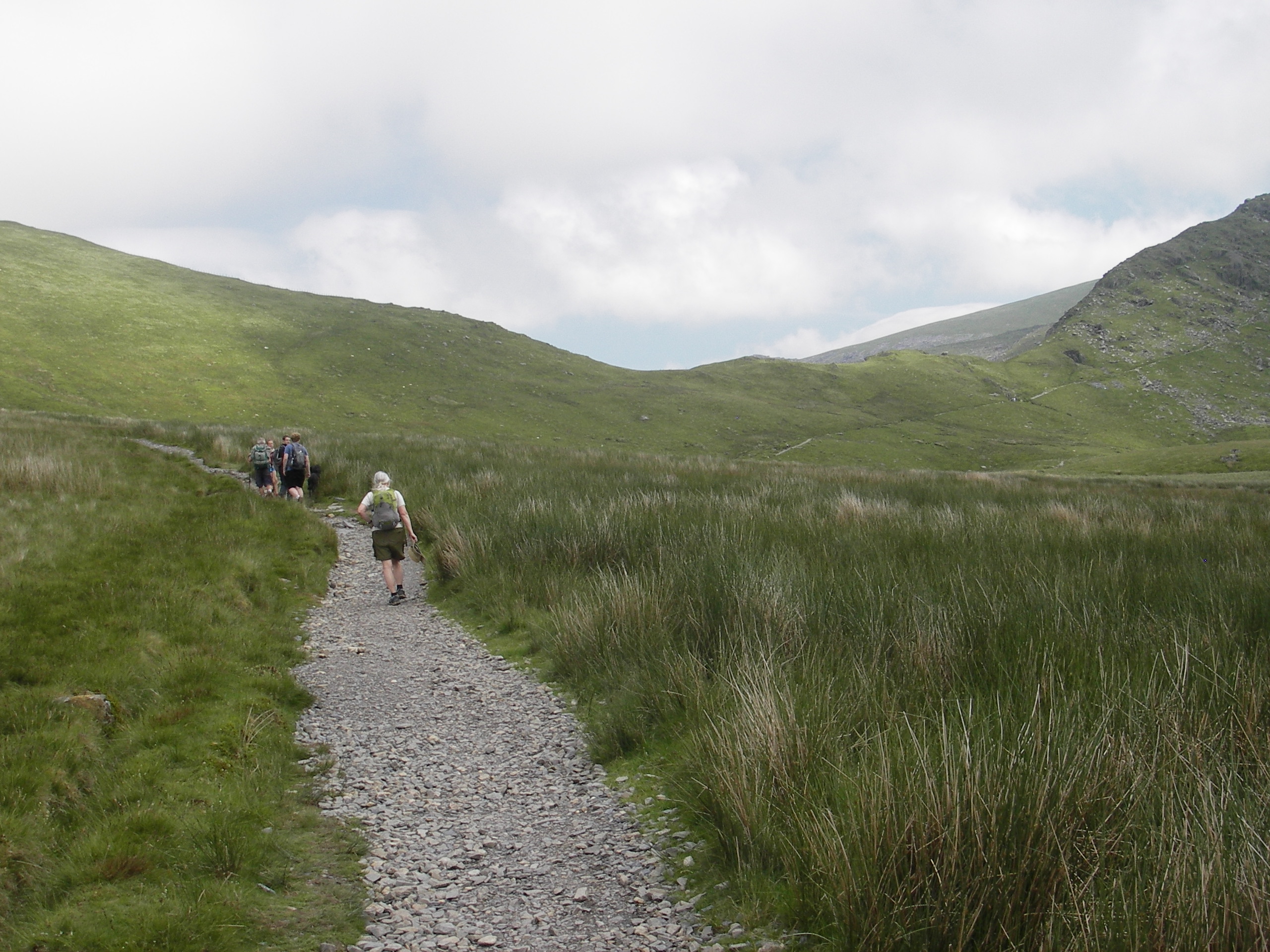
As a Day pack it’s been to the top of Mount Snowdon
DSC_0675
IMGP3965
This is the “devil’s kitchen” We parked by that lake. The one in the distance.
DSC_0761

The Peak district near Hayfield and Kinder Scout.
IMGP3739

IMGP3757

That is the trail.
IMGP3899

IMGP3910

Dartmoor
DSC_0812

DSC_0795

IMG_1019

Standing Indian (on the AT in North Carolina)
IMG_0862

IMG_0867

IMG_0871

And many others. It will be missed. Bushwhacking like this was never an issue.
IMG_1120

Tyndale Monument #photopost #England

This is not too far from Bristol or the thriving metropolis of Yate, not to mention Frampton Cotterell or Chipping Sodbury. We’ve visited it a couple of times with my brother-in-law. I was reminded of it when watching a DVD of “Sherlock Vol 3, his last bow” where it flashes by in the background near the end. You can also see it from the M5, but it’s better to walk there.

William Tyndale, himself, is something of a hero of mine. He was one of the first translators of the bible into English – pre King James. His work started the focus, in English, of going back to the original texts. This was at a time when the Catholic Church didn’t want people to think for themselves, and had the force to do something about it. He was executed in 1536, before completing his work. His work, printed in Antwerp, was banned, confiscated, and destroyed during and after his life. Still, smuggled in water-tight compartments in wine casks, as individual sheets in bales of cloth, or in secret compartments in otherwise normal commerce, his (and other’s) translations continued to make life difficult for those who would repress individual thought.

In addition to being a martyr for religious freedom, he’s an example of why we do not want religion and state mixed.

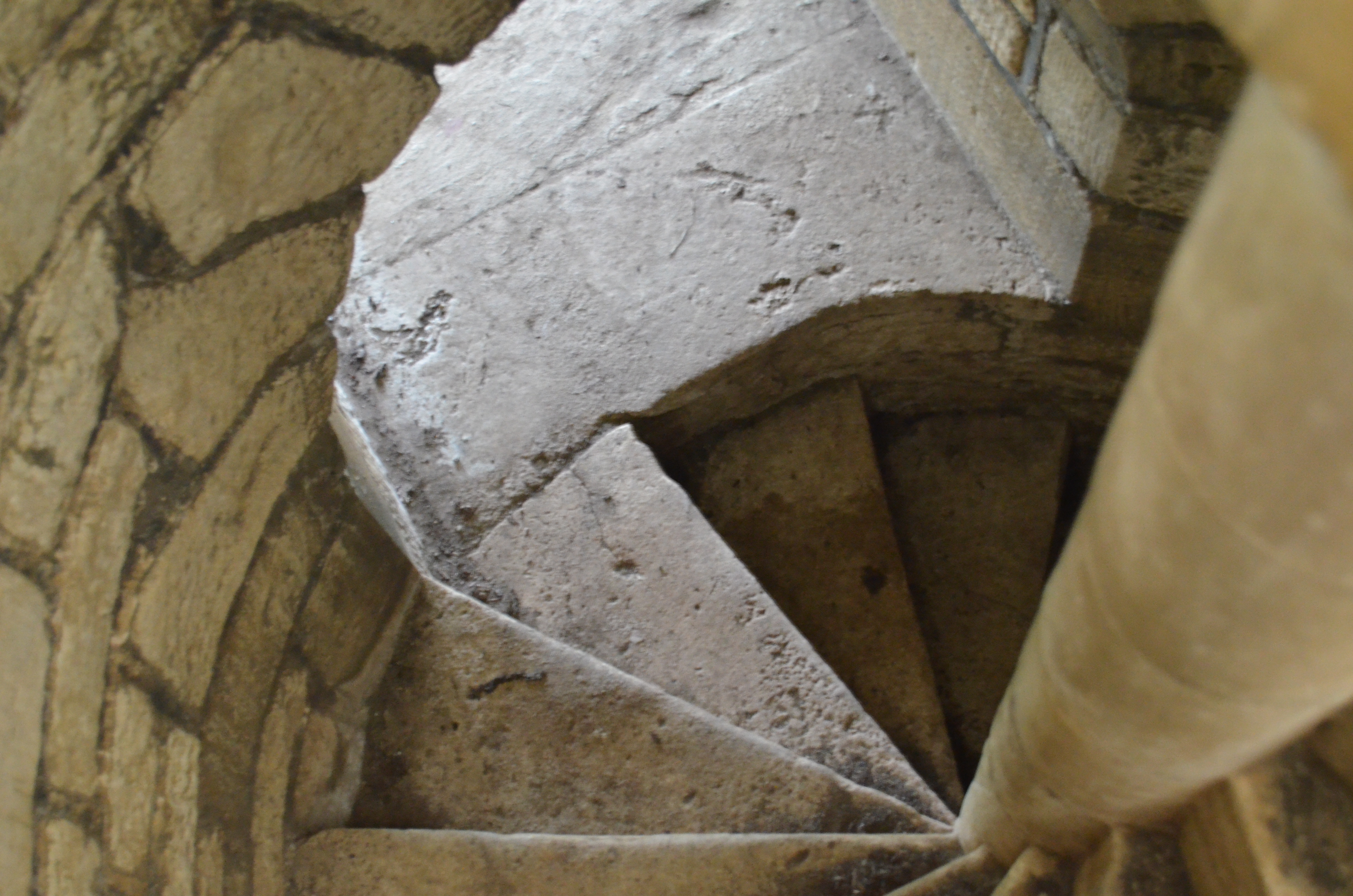
After making a donation for the upkeep, we ascended the spiral staircase to the top.
DSC_0130

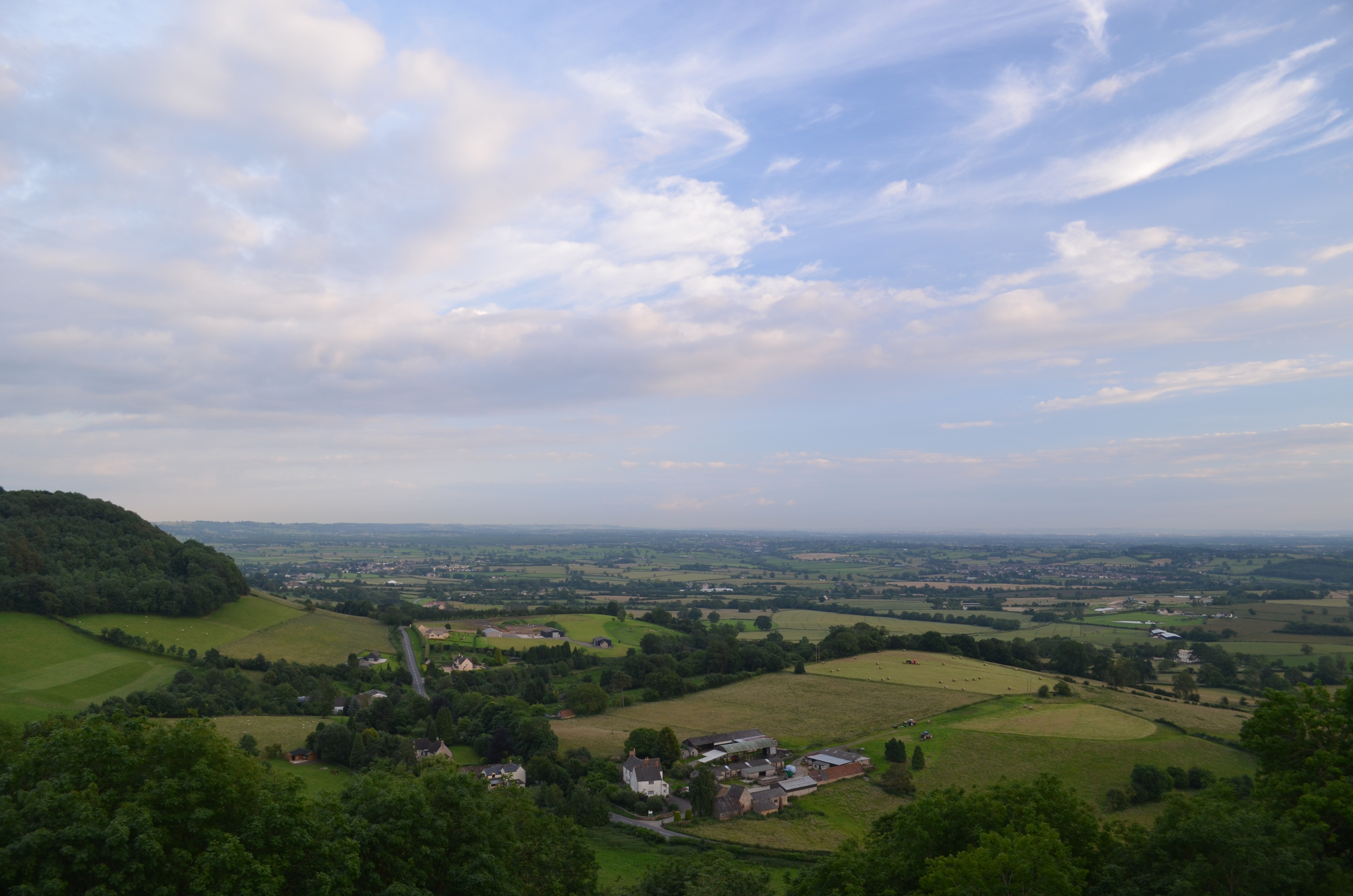
This view shows the valley below and the other scene from the Sherlock episode is in it (The white blob in the distance.)
DSC_0132

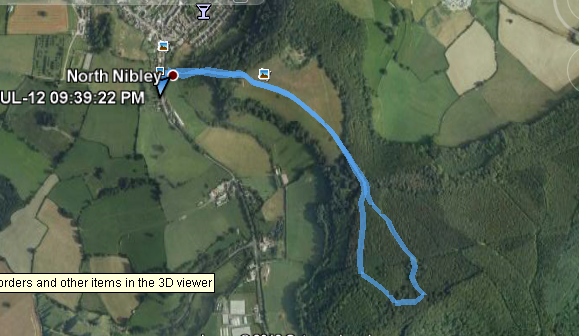
This map shows one of the walks we took. It climbs a staircase from North Nibley. The top of the down is criss-crossed in footpaths and we’ve more often parked at the other end. Parking here is the shortest and easiest way to the monument.
nibley

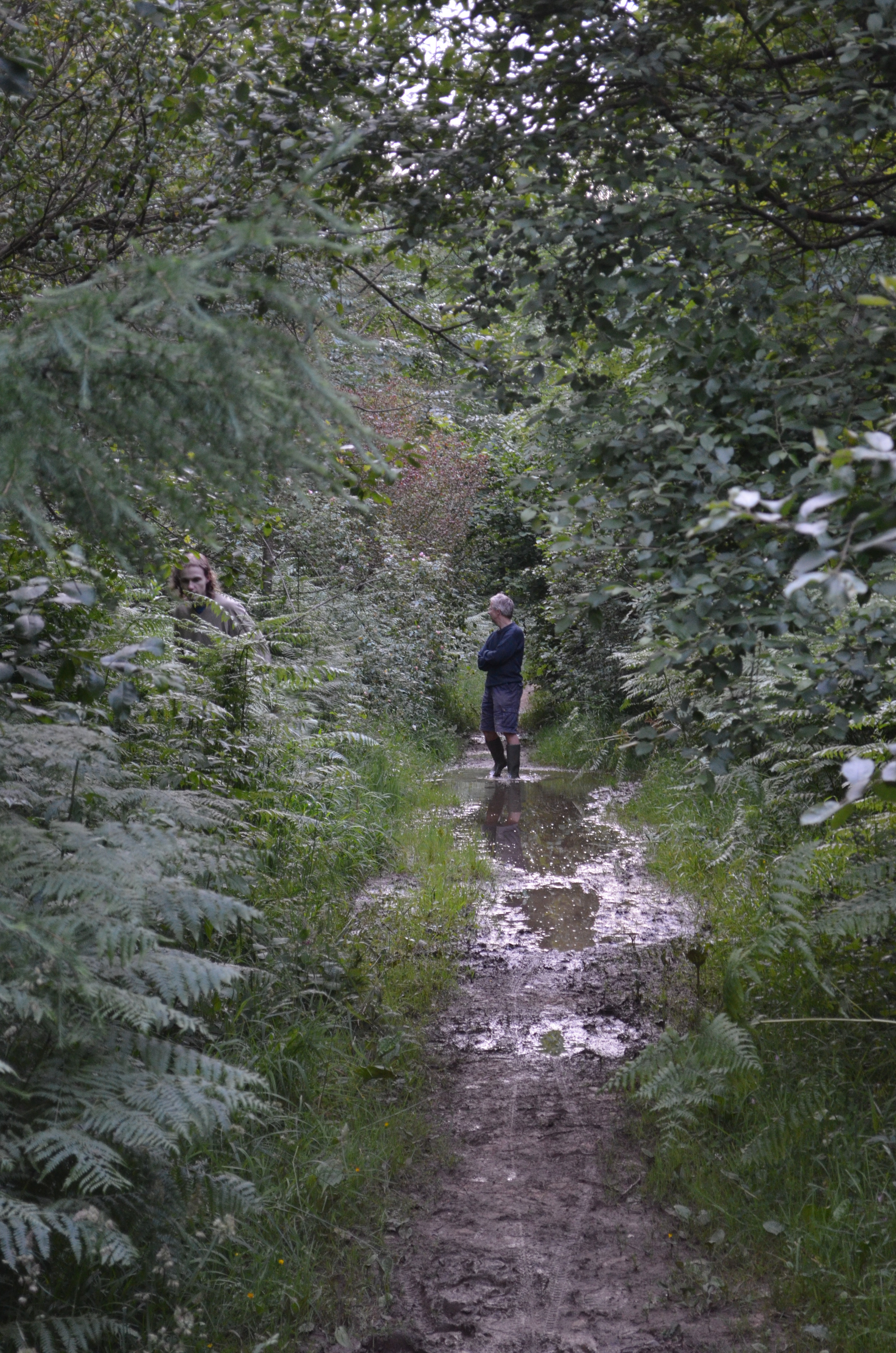
That summer was a bit mucky, so wellies (UK solution) or sandals (Closed toe Keens, my solution, since a little mud never harmed anyone) were a good idea.
DSC_0141

The top of the down also houses a neolithic or iron age fort. It’s slowly being uncovered.  You can see this in the map as well.
DSC_0146

Lacock Abbey #england #filmset #harrypotter #prideandprejudice

Lacock Abbey is the country home of Henry Fox Talbot, and so it’s only fitting that it is the backdrop for many films – ranging from Harry Potter to Pride and Prejudice. Why, you may ask? He’s the inventor of photographic negatives – modern photography – without which there’d be no films. By the way, if you’re in Reading have a look for the house where the first commercial photofinisher shop was located. (It’s near the Sally Ann and not in the best part of town.)

The Abbey is a National Trust property to the south of Chippenham and well worth the visit if you’re in the area. I wouldn’t necessarily drive out from London just to see it as a tourist, but if you’re puttering around the Bath, Chippenham or Bristol, it’s worth a look. You have to pay to visit the Abbey itself or the Talbot museum, but last time I visited the parking was free and you could wander around the village.

IMGP3321

The Talbot’s house, and Elizabeth’s
Another view of the gardens
The church
The town. The Red lion is the brick pub in the distance and in several films. Certainly looks different today.
Curious inhabitants (for sale)
Friendly cats (This is the internet after all)

angelpen

Dartmoor story XIV #amwriting #WIP

Adapting to Life on the Farm.

The start of the story can be found here.

Following from the last section
where Dr Standfast is listening to the music of the spheres. A new chapter where Elizabeth finds and cannot get into Dr Standfast’s laboratory. She’s just discovered a kitten in the barn, and that she’ll need to give him a better name than ‘Mimi.’


Elizabeth blushed, “I see. I shall need another name.”
“I don’t know, Miss, that cat’s know their names. Mimi, or ‘cat!’ are the same.”
“I think he’d appreciate a noble name.”
“Call him what you want, Miss James. I must get about my work. Henry! Get thee here.”

After breakfast the next day, Elizabeth helped clear up and went to feed the chickens. It was still a novel experience. Then, her chores complete, she went exploring. The kittens beckoned once more, and she played with the friendly orange and white one. “I shall need to name you. Mimi simply will not do.”

Elizabeth put the kitten who wasn’t Mimi down and continued her explorations. The same doors were locked as yesterday. She rattled the locks and knocked on the doors, but there was still no answer from inside. She shrugged, Uncle Sylvester must be out, and she’d ask him about the barns again at supper.

Or maybe not. The barns formed three sides of a large nearly square stone building. There were windows in the stable to the outside. Elizabeth walked outside of the building and started surveying the walls. Henry stared out, looking hot, tired, and exhausted, from a window on one wall. She waved at him, silently thanking him for confirming that the wall was the other side of the stables. She turned the corner to the next wall and looked up. There, high on the wall was a small window. Further down the wall, there was another window, equally high. Beyond that sat the wall and hedge that divided the field and barn from the lane to North Bovey. More importantly there was a tree. A tree that she could climb, if she were careful.

Elizabeth clambered up the tree, bracing herself between the wall and the tree. Then she peered into the small window. Down below, her uncle worked. He was doing something with a long tube, a tube with fins. She watched as he took a pot of some dark almost black molten material and carefully poured it into the tube. After a few moments he put the tube carefully in a rack, sitting upright while it cooled. Then he put the pot back onto a warming tray and picked up another tube. He was about to pour more of the material into that tube when George knocked on the outer door. “Sylvester, you have a visitor. That nosey Mrs Grace, and her daughter.”

“Dash it all, I’m at a critical juncture … I’ll just be a few moments. Stall her.”

“I will.”

“And find Elizabeth. I’m sure she’d like to talk with Miss Grace. Keep her out of trouble.”

“Who, Miss Grace or Elizabeth?”

“Elizabeth. Who else?”

He carefully, with the most delicate of care, poured the mixture into that tube. Then he set the tube in the rack. “That’ll do.”

He wiped his hands with a rag and started for the door.

It was just as well that the walls were thick. He didn’t hear the scuffling noise as Elizabeth descended, much too rapidly, from the tree. She stopped at the bottom and did her best to rapidly smooth and clean her dress. I hope Uncle Sylvester didn’t notice me.

“Elizabeth!’ It was her uncle, “Your friend Miss Grace is here.”

The wall and hedge in front of her blocked the short way around the back of the barn, so Elizabeth came the long way round.

Sylvester inspected her and clicked his tongue when she emerged, “There you are. What have you been up to?”

“Exploring.”

“I can see that. Exploring the hedges by the look of you. Find anything worthwhile?”

“Birds’ nests. A lot of rubbish.”

“Sounds interesting. Miss Grace is here and since she’s in her visiting clothes, I suggest you give the exploring a miss for the time being.”

Lucy watched this exchange with a half-smile on her face, “Dr Standfast, I could take Elizabeth for a walk down the lanes without putting my dress in harm’s way.”

“If you say so, but don’t overtire Miss James.”

“I won’t. Miss James, shall we?” Lucy nodded towards the lane.

“My pleasure,” Laughing, Elizabeth gave her friend an exaggerated curtsey.

A few minutes later as they were strolling towards the valley that led to Manaton, Lucy stopped.

“Elizabeth, I-I have a favour to ask of you.”

“You do?”

“Will you keep it quiet, even if you won’t grant it to me?”

“I’ll do my best. Is it about your Edward?”

Lucy blushed, “Yes.”

“You’d like me to post letters?”

Lucy nodded, it was a big favour to ask and one that could get Elizabeth in trouble. Assisting in a clandestine communication.

“I’d love to.”

“Oh, good.” Lucy breathed a huge gasp of relief. “Could you send this one?” She pulled a small missive from her dress.

Elizabeth took it. “It’s warm.”

“It’s been next to my heart, please don’t read it.”

“I won’t.” Then Elizabeth put it carefully into her pocket. “Anyway if it’s like other love letters, it’s full of mushy sentiment. Not something I’m all that keen on.”

“Until it’s your time to fall in love.”

Elizabeth laughed, “That will never happen.”

That evening, after they returned, and in the interval between shooing the chickens back into their coop and supper, Elizabeth wandered to the back of the barn. The tree she climbed had been cut down.


If you liked this you might like some of my other work. Sign up for my newsletter. You can also have a look at my author’s page.
Dartmoor story XIII #amwriting #WIP

Adapting to Life on the Farm.

The start of the story can be found here.

Following from the last section
where Dr Standfast is listening to the music of the spheres. A new chapter where Elizabeth finds and cannot get into Dr Standfast’s laboratory.


It was Elizabeth’s turn to smile at her friend. “When I’m stronger, why don’t we arrange for an expedition to see the works? Just the pair of us, I have this deep desire to explore the ancient monuments. You have kindly offered to show me the nearest ones.”
“Deep desire?”
“New found, but intense. Though I think your parents don’t need to hear how new found it is.”

Morning the next day found Elizabeth at loose ends. Lucy had warned her before leaving the day before that she would be visiting households in the parish with her mother, an inescapable consequence of being a vicar’s daughter. Since her health precluded going with her friend, Elizabeth was left to wander around Barnecourt. The house, its gardens, and even the chickens paled. They could not hold a candle to the breeze of life in London. Not quite, completely, Elizabeth played with the barn kittens under the watchful but ever suspicious eyes of their mothers.
Mary interrupted her play, “Dinner is ready Miss. Wash yourself first.” Then she went in search of her husband and Dr Standfast.
With Elizabeth, her uncle Sylvester, and Mrs Trent seated around the table, Mr George Trent began his grace, “Let us pray, for what we are about to receive.” After what seemed forever to Elizabeth, since the country air and her recovering health had given her a serious appetite, he finally said, “Amen.”
Elizabeth started in on a plate filled with a Yorkshire pudding, gravy, roast potatoes and a slice from the joint. Then, fork in mid-air with her first bite, she asked, “What about Mr Sharpless?”
“That useless lump?” George said, “Set him to cleaning tack, polishing the brass on the saddles then cleaning the leather. What a mess. Should ha’ done it myself.”
“That’s not fair, George,” Sylvester said, “Once you showed him what to do, he did a sterling job.”
“When he wasn’t scared by the cows, or,” he laughed, “should have seen him jump when that cat rubbed against his ankle.”
“Would it be rude of me to take him a plate?” Elizabeth asked, “He seemed nice enough, poor lad.”
Sylvester said, “Your concern does you well, niece, but he has plenty to eat. So you needn’t worry.”
“Still to eat alone.”
George smirked, “The animals will do for company. Let him get used to them.”
Elizabeth was not convinced, but her dinner was waiting. It smelled excellent, was getting cold and she was starving.
After watching her clean her plate, and then ask for seconds, Sylvester commented, “It looks like the fresh air agrees with you, Elizabeth.”
“Either that or Mrs Trent’s cooking.”
After they finished the meal, and Elizabeth helped, over Mrs Trent’s objections, with clearing the dishes, Elizabeth skipped out to the barn. One of the kittens, an orange and white one she had played with in the morning mewed at her. She picked it up, and it purred while she stroked it, “I wonder if you have a name. You’re certainly friendly.”
The kitten continued to purr, so she said, “I guess you don’t. I shall call you Mimi.”
The kitten didn’t object so she carried it into the barn in search of the unfortunate Mr Sharpless. She found him sitting in the back, completely exhausted from shovelling the stalls. He rose and touched his forehead in a salute, “Miss James.”
“I wondered how you were. How is that ankle?”
“Still hurts, but this brace.” He held up his foot to show a metal brace that ran from his calf to a hinge and then along, around and below his foot. “This brace that your uncle made allows me to move around.”
“I can see. You’ve been busy.”
“Not busy enough for Mr Trent. I should be shovelling and raking these stalls. Would you believe they were cleaned last week? Who would have thought horses could emit so much so quickly.”
“They are big animals. It ought to be better than elephants.”
“Elephants?” Henry paused, momentarily puzzled, “Oh elephants, yes, they are smaller and easier than them.”
Elizabeth hesitated, then she said, “Would you like to stroke my kitten? I’m going to call her Mimi.”
Henry nodded and she handed Mimi to him. Mimi still purred, even in this stranger’s hands. “One thing, Miss James. I think he’s a Tom.”
“Oh dear. I shall need another name.”
“I might be wrong, ask Mr Trent.”
“Ask Mr Trent what, you skulking devil. Get tha’ back to cleaning the stalls, and don’t talk to the quality.”
Henry handed the kitten back to Elizabeth and picked up his shovel. “Sir.” Then he started in on shovelling out the next stall.
“Good. Now Miss James, what can I do for you?”
“I was just showing a kitten I liked to Mr Sharpless. That and seeing how he is recovering from his injuries.”
“Gormless lad, leave him to me, Miss James. Which kitten?”
“That orange and white one.” She pointed. “I’m calling her Mimi.”
“That little Tom?”
“How can you tell?”
“Don’t you know about that?” There was an edge of panic in his voice. Mr Trent did not look forward to explaining mammalian biology to a young woman, “I can get Mrs Trent to explain.”

Henry chuckled in the background. Mr Trent snapped at him, “Get thee back to work, tha’ lazy lump.”
“I know what you’re hinting at. I may come from the city, but I’m not daft. Just how can you tell with a kitten, so easily?”
Mr Trent gave a sigh of relief, “Look how he holds his tail. Struts about like he owns the place, and if you look closely.”
Elizabeth blushed, “I see. I shall need another name.”
“I don’t know, Miss, that cat’s know their names. Mimi, or ‘cat!’ are the same.”
“I think he’d appreciate a noble name.”
“Call him what you want, Miss James. I must get about my work. Henry! Get thee here.”

The Story continues here.


If you liked this you might like some of my other work. Sign up for my newsletter. You can also have a look at my author’s page.
Dartmoor story XII #amwriting #WIP

A new development.

The start of the story can be found here.

Following from the last section
A strange man falls into Elizabeth’s life. This continues the chapter, with Dr Standfast up to something odd.


“I don’t. The last book I read was ‘Three men in a boat.” I doubt ‘Uncle Podger’ could give rise to dreams about much other than fat men running for the train or else smashing walls when hanging a picture. I did like Montemercy, could we have a dog?”
“Then Miss Grace.”
“She is a romantic soul, read me a poem by the river. It was lovely, and I’ll have to read some poetry myself.”
“Just don’t let your imagination get carried away, and no Fox-Terriers, at least not until you’re truly recovered.” He looked at the clock, “My, is that the time? An experiment awaits. On my way out I’ll see that Mary brings your supper.”

Elizabeth awoke with a start, it was the middle of the night. She turned over and tried to get some more sleep, but Morpheus while so plentiful with his gifts in the evening, had fled for greener pastures. There was no cure for it, but to rise and find something to read. She put her feet on the cold wooden floor and walked to the window. The moon was setting, but still gave enough light that she could see into the fields, just beyond the farmyard. Something strange, something strange and big, was moving out there. Something that required investigation.
She slipped into a robe and found her way downstairs. A pile of Wellington boots lay by the kitchen door and she found one pair that fit, more or less. Then she wandered outside to see what the thing was.
Once there she saw it. “Good gracious,” she cried, “this looks like nothing more than an enormous upside-down umbrella. Whatever is it?”
She jumped when her Uncle Sylvester answered, “It’s my ear.”
“Your ear? I didn’t know you were so hard of hearing. It’s enormous.”
“Let me explain, it’s for listening to the music of the spheres.”
“The music of the spheres?”
“I don’t know what else to call it. Here.” He led her underneath and put a telephone headpiece to her ear. “Listen.”
“All I hear is pops and crackling.”
“Quiet!” He turned the umbrella and as he did a low throbbing noise filled the headpiece. “Hear that?”
“I do. What is it?”
“That’s Jupiter.”
Suddenly the noise cut out. “What happened?”
“The whisker must have moved.”
“Whisker?”
“I have a small crystal of Galena and a fine wire barely scratching the surface. Following Hertz’s work. It detects waves in the ether. It only works at night, our sun is far too noisy. Very delicate and has to be just right.”
“Oh. Like me?”
“No. My dear niece, you’re tough. Still, I shall have to bring the detector down to fix it. If you’d like you can help me.”
Together they slowly lowered the device, folding it back up so that Sylvester could reach the detector. “It’s the dew, wetting it. I’m afraid we’re done listening for tonight.”
He stepped back and stared into the sky. The sun hadn’t yet risen, but the moon had finally set. The Milky Way, thousands of stars, shown brightly above them.
“Take a look Elizabeth. Isn’t it beautiful, breath-taking?”
“I’ve never seen it so bright.”
“Can’t see this through the fog and lights in London, can you?”
“No, and yes it is beautiful. Do you know the stars?”
“Many of them, especially the closer ones.”
Uncle Sylvester started to point out the summer constellations and give the stars their names when something slid across the sky. It didn’t blaze like a shooting star, but slowly glided across the sky above them, taking several minutes to cross from horizon to horizon.
“What’s that Uncle?”
“Trouble.” He stared at the sky for a few more moments and then added, “Now young lady, it’s time for you to get back into your bed.”
****
Elizabeth woke late the next morning. She rushed to the window, but no trace of the inverted umbrella was to be seen in the field. Was it a dream? Then she looked at the grass and saw that it was bent, compressed. There were tracks in the dew. She hadn’t dreamed it after all.
After throwing on a house-dress, taking her gazunder to the outhouse, and rinsing it clean under the pump, she was on her way in when she met Mary.
“You needn’t do that Miss.”
“I did it at home, and you’re busy enough, Mrs Trent.”
Mary took it from her and said, “Yes, Miss. There’s porridge on the stove and the tea, under the cosy, should still be warm. Get your breakfast.”
“Yes, Mrs Trent.” Elizabeth turned to enter the kitchen, then she stopped and added, “Mrs Trent, does my Uncle often scan the skies?”
“You saw him?”
“Last night.”
“He used to, near every night, but hasn’t for a long while. Think that Mr Sharpless’s arrival has started him up again.”
“How is he?”
“Mr Sharpless. Ah, Mr Trent says he’ll live. Don’t know that he’ll be much good. Soft hands, never done a day’s hard work in his life.”
“He said he’d shovelled up after the elephants in the circus.”
“Believe that and I have another for you. George said he was scared of the milk cows.”
“But they’re so sweet, almost pets. Mrs Trent, is there anything I can do to help you or Mr Trent around the farm? I’m not sure I’d be that skilful, but I’d like to.”
Mary smiled at her, “After you eat your breakfast, you can help me with the chickens, unless you want to help Mr Trent clean the stables.”
“Chickens.”
“I didn’t think you’d want to shovel out the stalls.” Mary chuckled.
“No, but I would like to learn more about the animals. Mother always had to stop me from petting the cart horses back home.”
“When you’re stronger. Remember what Dr Standfast said. You need to build up your strength. I’m sure it will come in time, but you’re not to exhaust yourself today. Now go get your tea before it’s cold.”
“Yes, Mrs Trent.”
After she finished a bowl of delicious and nourishing porridge, oats cooked with milk and sugar until they stuck to the spoon, the bowl, and her ribs, Mary escorted her to the chicken coop. There she was initiated in the ways of telling which hens were sitting on eggs, how much feed to scatter for them, and where to fill the water. After they let the chickens into their yard, Mary added, “We’ll need to lock them away this evening. Mr Hobbes said he’d seen a fox after meeting yesterday.”
This exciting task complete, Mary said, “Miss James, I must be about my work. Laundry day. The boiler should be hot by now.” Then she left Elizabeth in the farmyard.
Elizabeth watched her go, then turned and went into the barn. Or tried to. The closest barn was locked, locked with a Bramah lock, and short of cutting the bolt there was little she could do to open it. She thought, I suppose Uncle has his reasons, and moved on to the next section of the building. When this was locked as well, she hammered on the door.
“What is the matter?” Sylvester said from behind her.
Elizabeth jumped, “Why are the barns locked?”
“To keep the curious out and the contents safe. Miss Grace will be here shortly and you should change from that dowdy house-dress. Don’t want her to think you’re still ill, do you?”
“Lucy, here?”
“She said yesterday, she’d bring you something to read about mid-day, and I hear someone singing as they walk on the road from North Bovey. It doesn’t sound like George or one of the hands.”
Elizabeth, forgot about the barn, for the moment, and ran to the house to get changed into suitable clothes for entertaining her guest.
It was, indeed, Lucy and she brought several volumes of her favourite poetry with her. Mindful of Dr Standfast’s instructions to Elizabeth, they sat together in the front parlour, with tea and scones, having a quiet afternoon while they read together. They took turns reading aloud verses that they liked.
It was after Lucy finished one stanza that Elizabeth said, “Lucy, who’s Edward?”
“Edward! What, how?’
“There’s a letter tucked in this volume, from him.”
“You didn’t read it, did you?”
“Just the name.”
“Give it to me. Please.”
Elizabeth handed the letter to Lucy, who touched it to her lips and then tucked it into the volume she was reading.
“I guess he’s someone special. Your parents don’t approve?”
“No.” Lucy took a deep breath and explained, “We met when I was at school, and then at dances. He’s Reverend Baring-Gould’s oldest son. Promise me you won’t say anything.”
“I won’t. It’s exciting, you having a beau. I wish I did.”
Lucy blushed, “I’m sure you’ll find someone soon enough. I so wish my parents liked him.”
“Sounds as if he’s perfectly respectable, another clergyman’s child. What’s the problem?”
“My father thinks his father is too imaginative, spends too much time writing books.”
“I didn’t know that you could be too imaginative or write too many books.”
“I think they had a falling out over the Dartmoor Exploration Company.”
“What’s that? Wait, I remember, Uncle said that he’d built that pentacle for them. A Druidical monument.”
“Is that what he told you?”
“Yes, what did he tell your father?”
“That it was none of our business what was buried there. That and not to worry, it wasn’t devil worship.”
“But this Dartmoor Exploration Company. It is real?”
Lucy laughed, “Very much so. They’re excavating Neolithic and historical sites all over the moors. Edward is directing the excavations at Grimspound while he’s home from Cambridge.”
“Is that far away?”
“A couple miles, not far.”
It was Elizabeth’s turn to smile at her friend. “When I’m stronger, why don’t we arrange for an expedition to see the works? Just the pair of us, I have this deep desire to explore the ancient monuments. You have kindly offered to show me the nearest ones.”
“Deep desire?”
“New found, but intense. Though I think your parents don’t need to hear how new found it is.”


The next installment.

If you liked this you might like some of my other work. Sign up for my newsletter.

Avebury

One of our favorite stops when visiting the UK is Avebury. It’s a world heritage sight and well worth the visit.

IMGP2500 The inner ring. We take a picture of our family at one of the inner stones every year. The stone doesn’t age. We do.
IMG_0050

IMGP1893

OLYMPUS DIGITAL CAMERA
This interior, from a reconstruction at the Museum of Wales (not Avebury) shows how the builders lived.

DSC_0861
The Kennet Long Barrow is a worthwhile walk from the centre of the village. This picture shows the kinds of people you run into. Serious and … not so serious.

SANYO DIGITAL CAMERA
Blue Skipper from the meadow near Kennet Long Barrow
SANYO DIGITAL CAMERA
Offerings left inside the Kennet Long Barrow

IMGP0064DSC_0857 A view from Kennet Long Barrow showing Silbury hill.

Some Good Things We Can’t Have in the USA

I was looking at happy snaps from last year and remembered things that are common in the UK and rare to non-extant in the USA. Little things, things I miss.
IMG_1098
Real Bacon. I can find this if I look, very hard, for it. Here it comes from Ireland. I did’t take a picture of bangers, but they’re good too.

IMG_1096
On demand water heating at the point of use. In the USA storage tanks the standard, although you can, for a steep price, get instant on water heating for your whole house. This relatively inexpensive and efficient shower unit, forget it.
IMG_1099

Kettles. Cold to boiling in a minute. Not for us.  I can find ‘old speckled hen’ at specialty shops.

IMG_1100

Serious power at the sockets and switching sockets. Darn you Edison and your DC mania! We have 110V, with limited exceptions. We actually get 220 to the house and then split it.

On the other hand we do have guns. Oh, and knives. And poison ivy growing outside of a patch in Kew Garden.